

The automotive industry is undergoing its biggest transformation in over a century. Electric cars (EVs), once seen as futuristic experiments, are now leading the way in sustainable mobility. From lowering carbon emissions to reducing running costs, EVs offer significant advantages over traditional gas-powered vehicles.
If you’ve ever wondered about the benefits of electric cars, this comprehensive guide will break them down—covering environmental, financial, performance, and social benefits—so you can understand why EVs are shaping the future of transportation.
1. Environmental Benefits of Electric Cars
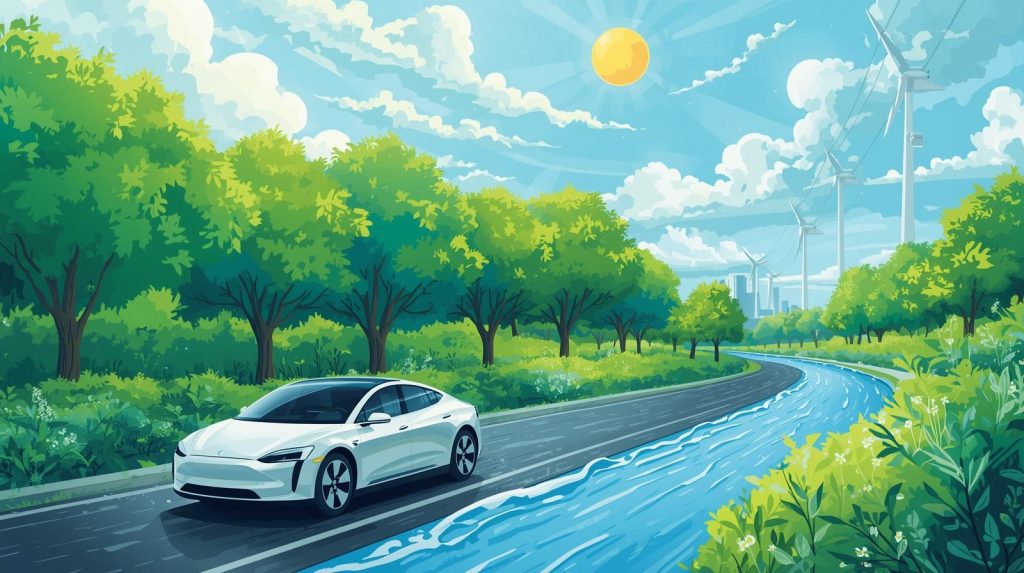
What is an Electric Vehicle? Electric cars offer significant environmental benefits by reducing harmful emissions and promoting cleaner transportation. Unlike gasoline vehicles, electric cars produce zero tailpipe emissions, helping improve air quality and reduce greenhouse gases that contribute to climate change. They also rely on renewable energy sources like solar or wind power, making them even more eco-friendly. Additionally, EVs are more energy-efficient and quieter, reducing both noise pollution and overall energy consumption. By switching to electric cars, drivers play a key role in creating a sustainable and greener future for our planet.
Zero Tailpipe Emissions
Unlike gasoline or diesel vehicles, electric cars produce no tailpipe emissions. This means cleaner air in cities and a significant reduction in greenhouse gases, especially when EVs are charged using renewable energy.
Reduced Carbon Footprint
Even when charged from the current electricity grid (which may still include fossil fuels), EVs emit fewer CO₂ emissions over their lifetime compared to internal combustion engine (ICE) vehicles. Studies show that EVs can cut lifetime emissions by 40–60%.
Improved Air Quality
Air pollution is a major health concern in urban areas. By reducing nitrogen oxides (NOx) and particulate matter, EVs contribute to healthier living environments, lowering risks of respiratory diseases.
Support for Renewable Energy
EV adoption goes hand-in-hand with renewable energy growth. As solar and wind energy expand, EVs charged from these sources can become 100% green vehicles.
2. Financial Benefits of Electric Cars
Lower Fuel Costs
Electricity is cheaper than gasoline on a per-mile basis. On average, driving an EV costs 40–70% less in “fuel” expenses compared to a gas car.
Reduced Maintenance Costs
EVs have fewer moving parts—no oil changes, fewer filters, and no exhaust systems. This leads to 30–50% lower maintenance costs over the lifetime of the vehicle.
Tax Incentives and Subsidies
Many governments worldwide offer incentives such as:
- Purchase rebates
- Tax credits
- Reduced road taxes
- Free parking or toll exemptions
These make electric cars more affordable upfront.
Long-Term Savings
Although EVs may cost more initially, the total cost of ownership (TCO) is often lower within a few years due to fuel and maintenance savings.
3. Performance Benefits of Electric Cars
Instant Torque and Smooth Acceleration
Electric motors deliver instant torque, meaning EVs can accelerate much faster and more smoothly than gas cars, even without a traditional transmission.
Quiet and Comfortable Driving
EVs are nearly silent, reducing noise pollution and offering a smoother, more peaceful ride.
Advanced Technology Integration
Most EVs come with cutting-edge features:
- Regenerative braking
- Smart infotainment systems
- Over-the-air software updates
- Autonomous driving capabilities (in some models)
Better Handling
With heavy battery packs placed low in the chassis, EVs often have a low center of gravity, improving stability, cornering, and safety.
4. Social and Lifestyle Benefits
Reduced Dependence on Fossil Fuels
EVs promote energy independence by reducing reliance on imported oil. This strengthens national energy security.
Convenient Home Charging
Instead of visiting gas stations, EV owners can charge their vehicles at home overnight, waking up to a “full tank” every day.
Incentives in Cities
Many cities offer perks such as:
- Access to carpool lanes
- Free or discounted public charging
- Exemption from congestion charges
Future-Proof Investment
With global bans on new gas car sales planned in the 2030s–2040s, EV ownership ensures you stay ahead of regulatory changes.
5. Economic and Global Benefits
Job Creation in Clean Energy
The EV industry is fueling growth in sectors like battery manufacturing, renewable energy, and charging infrastructure, creating millions of new jobs globally.
Reduced Healthcare Costs
Cleaner air means fewer health issues related to air pollution, saving billions in healthcare costs worldwide.
Innovation and Competition
The EV revolution encourages automakers to invest in better batteries, faster charging, and smarter cars, benefiting all consumers.
6. Challenges of Electric Cars (And How They’re Being Solved)
While EVs offer many benefits, it’s fair to acknowledge the challenges:
- High Initial Cost: Prices are falling as battery costs drop.
- Charging Infrastructure: Rapid expansion of fast-charging networks is underway worldwide.
- Battery Recycling: Advances in battery recycling and second-life applications are reducing waste.
- Range Anxiety: Modern EVs now offer 250–400+ miles of range, with ultra-fast charging reducing downtime.
The industry is actively working to overcome these issues, making EVs more practical every year.
7. Future of Electric Cars
The future of EVs looks promising:
- Solid-State Batteries: Expected to provide longer ranges and shorter charging times.
- Vehicle-to-Grid (V2G) Technology: EVs may soon return power to the grid, stabilizing renewable energy supply.
- Mass Adoption: By 2035, EVs could make up the majority of new car sales globally.
- Sustainable Manufacturing: Automakers are working toward carbon-neutral factories and recyclable car materials.
FAQs About the Benefits of Electric Cars
Q1. Do electric cars really save money?
Yes. Lower fuel and maintenance costs make EVs cheaper in the long run despite higher purchase prices.
Q2. Are electric cars better for the environment?
Absolutely. Even when charged with mixed energy sources, EVs emit fewer greenhouse gases and pollutants than gas cars.
Q3. How long does an EV battery last?
Most EV batteries last 8–15 years, with warranties covering at least 100,000 miles.
Q4. Can I charge my electric car at home?
Yes. Most EV owners install home chargers, making it more convenient than refueling at gas stations.
Q5. What’s the biggest benefit of electric cars?
The combination of environmental impact, cost savings, and future readiness makes EVs a smarter choice than traditional cars.
Final Thoughts
The benefits of electric cars extend far beyond just saving on fuel costs. They provide environmental advantages, financial savings, cutting-edge performance, and social benefits that make them an attractive option for modern drivers.
While challenges like charging infrastructure and upfront costs remain, rapid innovation is solving these issues quickly. With governments, automakers, and consumers all moving toward cleaner mobility, EVs represent not just the future of driving but also a pathway to a healthier, more sustainable planet.
By choosing an electric car today, you’re not only reducing your personal expenses—you’re contributing to a cleaner environment and helping accelerate the shift to sustainable transportation.