
Electric vehicles (EVs) are becoming the new standard for modern transportation. With rising fuel prices, growing environmental concerns, and government incentives supporting clean energy adoption, more homeowners are switching to electric cars than ever before. However, owning an electric vehicle isn’t just about buying the car—it’s also about ensuring you have convenient, reliable charging access. That’s where the Benefits of Installing an EV Charger at Home become incredibly important.
Today, more than 80% of EV charging happens at home, making it the most convenient and cost-effective option for EV owners. Instead of waiting in line at public charging stations or relying on slow Level 1 chargers, installing a home EV charging station gives you superior control, convenience, and long-term savings.
This guide explains the Benefits of Installing an EV Charger at Home, covering everything from convenience to cost savings, charging speed, battery longevity, safety, property value, environmental impact, and future-proofing your home. If you’re considering buying or already own an electric vehicle, this article will show why home charging is an essential upgrade.
Introduction: Why Home EV Charging Matters More Than Ever
As electric vehicles become mainstream, charging access is becoming one of the most important factors for EV owners. Public charging infrastructure is improving, but it still can’t match the convenience and reliability of a home EV charger. A home charger transforms your daily routine by eliminating the need to depend on public networks, reducing charging time, and offering major economic advantages.
This brings us to a key question:
What are the real Benefits of Installing an EV Charger at Home?
This article explores everything you need to know, with a focus on savings, convenience, performance, safety, and overall ownership experience.
What Is a Home EV Charger?
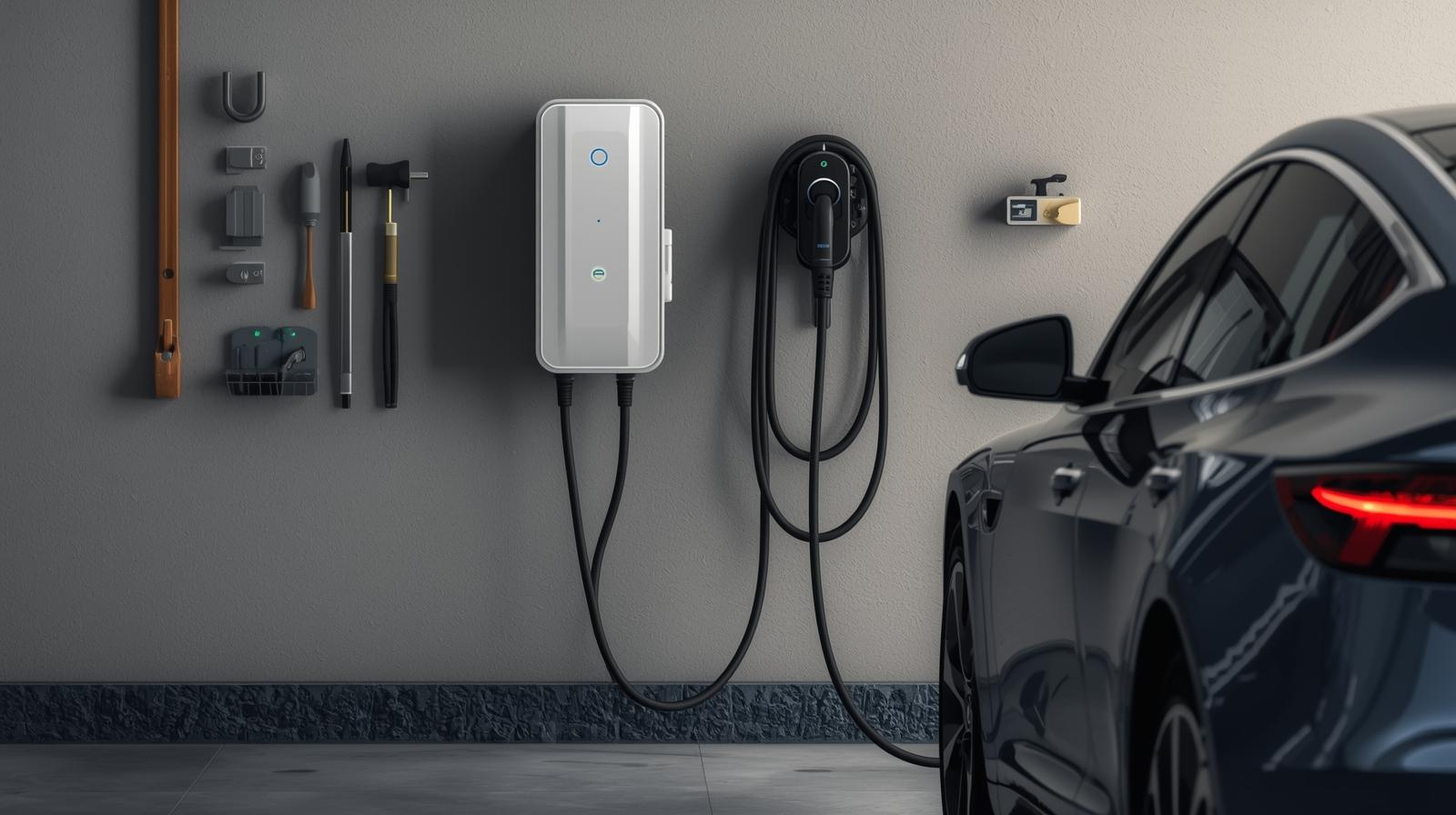
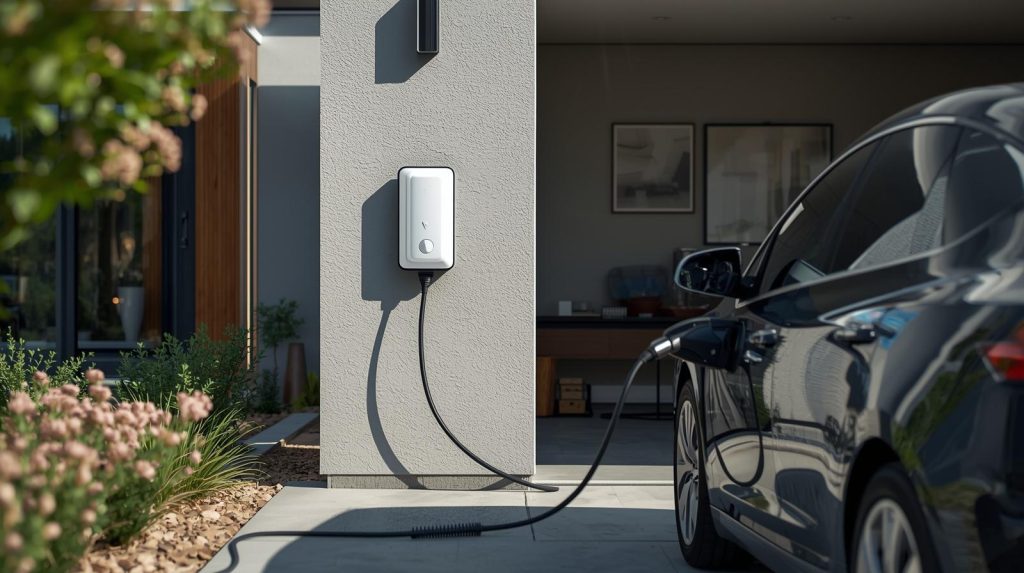
A home EV charger—also known as a residential EV charging station—is a Level 2 charger installed in your garage, driveway, or parking space. It connects directly to your home’s electrical panel and allows you to charge your EV faster than a standard Level 1 outlet.
Types of Home EV Chargers
- Level 1 Charger:
Comes with your EV, uses a standard household outlet, slow charging. - Level 2 Charger:
Requires installation, charges 5–10x faster than Level 1. - Smart EV Charger:
Includes WiFi, app control, scheduling, energy monitoring, and more.
Most homeowners choose Level 2 because it delivers speed, efficiency, and convenience.
Benefit 1: Unmatched Convenience
One of the biggest Benefits of Installing an EV Charger at Home is convenience. You no longer have to rely on public stations or wait in line during peak hours.
Charge Overnight While You Sleep
Simply plug in your EV before bed and wake up to a fully charged battery—every day.
No More Public Charging Hassles
Public stations can be:
- Busy
- Expensive
- Far from home
- Out of service
- Slow
A home charger eliminates all these issues.
Perfect for Busy Lifestyles
Whether you’re a commuter, parent, or business owner, saving time is essential. Home charging ensures you’re ready to go anytime.
Benefit 2: Faster Charging Times
Charging speed is one of the most important Benefits of Installing an EV Charger at Home.
How fast is Level 2 charging?
- Level 1 (standard outlet): 4–5 miles per hour
- Level 2 (home charger): 25–45 miles per hour
Why faster charging matters
- You can fully charge overnight
- You can top up quickly before a trip
- You reduce range anxiety
- You maximize battery health
Faster charging enhances your overall EV ownership experience.
Benefit 3: Lower Charging Costs
Electric vehicles are already cheaper to operate than gas cars, but having a home charger increases your savings significantly.
Lower Electricity Rates at Home
Public chargers often charge premium rates. Home charging allows you to charge during off-peak hours at discounted electricity rates.
Time-of-Use (TOU) Billing
Many utility companies offer lower nighttime rates. A smart charger can schedule charging automatically to save money.
Zero or Reduced Public Charging Costs
You avoid:
- Membership fees
- Peak-time surcharges
- Idle fees
- Expensive fast-charging rates
Annual Savings
Home charging can save EV owners hundreds to thousands of dollars per year compared to public charging.
Benefit 4: Increased Battery Life and Performance
Many EV owners don’t realize that one of the long-term Benefits of Installing an EV Charger at Home is better battery health.
Controlled Charging Cycles
Home chargers allow steady, safe charging, which reduces battery stress.
Reduced Use of Fast Chargers
Frequent DC fast charging can degrade battery health over time. A home charger keeps your battery in better condition.
Smart Charging Features
Smart chargers can:
- Avoid overheating
- Monitor battery health
- Optimize charging cycles
This improves long-term performance and extends battery life.
Benefit 5: Safety and Reliability
Charging at home is not just convenient—it’s safer and more reliable.
Built-in Safety Features
Home EV chargers include:
- Overcurrent protection
- Surge protection
- Temperature monitoring
- Automatic shutoff
Reduced Fire Risk
Proper installation by a licensed electrician ensures safe operation.
Weatherproof Chargers
Most residential chargers are built to withstand heat, cold, rain, and dust.
Safety for Your Vehicle
Consistent, controlled charging reduces wear and tear on your EV’s battery system.
Benefit 6: Increases Property Value
Installing a home EV charger can increase your property’s value—especially in areas with high EV adoption.
A Selling Point for Future Buyers
Buyers looking for EV-friendly homes often prefer properties with a pre-installed charger.
Enhances Rental Appeal
Renters who drive EVs may be willing to pay more for homes with charging access.
Future-Proofing Your Home
As EV adoption accelerates, having a home charger will become as essential as having:
- Central AC
- High-speed internet
- Modern wiring
This makes your property more attractive and competitive.
Benefit 7: Better Energy Control and Smart Monitoring
Home EV chargers—especially smart chargers—give you full control over your energy usage.
Track Usage Through an App
Monitor:
- Electricity consumption
- Charging time
- Cost per session
- Carbon footprint reduction
Schedule Charging
Set charging times based on utility rate changes.
Integration with Solar Panels
Home chargers can work with solar systems, allowing you to charge your EV with clean, free energy.
Load Balancing
Smart chargers prevent electrical overload by distributing power safely.
Benefit 8: Reduce Your Carbon Footprint
Sustainability is one of the most important Benefits of Installing an EV Charger at Home.
Clean Energy Access
Home charging allows you to power your vehicle with:
- Solar energy
- Wind energy
- Green utility programs
Reduced Pollution
Charging at home reduces reliance on public stations, which may use grid electricity from fossil fuels.
Environmentally Friendly Transportation
Home EV charging contributes to a healthier, cleaner environment.
Benefit 9: Government Incentives and Rebates
Many countries, states, and cities offer incentives for installing a home EV charger.
These may include:
- Tax credits
- Cash rebates
- Reduced electricity rates
- Free or discounted installation programs
These incentives can significantly reduce the overall cost of installation.
Benefit 10: Future-Proofing Your Home and Lifestyle
Installing a home charger prepares you for the future as EVs become the global standard.
Growing EV Ownership
With millions switching to electric cars, home charging is becoming essential.
Government Mandates
Many regions plan to ban or phase out gas vehicles by 2035.
Technology Upgrades
Future chargers will support:
- Faster charging
- Bidirectional charging (vehicle-to-home power)
- Smart grid connectivity
Your home becomes part of tomorrow’s energy ecosystem.
Cost of Installing a Home EV Charger
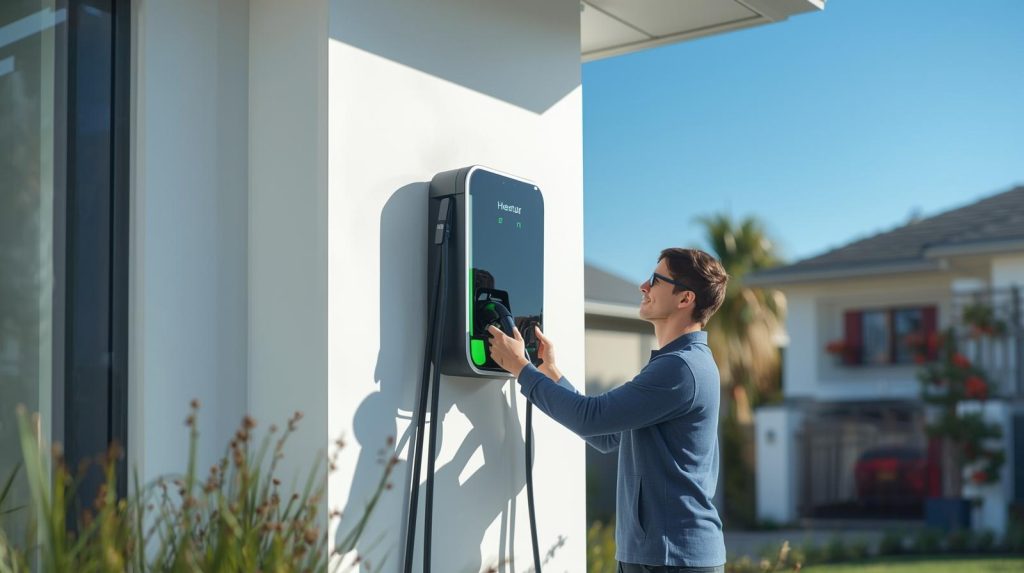
Typical costs include:
- Charger unit: $300–$700
- Professional installation: $400–$2,000
- Electrical upgrades (if needed): variable
Ways to reduce costs:
- Tax credits
- Utility rebates
- State incentives
- Off-peak charging rates
How to Choose the Right Home EV Charger
Consider:
- Charging speed
- Smart features
- Cable length
- Durability
- Warranty
- Solar compatibility
- Brand reliability
Conclusion: Why You Should Install a Home EV Charger
The Benefits of Installing an EV Charger at Home are clear:
- Fast, convenient charging
- Lower energy costs
- Safety and reliability
- Increased home value
- Better battery health
- Reduced carbon footprint
- Advanced smart features
- Future-proofing your property
If you own or plan to buy an electric car, installing a home charger is one of the smartest investments you can make. It not only makes EV ownership easier but also saves you money, improves vehicle performance, and enhances your overall lifestyle.
FAQs for “Benefits of Installing an EV Charger at Home”
1. What are the main benefits of installing an EV charger at home?
Home EV chargers offer convenience, faster charging speeds, long-term cost savings, increased property value, and full control over charging schedules.
2. Is it cheaper to charge an EV at home?
Yes. Home charging is significantly cheaper than public chargers, especially when using off-peak electricity rates.
3. Does a home EV charger increase property value?
Yes. Homes with EV chargers are more attractive to buyers and often sell faster, especially in markets with high EV adoption.
4. How long does home charging take?
Level 2 home chargers can fully charge most EVs in 4–10 hours, making overnight charging highly convenient.
5. Do I need a professional to install a home charger?
Yes. Certified electricians ensure safe installation, proper wiring, and compliance with local electrical codes.
6. Are home EV chargers safe?
Absolutely. When installed by a certified electrician, home chargers are extremely safe, reliable, and durable.
7. Can solar panels power a home EV charger?
Yes. Many homeowners pair solar energy with EV charging to reduce or eliminate electricity costs.
8. What types of home EV chargers are available?
Most homeowners choose a Level 2 charger, which offers faster charging and better long-term convenience compared to Level 1 chargers.
9. How much does it cost to install an EV charger at home?
Installation typically ranges from $500 to $2,000, depending on wiring, electrical upgrades, and charger type.
10. Do home EV chargers require maintenance?
Very little. Home chargers are low-maintenance devices that usually only require occasional cleaning and inspections.