
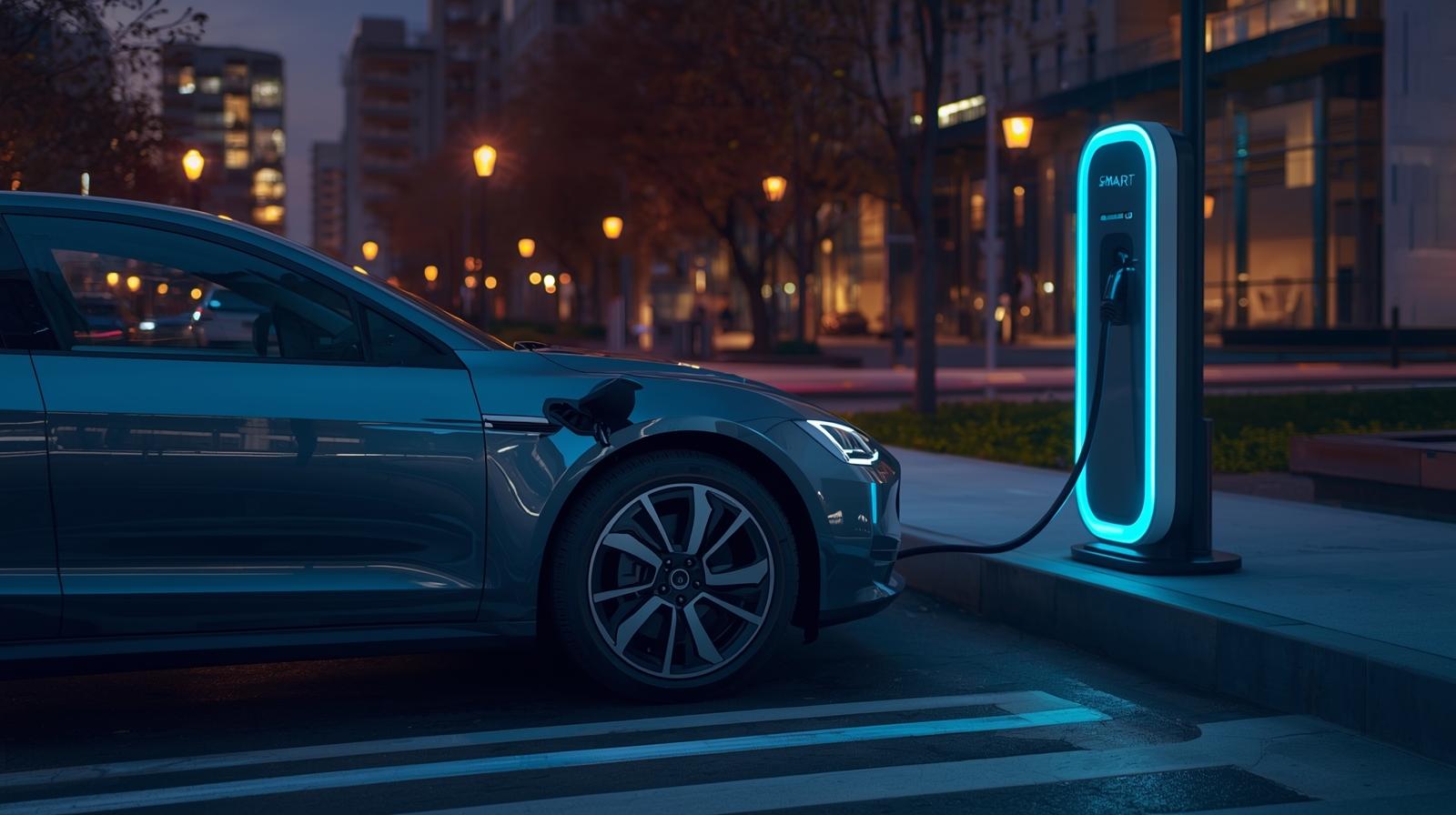
As electric vehicles (EVs) become a normal part of everyday life, the way we charge them is evolving just as quickly. One of the most important advancements in EV infrastructure is smart charging. Understanding the benefits of smart charging electric vehicles helps drivers save money, protect their batteries, and support a cleaner energy future.
Smart charging of electric vehicles offers a smarter, more efficient way to power EVs while reducing costs and supporting sustainability. One of the key benefits of smart charging electric vehicles is lower electricity bills, as charging is automatically scheduled during off-peak hours. It also improves battery health by controlling charging speed and reducing heat stress. Additionally, smart charging helps balance energy demand on the power grid and integrates easily with renewable energy sources like solar power. Overall, smart charging makes EV ownership more convenient, economical, and environmentally friendly.
Smart charging is more than just plugging in your car—it’s about charging at the right time, at the right speed, and in the most efficient way possible.
What Is Smart Charging for Electric Vehicles?
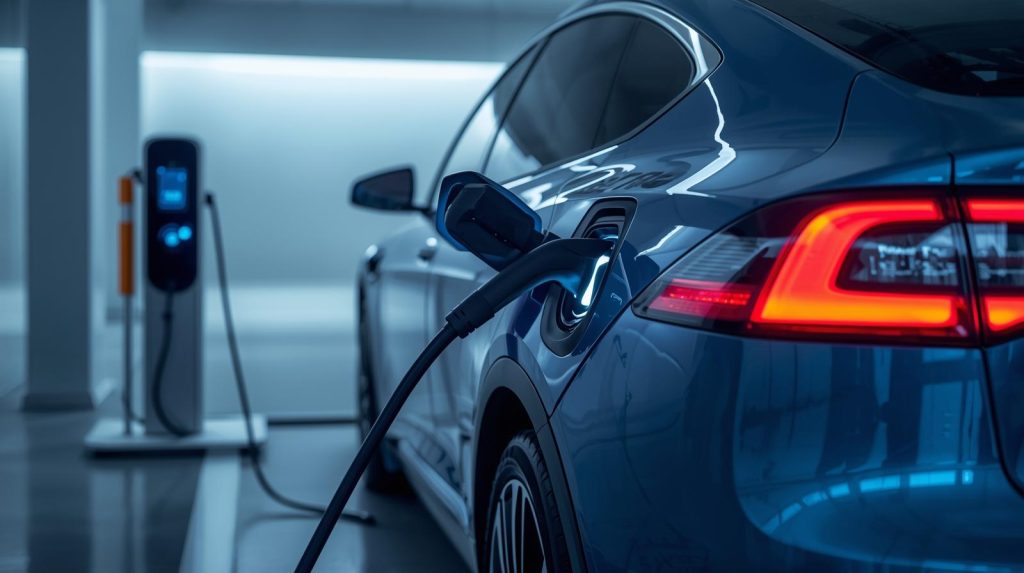
Smart charging refers to charging systems that use software, connectivity, and real-time data to manage when and how an electric vehicle charges. Unlike traditional charging, smart charging can:
- Adjust charging speed automatically
- Schedule charging during off-peak hours
- Respond to electricity demand and pricing
- Communicate with the power grid
This intelligent approach unlocks several practical and long-term benefits for EV owners and energy providers.
Why Smart Charging Matters
As more EVs hit the road, unmanaged charging can strain local power grids. Smart charging solves this challenge by balancing energy demand while still meeting drivers’ needs. This is why the benefit of smart charging electric vehicles goes beyond individual savings—it supports the entire energy ecosystem.
Key Benefits of Smart Charging Electric Vehicles
1. Lower Electricity Costs
One of the biggest benefits of smart charging electric vehicles is cost savings. Smart chargers can automatically charge during off-peak hours when electricity rates are lower.
- Reduced monthly electricity bills
- Optimized energy usage
- Automatic response to time-of-use pricing
For many EV owners, this alone makes smart charging worthwhile.
2. Improved Battery Health and Longevity
Smart charging helps protect EV batteries by avoiding unnecessary fast charging and reducing heat buildup.
- Controlled charging speeds
- Reduced battery stress
- Better long-term performance
This benefit of smart charging electric vehicles can extend battery life, which is one of the most expensive EV components.
3. Convenience and Automation
Smart charging systems remove guesswork from the charging process.
- Schedule charging through mobile apps
- Monitor charging remotely
- Receive alerts and notifications
Drivers can plug in once and let the system handle the rest, making EV ownership more convenient.
4. Reduced Grid Stress
Uncontrolled charging during peak hours can overload local power systems. Smart charging helps by:
- Shifting charging to low-demand periods
- Balancing energy loads
- Supporting grid stability
This grid-friendly approach is a major benefit of smart charging electric vehicles for utilities and communities.
5. Better Integration With Renewable Energy
Smart charging supports the use of renewable energy sources such as solar and wind.
- Charge when renewable energy supply is high
- Reduce reliance on fossil fuels
- Lower overall carbon emissions
This makes smart charging a key tool in building a sustainable transportation system.
6. Enhanced Safety Features
Smart chargers often include advanced safety protections such as:
- Real-time fault detection
- Automatic power shutoff
- Remote system diagnostics
These features improve charging safety and reduce the risk of electrical issues.
7. Support for Smart Homes and Smart Cities
Smart charging integrates easily with smart home systems.
- Sync with solar panels and home batteries
- Coordinate with smart meters
- Support future smart city infrastructure
This connectivity highlights another long-term benefit of smart charging electric vehicles.
8. Better Charging Network Management
For businesses and fleet operators, smart charging offers:
- Load balancing across multiple vehicles
- Usage tracking and reporting
- Predictable energy costs
This makes managing multiple EVs more efficient and scalable.
Smart Charging vs Traditional Charging
Traditional charging delivers power as soon as you plug in, regardless of grid demand or energy prices. Smart charging, on the other hand, adapts to real-time conditions. The benefit of smart charging electric vehicles lies in its flexibility, efficiency, and intelligence.
Who Benefits Most From Smart Charging?
Smart charging is ideal for:
- Home EV owners with time-of-use electricity plans
- Apartment complexes and workplaces
- Fleet operators
- Environmentally conscious drivers
As EV adoption grows, smart charging will become increasingly important.
Expert Insight on Smart Charging
Energy experts agree that smart charging is essential for the future of electric mobility. It allows widespread EV adoption without overloading infrastructure while offering clear benefits to consumers. Industry standards and secure software platforms ensure smart charging remains reliable and trustworthy.
Conclusion
The benefit of smart charging electric vehicles goes far beyond convenience. From lowering costs and improving battery health to supporting renewable energy and grid stability, smart charging represents the future of EV ownership.
As technology advances and charging networks expand, smart charging will play a critical role in making electric transportation efficient, affordable, and sustainable.
Frequently Asked Questions (FAQs)
1. What is smart charging for electric vehicles?
Smart charging is an intelligent EV charging system that uses software and connectivity to control when and how an electric vehicle charges, optimizing energy use, cost, and battery health.
2. What is the main benefit of smart charging electric vehicles?
The main benefit of smart charging electric vehicles is lower electricity costs combined with improved battery longevity by charging during off-peak hours and managing charging speed efficiently.
3. Does smart charging help reduce electricity bills?
Yes, smart charging helps reduce electricity bills by automatically scheduling charging during low-cost, off-peak electricity hours based on time-of-use pricing.
4. Is smart charging better for EV battery life?
Yes, smart charging supports better battery health by avoiding unnecessary fast charging, reducing heat buildup, and maintaining optimal charging levels.
5. How does smart charging support the power grid?
Smart charging reduces grid strain by shifting EV charging away from peak demand hours, helping balance electricity loads and improve overall grid stability.
6. Can smart charging work with solar energy?
Yes, smart charging can integrate with renewable energy sources like solar panels, allowing EVs to charge when clean energy is available.
7. Is smart charging safe to use at home?
Smart charging systems include built-in safety features such as real-time monitoring, automatic shutoff, and fault detection, making them safe for home and public use.
8. Who should use smart charging for electric vehicles?
Smart charging is ideal for home EV owners, apartment complexes, businesses, and fleet operators looking to reduce energy costs and improve charging efficiency.