
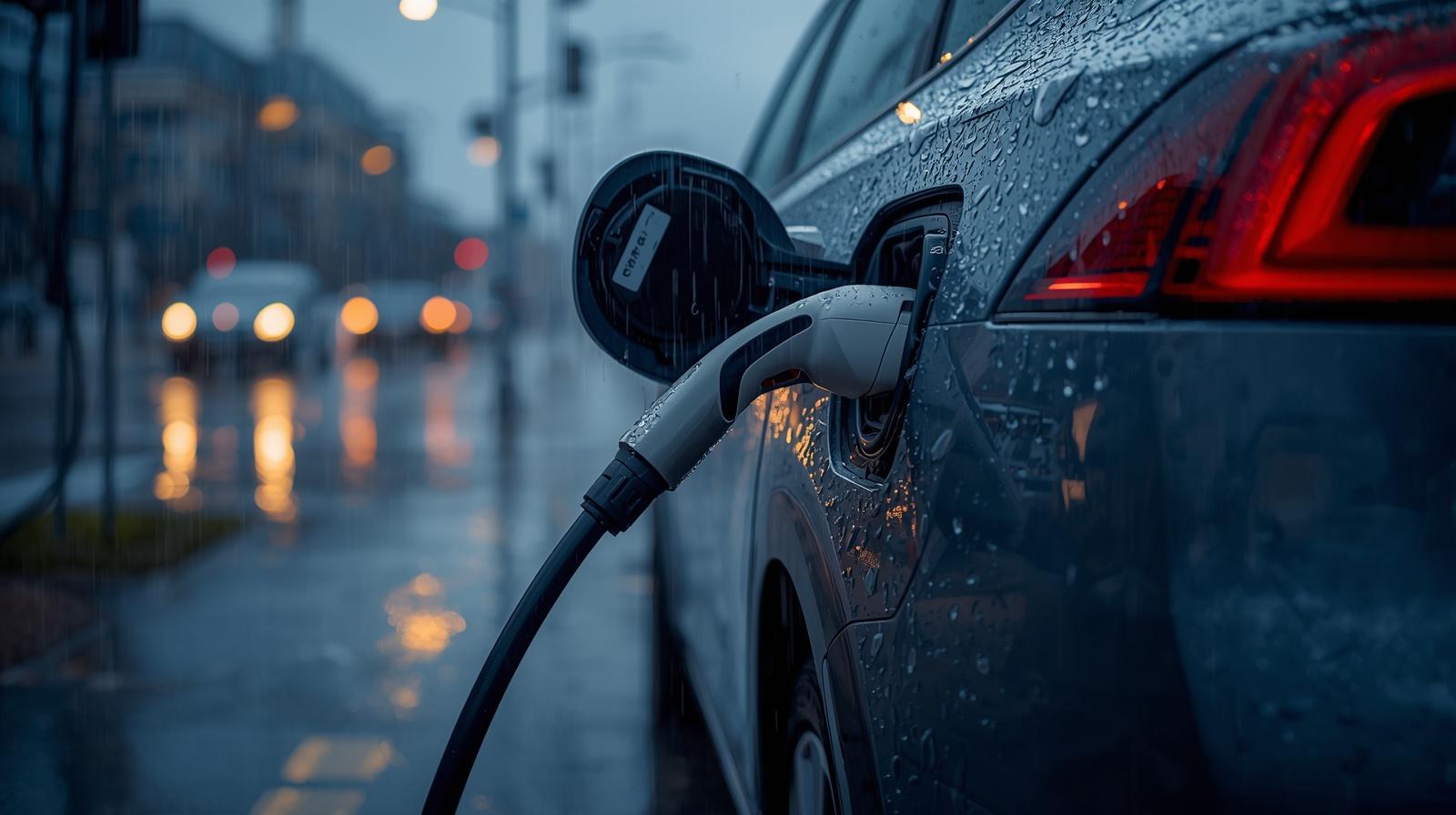
As electric vehicles (EVs) become more common worldwide, many drivers still worry about charging safety in bad weather. A very common question is: Can you charge an electric vehicle in the rain?
The simple answer is yes — you can charge an electric vehicle in the rain safely. EVs and charging stations are designed to work outdoors in all weather conditions, including heavy rain, humidity, and snow. Manufacturers build multiple safety layers into both the vehicle and charging equipment to prevent electrical risks.
In this detailed guide, we will explain how EV charging works in wet weather, why it is safe, and what precautions you should take for maximum safety.
Why People Worry About Charging EVs in the Rain

It’s natural to associate water and electricity with danger. However, EV charging systems are very different from exposed electrical wiring or unsafe outdoor connections.
When people ask, can you charge an electric vehicle in the rain?, they are usually worried about:
- Electric shock risks
- Water entering the charging cables
- Damage to the vehicle battery
- Safety of public charging stations
Fortunately, EV charging technology is specifically built to eliminate these risks.
How EV Charging Systems Stay Safe in Rainy Weather
Weatherproof Connectors and Cables
Charging connectors are designed with tight seals to prevent water entry. Even during heavy rain, water cannot reach live electrical parts.
Smart Charging Communication
Before electricity flows, the charger and vehicle communicate digitally. If the connection is not safe, charging will not start.
Automatic Safety Shutoff
If the system detects moisture problems, overheating, or faults, charging stops immediately.
Ground Fault Protection
EV chargers include protection systems that instantly cut power if electrical leakage is detected.
Can You Charge an Electric Vehicle in the Rain at Home?
Yes, home EV charging is safe in the rain when installed properly. Most home chargers are rated for outdoor use and designed to handle wet conditions.
To stay safe:
- Use a professionally installed charger
- Avoid extension cords
- Make sure charging outlets are weather-rated
Many homeowners charge their EVs outside every day without problems.
Is Public EV Charging Safe in the Rain?
Public EV charging stations are designed for outdoor environments and go through extensive testing. Whether you are charging at a mall, highway station, or hotel, charging in the rain is safe when using certified stations.
When using public chargers in the rain:
- Check for visible cable damage
- Avoid chargers surrounded by standing flood water
- Follow station instructions
Does Rain Affect Charging Speed or Performance?
No, rain does not slow down EV charging. Charging speed depends on:
- Charger type (Level 2 or DC fast charger)
- Battery size
- Vehicle charging capacity
Weather conditions like rain do not impact charging performance.
Is Fast Charging Safe in the Rain?
Yes, DC fast charging is safe in the rain. Fast chargers are designed with even higher safety standards because they deliver higher power levels.
These chargers are commonly installed outdoors along highways and are used daily in all weather conditions.
Safety Tips for Charging an EV in the Rain
Even though charging is safe, follow these best practices:
- Use certified charging equipment
- Do not use damaged charging cables
- Avoid charging in flooded areas
- Ensure connectors are fully plugged in
- Follow manufacturer guidelines
When Should You Avoid Charging in the Rain?
Normal rain is safe. However, avoid charging if:
- Charging equipment is underwater
- There is severe flooding
- Lightning storms are extremely close
These are rare situations but good safety precautions.
Future Improvements in EV Charging Safety
EV technology continues improving. Future developments include:
- Better waterproof connector designs
- Smarter real-time safety monitoring
- Faster yet safer charging systems
This will make EV charging even safer in extreme weather conditions.
Conclusion: Can You Charge an Electric Vehicle in the Rain?
So, can you charge an electric vehicle in the rain? Yes — EVs and charging stations are specifically engineered to work safely in wet weather. With sealed connectors, smart safety monitoring, and strict global standards, EV charging in rain is completely normal.
As long as you use approved equipment and follow basic precautions, you can safely charge your electric vehicle rain or shine.
Frequently Asked Questions (FAQs)
1. Can you charge an electric vehicle in the rain?
Yes, you can charge an electric vehicle in the rain. EVs and charging stations are built with weatherproof designs and advanced safety systems to prevent electrical risks.
2. Is there a risk of electric shock when charging an EV in the rain?
No, the risk is extremely low. EV charging systems only allow power to flow after a secure connection is confirmed and include automatic safety shutoff features.
3. Is it safe to use public EV chargers in the rain?
Yes, public EV charging stations are designed for outdoor use and tested to operate safely in rain, snow, and other harsh weather conditions.
4. Can rain damage an electric vehicle battery?
No, EV batteries are sealed inside protective, waterproof casings that prevent water damage.
5. Is fast charging safe during rainy weather?
Yes, DC fast chargers are fully weatherproof and safe to use during rain when used properly.
6. Can I charge my EV at home during rain?
Yes, home EV chargers that are properly installed and rated for outdoor use are safe to use in rainy conditions.
7. Does rain affect EV charging speed?
No, rain does not affect charging speed. Charging time depends on charger type, battery size, and vehicle charging capacity.
8. What safety precautions should I follow when charging an EV in the rain?
Use certified chargers, avoid damaged cables, ensure connectors are clean, and do not charge in flooded areas.