
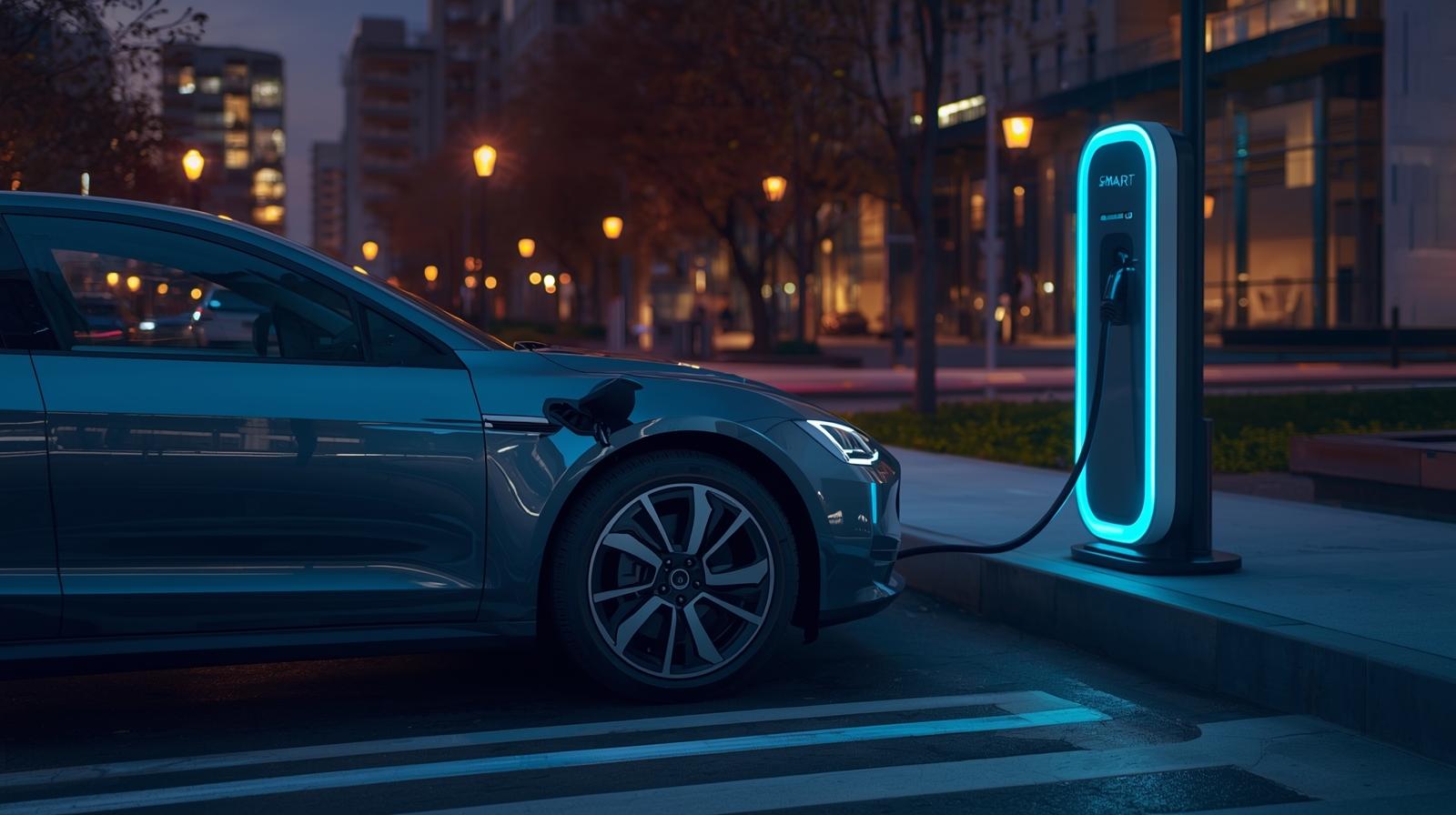
If you’re new to electric vehicles, one of the most common questions you’ll ask is: Do all electric cars use the same chargers? The short answer is no, not all electric cars use the same chargers. However, the full explanation is more nuanced and depends on connector types, charging levels, region, and vehicle compatibility.
In this detailed guide, we’ll break down everything you need to know about EV charging standards, connector types, fast charging networks, and how compatibility works. Whether you’re planning to buy your first EV or install a home charger, this article will give you clear, expert-backed information.
Do All Electric Cars Use the Same Chargers?
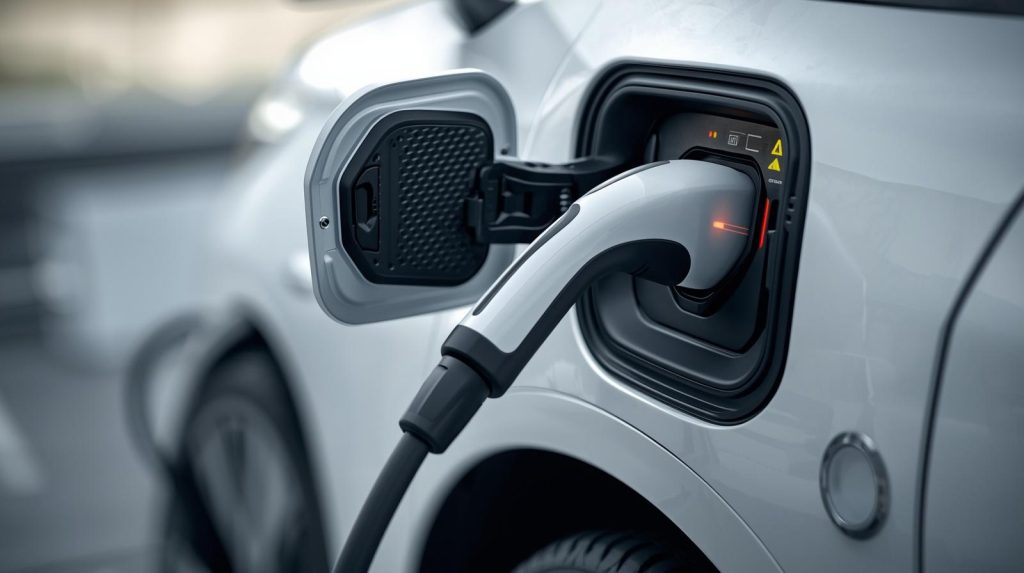
No, do all electric cars use the same chargers? Not exactly. While many EVs share similar charging standards, there are different connector types and charging systems depending on:
- The country or region
- The vehicle manufacturer
- The charging speed (Level 1, Level 2, or DC fast charging)
- The charging network
That said, charging standardization has improved significantly in recent years.
Understanding EV Charging Levels
Before diving into connector types, it’s important to understand the three main charging levels.
1. Level 1 Charging (120V AC)
- Uses a standard household outlet
- Slowest charging method
- Adds 3–5 miles of range per hour
- Compatible with nearly all EVs using the portable charger provided by the manufacturer
Most electric cars can use Level 1 charging, making it universally compatible in terms of power source.
2. Level 2 Charging (240V AC)
- Requires a dedicated home charger or public station
- Adds 15–40 miles of range per hour
- Most common home and workplace charging option
For Level 2 charging, compatibility depends on the connector type.
In North America, most EVs use the J1772 connector for AC charging. Even vehicles from brands like Tesla can use this standard with an adapter.
3. DC Fast Charging (Level 3)
This is where compatibility becomes more complex.
DC fast charging provides rapid charging (20–80% in 20–40 minutes), but different connector types exist:
- CCS (Combined Charging System)
- CHAdeMO
- Tesla/NACS
This is one of the main reasons why the answer to Do all electric cars use the same chargers? is no.
EV Charging Connector Types Explained
Let’s examine the most common EV charging connectors used globally.
CCS (Combined Charging System)
CCS is currently the most widely adopted fast-charging standard in North America and Europe.
Many major automakers, including Ford, Volkswagen, BMW, and Hyundai, use CCS for DC fast charging.
It combines AC and DC charging into one port, making it versatile and efficient.
CHAdeMO
CHAdeMO was one of the earliest DC fast-charging standards and is commonly associated with older Japanese EV models.
However, its use is declining in North America and Europe as manufacturers shift toward CCS.
NACS (North American Charging Standard)
Tesla developed its own charging connector, now known as NACS. In recent years, many major automakers have announced plans to adopt this standard in North America.
This shift is increasing compatibility across brands.
Regional Differences in EV Charging
The answer to Do all electric cars use the same chargers? also depends heavily on location.
North America
- Level 2: J1772 standard
- Fast charging: CCS and NACS (Tesla)
Europe
- Type 2 connector for AC charging
- CCS2 for DC fast charging
Asia
- Mix of CCS and CHAdeMO
- Tesla operates with regional variations
Charging standards are becoming more unified, but regional differences still exist.
Can You Use Adapters?
Yes, adapters solve many compatibility issues.
For example:
- Tesla vehicles can use J1772 stations with an adapter.
- Some EVs can use Tesla Superchargers (depending on manufacturer agreements).
- CCS-to-Tesla adapters are increasingly available.
Adapters make the charging ecosystem more flexible, but they don’t eliminate all compatibility limitations.
Home Charging Compatibility
When it comes to home charging, compatibility is much simpler.
Most Level 2 home chargers:
- Use J1772 connectors
- Work with nearly all EV brands (Tesla requires an adapter)
So, if you’re installing a home charger, you usually don’t need to worry too much about compatibility.
Public Charging Networks and Compatibility
Major charging networks include:
- Tesla Supercharger Network
- Electrify America
- EVgo
- ChargePoint
Access depends on your vehicle’s connector type and network agreements.
Many networks are expanding cross-compatibility, especially as automakers transition toward the NACS standard in North America.
Why Charging Standardization Is Improving
The EV industry is moving toward standardization to:
- Improve consumer convenience
- Reduce infrastructure complexity
- Accelerate EV adoption
- Support government clean energy initiatives
This means that although the answer to Do all electric cars use the same chargers? Currently, there is no, but the industry is gradually moving toward greater uniformity.
Common Myths About EV Chargers
Myth 1: Every EV Has a Completely Unique Charger
False. Many EVs share the same AC charging standards.
Myth 2: You Can’t Charge Outside Your Brand Network
False. Most EVs can use multiple charging networks.
Myth 3: Compatibility Is Complicated
Not really. Once you understand connector types, it becomes straightforward.
Expert Insight: What Buyers Should Know
If you’re buying an EV, ask these questions:
- What connector type does it use?
- Does it support CCS or NACS fast charging?
- Will I need an adapter?
- What public charging networks are available in my area?
Understanding these factors helps you avoid charging limitations.
The Future of EV Charging
Industry trends suggest:
- Greater adoption of NACS in North America
- Decline of CHAdeMO
- Increased interoperability between charging networks
- Smarter charging systems with app integration
Standardization will likely reduce confusion in the coming years.
Conclusion: Do All Electric Cars Use the Same Chargers?
So, Do all electric cars use the same chargers? No, they do not — at least not yet. Different connector types and charging standards exist, especially for DC fast charging.
However, most EVs share common AC charging standards, and industry shifts toward unified connectors are making compatibility easier than ever.
If you understand connector types, charging levels, and regional standards, EV charging becomes simple and manageable.
FAQs: Do All Electric Cars Use the Same Chargers?
1. Do all electric cars use the same chargers?
No, not all electric cars use the same chargers. While most EVs share common AC charging standards, different connector types are used for DC fast charging, such as CCS, CHAdeMO, and NACS.
2. Are Level 1 and Level 2 chargers compatible with all EVs?
Level 1 charging (standard household outlet) works with nearly all electric vehicles. Level 2 chargers are widely compatible, especially in North America where the J1772 connector is standard, though some vehicles may require an adapter.
3. What is the difference between CCS, CHAdeMO, and NACS?
CCS (Combined Charging System) is widely used for DC fast charging in North America and Europe. CHAdeMO is an older fast-charging standard mainly found in some Japanese models. NACS (North American Charging Standard) was developed by Tesla and is becoming more widely adopted.
4. Can Tesla vehicles use other charging stations?
Yes, Tesla vehicles can use many non-Tesla charging stations with the appropriate adapter. Access to certain networks may depend on regional agreements and vehicle compatibility.
5. Do I need a special charger for home charging?
Most home Level 2 chargers are compatible with a wide range of EVs. However, it’s important to confirm your vehicle’s connector type before installation.
6. Are EV charging standards becoming more unified?
Yes, the EV industry is moving toward greater standardization, especially in North America where many automakers are adopting the NACS connector.
7. Can I use adapters to charge my EV?
In many cases, yes. Adapters can allow compatibility between different connector types, but availability depends on your vehicle model and charging network.