
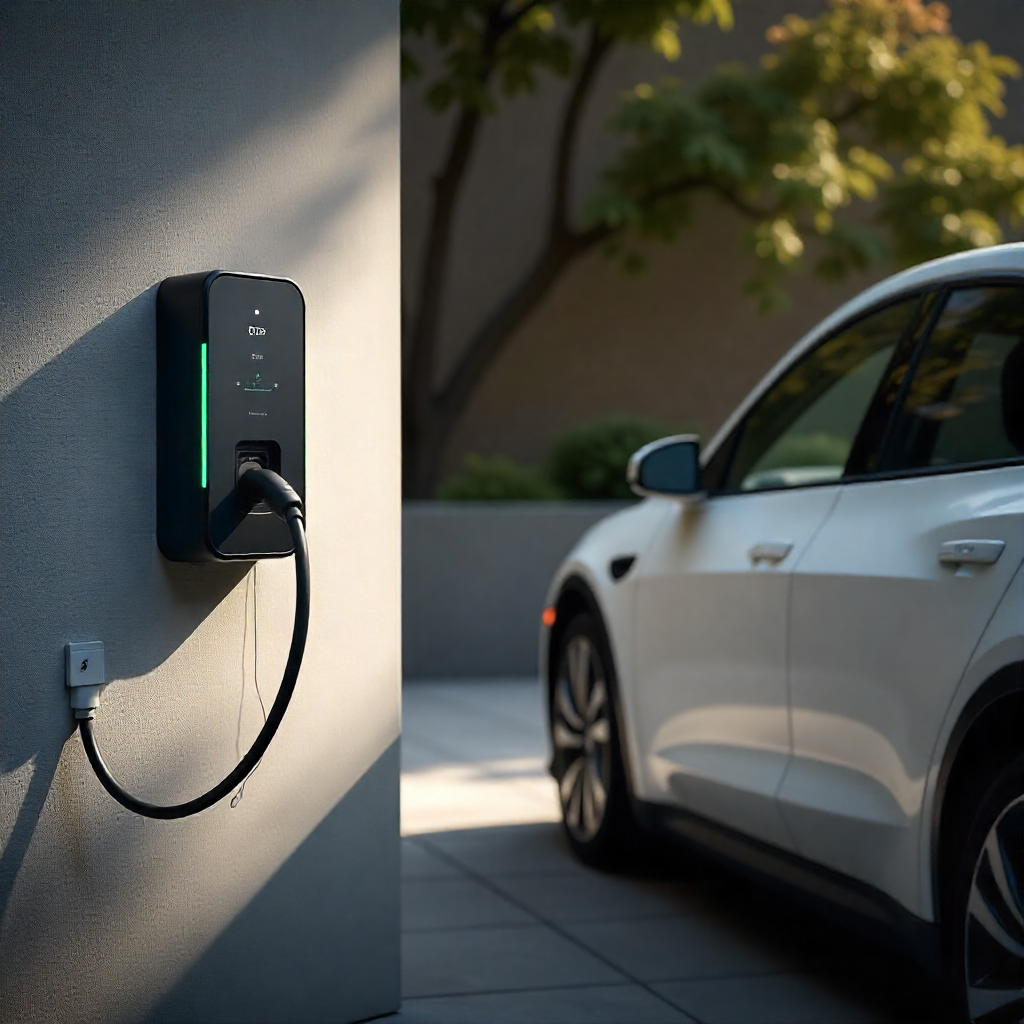
As electric vehicles continue to dominate the future of transportation, more drivers are seeking the fastest home EV charger to reduce charging times, boost efficiency, and enjoy the convenience of powering up right from their garage. With new technologies rolling out each year, 2025 brings some of the most powerful and intelligent home charging solutions ever seen.
In this comprehensive guide, we break down everything you need to know about choosing the fastest home EV charger, how they work, what features to compare, installation requirements, safety standards, and the best options to consider for your home.
What Makes the Fastest Home EV Charger? Understanding Charging Levels
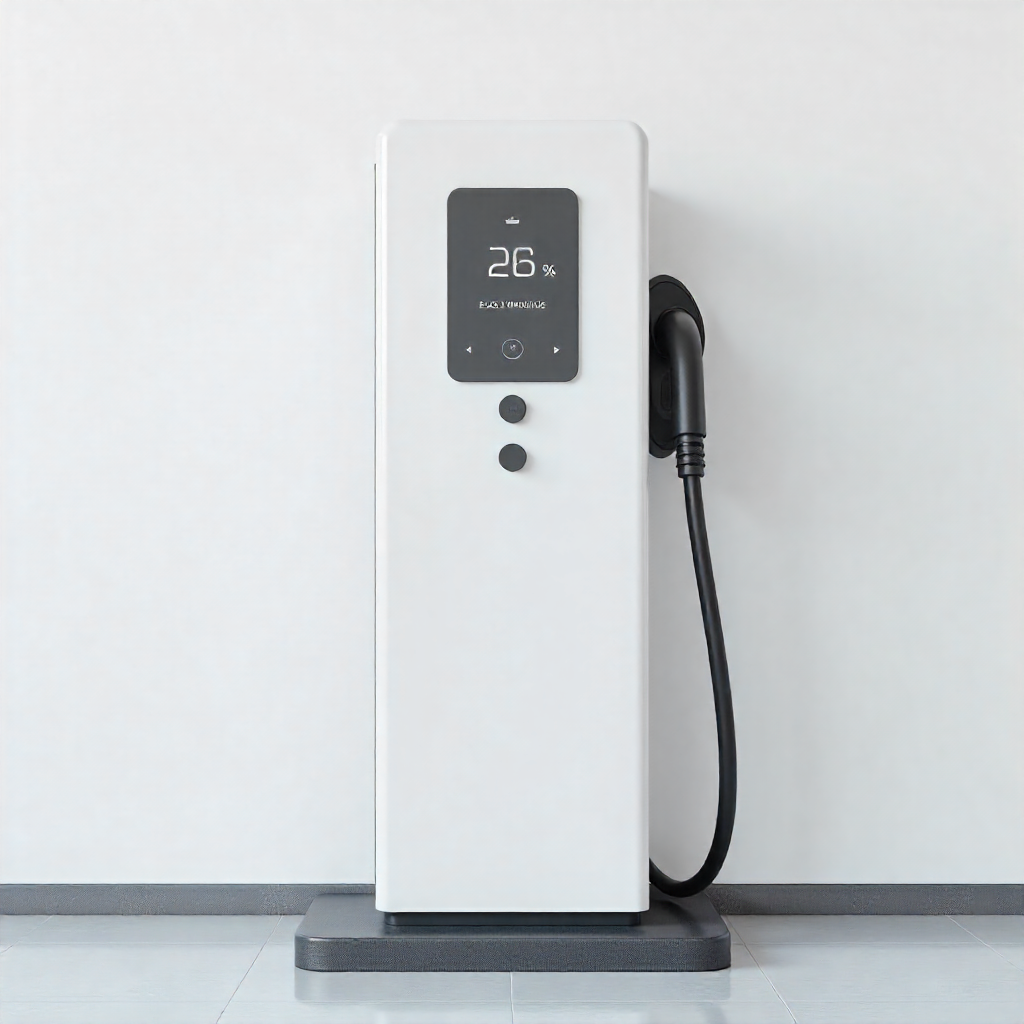
Before reviewing the top options, it’s important to understand the different EV charging levels available for home use.
Level 1 Charging (120V)
- Comes standard with most EVs
- Slowest charging level
- Adds 3–5 miles of range per hour
- Mainly for emergency or overnight low-usage charging
Level 2 Charging (240V)
This is where the fastest home EV charger options come into play.
- Requires a dedicated 240-volt outlet
- Adds 20–80 miles of range per hour depending on amperage
- Ideal for daily EV charging
- Can fully charge most EVs in 3–8 hours
Fastest Level 2 Chargers (48A–80A)
If you want the fastest home EV charger, focus on Level 2 chargers offering:
- 48 amps (11.5 kW) — Fast and commonly supported
- 60 amps (14.4 kW) — Faster but requires heavier wiring
- 80 amps (19.2 kW) — The fastest currently available for homes
Not all EVs support 19.2 kW AC charging, but having a higher-capacity charger ensures future compatibility.
Key Features to Look for in the Fastest Home EV Charger
Choosing a charger isn’t only about speed. Here are the crucial features to consider:
1. Higher Amperage Output
The fastest home EV charger supports 48A, 60A, or 80A output.
Higher amperage = faster charging.
2. Smart Connectivity
Look for:
- Wi-Fi or Bluetooth
- App monitoring
- Scheduled charging
- Energy tracking
- Peak-hour optimization
3. Compatibility
Ensure compatibility with:
- Your EV’s onboard charger limits
- Connector type (J1772 or Tesla NACS)
- Home electrical system capacity
4. UL or ETL Safety Certification
Safety is non-negotiable. UL-listed chargers meet strict industry standards.
5. Durable Build Quality
Important for outdoor installation:
- Weatherproof (NEMA 3R or 4)
- UV-resistant
- Temperature-resistant
6. Cable Length
A 20–25 ft cable offers maximum flexibility.
7. Warranty & Support
Choose brands offering 3–5 years of warranty coverage.
Top Picks: Fastest Home EV Chargers in 2025
Below are the top-performing, fastest home EV chargers based on speed, reliability, safety, and smart features.
Emporia Level 2 Smart Home EV Charger (48A)
The Emporia is one of the most popular smart chargers offering fast speed, affordability, and excellent app integration.
Key Specs:
- Up to 48 amps (11.5 kW)
- NEMA 3R outdoor-rated
- Wi-Fi connected with advanced energy management
- Works with solar systems
Why It’s Fast:
48A output makes it one of the fastest chargers compatible with most modern EVs.
Best For:
Homeowners who want high speed + smart energy monitoring.
Wallbox Pulsar Plus (48A)
Compact, stylish, and powerful — this is one of the fastest home EV chargers for 2025.
Key Specs:
- 48A charging speed
- MyWallbox app integration
- Auto load balancing
- Indoor/outdoor installation
Why It’s Fast:
High amperage + smart optimization ensures maximum charging speed without overloading your home electrical system.
Best For:
Users wanting a small but powerful premium charger.
ChargePoint Home Flex (50A)
A big name in EV charging, ChargePoint remains a top choice.
Key Specs:
- Adjustable 16A–50A output
- Award-winning mobile app
- Integrates with Alexa
- UL certified
Why It’s Fast:
Supports up to 50A, ideal for fast overnight charging.
Best For:
Drivers who prefer well-established brands.
Tesla Universal Wall Connector (48A)
One of the fastest home EV chargers designed for Tesla and non-Tesla vehicles alike.
Key Specs:
- Up to 48A
- Built-in NACS connector with J1772 adapter
- Wi-Fi enabled
- Sleek design
Why It’s Fast:
Tesla’s advanced charging technology and efficient power management make it extremely fast and reliable.
Best For:
Tesla owners and households with mixed EV brands.
Grizzl-E Smart Extreme Edition (40A–48A)
A heavy-duty option designed for harsh weather.
Key Specs:
- 40–48A power output
- NEMA 4 rugged housing
- OCPP-enabled smart charging
- Built to last
Why It’s Fast:
Delivers full power even in extreme weather conditions.
Best For:
Users needing durability + fast performance.
JuiceBox 48 (48A)
One of the top fast chargers for smart features.
Key Specs:
- 48A high-speed rating
- JuiceNet app
- Voice control via Alexa
- Dynamic power management
Why It’s Fast:
Optimizes charging speed while balancing home energy use.
Best For:
Tech-savvy households.
How Fast is the Fastest Home EV Charger Really?
Charging speed depends on these factors:
1. Charger power
Higher kW rating = faster charging.
2. Your EV’s onboard charger
Many EVs only accept:
- 7.2 kW (32A)
- 11 kW (48A)
- 19.2 kW (80A) (rare)
3. Battery size
Larger batteries take longer to charge.
4. State of charge
Charging slows down after reaching 80%.
5. Home electrical capacity
Older homes may require electrical upgrades.
Fastest Home EV Charger by Amperage Category
Best 48A Charger:
Emporia Smart Home Charger
Best 60A Charger:
Wallbox Pulsar Pro 60A (where available)
Best 80A Charger (Fastest Available):
ClipperCreek HCS-100 (80A)
or
Tesla High Power Wall Connector (older version)
This 80-amp class offers the fastest home EV charger speeds currently possible at home.
Installation Guide: What You Need for a Fast Charger
If you want the fastest home EV charger, keep these installation requirements in mind.
Required Circuit Breaker Size
- 48A charger → needs 60A breaker
- 80A charger → needs 100A breaker
Electrical Panel Capacity
Homes need:
- 200A panel for 48A+ chargers
- 100A panel may require upgrades
Professional Installation
Hiring a licensed electrician is recommended for:
- Permits
- Wiring
- Dedicated EV charging circuit
- Safety compliance
Outlet vs Hardwired
- Hardwired = faster & more stable
- NEMA 14-50 outlet = more flexible
Cost Breakdown for Fastest Home EV Chargers (2025)
Equipment cost:
$300 – $1,200
(Depending on brand and amperage)
Installation cost:
$500 – $2,000
(Varies based on panel upgrades)
Annual electricity cost:
$300 – $800
(Depends on driving habits and electricity rates)
Benefits of Buying the Fastest Home EV Charger
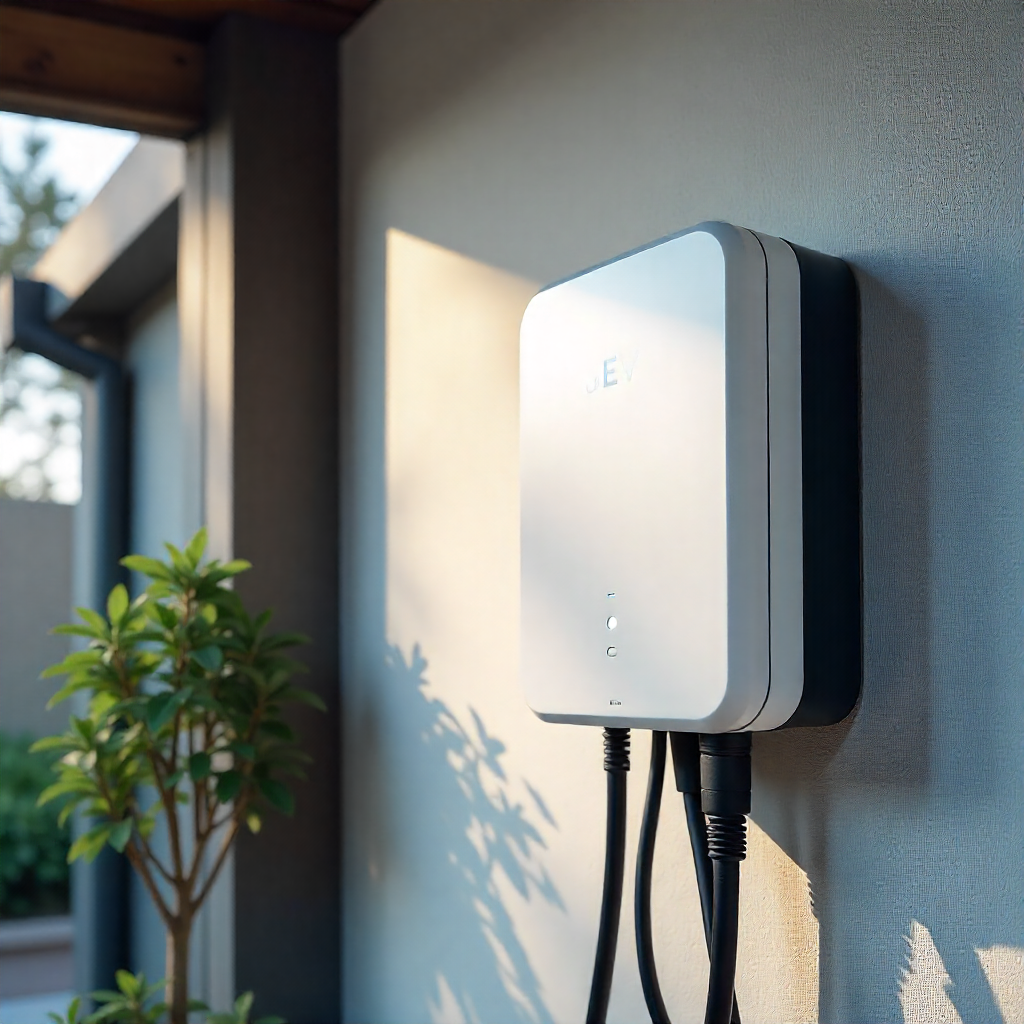
1. Saves Hours of Charging Time
Fast chargers add up to 80 miles of range per hour.
2. Future-Proof for Newer EVs
EVs are getting bigger batteries. Faster chargers ensure compatibility.
3. More Energy-Efficient
Higher-speed chargers often use energy more efficiently.
4. Smart Charging Saves Money
Most fast chargers allow:
- Off-peak scheduling
- Solar integration
- Load balancing
5. Increases Home Value
Homes with Level 2 chargers sell faster and at higher prices.
Drawbacks of the Fastest Home EV Chargers
1. Higher Installation Cost
More power requires more wiring + permits.
2. Not All EVs Support Highest Speeds
Your EV may limit charging below the charger’s capacity.
3. Requires Strong Electrical Panel
Older homes may need panel upgrades.
How to Choose the Fastest Home EV Charger for Your Needs
Use this simple checklist:
Does your EV support 48A or higher AC charging?
Check your car manual.
Do you have a 200A panel?
Essential for faster chargers.
Do you need smart features?
Apps, scheduling, Wi-Fi control.
Indoors or outdoors?
Choose the right NEMA rating.
What’s your budget?
Premium chargers offer better speed + durability.
Future Trends: What’s Coming Next for Fast Home Charging?
By 2026–2030, expect:
- More 80A home chargers
- Widespread NACS connector adoption
- AI-optimized charging efficiency
- Smart grid energy sharing
- Solar-integrated home charging systems
Fast charging is only getting faster.
Conclusion
Choosing the fastest home EV charger is one of the best investments you can make as an EV owner in 2025. With powerful 48A–80A options, smart energy-saving features, and advanced safety certifications, today’s chargers allow you to charge your EV faster, more efficiently, and more conveniently than ever before.
Whether you’re looking for the absolute fastest home EV charger, the best smart charger, or the most durable option, knowing your electrical capacity, EV limits, and feature requirements ensures you make the right choice.
Fast charging at home isn’t just a luxury — it’s the future of EV ownership.
FAQs
1. What is the fastest home EV charger available in 2025?
The fastest home EV charger currently is an 80A Level 2 charger, delivering up to 19.2 kW, depending on your EV’s capabilities.
2. Are 80A home EV chargers safe?
Yes, as long as they are UL-certified and professionally installed with proper wiring and breaker size.
3. Is a 48A charger fast enough for daily home charging?
Absolutely. A 48A charger provides 11.5 kW, adding up to 40–50 miles per hour, which is more than enough for most EV owners.
4. Do I need a 200A electrical panel for the fastest home EV charger?
Most 48A–80A chargers require a 200A panel. Older homes may need panel upgrades.
5. Does every EV support 80A charging?
No. Many EVs limit AC charging to 7.2 kW or 11.5 kW. Always check your vehicle’s onboard charger specs.
6. Can the fastest home EV chargers work with solar power?
Yes. Chargers like Emporia, Wallbox, and JuiceBox integrate well with solar systems.
7. What is the difference between Level 2 home charging and DC fast charging?
Level 2 (home) uses AC power and is slower. DC fast chargers use high-power DC and are installed only at commercial sites, not homes.