
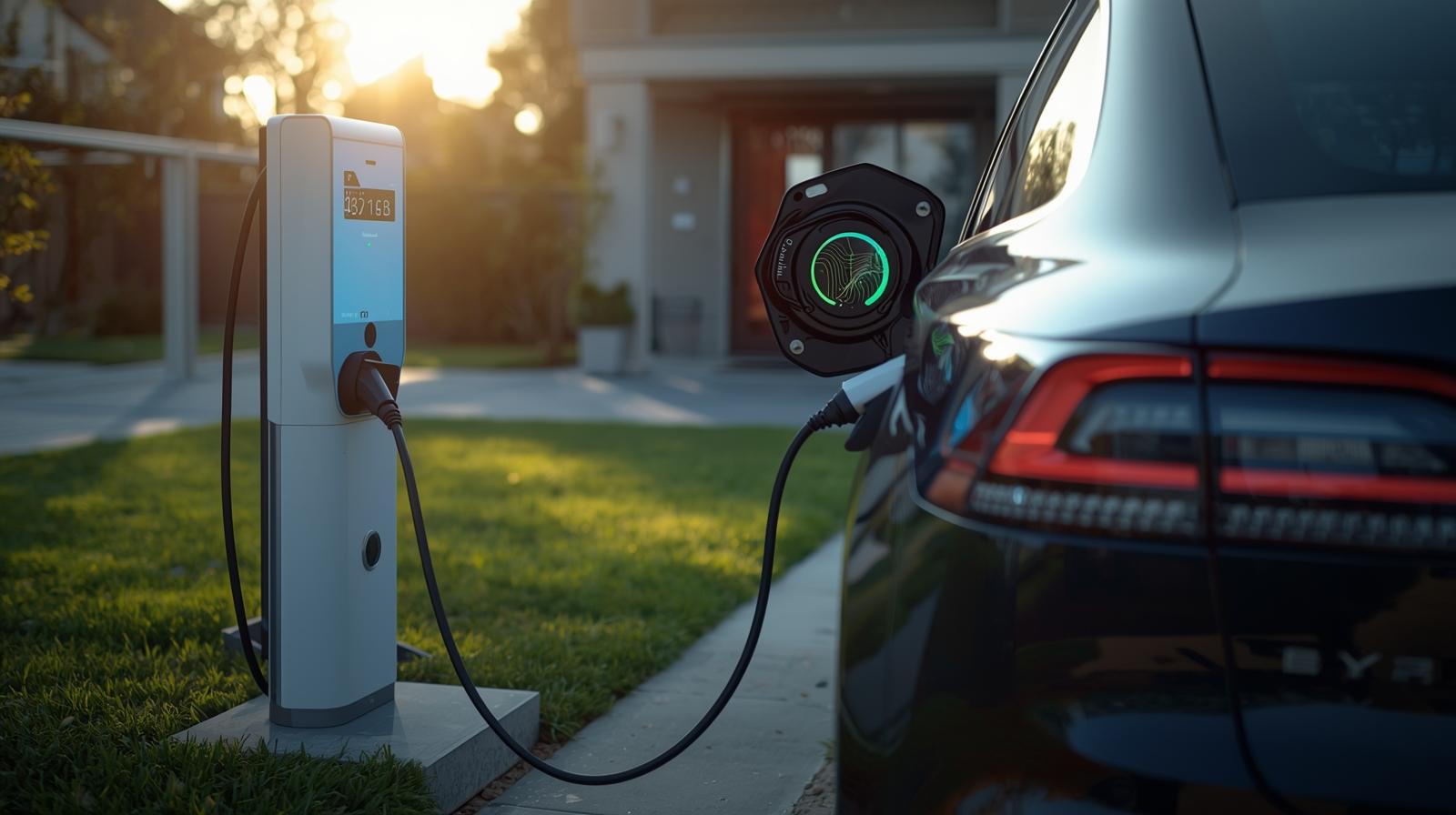
As electric vehicles (EVs) become more common, the demand for efficient and intelligent charging solutions is growing fast. One of the most important innovations in this space is smart charging. Many EV owners ask a simple but important question: how does smart charging work, and why is it becoming the future of EV charging?
Smart charging works by using connected technology to control when and how an electric vehicle charges. Instead of charging immediately at full power, the system analyzes electricity prices, grid demand, and battery status to choose the most efficient charging time and speed. This helps reduce energy costs, protect battery health, and support grid stability. Overall, smart charging makes EV charging more efficient, reliable, and environmentally friendly.
Smart charging goes beyond basic plug-and-charge. It uses technology, data, and automation to make charging cheaper, safer, and better for both the driver and the power grid.
What Is Smart Charging?
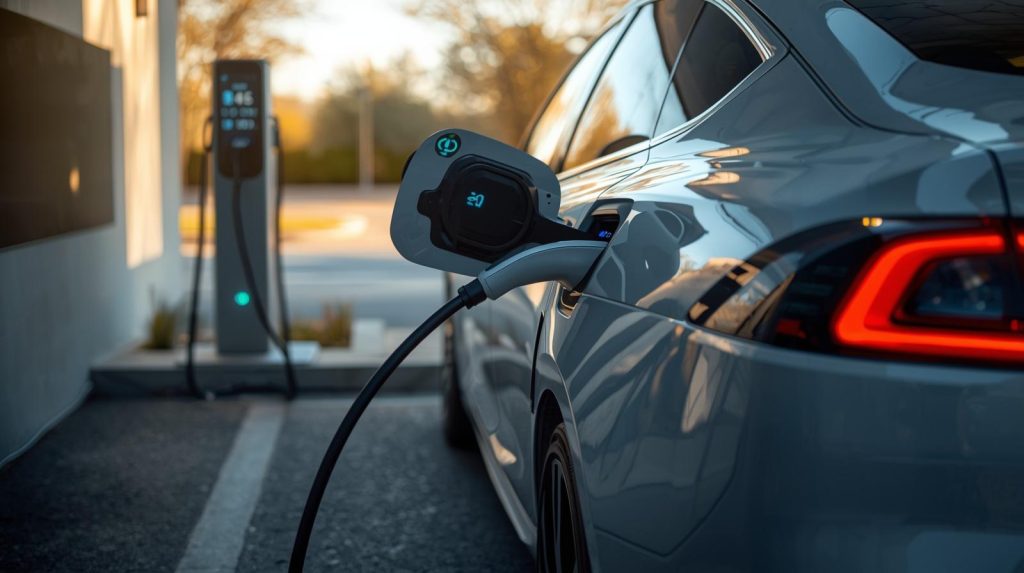
Before understanding how smart charging works, it’s important to know what smart charging actually means.
What Is Smart Charging? It is an intelligent EV charging approach that uses software, connectivity, and real-time data to manage when and how an electric vehicle charges. Instead of charging immediately at full power, smart charging adjusts charging times and speeds based on electricity prices, grid demand, and battery condition. This helps reduce energy costs, protect battery life, and support a more reliable power grid, making smart charging a more efficient and sustainable way to charge electric vehicles.
Smart charging is a system that controls when, how fast, and how much an electric vehicle charges by using software, connectivity, and real-time data. Unlike traditional charging, which starts immediately at full power, smart charging adapts to conditions such as electricity prices, grid demand, and battery status.
How Does Smart Charging Work?
At its core, smart charging works through communication between three key components:
- The electric vehicle
- The charging station
- The electricity grid or energy management system
These components exchange data to make intelligent charging decisions.
Step-by-Step Explanation
To clearly understand how does smart charging works, here is a simple breakdown:
- You plug your EV into a smart charger
- The charger connects to software via the internet
- The system checks electricity prices, grid demand, and your preferences
- Charging is scheduled or adjusted automatically
- The EV charges at the most efficient time and speed
This process happens seamlessly in the background without manual effort.
Key Technologies Behind Smart Charging
1. Internet Connectivity
Smart chargers use Wi-Fi, cellular networks, or Ethernet to communicate with apps and grid systems.
2. Charging Management Software
This software analyzes data such as energy prices, demand levels, and battery status to optimize charging.
3. Sensors and Monitoring
Sensors track temperature, voltage, current flow, and charging progress to ensure safety and efficiency.
These technologies explain how smart charging works reliably and securely.
Role of Electricity Pricing in Smart Charging
One of the biggest advantages of smart charging is cost optimization.
Smart charging systems:
- Detect off-peak electricity hours
- Automatically delay charging until prices drop
- Reduce energy costs for EV owners
This is a key reason many people want to understand how smart charging works in real-world use.
How Smart Charging Works With the Power Grid
As more EVs connect to the grid, uncontrolled charging can overload power systems. Smart charging solves this problem.
Grid Load Balancing
Smart charging slows down or pauses charging during peak demand periods to prevent grid stress.
Demand Response
Utilities can send signals to reduce or shift charging when electricity demand is high.
This grid interaction is a major part of how smart charging works on a large scale.
Smart Charging and Battery Management
Smart charging also protects EV batteries.
It works by:
- Avoiding unnecessary fast charging
- Reducing heat buildup
- Charging at optimal power levels
By managing charging speed intelligently, smart charging extends battery life and improves long-term performance.
How Smart Charging Works at Home
Home smart charging is one of the most common use cases.
At home, smart charging can:
- Charge overnight during off-peak hours
- Integrate with solar panels
- Coordinate with home energy storage systems
Many EV owners install smart chargers specifically to take advantage of these benefits.
How Smart Charging Works in Public Charging Stations
Public smart charging focuses on efficiency and fairness.
It helps by:
- Managing multiple vehicles at one station
- Reducing wait times
- Distributing available power evenly
This ensures more drivers can charge reliably, even during busy periods.
Smart Charging vs Traditional Charging
Traditional charging:
- Starts immediately when plugged in
- Ignores electricity prices
- Does not communicate with the grid
Smart charging:
- Adjusts charging times automatically
- Optimizes energy use
- Supports grid stability
The difference clearly shows why understanding how smart charging works is important for modern EV users.
Is Smart Charging Safe?
Yes, smart charging systems are designed with safety as a top priority.
They include:
- Automatic shutoff during faults
- Overheating protection
- Secure data communication
- Continuous system monitoring
These features make smart charging safe for both home and public use.
Who Benefits Most From Smart Charging?
Smart charging is ideal for:
- Daily EV commuters
- Homeowners with time-of-use electricity plans
- Apartment complexes
- Businesses and fleet operators
- Environmentally conscious drivers
As EV adoption grows, smart charging will become standard rather than optional.
Expert Insight on Smart Charging
Energy experts agree that smart charging is essential for the future of electric mobility. It enables millions of EVs to charge without overwhelming infrastructure while keeping costs low for consumers. Governments, utilities, and automakers continue to invest heavily in smart charging technologies.
Final Thoughts
So, how does smart charging work? It works by using technology and data to charge electric vehicles in the smartest way possible—saving money, protecting batteries, and supporting the power grid.
Smart charging is not just a convenience; it’s a necessity for the future of electric transportation. As charging infrastructure evolves, smart charging will play a central role in making EV ownership efficient, reliable, and sustainable.
Frequently Asked Questions (FAQs)
1. How does smart charging work for electric vehicles?
Smart charging works by allowing the electric vehicle, charging station, and power grid to communicate with each other. The system adjusts charging time and speed based on electricity prices, grid demand, and battery condition.
2. What is the main purpose of smart charging?
The main purpose of smart charging is to reduce electricity costs, protect EV battery health, and prevent overload on the power grid by charging during optimal times.
3. How does smart charging work with off-peak electricity?
Smart charging detects off-peak hours and automatically schedules charging when electricity demand and prices are lower, helping EV owners save money.
4. Is smart charging safe for EV batteries?
Yes, smart charging is safe and beneficial for EV batteries. It manages charging speed, reduces heat buildup, and avoids unnecessary fast charging, which improves battery lifespan.
5. Can smart charging work at home?
Yes, smart charging works very well at home. Home smart chargers allow drivers to schedule charging, monitor energy use, and integrate with solar panels or home energy systems.
6. How does smart charging work at public charging stations?
At public stations, smart charging balances power between multiple vehicles, reduces wait times, and ensures fair and efficient energy distribution.
7. Does smart charging help the power grid?
Yes, smart charging helps stabilize the power grid by shifting EV charging away from peak demand hours and responding to utility signals when electricity demand is high.
8. Who should use smart charging technology?
Smart charging is ideal for daily EV drivers, homeowners with time-of-use plans, businesses, fleet operators, and anyone looking to charge more efficiently and affordably.