
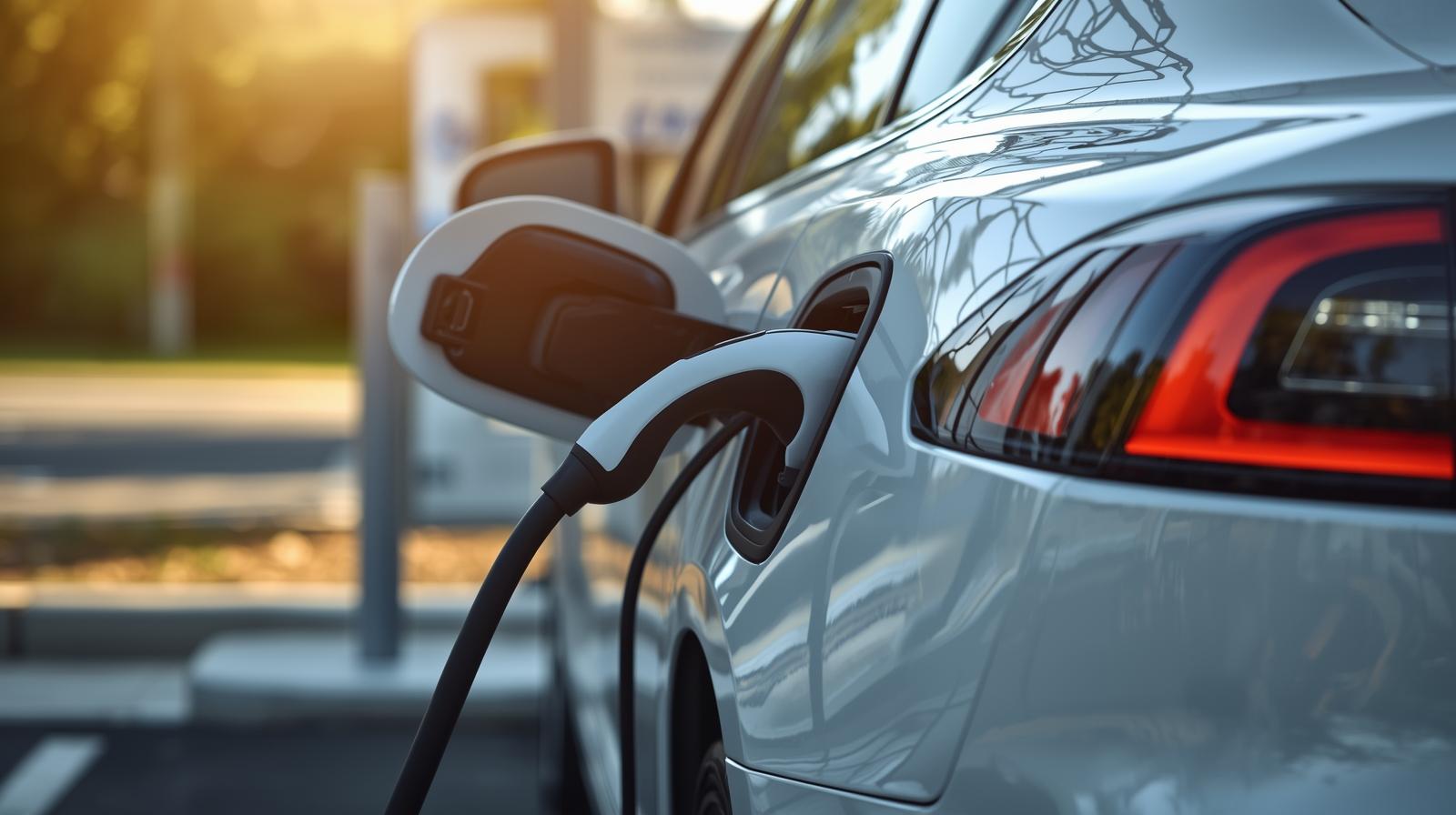
Public charging is an essential part of electric vehicle ownership, especially for drivers who travel long distances or don’t have access to home charging. If you’re new to EVs, you may wonder how to charge an electric car in public and what to expect at charging stations.
Charging an electric car in public is simple and convenient. First, locate a public EV charging station using a mobile app or your vehicle’s navigation system. Park in the designated charging spot, connect the charger to your car, and start the session using an app, RFID card, or contactless payment. The charging station and your EV will communicate automatically to ensure safe charging.
The good news is that public EV charging is straightforward, safe, and becoming easier every year. This guide explains everything you need to know—from finding stations to plugging in, paying, and charging efficiently.
Understanding Public EV Charging

Before learning how to charge an electric car in public, it’s important to understand the types of public charging stations available.
Level 2 Public Charging
Level 2 chargers are commonly found in:
- Shopping centers
- Parking garages
- Workplaces
- Hotels
They provide moderate charging speed and are ideal for topping up while you shop, work, or park for a few hours.
DC Fast Charging (Level 3)
DC fast chargers are designed for quick charging and are usually located along highways and major routes. They can add a significant range in a short time, making them perfect for road trips.
How to Find Public EV Charging Stations
One of the first steps in learning how to charge an electric car in public is knowing where to find chargers.
Ways to Locate Public Chargers
- Built-in EV navigation systems
- Mobile charging apps
- Online charging maps
- Shopping centers and parking facilities
Most tools show charger availability, connector types, and pricing, helping you plan your stops efficiently.
Step-by-Step: How to Charge an Electric Car in Public
Charging at a public station is simple once you know the process.
Step 1: Park Correctly
Park your EV in a designated charging spot and make sure the cable can reach your charging port.
Step 2: Check Charger Compatibility
Confirm the charger supports your vehicle’s connector type and charging level.
Step 3: Start the Charging Session
Public chargers usually require:
- A mobile app
- An RFID card
- A contactless payment method
Follow the on-screen instructions to begin charging.
Step 4: Plug In Your EV
Connect the charging cable to your vehicle. The charger and car will communicate to ensure safe power delivery.
Step 5: Monitor Charging
You can monitor charging progress on the station screen, mobile app, or your vehicle’s dashboard.
Step 6: End Charging and Unplug
Once charging is complete, stop the session, unplug the cable, and move your car to free up the space.
How Long Does Public EV Charging Take?
Charging time depends on:
- Charger type
- Battery size
- Current battery level
Level 2 chargers may take several hours, while DC fast chargers can provide a meaningful charge in under an hour.
Understanding these differences helps you decide how to charge an electric car in public more efficiently.
How Much Does It Cost to Charge an Electric Car in Public?
Public charging costs vary by location and provider. Pricing may be based on:
- Time spent charging
- Energy used
- Flat session fees
DC fast charging is generally more expensive than Level 2 charging, but it offers faster results.
Common Mistakes to Avoid When Charging in Public
When learning how to charge an electric car in public, avoid these common errors:
- Not checking charger compatibility
- Leaving the car plugged in longer than necessary
- Relying only on fast chargers
- Forgetting to bring charging apps or access cards
Advice for new owner: How to Charge an Electric Car in Public the Right Way
Experts recommend using public charging as a support system, not a replacement for home charging. For best results:
- Charge at home when possible
- Use public Level 2 chargers for convenience
- Reserve DC fast charging for travel
This approach saves money and helps maintain battery health.
Conclusion
Knowing how to charge an electric car in public removes much of the anxiety new EV owners experience. With clear steps, growing infrastructure, and improved technology, public EV charging is now easier than ever.
By understanding charger types, costs, and etiquette, you can confidently charge your electric car anywhere and enjoy the freedom of electric driving.
Frequently Asked Questions (FAQs)
1. How to charge an electric car in public for the first time?
To charge an electric car in public, park at a charging station, follow the on-screen instructions, connect the charger, and start the session using an app or payment method.
2. Do I need an app to charge an electric car in public?
Many public chargers require a mobile app or RFID card, but some also support contactless card payments.
3. How long does it take to charge an electric car at a public station?
Charging time depends on the charger type. Level 2 chargers may take a few hours, while DC fast chargers can add significant range in 30–60 minutes.
4. Is public EV charging safe?
Yes, public EV charging is safe. Charging stations have built-in safety features such as automatic shut-off and overheat protection.
5. How much does it cost to charge an electric car in public?
Public charging costs vary by provider and location. Prices may be based on time, energy used, or a flat fee, with fast charging usually costing more.
6. Can I leave my car plugged in after it’s fully charged?
It’s best to move your car once charging is complete to avoid extra fees and allow others to use the station.
7. Are all public chargers compatible with every EV?
No, not all chargers are compatible. Always check the connector type and charging level before starting a session.
8. When should I use public fast charging?
Public fast charging is ideal for long trips, emergencies, or when you need to recharge quickly while traveling.