
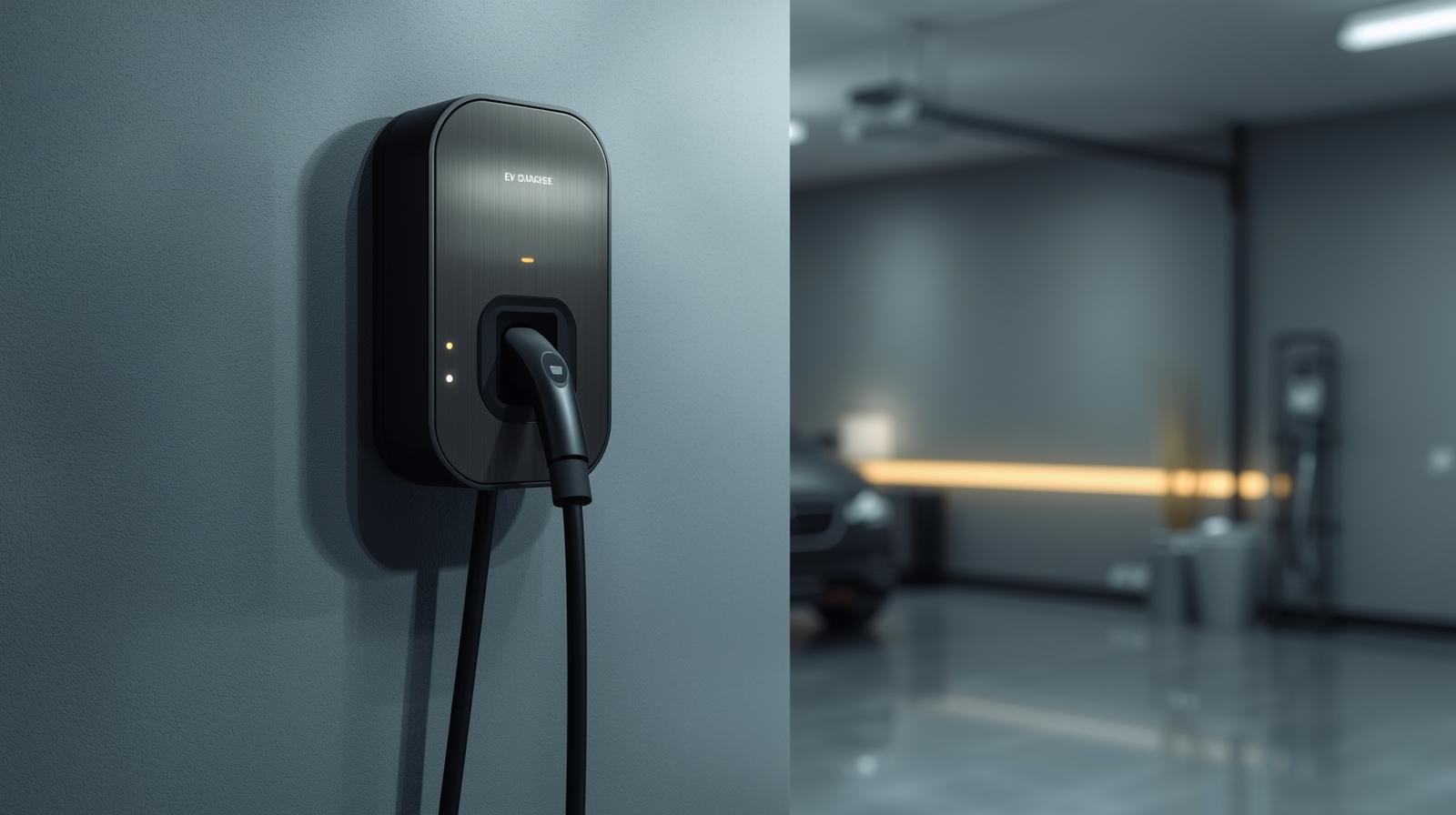
As electric vehicles (EVs) continue to gain popularity worldwide, more homeowners are looking for the most efficient way to charge their vehicles. Public charging stations are helpful, but nothing beats the convenience, reliability, and cost-effectiveness of charging your EV at home. However, to get the most out of your vehicle, you need to know how to choose the best home EV charger—a decision that directly affects charging speed, long-term savings, and overall EV ownership experience.
In this comprehensive guide, we will explain everything you need to consider before investing in an EV charger. From charger levels to connector types, installation requirements to smart features, this detailed breakdown will help you confidently understand How to Choose the Best Home EV Charger for your needs. Let’s get started.
Why Having a Home EV Charger Is Important
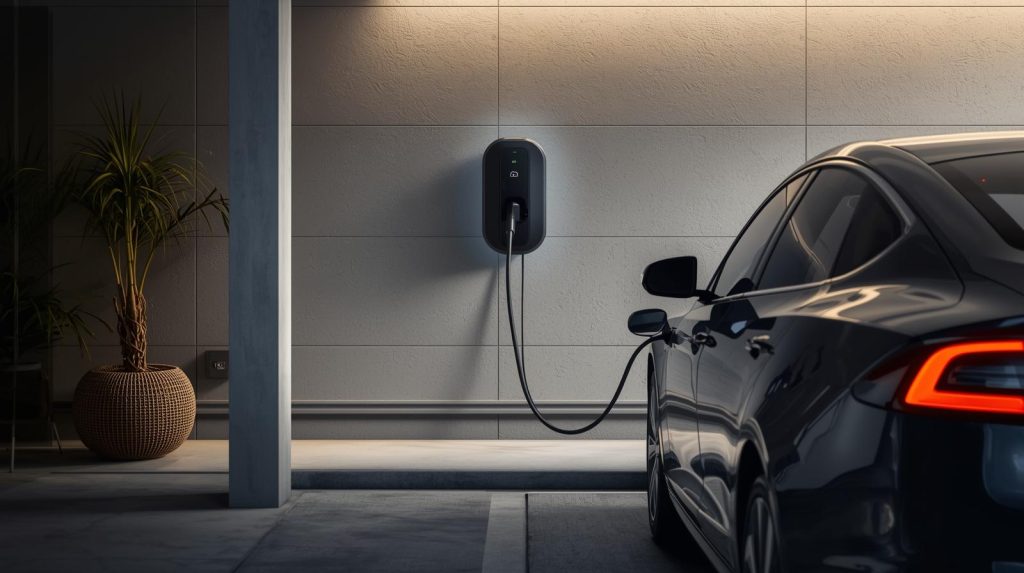
Before understanding How to Choose the Best Home EV Charger, it’s essential to know why home charging matters.
Convenience
You can plug in your vehicle at night and wake up with a full battery—no waiting in lines and no dependency on public chargers.
Cost Savings
Home charging is significantly cheaper compared to public DC fast chargers, especially for users who charge during off-peak hours.
Battery Health
Frequent DC fast charging may degrade the battery faster. Level 2 home charging is safer for long-term battery performance.
Consistency
Public chargers can be unavailable, broken, or overcrowded. A home charger ensures reliability.
Understanding the Types of Home EV Chargers
Before choosing the best option, you must understand the main charger types available for residential use.
Level 1 Chargers (Standard Plug-In)
- Uses a regular 120V household outlet
- Slow charging: 4–5 miles of range per hour
- Usually included with the EV
- Best for low-mileage drivers
Level 1 charging might work if you drive short distances daily, but it is not ideal for fast or convenient home charging.
Level 2 Chargers (Fast Home Charging)
- Requires a 240V circuit
- 4–10 times faster than Level 1
- Adds 20–50 miles of range per hour
- Requires professional installation
- Most recommended for home use
When figuring out How to Choose the Best Home EV Charger, Level 2 models are typically the best choice for most households due to their speed and efficiency.
Key Factors to Consider When Choosing the Best Home EV Charger
This section details the essential factors you must evaluate. These determine charging performance, long-term value, and compatibility with your vehicle.
Charging Speed (Amperage)
Charging speed depends on amperage (A). Typical options include:
| Amperage | Approx. Miles per Hour |
|---|---|
| 16A | 10–12 miles |
| 32A | 20–25 miles |
| 40A | 30–35 miles |
| 48A | 35–40 miles |
| 80A | 50+ miles |
For most households, 32A to 48A is ideal.
When deciding How to Choose the Best Home EV Charger, select a charger that your electrical panel can safely support.
Connector Type
In most regions, EV chargers use universal connectors, but there are exceptions.
J1772 Connector
Compatible with almost all EVs in North America except Tesla (which has its own connector but includes adapters).
CCS Connector
Used mostly for fast charging, not home chargers.
Tesla Connector
Used in Tesla chargers; other EVs can connect only with the right adapter.
Before purchasing, ensure the charger matches your vehicle’s charging port.
Smart Features and Connectivity
Smart home EV chargers offer advanced functionality:
Wi-Fi or Bluetooth Connectivity
Allows you to monitor and control charging through a mobile app.
Scheduling
You can schedule charging during off-peak electricity hours for cost savings.
Energy Monitoring
Tracks charging habits, cost per session, and overall energy consumption.
Load Balancing
Prevents electrical overload by adjusting charging speed automatically.
Voice Assistant Compatibility
Some chargers work with Alexa or Google Assistant for hands-free commands.
Smart features are crucial for homeowners focused on energy efficiency and long-term financial savings.
Cable Length and Durability
Cable length matters because a short cable may restrict charger placement.
Typical lengths: 16 ft, 20 ft, 25 ft
A 25-foot cable is recommended because it provides maximum flexibility.
Look for:
- Weather-resistant materials
- High-quality insulation
- Tangle-free design
Hardwired vs Plug-In Chargers
Plug-In Chargers
- Use a NEMA 14-50 outlet
- Portable and easy to replace
- Cheaper installation
Hardwired Chargers
- Permanently connected
- More durable
- Better for outdoor installations
- Required by some local codes
If you’re unsure How to Choose the Best Home EV Charger, plug-in models are preferred for flexibility, while hardwired units are recommended for long-term outdoor setups.
Indoor vs Outdoor Rating
Charger location significantly impacts its lifespan.
Look for:
- NEMA 3 or NEMA 4 rating
- Waterproof, dustproof enclosure
- UV-resistant material
Outdoor-rated chargers offer more versatility and durability.
Safety Certifications
Always choose chargers with safety certifications:
- UL Certification
- Energy Star Rating
- ETL-listed
These certifications ensure the charger meets electrical safety standards.
Installation Requirements
A proper installation ensures safety and optimal performance.
Installation considerations:
- Electrical panel capacity
- Need for a 240V dedicated circuit
- Distance between panel and charger
- Permits based on local regulations
A Level 2 home charger installation generally costs $300 to $1,200 depending on complexity.
Compatibility With Solar Power Systems
If you use solar panels, choose a charger that supports solar integration.
Advanced chargers can:
- Charge your EV using solar power
- Prioritize energy from the grid or solar
- Track solar-based charging in the app
This is a great option for eco-conscious homeowners.
Top Recommended Home EV Charger Brands
While this is not a product endorsement, here are well-known brands trusted by EV owners:
- ChargePoint Home Flex
- JuiceBox
- Wallbox Pulsar Plus
- Tesla Wall Connector
- Grizzl-E Classic
- Emporia Level 2 Charger
These brands have strong reputations for safety, performance, and smart features.
Steps to Choose the Best Home EV Charger
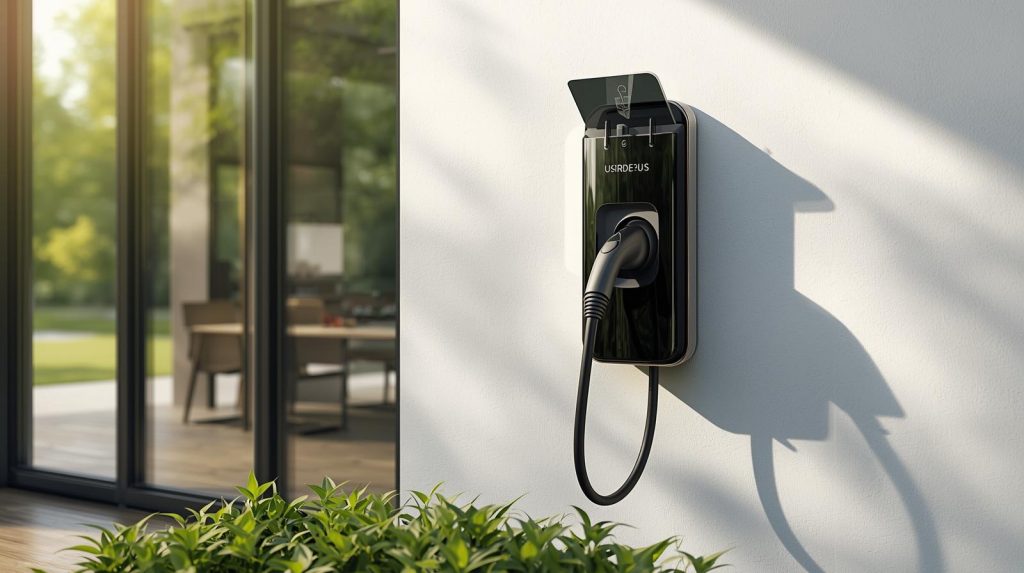
Below is a simple step-by-step process summarizing How to Choose the Best Home EV Charger:
Step 1: Check your EV’s charging capability
Different EVs accept different maximum power levels.
Step 2: Analyze your driving habits
More miles driven daily = need faster charging.
Step 3: Inspect your home’s electrical panel
Consult an electrician if you’re unsure.
Step 4: Choose between plug-in or hardwired
Step 5: Decide on smart vs. standard charger
Step 6: Pick the appropriate cable length
Step 7: Ensure outdoor compatibility (if needed)
Step 8: Check safety certifications
Step 9: Compare warranties and brand reputation
Cost Breakdown of Home EV Chargers
Here’s what you should expect to pay:
| Cost Category | Estimated Price |
|---|---|
| Level 2 Charger | $300 – $900 |
| Installation | $300 – $1,200 |
| Electrical Panel Upgrade (if needed) | $1,000 – $3,000 |
| Permits | $50 – $200 |
A typical homeowner spends around $700 – $1,500 total.
Common Mistakes to Avoid When Choosing an EV Charger
Many new EV owners make the following mistakes:
- Choosing a charger with insufficient amperage
- Buying a charger incompatible with their EV
- Ignoring smart features that save money
- Choosing a short cable
- Not considering future EV purchases
- Installing indoors when outdoor use is needed
Avoiding these mistakes ensures long-term satisfaction and convenience.
Final Verdict: How to Choose the Best Home EV Charger
Choosing the right charger improves your EV experience, enhances convenience, reduces charging time, and increases your home’s value. When deciding How to Choose the Best Home EV Charger, focus on:
- Charging speed
- Smart features
- Compatibility
- Safety
- Installation requirements
- Long-term reliability
Taking the time to select the right charger ensures your electric vehicle remains ready for every drive.
FAQs
1. What is the best type of home EV charger for daily use?
A Level 2 charger is ideal because it offers fast charging speeds and is compatible with most EVs.
2. Do I need an electrician to install a home EV charger?
Yes. Level 2 chargers require a 240V circuit and must be installed by a certified electrician.
3. How much does it cost to install a home EV charger?
Installation typically ranges from $300 to $1,200 depending on your home’s wiring and panel capacity.
4. What amperage is best for home EV charging?
32A to 48A chargers are best for most drivers, offering fast and efficient charging.
5. Are smart EV chargers worth it?
Yes. Smart chargers enable scheduling, remote monitoring, energy tracking, and cost-saving features.
6. Can I charge any EV with a home charger?
Yes, as long as the charger uses the correct connector (usually J1772 or a Tesla adapter).
7. Will a home EV charger increase my electricity bill?
Yes, but the cost is usually far less than fueling a gas vehicle, especially if charging during off-peak hours.