
In the rapidly evolving world of electric vehicles (EVs), charging speed has become just as critical as range, performance, and price. With advancements in battery technology, charging infrastructure, and vehicle architecture, the best fastest charging EV car in 2026 can go from near-empty to highway-ready in the time it takes to enjoy a coffee.
But what actually makes an electric vehicle one of the best fastest charging EV car options? Is it peak power? Charging curve? Battery cooling? And how do you choose the right fast-charging EV for your driving needs?
In this comprehensive guide, we’ll break down:
- What defines fast charging in an EV
- How charging technology has evolved
- The key factors that determine charging speed
- The best fastest charging EV cars in 2026
- Real-world charging performance
- Buying tips and what to watch out for
By the end of this article, you’ll know exactly which EVs deliver the quickest charge, how they compare, and which ones deserve the title of best fastest charging EV car in 2026.
What Does It Mean to Be the “Best Fastest Charging EV Car”?
When we talk about the best fastest charging EV car, we’re referring to electric vehicles that can recharge their batteries at the highest practical rates under real-world conditions — not just peak numbers on paper.
Characteristics of a best fastest charging EV car include:
- High peak DC fast-charging capability (measured in kW)
- A charging curve that sustains high power for as long as possible
- Efficient thermal management
- Compatibility with modern ultra-fast charging networks
- Strong real-world performance, not just lab figures
In other words, the best fastest charging EV car is not simply the one with the highest peak number, but the one that actually delivers fast charging efficiently, reliably, and safely in everyday use.
How EV Fast Charging Works
Electric cars store energy in lithium-ion batteries as direct current (DC), but the electric grid supplies alternating current (AC). To speed up charging, DC fast chargers bypass the vehicle’s onboard charger and feed DC power directly into the battery.
A Quick Charging Primer
AC Charging (Level 1 and Level 2):
- Best for overnight or home charging
- Typically 7–22 kW
- Not ideal for quick top-ups
DC Fast Charging (Level 3):
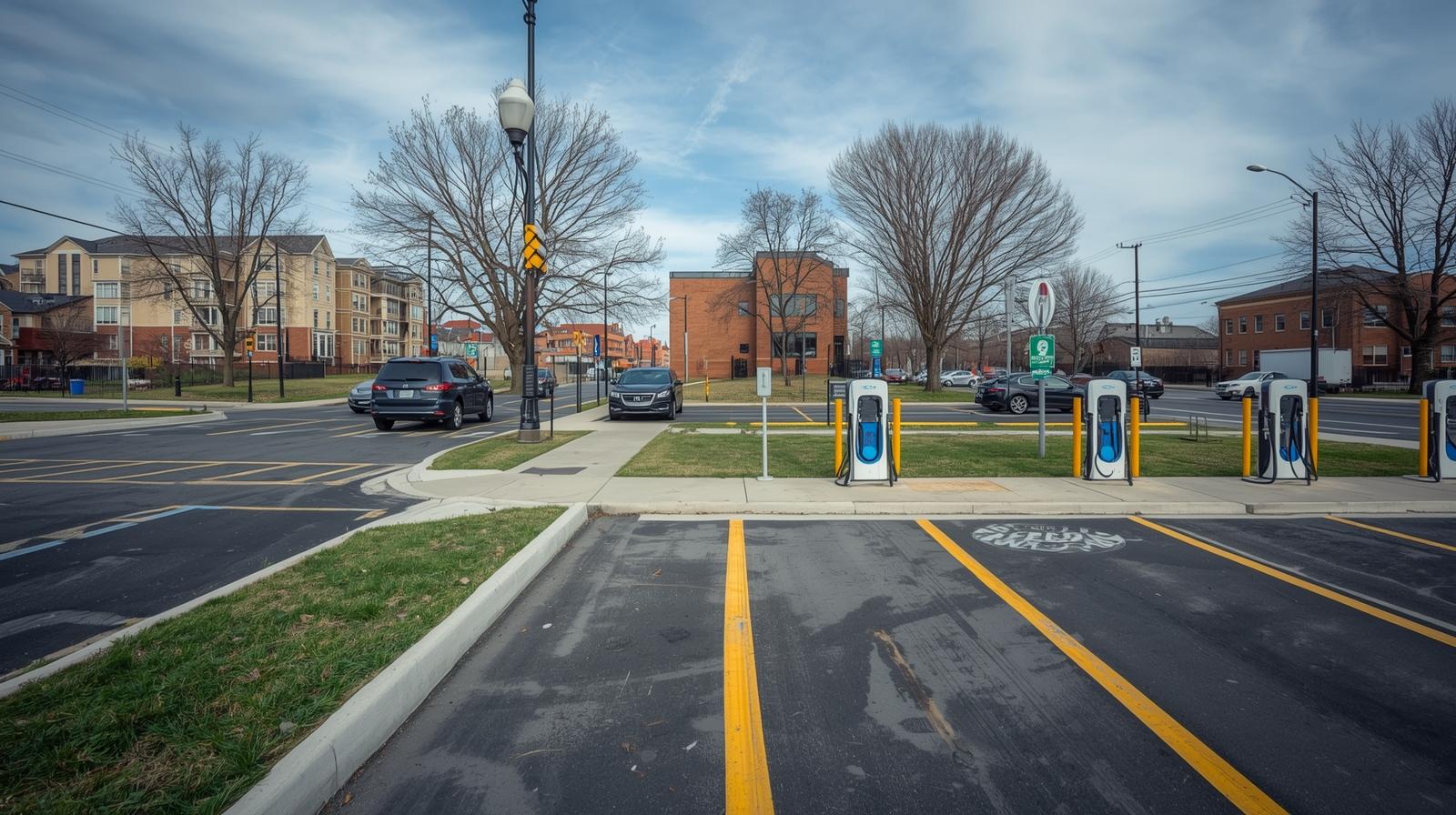
- Typically 50–350 kW+
- Adds significant range quickly
- Found at public and highway charging hubs
With advancements in battery chemistry, cooling, and electrical architecture, the best fastest charging EV car is now capable of adding 200+ miles of range in 15–20 minutes.
Key Factors That Influence EV Charging Speed
Understanding why some EVs charge faster than others is crucial for identifying the best fastest charging EV car.
Battery Voltage Architecture
EVs with high-voltage systems, especially 800-volt architecture, can accept more power with less heat, enabling faster charging. Examples of such cars include the Porsche Taycan and Hyundai Ioniq 5.
Standard 400-volt systems are more common and still fast, but they may not hit the peak charging rates that 800-volt systems can achieve.
Thermal Management
Heat is the enemy of fast charging. Batteries generate heat as they absorb high power. Great thermal management keeps temperatures optimal, allowing sustained high-speed charging without degradation or tapering.
Battery Chemistry and State of Charge
Different battery chemistries and how full the battery is affect how fast it can charge. For example:
- Charging is fastest between about 10%–60%
- After ~80%, the charging speed slows to protect battery longevity
Charging Curve
A charging curve shows how charging speed changes as the battery fills up. A flatter, sustained high-speed charging curve usually indicates a better charging experience than one that peaks high but drops off quickly.
Charging Standards and Connectors
In 2025, the following connectors and standards define where and how EVs charge:
CCS (Combined Charging System)
- The most widely adopted global standard
- Supports high-power DC fast charging
- Found on most non-Tesla EVs
Tesla NACS (North American Charging Standard)
- Tesla’s proprietary system
- Now being adopted by other automakers
- Offers access to Tesla Superchargers
CHAdeMO
- Older DC fast-charging standard
- Limited in peak power compared to CCS or NACS
- Becoming less common
A best fastest charging EV car supports high power via CCS or NACS for access to the newest ultra-fast networks.
Top EVs for Fast Charging in 2026
Here’s our expert-verified ranking of the fastest charging EVs available in 2026, including real-world charging capabilities.
Lucid Air
Peak DC Charging: Up to 350 kW+
Battery Architecture: 900+V
Charging Time (10%–80%): ~15 minutes
The Lucid Air is widely recognized as the best fastest charging EV car in 2026. With industry-leading architecture and thermal optimization, it can add hundreds of miles in minutes on compatible chargers.
Why It Excels
- Ultra-high voltage battery architecture
- Exceptional sustained charging performance
- Top tier overall EV experience
Porsche Taycan
Peak DC Charging: Up to 270 kW
Battery Architecture: 800V
Charging Time (10%–80%): ~18–22 minutes
The Porsche Taycan combines elite performance with ultra-fast charging. As one of the early adopters of 800-volt tech, it consistently ranks near the top in real-world charging speed tests.
Strengths
- Powerful peak charge
- Stable charging curve
- Excellent thermal control
Hyundai Ioniq 5
Peak DC Charging: Up to 235 kW
Battery Architecture: 800V
Charging Time (10%–80%): ~18–20 minutes
The Hyundai Ioniq 5 proves that ultra-fast charging is not limited to luxury EVs. It is among the most efficient mainstream EVs in terms of both range and charging speed.
What Makes It Great
- Excellent infrastructure compatibility
- Strong real-world speeds
- Competitive price for performance
Kia EV6
Peak DC Charging: Up to 233 kW
Battery Architecture: 800V
Charging Time (10%–80%): ~18–20 minutes
Closely related to the Ioniq 5, the Kia EV6 delivers similarly impressive charging performance with slightly sportier tuning and design.
Benefits
- Reliable fast charging
- Strong highway range
- Modern tech and comfort
Tesla Model Y & Model 3 (Latest Versions)
Peak DC Charging: Up to 250 kW
Battery Architecture: ~400V
Charging Time (10%–80%): ~20–30 minutes
Tesla continues to be a leader in fast charging not just because of wattage numbers, but because of its Supercharger network’s consistency and availability.
Why Tesla Still Matters
- Unsurpassed charging network
- Optimized charging software
- Excellent real-world uptime
Mercedes-Benz EQS
Peak DC Charging: ~200–220 kW
Battery Architecture: ~400–800V hybrid
Charging Time (10%–80%): ~25 minutes
The EQS doesn’t match the Lucid Air’s peak, but it’s one of the quickest luxury EVs with stable charging and high comfort.
BMW iX
Peak DC Charging: Up to 200 kW
Battery Architecture: ~400V
Charging Time (10%–80%): ~25 minutes
The BMW iX blends premium ride quality with decent fast-charging performance, making it a balanced contender.
Rivian R1T / R1S
Peak DC Charging: Up to 200–210 kW
Battery Architecture: ~400V
Charging Time (10%–80%): ~25–30 minutes
Off-road capability with solid fast charging performance makes Rivian a strong choice for adventure-oriented EV drivers.
Audi e-tron GT
Peak DC Charging: Up to 270 kW
Battery Architecture: 800V
Charging Time (10%–80%): ~20–25 minutes
The Audi e-tron GT combines performance heritage with high-speed charging, offering a luxury alternative with strong real-world charging behavior.
Real-World Charging Performance: What Matters Most
While peak kW numbers are useful, real-world charging speed depends on:
- Charging curve stability
- Battery temperature
- Charger availability
- State of charge (SOC)
- Ambient temperature
For example, a vehicle may hit 300 kW for 5 minutes but only average 180 kW over a 10%–80% session—meaning true real-world charging speed matters more than peak numbers.
Charging Curve Explained: Why Max Speed Isn’t Everything
A vehicle’s charging curve shows how fast it charges at different states of charge.
- Fastest rates: ~10–40%
- Slower rates: ~60–80%
- Slowest: 80–100% (to protect battery longevity)
A flat, sustained high power output is sometimes more valuable than a brief peak spike.
Battery Health and Fast Charging
Does fast charging damage batteries? Not necessarily.
Modern EVs are equipped with:
- Active cooling systems
- Battery management systems (BMS)
- Adaptive power throttling
These help maintain health while enabling frequent fast charging—especially when done responsibly.
Charging Infrastructure in 2026
To take advantage of a best fastest charging EV car, you need access to modern infrastructure.
Key Networks
- CCS Public Chargers
- Tesla Superchargers (NACS)
- Electrify America, EVgo, Ionity, ChargePoint
Network availability and peak power determine real-world fast-charging experiences.
Future of Ultra-Fast EV Charging
Even faster charging is already under development:
- 400–500 kW DC chargers
- Solid-state batteries
- Wired/wireless high-power charging
These advancements will continue pushing the boundaries of the best fastest charging EV car.
How to Choose Your Best Fastest Charging EV Car
When evaluating EVs, consider:
- Charging speed over full session (not just peak)
- Compatibility with high-power networks
- Battery capacity and architecture
- Thermal management
- Real-world range and efficiency
- Cost of ownership and charging infrastructure near you
Conclusion: Who Wins the Title of “Best Fastest Charging EV Car”?
In 2025, there’s no single absolute winner, but top contenders for the best fastest charging EV car include:
- Lucid Air – Best overall fast charging
- Porsche Taycan – Premium performance + fast charging
- Hyundai Ioniq 5 / Kia EV6 – Best mainstream fast charging
- Tesla Model 3/Y – Best network + optimized charging
- Audi e-tron GT – Best blend of luxury + speed
Fast charging is now mainstream—not a niche feature. The best fastest charging EV car in 2025 is one that fits your lifestyle, supports strong real-world performance, and keeps you on the road with minimal downtime.
Bonus: Quick Comparison Table
| EV Model | Peak DC Speed | 10-80% Time | Battery Architecture | Best For |
|---|---|---|---|---|
| Lucid Air | 350 kW | ~15 min | 900V+ | Ultimate fast charging |
| Porsche Taycan | 270 kW | ~18–22 min | 800V | Performance + charge |
| Hyundai Ioniq 5 | 235 kW | ~18–20 min | 800V | Affordable fast charging |
| Kia EV6 | 233 kW | ~18–20 min | 800V | Balanced performance |
| Tesla Model Y/3 | 250 kW | ~20–30 min | 400V | Best network |
| Audi e-tron GT | 270 kW | ~20–25 min | 800V | Luxury EV |
Frequently Asked Questions (FAQs)
1. What is the best fastest charging EV car in 2026?
The best fastest charging EV car in 2026 is the Lucid Air, thanks to its ultra-high-voltage battery system and ability to charge from 10% to 80% in about 15 minutes.
2. How fast can the fastest charging EVs charge?
The fastest charging EVs can accept up to 350 kW of DC fast-charging power, adding 200–300 miles of range in under 20 minutes.
3. What makes an EV charge faster than others?
Charging speed depends on battery voltage architecture, thermal management, charging curve, charger compatibility, and battery state of charge.
4. Do all EVs support ultra-fast DC charging?
No, only EVs designed with advanced battery systems—especially 800V or higher architectures—can fully utilize ultra-fast DC charging speeds.
5. Is fast charging safe for EV batteries?
Yes, modern EVs use advanced battery management and cooling systems to safely support fast charging without significant battery damage.
6. Does frequent fast charging reduce battery life?
Occasional fast charging has minimal impact, but frequent reliance on ultra-fast charging may slightly increase long-term battery degradation.
7. Which charging connectors support the fastest EV charging?
CCS and Tesla NACS connectors support the fastest charging speeds and are widely used by modern EVs.
8. How long does it take to charge the fastest EVs from 10% to 80%?
Most of the best fastest charging EV cars can charge from 10% to 80% in 15–25 minutes under ideal conditions.
9. Are home chargers as fast as public DC fast chargers?
No, home chargers are much slower and are designed for overnight charging, while DC fast chargers are meant for rapid charging.
10. Will EV charging speeds improve in the future?
Yes, future EVs are expected to support 400–500 kW charging with next-generation batteries and improved infrastructure.