
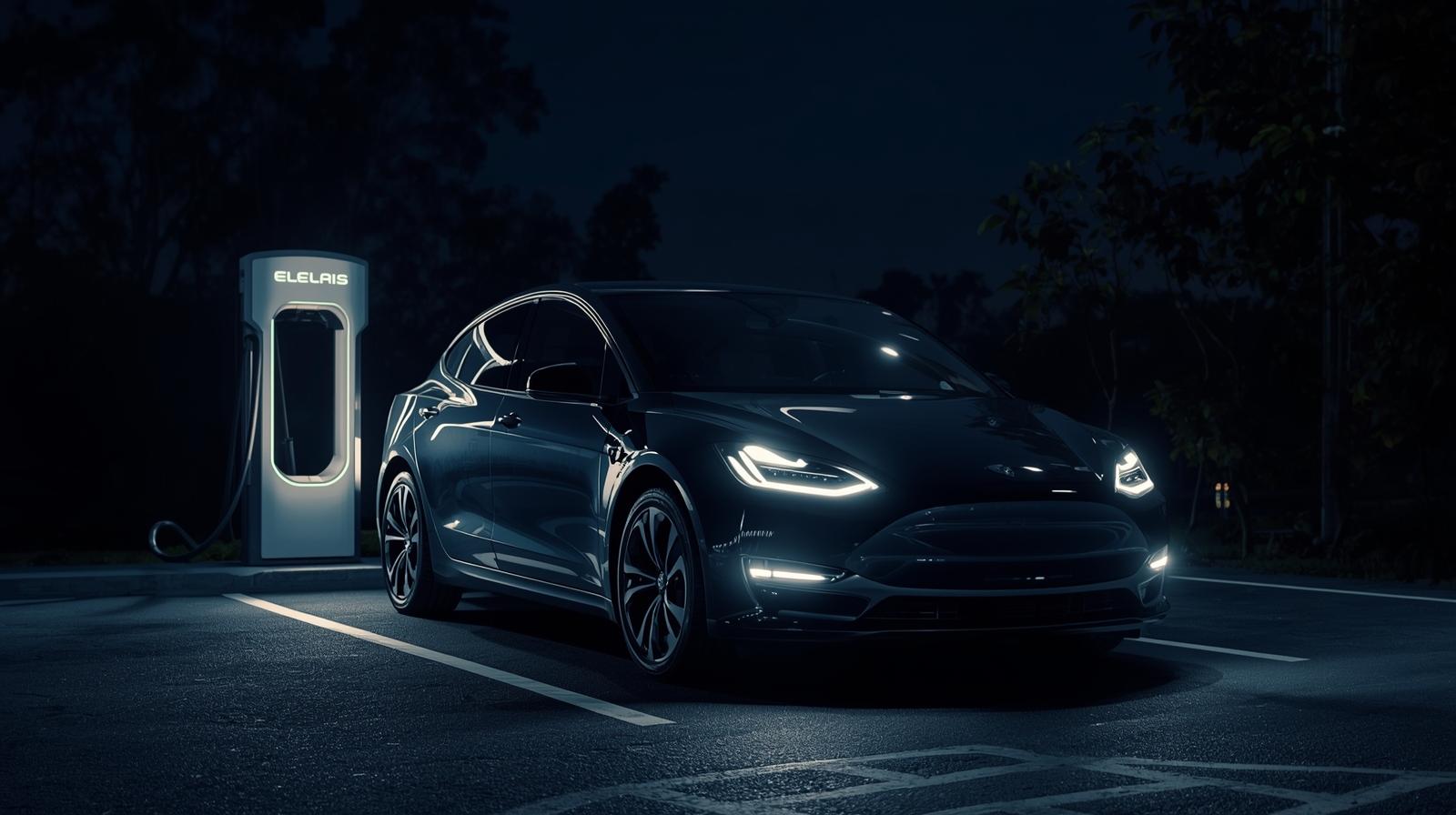
As electric vehicles become more common, many EV owners find themselves charging their cars during nighttime hours—either at home or at public charging stations. Night charging is convenient, often cheaper due to off-peak electricity rates, and fits easily into daily routines. However, safety is a common concern. This is where understanding the right Tips to Stay Safe While Charging an EV at Night becomes essential.
Modern EVs and charging stations are built with advanced safety systems, but personal awareness and smart habits still play a major role. This guide covers everything you need to know to ensure a safe, stress-free charging experience after dark.
Why People Charge EVs at Night
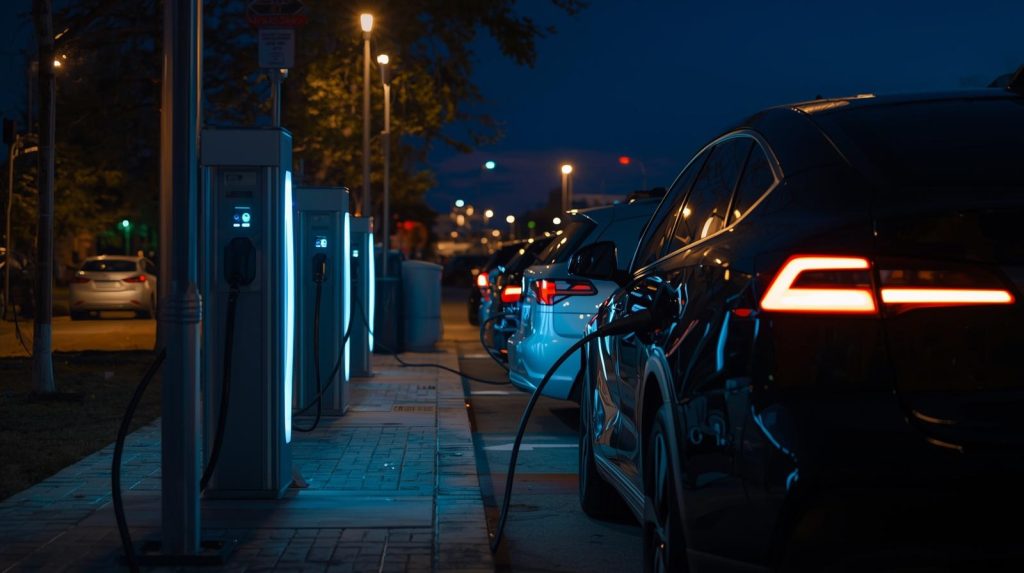
Nighttime charging is popular for several practical reasons:
- Lower electricity rates during off-peak hours
- Less congestion at public charging stations
- Convenience for overnight home charging
- Cooler temperatures, which can be better for battery health
Despite these advantages, charging at night can come with challenges like reduced visibility, weather conditions, and personal safety risks—especially at public locations.
Is It Safe to Charge an EV at Night?
Yes, charging an EV at night is generally safe when done correctly. EV chargers are designed with features such as automatic shut-off, insulation, ground-fault protection, and weather resistance. However, safety depends not only on technology but also on how and where you charge.
Following proven Tips to Stay Safe While Charging an EV at Night helps reduce risks related to electrical hazards, theft, and personal security.
Tips to Stay Safe While Charging an EV at Night
1. Choose Well-Lit Charging Locations
Always select charging stations that are clearly illuminated. Good lighting improves visibility, reduces the risk of tripping over cables, and discourages suspicious activity.
- Prefer stations in parking lots with overhead lights
- Avoid isolated or poorly lit areas
- If possible, charge near building entrances or staffed locations
This is one of the most important tips to stay safe while charging an EV at night, especially in unfamiliar areas.
2. Inspect the Charging Equipment Before Plugging In
Before connecting your EV, take a moment to inspect the charger:
- Look for frayed cables or cracked connectors
- Avoid chargers with exposed wires or broken parts
- Make sure the plug is dry and free from debris
Damaged equipment can pose electrical hazards, particularly at night when visibility is lower.
3. Stay Aware of Your Surroundings
Personal awareness is key when charging after dark:
- Avoid distractions like excessive phone use
- Be mindful of people or vehicles nearby
- Trust your instincts—if something feels unsafe, leave
Many experienced EV drivers consider situational awareness one of the most underrated tips to stay safe while charging an EV at night.
4. Lock Your Vehicle While Charging
Most EVs allow you to lock the doors while charging:
- Lock your car to prevent theft or tampering
- Ensure the charging cable locks into the vehicle
- Keep valuables out of sight
Locking your vehicle adds an extra layer of security, especially at public stations.
5. Use Reputable Charging Networks
Stick to well-known charging providers that follow safety standards and maintenance protocols. Reliable charging networks usually offer:
- Regular equipment inspections
- Customer support hotlines
- App-based monitoring and alerts
Using trusted networks is a smart tip to stay safe while charging an EV at night, particularly when traveling.
6. Be Cautious During Bad Weather
Rain, fog, or strong winds can reduce visibility and increase slip risks:
- Wear non-slip footwear
- Avoid standing in puddles near charging equipment
- Ensure connectors are properly seated
EV chargers are weather-resistant, but caution is still necessary for personal safety.
7. Keep Emergency Contacts Handy
Preparation adds peace of mind:
- Save emergency numbers on your phone
- Share your location with a trusted person if charging late
- Know the fastest exit route from the charging area
These steps enhance safety and confidence during nighttime charging.
8. Prefer Home Charging When Possible
Home charging is often the safest nighttime option:
- Controlled environment
- Familiar surroundings
- Reduced exposure to strangers
If you charge at home, ensure your outlet or wall charger is professionally installed and meets electrical safety standards.
Safety Features Built Into EV Charging Systems
Modern EV charging systems include advanced safety mechanisms such as:
- Automatic power shutoff if a fault is detected
- Ground-fault circuit interrupters (GFCIs)
- Insulated connectors and cables
- Secure communication between the car and charger
These features support safe charging, but following the right tips to stay safe while charging an EV at night makes the experience even safer.
Common Mistakes to Avoid When Charging at Night
Avoid these common errors:
- Charging in dark, isolated areas
- Ignoring damaged charging equipment
- Leaving your vehicle unlocked
- Standing too close to cables in wet conditions
Being proactive helps prevent avoidable incidents.
Expert Insight on Night EV Charging Safety
Industry experts agree that EV charging is statistically safer than fueling traditional gasoline vehicles. According to EV safety standards and manufacturer guidelines, charging at night does not increase electrical risk when proper equipment is used. Experience, awareness, and adherence to best practices play a crucial role in maintaining safety.
Conclusion
Charging your electric vehicle at night can be safe, convenient, and efficient when done responsibly. By following these practical Tips to Stay Safe While Charging an EV at Night, you protect yourself, your vehicle, and your peace of mind. With modern charging technology and a little awareness, nighttime EV charging can be a smooth and worry-free part of your routine.
Frequently Asked Questions (FAQs)
1. Is it safe to charge an EV at night?
Yes, it is generally safe to charge an EV at night. Modern electric vehicles and charging stations are equipped with advanced safety features such as automatic shutoff, insulation, and fault detection. Following proper tips to stay safe while charging an EV at night further reduces risks.
2. What is the safest place to charge an EV at night?
The safest places include home charging setups and well-lit public charging stations located in busy areas. Choosing reputable charging networks and avoiding isolated locations improves nighttime safety.
3. Can weather affect EV charging safety at night?
Bad weather like rain or fog does not usually impact EV charging safety, as chargers are weather-resistant. However, drivers should ensure connectors are dry and avoid standing in water while charging at night.
4. Should I stay inside my car while charging at night?
Yes, it is safe to sit inside your EV while charging. Most vehicles allow doors to remain locked during charging, which adds an extra layer of personal safety at night.
5. What should I do if a charging station looks damaged?
Do not use damaged charging equipment. Report the issue through the charging network’s app or customer support and choose another station to ensure safe nighttime charging.
6. Are public EV charging stations monitored at night?
Many public EV charging stations are monitored with security cameras, lighting, and remote monitoring systems. Reputable charging networks prioritize user safety at all hours.
7. Does night charging harm the EV battery?
No, night charging does not harm the battery. In fact, cooler nighttime temperatures and slower charging speeds can help maintain long-term battery health.
8. How can I improve personal safety while charging an EV at night?
Stay alert, charge in well-lit areas, lock your vehicle, limit distractions, and trust your instincts. These are essential tips to stay safe while charging an EV at night.