
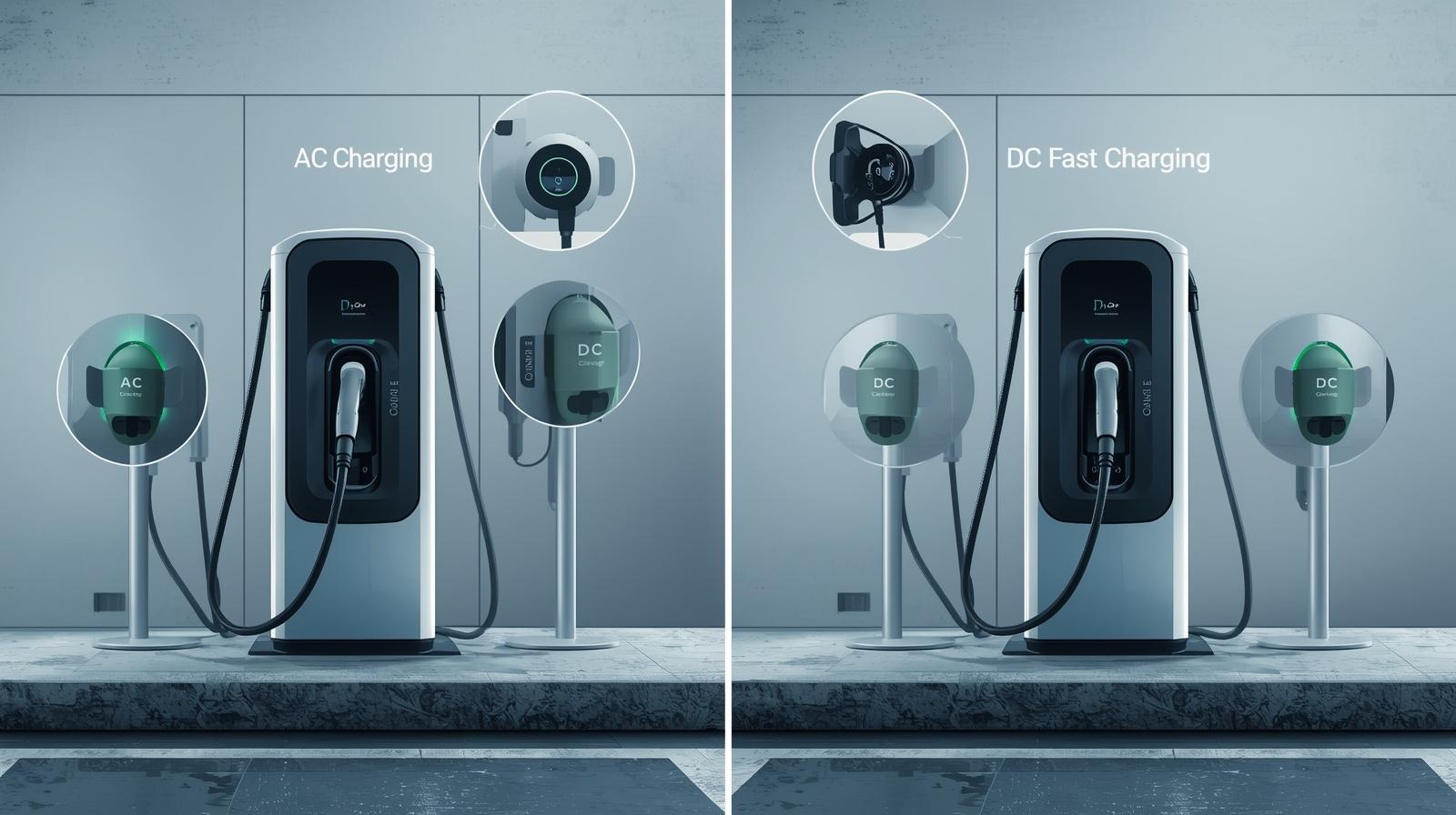
Electric vehicles (EVs) are changing the way we think about transportation. But one of the most important aspects of owning an EV is understanding how it charges. Many new EV owners often ask: What’s the difference between AC charging and DC charging? And more importantly, which one is better?
In this complete guide to understanding AC charging and DC charging for EVs, we’ll break down how both systems work, their advantages and disadvantages, their impact on battery health, and when to use each one. By the end of this article, you’ll have a clear understanding of how to charge your EV efficiently and safely.
Why Understanding AC Charging and DC Charging for EVs Is Important
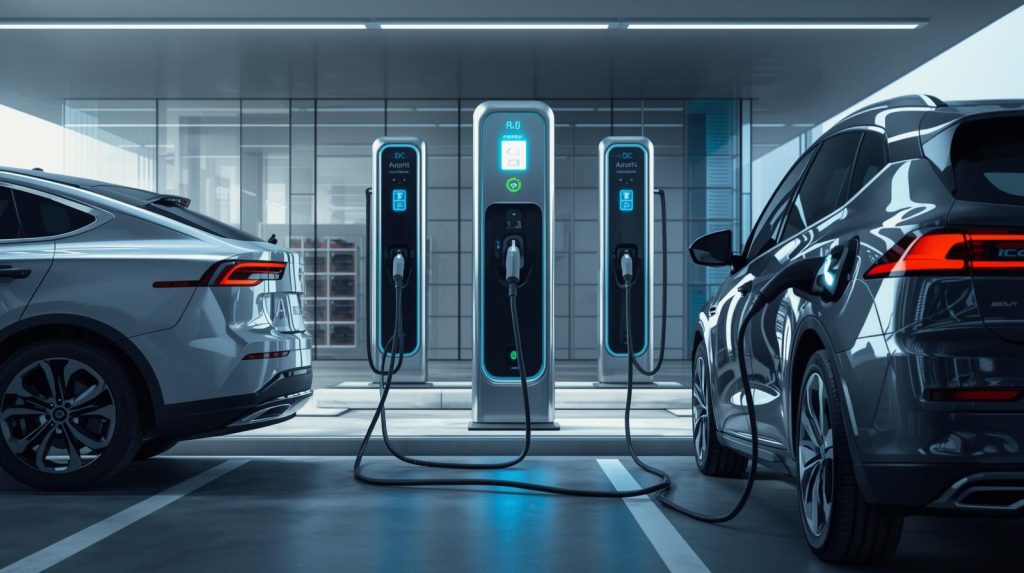
Before diving into technical details, it’s important to understand why this topic matters.
The type of charging you use affects:
- Charging speed
- Battery lifespan
- Electricity cost
- Convenience
- Long-term vehicle performance
As EV adoption grows—driven by manufacturers like Tesla, Nissan, BMW, and Hyundai—knowing the difference between AC and DC charging becomes essential for every EV owner.
What Is AC Charging for EVs?
AC stands for Alternating Current. This is the type of electricity that comes from your home power outlets and most commercial buildings.
How AC Charging Works
When you plug your EV into an AC charger:
- The electricity flows from the grid to your vehicle as AC power.
- The vehicle’s onboard charger converts AC into DC.
- The battery stores the energy as DC power.
EV batteries can only store DC electricity, so conversion is always required when using AC charging.
Types of AC Charging
AC charging typically includes:
- Level 1 Charging (standard household outlet)
- Level 2 Charging (dedicated home or workplace charger)
Level 1 AC Charging
- Uses 120V outlet (in some regions)
- Very slow charging
- Adds about 3–5 miles of range per hour
Level 2 AC Charging
- Uses 240V outlet
- Much faster than Level 1
- Adds 15–40 miles of range per hour
For most drivers, Level 2 AC charging is the most practical daily charging solution.
Advantages of AC Charging
Understanding AC charging and DC charging for EVs begins with knowing their benefits.
1. Cost-Effective
AC charging at home is usually cheaper than public DC fast charging.
2. Better for Battery Health
AC charging is slower, which generates less heat and reduces long-term battery stress.
3. Ideal for Overnight Charging
Most EV owners charge overnight, making AC charging convenient and efficient.
4. Easier Installation
Home AC chargers are simpler and less expensive to install compared to DC fast chargers.
Disadvantages of AC Charging
- Slower charging speed
- Not ideal for long road trips
- Limited power output compared to DC charging
What Is DC Charging for EVs?
DC stands for Direct Current. Unlike AC charging, DC fast chargers convert electricity from AC to DC before delivering it to the vehicle.
How DC Charging Works
- Electricity from the grid is converted to DC inside the charging station.
- DC power flows directly into the EV battery.
- The vehicle’s onboard charger is bypassed.
Because conversion happens externally, DC charging is much faster.
What Is DC Fast Charging?
DC charging is often called DC fast charging or Level 3 charging.
It can:
- Charge an EV to 80% in 20–60 minutes
- Deliver high power (50 kW to 350 kW depending on station)
- Provide rapid top-ups during long trips
Advantages of DC Charging
1. Extremely Fast Charging
Ideal for highway travel and emergencies.
2. Convenient for Long-Distance Travel
Reduces waiting time during road trips.
3. High-Power Capability
Supports large battery packs efficiently.
Disadvantages of DC Charging
1. Higher Cost
Public DC charging is more expensive per kWh.
2. Increased Battery Heat
Frequent fast charging may slightly accelerate battery degradation over time.
3. Infrastructure Cost
DC fast charging stations are expensive to install and maintain.
Key Differences Between AC and DC Charging
To fully understand AC charging and DC charging for EVs, let’s compare them directly:
| Feature | AC Charging | DC Charging |
|---|---|---|
| Power Type | Alternating Current | Direct Current |
| Conversion Location | Inside the vehicle | Inside the charging station |
| Charging Speed | Slow to Moderate | Very Fast |
| Cost | Lower | Higher |
| Best For | Daily home charging | Road trips & quick top-ups |
| Battery Impact | Lower stress | Slightly higher stress if frequent |
Which Is Better: AC or DC Charging?
There is no universal “better” option. The right choice depends on your needs.
Choose AC Charging If:
- You charge at home overnight
- You want lower electricity costs
- You prioritize battery longevity
- Your daily commute is short
Choose DC Charging If:
- You’re traveling long distances
- You need a fast recharge
- You don’t have access to home charging
For most EV owners, a combination of both provides the best results.
Impact on EV Battery Health
Understanding AC charging and DC charging for EVs also involves battery health considerations.
EV batteries are typically lithium-ion, and they are sensitive to:
- Heat
- High charging speeds
- Frequent 0–100% cycles
AC charging produces less heat because it’s slower. DC fast charging generates more heat due to higher power levels.
However, modern EVs include advanced battery management systems (BMS) that regulate temperature and protect battery cells.
Occasional DC fast charging is completely safe. Over-reliance on fast charging may lead to slightly faster long-term capacity loss.
Cost Comparison: AC vs DC Charging
Home AC Charging
- Lower electricity rates
- Potential off-peak pricing savings
- Minimal additional fees
Public DC Charging
- Higher per kWh rates
- Possible idle fees
- Convenience pricing
If cost savings matter most, AC charging is generally more economical.
Smart Charging Integration
Modern AC chargers often support smart charging features:
- Scheduled charging
- Off-peak optimization
- Renewable energy integration
- Energy monitoring
Smart charging works especially well with AC home charging, making it even more efficient.
Environmental Considerations
Charging during off-peak hours or when renewable energy production is high reduces overall emissions.
AC charging at home can be paired with rooftop solar systems, making EV charging even greener.
DC fast charging stations may rely more heavily on grid power, depending on location and energy sources.
The Future of AC and DC Charging
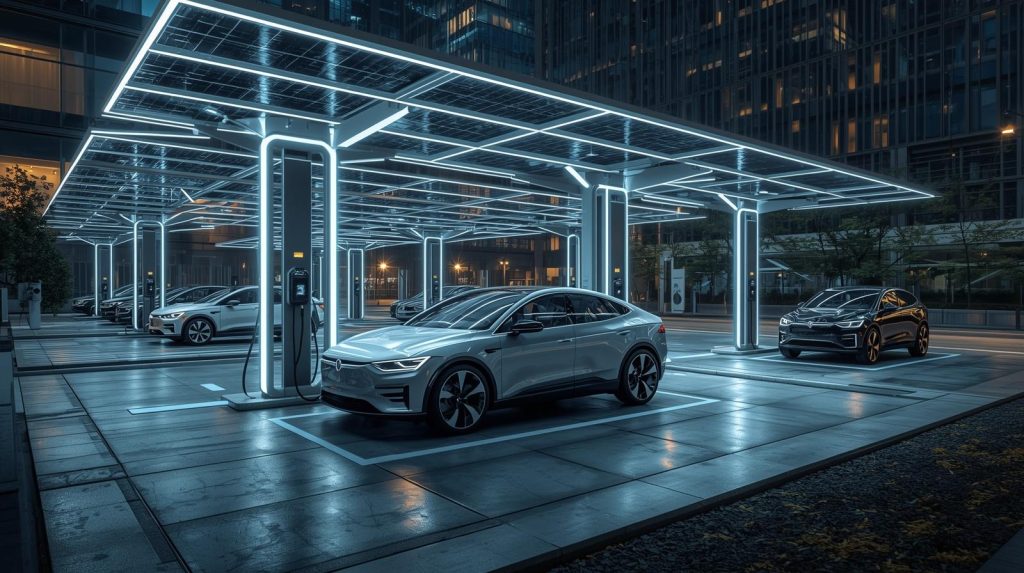
As EV technology advances, we can expect:
- Faster DC charging speeds
- More efficient onboard AC chargers
- Improved battery chemistry
- Wider charging infrastructure
Automakers and governments worldwide are investing heavily in expanding both AC and DC charging networks.
Conclusion: Understanding AC Charging and DC Charging for EVs
To summarize:
- AC charging is slower, cost-effective, and ideal for daily home use.
- DC charging is fast, convenient for travel, and suitable for quick top-ups.
Understanding AC charging and DC charging for EVs helps you make informed decisions that protect your battery, save money, and improve your overall EV ownership experience.
The best strategy for most drivers is simple:
Use AC charging regularly at home and rely on DC fast charging when necessary.
By balancing both methods wisely, you ensure long-term battery health, lower costs, and maximum convenience.
FAQs: Understanding AC Charging and DC Charging for EVs
1. What is the main difference between AC charging and DC charging for EVs?
The main difference is where the electricity is converted. In AC charging, the vehicle’s onboard charger converts AC to DC. In DC charging, the conversion happens inside the charging station, allowing much faster charging.
2. Which is faster: AC charging or DC charging?
DC charging is significantly faster. It can charge an EV up to 80% in 20–60 minutes, while AC charging typically takes several hours, depending on power level and battery size.
3. Is AC charging better for battery health?
Generally, yes. AC charging is slower and generates less heat, which can help reduce battery stress and support long-term battery lifespan.
4. When should I use DC fast charging?
DC fast charging is ideal for long road trips, emergency top-ups, or situations where you need a quick recharge and don’t have time for slower AC charging.
5. Is DC charging more expensive than AC charging?
In most cases, yes. Public DC fast charging stations usually cost more per kWh compared to home AC charging due to infrastructure and operational costs.
6. Can I rely only on DC charging?
While it is possible, it’s not recommended for daily use. A balanced approach—using AC charging for regular needs and DC charging occasionally—is best for cost efficiency and battery health.
7. Does every EV support DC fast charging?
Most modern EVs support DC fast charging, but charging speed varies depending on the vehicle’s battery capacity and charging system design.
8. What is Level 1 and Level 2 charging?
Level 1 and Level 2 are types of AC charging. Level 1 uses a standard household outlet and is very slow, while Level 2 uses a dedicated 240V charger and provides faster charging suitable for home use.
9. Does AC charging require special installation?
Level 1 AC charging does not require installation, but Level 2 charging usually requires a dedicated circuit and professional installation for safety and efficiency.
10. Which charging method is best for daily use?
For most EV owners, AC Level 2 charging at home is the best option for daily use due to its balance of speed, cost, and battery protection.