
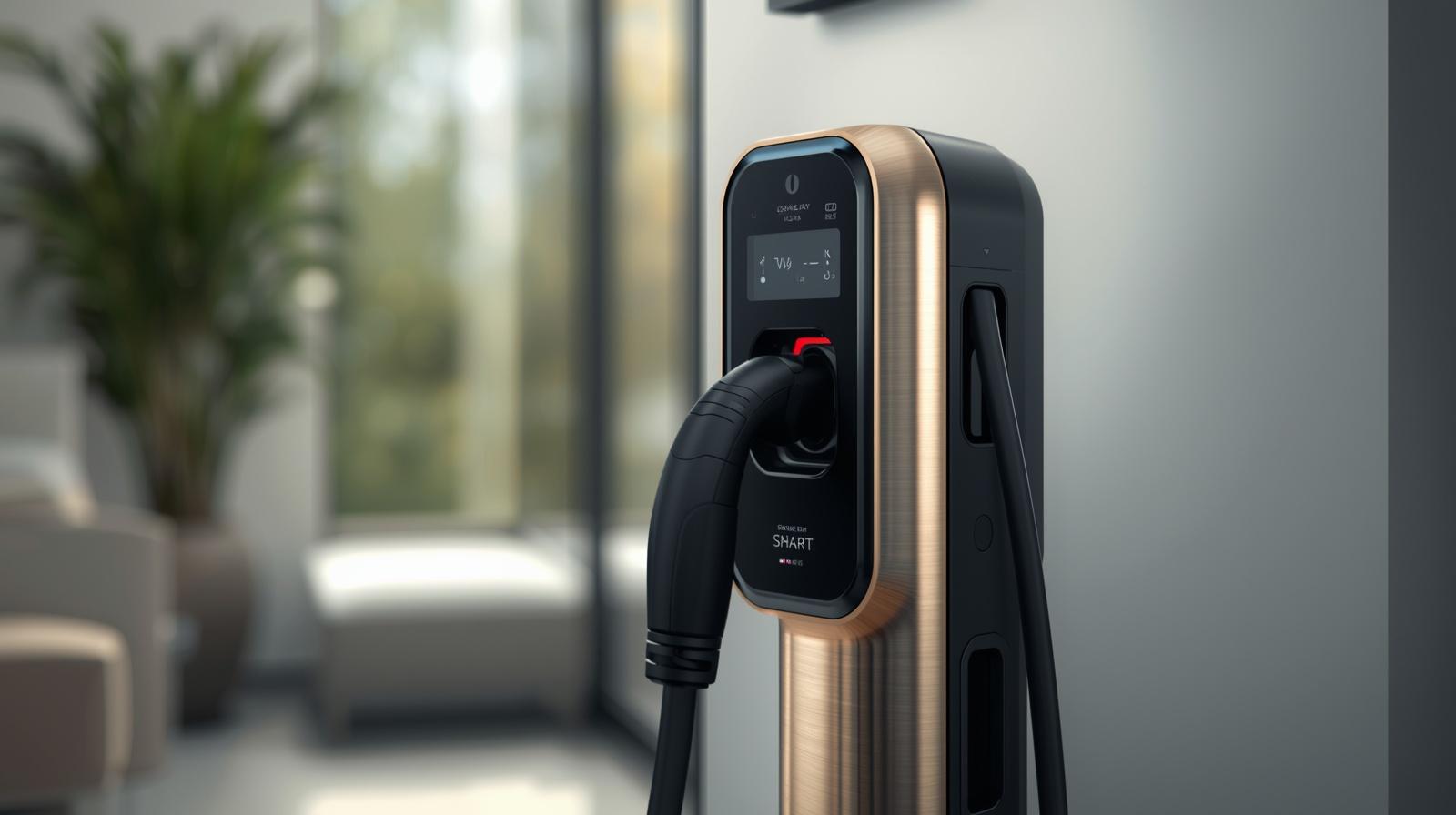
As electric vehicles (EVs) continue to grow in popularity, charging technology is evolving rapidly. Today’s drivers want more than just a basic plug-in charger—they want control, efficiency, and cost savings. That’s where smart chargers come in. But many EV owners still ask: What are the features of a smart EV charger?
If you are planning to upgrade your home charging setup, understanding what are the Features of a Smart EV Charger? can help you make the right decision. A smart EV charger is more than just a device that supplies electricity to your electric vehicle—it offers advanced technology designed to improve efficiency, convenience, and cost savings.
Understanding these features can help you make a smarter investment, lower your charging costs, and improve your overall EV experience. In this detailed guide, we’ll break down everything you need to know.
What Is a Smart EV Charger?
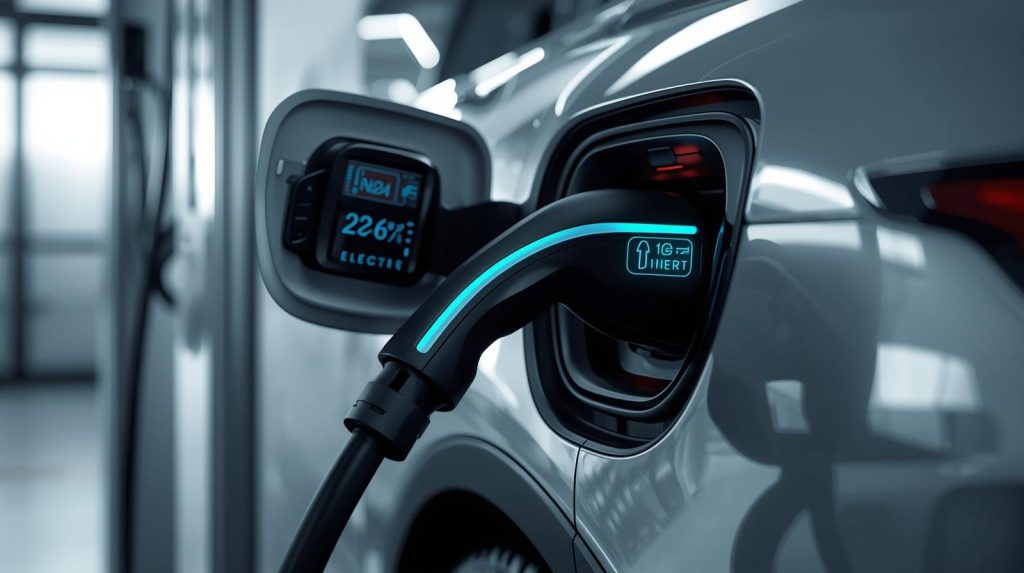
Before answering what are the features of a smart EV charger?, It’s important to understand what makes a charger “smart.”
A smart EV charger connects to the internet and communicates with your vehicle, smartphone app, and sometimes the electricity grid. Unlike standard chargers that simply deliver power when plugged in, smart chargers use software and data to optimize charging performance.
Key Features of a Smart EV Charger
Let’s explore the most important features that define a modern smart EV charger.
1. Wi-Fi or Cellular Connectivity
One of the primary features of a smart EV charger is internet connectivity.
Smart chargers connect via:
- Wi-Fi
- Bluetooth
- Cellular networks
This connection allows real-time communication between the charger, your mobile app, and energy providers.
Connectivity enables remote monitoring, software updates, and advanced energy management.
2. Scheduled Charging
If you’re wondering what are the features of a smart EV charger that save money, scheduled charging is one of the biggest advantages.
Smart chargers allow you to:
- Set charging times
- Automatically charge during off-peak hours
- Avoid high electricity rates
This feature is especially useful for households with time-of-use electricity pricing.
3. Remote Monitoring and Mobile App Control
Most smart EV chargers come with a companion smartphone app.
Through the app, you can:
- Start or stop charging remotely
- Track charging progress
- Monitor energy consumption
- View charging history
This level of control adds convenience and transparency to EV ownership.
4. Load Balancing Capability
Load balancing is another critical feature.
If multiple EVs are charging at the same location, smart chargers can:
- Distribute available power evenly
- Prevent electrical overload
- Optimize charging speed based on capacity
This is especially important in apartment buildings, workplaces, and commercial settings.
5. Energy Usage Tracking and Reporting
Energy monitoring is one of the most valuable features for cost-conscious drivers.
Smart EV chargers provide:
- Real-time energy usage data
- Monthly cost estimates
- Detailed usage reports
This helps users understand and manage their electricity consumption more effectively.
6. Grid Integration and Demand Response
When discussing what are the features of a smart EV charger?, grid communication stands out as a future-ready capability.
Some smart chargers can:
- Respond to grid demand signals
- Temporarily reduce charging during peak hours
- Support utility demand response programs
This improves grid stability and may even qualify users for financial incentives from energy providers.
7. Renewable Energy Integration
Smart EV chargers can integrate with:
- Solar panel systems
- Home battery storage
- Smart home energy management systems
This allows EVs to charge when renewable energy production is highest, reducing carbon footprint and reliance on fossil fuels.
8. Automatic Software Updates
Unlike traditional chargers, smart chargers receive firmware updates.
These updates:
- Improve performance
- Add new features
- Enhance security
- Fix potential bugs
This ensures the charger remains future-proof and secure.
9. Advanced Safety Features
Safety is a critical consideration.
Smart EV chargers typically include:
- Overcurrent protection
- Overheating detection
- Ground fault protection
- Automatic shut-off mechanisms
These features ensure safe operation in both home and commercial environments.
10. User Authentication and Access Control
For shared charging environments, access control is essential.
Smart chargers may offer:
- RFID card access
- App-based authentication
- User-specific charging sessions
This prevents unauthorized usage and allows fair billing in shared spaces.
11. Smart Power Adjustment
Some smart chargers can automatically adjust charging speed based on:
- Household energy usage
- Available electrical capacity
- Grid demand
This prevents tripped breakers and ensures efficient energy use.
12. Vehicle-to-Grid (V2G) Compatibility (Advanced Models)
Certain advanced smart EV chargers support Vehicle-to-Grid (V2G) technology.
This allows:
- Electricity to flow back to the grid
- EV batteries to support grid stability
- Potential financial incentives
While not yet standard everywhere, this feature represents the future of EV charging.
Why These Features Matter
Now that we’ve answered what are the features of a smart EV charger?, it’s important to understand why they matter.
Smart charger features provide:
- Lower electricity costs
- Improved battery lifespan
- Enhanced safety
- Greater convenience
- Better grid stability
- Environmental benefits
These advantages make smart chargers a long-term investment rather than just a charging tool.
Who Should Consider a Smart EV Charger?
Smart chargers are ideal for:
- Daily EV commuters
- Homeowners with time-based electricity rates
- Apartment complexes
- Fleet operators
- Businesses offering workplace charging
- Environmentally conscious drivers
As EV adoption increases, smart charging capabilities are becoming more important than ever.
Conclusion
So, what are the features of a smart EV charger? They include connectivity, scheduled charging, load balancing, energy tracking, grid integration, renewable support, advanced safety mechanisms, and more.
Smart EV chargers are not just about convenience—they are about efficiency, sustainability, and long-term cost savings. As electric mobility expands globally, these features will define the future of EV charging.
FAQs: What Are the Features of a Smart EV Charger?
1. What are the features of a smart EV charger?
The features of a smart EV charger typically include Wi-Fi or Bluetooth connectivity, mobile app control, scheduled charging, real-time energy monitoring, load balancing, remote start/stop, smart notifications, and integration with solar panels or smart home systems. These features help optimize charging efficiency, reduce electricity costs, and improve user convenience.
2. How is a smart EV charger different from a standard EV charger?
A standard EV charger simply delivers power to your vehicle, while a smart EV charger offers advanced connectivity and control features. Smart chargers allow remote management, charging schedules, energy tracking, and grid optimization, making them more efficient and cost-effective.
3. Can a smart EV charger help lower electricity bills?
Yes, one of the key features of a smart EV charger is time-of-use scheduling. This allows you to charge your vehicle during off-peak hours when electricity rates are lower, helping reduce overall charging costs.
4. Do smart EV chargers work with all electric vehicles?
Most smart EV chargers are compatible with all major electric vehicles that use standard charging connectors such as Type 1, Type 2, or CCS. However, it’s always recommended to confirm compatibility before purchasing.
5. What is load balancing in a smart EV charger?
Load balancing is a feature that automatically adjusts power usage between your EV charger and other household appliances. This prevents electrical overload and ensures safe and efficient charging.
6. Can I control a smart EV charger remotely?
Yes, one of the most important features of a smart EV charger is remote access through a mobile app. You can start, stop, schedule, and monitor charging sessions from anywhere.
7. Is installation of a smart EV charger complicated?
Installation typically requires a certified electrician. While the process is straightforward, proper setup ensures safety, optimal performance, and compliance with local electrical regulations.
8. Are smart EV chargers future-proof?
Yes, many smart EV chargers receive over-the-air software updates. This ensures they stay compatible with new EV models, grid technologies, and updated charging standards.