
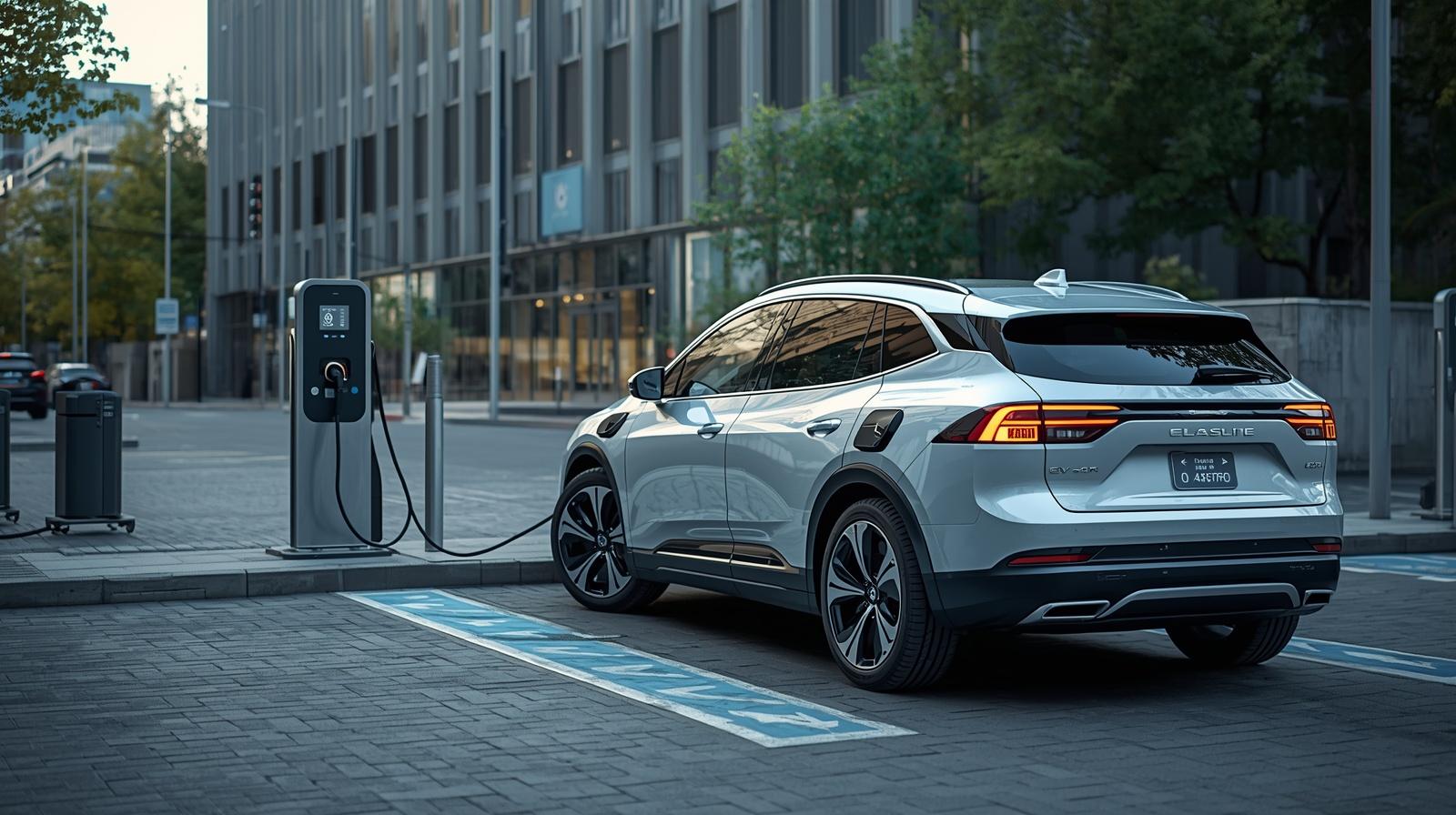
As electric vehicles (EVs) continue to grow in popularity, charging technology is evolving to become smarter, more efficient, and more user-friendly. One of the most important innovations in this space is smart charging. Understanding what is smart charging for EVs is helps drivers save money, protect their batteries, and support a more reliable energy grid.
Smart charging for EVs is an advanced charging method that uses connected technology to control when and how an electric vehicle charges. Instead of charging immediately at full power, smart charging adjusts charging times and speeds based on electricity prices, grid demand, and battery needs. This helps reduce energy costs, improve battery health, and support the power grid. Overall, smart charging makes EV charging more efficient, convenient, and environmentally friendly.
Smart charging is not just about plugging in your car—it’s about charging intelligently based on time, cost, demand, and energy availability.
What Is Smart Charging for EVs?
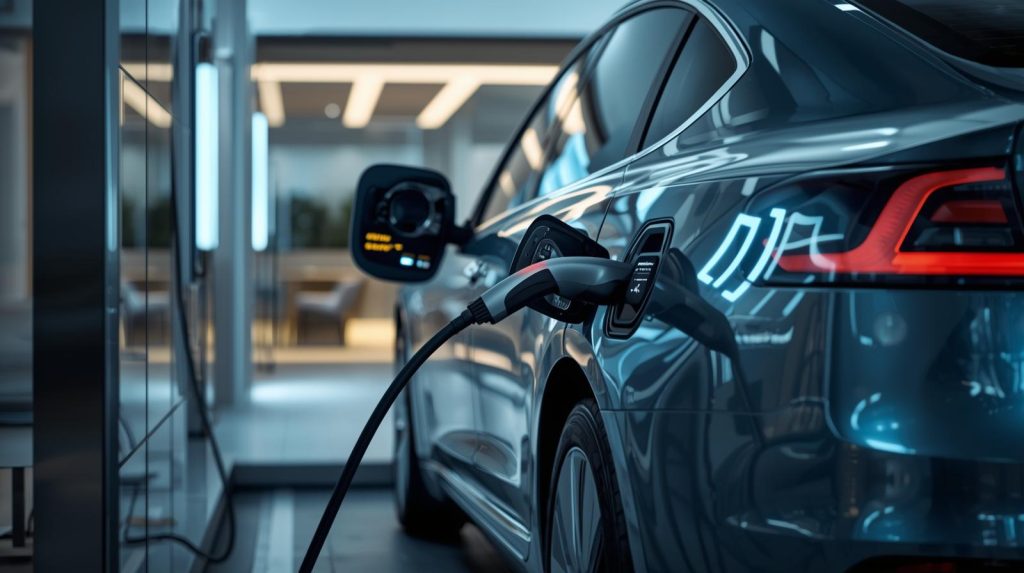
Smart charging for EV refers to an advanced charging system that uses software, connectivity, and real-time data to control how and when an electric vehicle charges. Unlike conventional charging, which starts immediately at full power, smart charging adjusts charging behavior automatically.
In simple terms, what is smart charging for EVs? It’s a charging method that optimizes energy use while meeting the driver’s needs in the most efficient way possible.
How Smart Charging Works
Smart charging works through communication between the EV, the charger, and the power grid. The system considers multiple factors, including:
- Electricity pricing
- Grid demand
- Battery status
- Driver preferences
- Availability of renewable energy
For example, instead of charging as soon as you plug in, a smart charger may wait until off-peak hours when electricity is cheaper and demand is lower.
Key Features of Smart Charging for EV
1. Scheduled Charging
Drivers can set charging times through mobile apps or vehicle settings, ensuring the EV charges when electricity costs are lowest.
2. Load Management
Smart charging balances energy use to prevent overloading home or public electrical systems.
3. Remote Monitoring
Users can track charging progress, energy usage, and costs in real time.
4. Grid Communication
Smart charging systems respond to grid signals to reduce strain during peak demand periods.
Why Smart Charging Is Important
As EV adoption increases, unmanaged charging can put pressure on power grids. This is where smart charging becomes essential. Understanding what smart charging for EVs is also means understanding its role in maintaining grid stability and preventing energy shortages.
Smart charging allows millions of EVs to charge without overwhelming the infrastructure.
Benefits of Smart Charging for EV Owners
Lower Charging Costs
Smart charging takes advantage of off-peak electricity rates, helping drivers reduce monthly energy bills.
Better Battery Health
By controlling charging speed and avoiding unnecessary fast charging, smart charging reduces battery stress and heat buildup.
Greater Convenience
Automation eliminates the need to manually manage charging times, making EV ownership easier.
These benefits explain why more drivers want to know what smart charging for EVs is and how it improves daily charging routines.
Benefits for the Power Grid and Environment
Smart charging benefits not only EV owners but also the wider energy system:
- Reduces peak electricity demand
- Improves grid reliability
- Supports renewable energy integration
- Lowers overall carbon emissions
By charging when clean energy is abundant, smart charging helps create a more sustainable transportation ecosystem.
Smart Charging vs Conventional Charging
Traditional EV charging starts immediately when plugged in, regardless of cost or grid demand. Smart charging, on the other hand, adapts to conditions in real time.
The key difference lies in intelligence and flexibility—two major reasons why smart charging is becoming the preferred solution.
Smart Charging at Home vs Public Charging
Home Smart Charging
- Ideal for overnight charging
- Works well with time-of-use electricity plans
- Can integrate with solar panels and home batteries
Public Smart Charging
- Helps manage multiple vehicles at one location
- Reduces waiting times
- Improves charger availability
Both setups highlight how smart charging improves efficiency across different environments.
Who Should Use Smart Charging?
Smart charging is ideal for:
- Daily EV commuters
- Homeowners with variable electricity rates
- Apartment complexes
- Businesses and fleet operators
- Environmentally conscious drivers
As EV infrastructure grows, smart charging will become a standard feature rather than an option.
Is Smart Charging Safe?
Yes, smart charging systems follow strict safety standards and include features such as:
- Automatic shutoff
- Fault detection
- Secure data communication
- Temperature monitoring
These features ensure charging remains safe, reliable, and trustworthy.
Expert Insight on Smart Charging
Energy and EV experts agree that smart charging is critical for the future of electric mobility. It enables large-scale EV adoption without compromising grid stability. Manufacturers and utilities continue to invest in secure, standardized smart charging technologies to ensure long-term reliability.
Conclusion
So, what is smart charging for EVs? It’s an intelligent, efficient, and future-ready way to charge electric vehicles that benefits drivers, the power grid, and the environment. From lower costs and better battery health to grid stability and sustainability, smart charging represents the next step in EV evolution.
As electric vehicles become more common, smart charging will play a vital role in making EV ownership smarter, cleaner, and more convenient.
Frequently Asked Questions (FAQs)
1. What is smart charging for EVs?
Smart charging for EVs is an advanced charging method that uses software and connectivity to control when and how an electric vehicle charges based on energy demand, cost, and battery needs.
2. How does smart charging work for electric vehicles?
Smart charging works by allowing the EV, charger, and power grid to communicate. The system adjusts charging times and speeds to optimize electricity use and reduce grid strain.
3. What are the main benefits of smart charging for EV owners?
The main benefits include lower electricity costs, improved battery health, greater convenience through automation, and better use of renewable energy.
4. Is smart charging better for EV batteries?
Yes, smart charging helps protect EV batteries by managing charging speed, minimizing heat buildup, and avoiding unnecessary fast charging sessions.
5. Can smart charging reduce electricity bills?
Yes, smart charging reduces electricity bills by charging during off-peak hours when electricity prices are lower under time-of-use plans.
6. Does smart charging support renewable energy?
Yes, smart charging can align EV charging with renewable energy availability, such as solar or wind power, helping reduce carbon emissions.
7. Is smart charging safe to use?
Smart charging systems include built-in safety features like fault detection, automatic shut-off, and secure data communication, making them safe for home and public use.
8. Who should use smart charging for EVs?
Smart charging is ideal for home EV owners, apartment buildings, workplaces, fleet operators, and anyone looking to reduce energy costs and improve charging efficiency.