
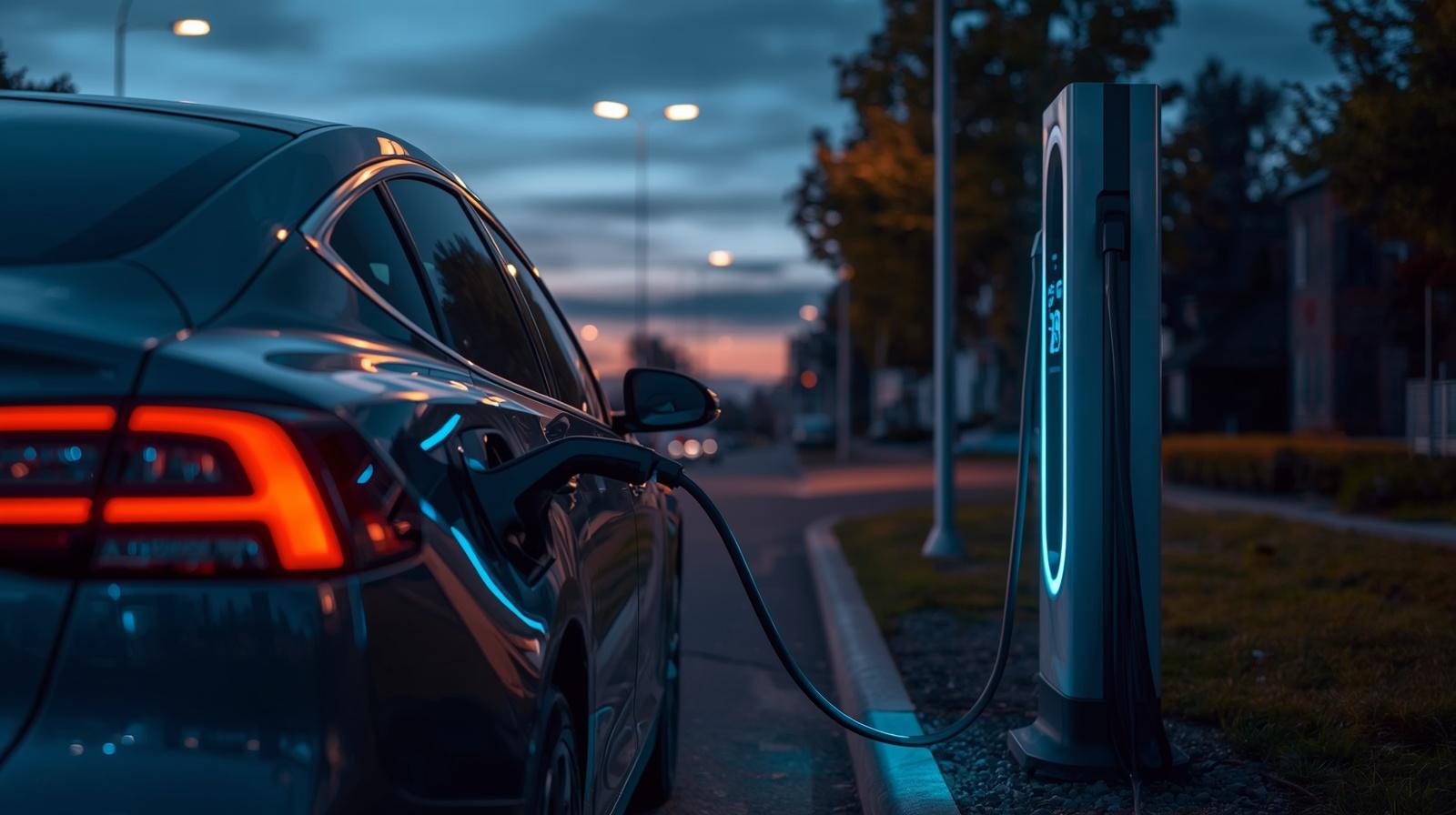
As electric vehicles (EVs) become more common worldwide, the way we charge them is evolving rapidly. Traditional charging simply supplies electricity to the vehicle as soon as it’s plugged in. But today, the industry is moving toward a smarter, more efficient solution known as smart charging.
So, what is the primary goal of smart charging in EVs?
The primary goal of smart charging in EVs is to optimize electricity usage by balancing charging demand with grid capacity, reducing costs, improving energy efficiency, and supporting renewable energy integration—while ensuring EV owners get the power they need.
In this detailed guide, we’ll explore how smart charging works, why it matters, and how it benefits drivers, utilities, and the environment.
Understanding Smart Charging in EVs
Smart charging is an advanced charging system that uses communication technology, software, and automation to control when and how an electric vehicle charges.
Unlike conventional charging, smart charging:
- Communicates with the electricity grid
- Adjusts charging speed based on demand
- Prioritizes off-peak energy usage
- Integrates renewable energy sources
- Manages multiple EVs efficiently
In simple terms, smart charging ensures EVs charge at the right time, at the right speed, and at the lowest possible cost.
What Is the Primary Goal of Smart Charging in EVs?
This goal can be broken down into five major objectives:
1. Prevent Grid Overload
As EV adoption increases, uncontrolled charging could overload local power grids—especially during peak hours. Smart charging shifts energy usage to off-peak times, reducing stress on the grid.
2. Reduce Charging Costs
Electricity prices often vary throughout the day. Smart charging automatically schedules charging when electricity rates are lower, helping EV owners save money.
3. Support Renewable Energy Integration
Renewable energy sources like solar and wind are variable. Smart charging aligns EV charging with periods of high renewable energy production, maximizing clean energy usage.
4. Improve Energy Efficiency
By distributing energy demand intelligently, smart charging minimizes energy waste and improves overall system efficiency.
5. Enable Future Energy Systems
Smart charging plays a key role in advanced systems like Vehicle-to-Grid (V2G), where EVs can send electricity back to the grid when needed.
Why Smart Charging Is Becoming Essential
EV adoption is accelerating globally. Major automakers such as:
- Tesla
- Nissan
- BMW
- Hyundai
are producing millions of electric vehicles annually. As more EVs connect to the grid, unmanaged charging could create:
- Peak demand spikes
- Higher electricity prices
- Infrastructure strain
- Increased fossil fuel usage during peak times
Smart charging solves these challenges by coordinating charging behavior intelligently.
How Smart Charging Works
Smart charging systems rely on:
1. Communication Technology
Chargers communicate with:
- Utility providers
- Charging management platforms
- The EV itself
2. Software Algorithms
Advanced algorithms analyze:
- Electricity demand
- Time-of-use pricing
- Renewable energy availability
- User preferences
3. Automated Scheduling
Charging can be delayed or adjusted automatically without user intervention.
For example, if you plug in your EV at 6 PM (peak hours), smart charging may delay charging until 11 PM when electricity demand drops and rates are lower.
Benefits of Smart Charging for EV Owners
Lower Charging Costs
Smart charging takes advantage of time-of-use tariffs, reducing electricity bills.
Convenience
Users can set preferences (e.g., “fully charged by 7 AM”), and the system handles the rest.
Extended Battery Health
Controlled charging speeds and optimized schedules can reduce battery stress.
Environmental Impact
By aligning charging with renewable energy availability, drivers reduce their carbon footprint.
Benefits of Smart Charging for the Power Grid
The primary goal of smart charging in EVs is closely tied to grid stability.
Peak Load Management
Smart charging reduces simultaneous charging during high-demand hours.
Infrastructure Optimization
Utilities can avoid expensive grid upgrades by better managing existing capacity.
Renewable Energy Stability
Smart charging absorbs excess solar or wind energy when production is high.
Smart Charging vs. Traditional Charging
| Feature | Traditional Charging | Smart Charging |
|---|---|---|
| Grid Communication | No | Yes |
| Cost Optimization | Limited | High |
| Renewable Integration | Minimal | Strong |
| Peak Demand Control | No | Yes |
| Automation | Manual | Automated |
This comparison clearly shows how smart charging improves efficiency and sustainability.
The Role of Vehicle-to-Grid (V2G)
Smart charging is a foundation for advanced systems like Vehicle-to-Grid (V2G). In V2G systems, EVs can supply stored energy back to the grid during peak demand.
For example, during a power shortage:
- The grid draws small amounts of energy from thousands of EVs.
- Owners may receive financial incentives.
This transforms EVs from simple energy consumers into energy storage assets.
Smart Charging at Home vs. Public Charging
Home Smart Charging
- Most common application
- Integrates with solar panels
- Uses time-of-use electricity pricing
Workplace Smart Charging
- Balances multiple EVs
- Prevents overload in office buildings
Public Smart Charging
- Manages fast chargers efficiently
- Reduces grid congestion in urban areas
Each setting contributes to achieving the primary goal of smart charging in EVs—optimized energy management.
Environmental Impact of Smart Charging
One of the most important aspects of smart charging is sustainability.
When EVs charge during peak demand without coordination, utilities may rely on fossil fuel power plants. However, smart charging:
- Reduces peak fossil fuel usage
- Increases renewable energy consumption
- Lowers overall emissions
This aligns with global climate goals and clean energy initiatives.
Challenges of Smart Charging
While beneficial, smart charging also faces challenges:
- Infrastructure investment requirements
- Data privacy concerns
- Standardization across regions
- Consumer awareness
However, ongoing technological advancements are addressing these issues rapidly.
The Future of Smart Charging in EVs
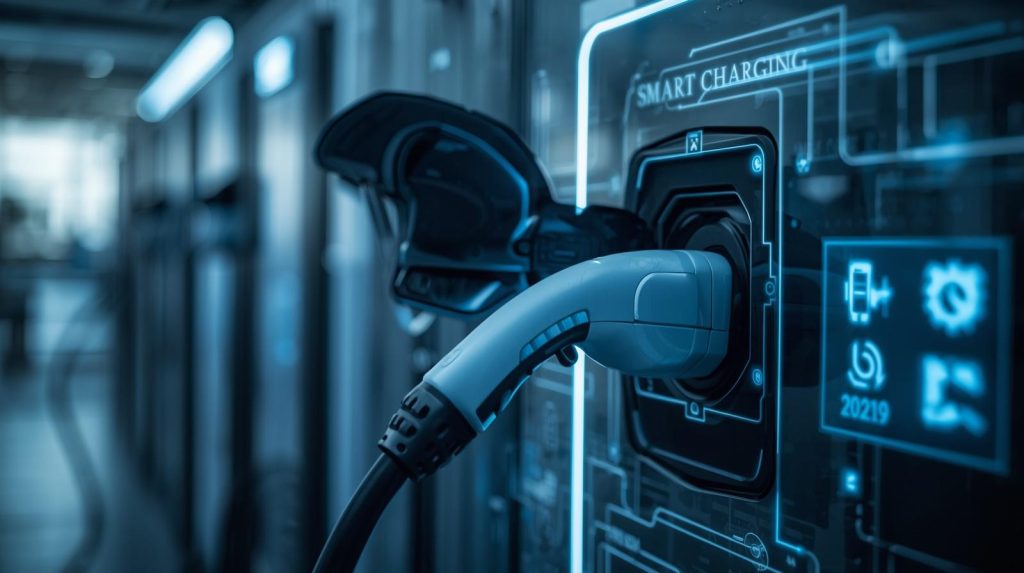
The future of EV charging is intelligent, connected, and automated. As artificial intelligence and IoT technology improve, smart charging systems will become even more efficient.
In the coming years, we can expect:
- Real-time grid interaction
- Dynamic pricing optimization
- Seamless solar integration
- Wider V2G adoption
Governments and utilities worldwide are already encouraging smart charging adoption through incentives and regulations.
Why Smart Charging Matters for You
If you are an EV owner or planning to buy one, understanding what is the primary goal of smart charging in EVs can help you:
- Reduce electricity costs
- Protect your vehicle’s battery
- Contribute to a cleaner environment
- Prepare for future energy systems
Smart charging isn’t just a technical feature—it’s a key part of the sustainable transportation ecosystem.
Conclusion
So, what is the primary goal of smart charging in EVs?
The primary goal of smart charging in EVs is to intelligently manage electricity demand by balancing grid capacity, reducing charging costs, supporting renewable energy integration, and enhancing overall energy efficiency.
As EV adoption continues to rise, smart charging will become essential for maintaining grid stability, lowering emissions, and creating a smarter energy future.
Whether at home, work, or public charging stations, smart charging represents the next generation of EV infrastructure—efficient, sustainable, and future-ready.
FAQs: What Is the Primary Goal of Smart Charging in EVs?
1. What is the primary goal of smart charging in EVs?
The primary goal of smart charging in EVs is to optimize electricity usage by balancing charging demand with grid capacity, reducing energy costs, and supporting renewable energy integration without overloading the power grid.
2. How does smart charging help reduce electricity costs?
Smart charging schedules EV charging during off-peak hours when electricity rates are lower. It can also respond to dynamic pricing, helping EV owners save money automatically.
3. Does smart charging improve grid stability?
Yes. Smart charging prevents multiple EVs from charging simultaneously during peak demand hours, reducing strain on the power grid and minimizing the risk of overload.
4. Can smart charging support renewable energy?
Absolutely. Smart charging aligns EV charging times with periods of high solar or wind energy production, increasing the use of clean energy and reducing reliance on fossil fuels.
5. Is smart charging automatic?
Most smart charging systems are automated. Once preferences are set (such as charging completion time), the system adjusts charging speed and timing without manual intervention.
6. Does smart charging affect EV battery life?
Yes, positively in many cases. By controlling charging speed and avoiding extreme peak loads, smart charging can reduce heat buildup and help maintain battery health over time.
7. What is the difference between traditional charging and smart charging?
Traditional charging begins immediately when plugged in, regardless of grid demand. Smart charging communicates with the grid and adjusts charging based on electricity demand, pricing, and energy availability.
8. Is smart charging available for home EV chargers?
Yes. Many modern home EV chargers support smart charging features, including scheduled charging, app control, and integration with solar panels.