
As electric vehicles (EVs) become more popular worldwide, one of the most common questions among new and potential EV owners is: Which is the correct EV charging mode for EV batteries?
Choosing the correct EV charging mode is essential for battery health, charging speed, cost efficiency, and overall convenience. With multiple charging modes available, understanding how each one works can help you make the right decision for daily driving and long-distance travel.
In this detailed guide, we’ll break down everything you need to know about EV charging modes and help you determine which is the correct EV charging mode for EV batteries based on your needs.
Understanding EV Charging Modes
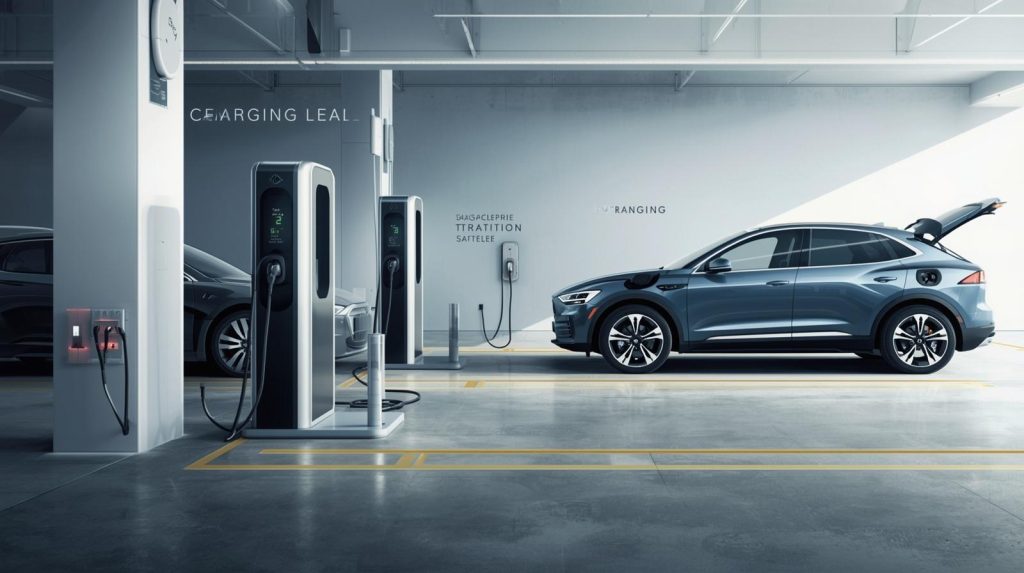
EV charging modes are standardized methods that define how electric vehicles connect to and receive electricity from a power source. These modes are classified under international charging standards and determine:
- Safety level
- Power output
- Charging speed
- Communication between the vehicle and charger
There are four primary EV charging modes:
- Mode 1
- Mode 2
- Mode 3
- Mode 4
Each mode serves a specific purpose and is suitable for different situations.
Mode 1 Charging
Mode 1 charging involves plugging an EV directly into a standard household socket without advanced communication or protection systems.
Key Features:
- Uses a standard AC outlet
- No dedicated EV charger
- Limited safety communication
- Very slow charging speed
Is Mode 1 the Correct EV Charging Mode?
Mode 1 is generally not recommended for modern EV batteries due to safety concerns and slow charging speeds. Most manufacturers discourage its use for regular charging.
Mode 2 Charging
Mode 2 charging uses a standard household socket but includes a control box within the charging cable for added safety.
Key Features:
- AC charging
- Built-in safety protection
- Portable cable
- Slow to moderate charging speed
When Is Mode 2 the Correct EV Charging Mode?
Mode 2 is suitable for:
- Emergency charging
- Occasional home use
- Backup charging situations
However, it is not ideal for daily long-term use because charging can take many hours.
Mode 3 Charging (Most Common for Home Use)
Mode 3 charging is widely considered the most practical and commonly used charging mode for EV batteries.
Key Features:
- Dedicated EV wall charger (AC)
- Communication between EV and charger
- Faster than Mode 2
- Safer and more efficient
Mode 3 chargers are typically installed at home or workplaces and operate on Level 2 AC power.
Why Mode 3 Is Often the Correct EV Charging Mode
For most EV owners, Mode 3 is the correct EV charging mode because:
- It balances charging speed and battery health
- It is cost-effective for home charging
- It provides enhanced safety features
- It supports smart charging capabilities
If you charge your EV overnight at home, Mode 3 is usually the best choice.
Mode 4 Charging (DC Fast Charging)
Mode 4 charging uses direct current (DC) fast chargers and is commonly found at public charging stations.
Key Features:
- High-speed DC charging
- Charges up to 80% in 20–60 minutes
- Used for long-distance travel
- Higher infrastructure cost
Many EV manufacturers like:
- Tesla
- Nissan
- BMW
- Hyundai
Support DC fast charging for highway travel convenience.
Is Mode 4 the Correct EV Charging Mode?
Mode 4 is correct when:
- You are traveling long distances
- You need a quick recharge
- Time is limited
However, frequent DC fast charging may generate more heat, which can slightly increase long-term battery wear if used excessively.
Comparing EV Charging Modes
| Charging Mode | Speed | Best For | Battery Impact | Cost |
|---|---|---|---|---|
| Mode 1 | Very Slow | Rare emergency use | Minimal stress but inefficient | Low |
| Mode 2 | Slow | Occasional home charging | Low stress | Low |
| Mode 3 | Moderate | Daily home/work charging | Optimal balance | Moderate |
| Mode 4 | Fast | Road trips & quick top-ups | Higher heat if frequent | Higher |
This comparison helps answer the key question: Which is the correct EV charging mode for EV batteries?
Factors That Determine the Correct EV Charging Mode
There is no single universal answer. The correct EV charging mode depends on:
1. Daily Driving Distance
Short commutes typically require only overnight AC charging (Mode 3).
2. Access to Home Charging
If you have a dedicated home charger, Mode 3 is ideal.
3. Travel Needs
Frequent highway travel may require Mode 4 DC fast charging.
4. Battery Health Priorities
If maximizing battery lifespan is your goal, regular AC charging (Mode 3) is preferred over frequent DC fast charging.
5. Electricity Cost
Home charging (Mode 3) is generally cheaper than public fast charging (Mode 4).
Which Is the Correct EV Charging Mode for EV Batteries?
To summarize clearly:
- For daily home charging: Mode 3 is the correct EV charging mode.
- For emergency or occasional use: Mode 2 is acceptable.
- For long-distance travel: Mode 4 is appropriate.
- Mode 1: Generally not recommended for modern EVs.
For most EV owners, Mode 3 provides the best balance of speed, safety, cost efficiency, and battery health.
Impact of Charging Modes on Battery Health
EV batteries are typically lithium-ion. These batteries are sensitive to:
- Excessive heat
- Frequent high-power charging
- Constant full charge cycles
Mode 3 charging reduces stress because it uses controlled AC charging speeds. Mode 4 charging is safe but should be used strategically rather than daily.
Smart Charging and the Correct Mode
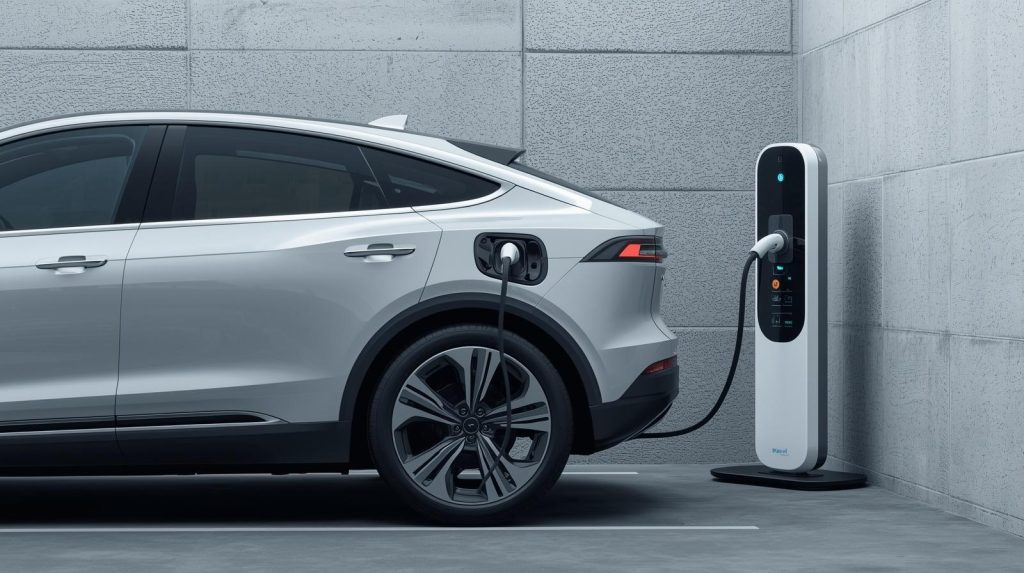
Modern Mode 3 chargers often include smart charging features that:
- Schedule charging during off-peak hours
- Optimize energy use
- Support renewable integration
- Improve grid stability
This makes Mode 3 not only the correct EV charging mode for batteries but also the most future-ready solution.
Cost Comparison: AC vs DC Charging
- Home AC charging (Mode 3) is usually cheaper per kWh.
- Public DC fast charging (Mode 4) costs more due to infrastructure and demand charges.
If cost savings matter, regular home charging is the smarter option.
Environmental Considerations
Charging at home during off-peak hours or when solar energy is available reduces overall carbon emissions. Smart AC charging integrates better with renewable energy systems compared to uncontrolled fast charging.
Conclusion: Which Is the Correct EV Charging Mode for EV Batteries?
So, which is the correct EV charging mode for EV batteries?
The correct EV charging mode for most drivers is Mode 3 (AC home charging) because it provides the ideal balance between safety, charging speed, battery health, and cost efficiency.
Mode 4 (DC fast charging) is excellent for long-distance travel, while Mode 2 serves as a backup option. Mode 1 is largely outdated and not recommended for regular use.
The best strategy is a balanced approach:
- Use Mode 3 for daily charging
- Use Mode 4 when traveling
- Avoid over-reliance on fast charging
By choosing the correct EV charging mode, you protect your battery, save money, and ensure long-term performance.
FAQs: Which Is the Correct EV Charging Mode for EV Batteries?
1. Which is the correct EV charging mode for EV batteries?
For most EV owners, Mode 3 (AC home charging) is the correct EV charging mode because it offers the best balance of safety, battery health, charging speed, and cost efficiency.
2. Is DC fast charging (Mode 4) safe for EV batteries?
Yes, Mode 4 DC fast charging is safe when used occasionally. However, frequent use may increase battery heat and slightly accelerate long-term battery wear.
3. Can I use Mode 2 charging at home regularly?
Mode 2 charging can be used occasionally, but it is slower and less efficient than Mode 3. It is better suited for backup or emergency situations.
4. Why is Mode 1 charging not recommended?
Mode 1 charging lacks advanced safety communication and is very slow. Most modern EV manufacturers do not recommend it for regular use.
5. Does the charging mode affect battery lifespan?
Yes. Regular AC charging (Mode 3) generally supports better battery health, while excessive fast charging (Mode 4) may contribute to faster degradation over time.
6. What is the difference between Mode 3 and Mode 4 charging?
Mode 3 uses AC power with a dedicated EV charger, ideal for home and workplace charging. Mode 4 uses DC fast charging and is mainly used at public charging stations for quick top-ups.
7. Which charging mode is most cost-effective?
Mode 3 home charging is typically the most cost-effective option because electricity rates are lower than public DC fast charging stations.
8. Is smart charging available with Mode 3?
Yes. Many Mode 3 chargers support smart charging features such as scheduled charging, energy monitoring, and off-peak optimization.
9. Should I avoid fast charging completely?
No. Fast charging is useful for long trips and emergencies. The best approach is to use AC charging regularly and DC fast charging when necessary.
10. What is the best charging strategy for EV owners?
The best strategy is to use Mode 3 for daily charging at home and rely on Mode 4 for long-distance travel or when quick charging is required.