
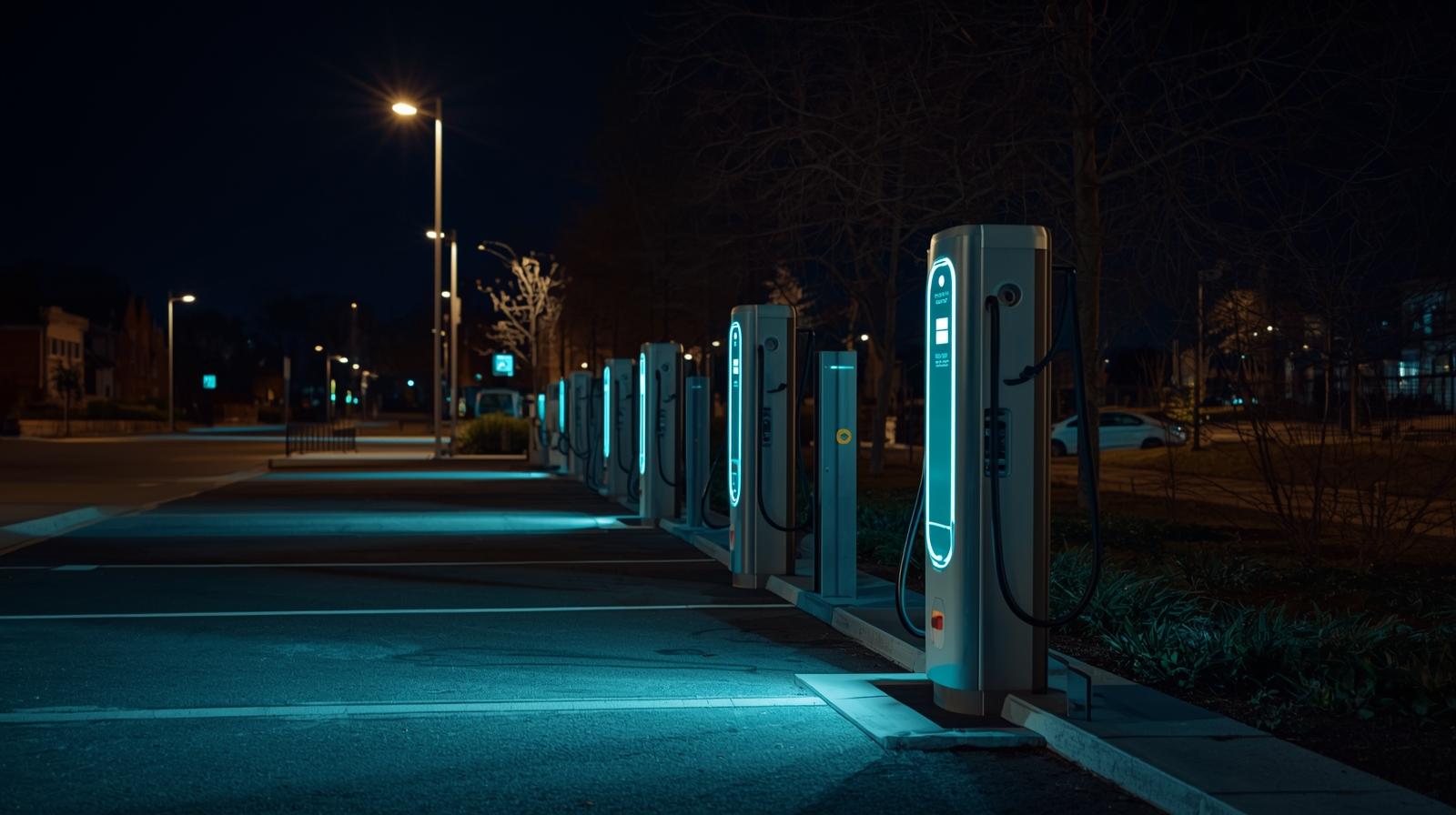
Public EV charging has made long-distance travel and daily commuting easier than ever. Yet, despite the growing number of charging stations worldwide, many electric vehicle owners still feel uneasy about charging their cars after dark. Understanding why drivers worry about public EV charging at night helps address real concerns and improve confidence for new and experienced EV users alike.
These worries are not just about electricity or technology—they often involve personal safety, reliability, and unfamiliar environments. Let’s explore the key reasons behind these concerns and what they mean for EV drivers.
The Rise of Public EV Charging
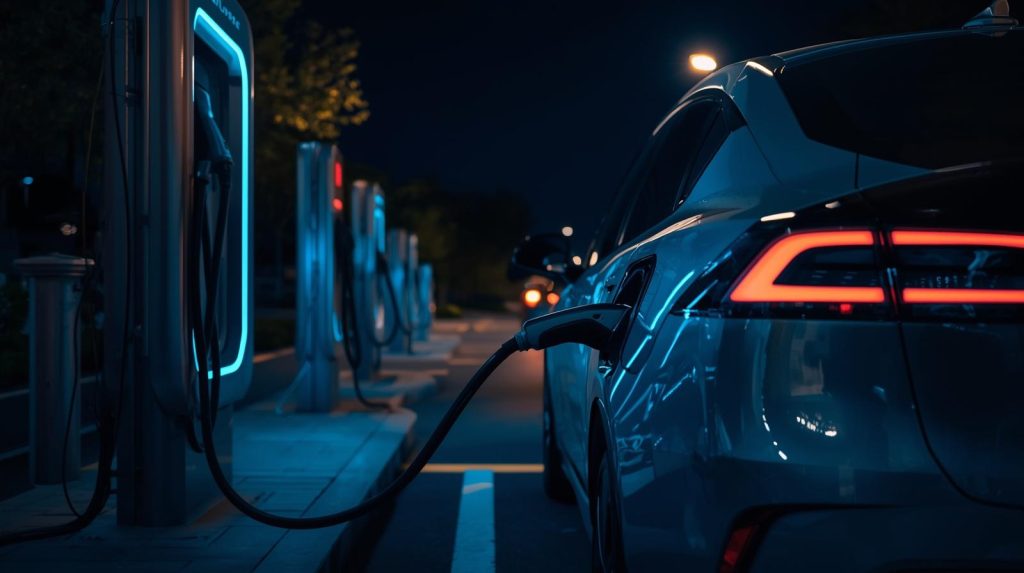
As EV adoption increases, public charging infrastructure is expanding rapidly. Shopping centers, highways, hotels, and city streets now host thousands of charging stations. While this growth supports convenience, it also introduces situations where drivers may need to charge late at night, especially during long trips or emergencies.
This is where concerns about nighttime charging begin.
Why Drivers Worry About Public EV Charging at Night
1. Personal Safety Concerns
One of the main reasons why drivers worry about public EV charging at night is personal safety. Many charging stations are located in parking lots or roadside areas that may be quiet after dark.
Common fears include:
- Poor lighting
- Isolated locations
- Lack of security presence
- Fear of theft or harassment
Even if the charging equipment is safe, drivers may still feel vulnerable standing outside their vehicle at night.
2. Limited Visibility After Dark
Low visibility can make charging feel more stressful. Drivers may worry about:
- Tripping over cables
- Not noticing damaged equipment
- Difficulty reading charger screens or instructions
These visibility issues contribute significantly to why drivers worry about public EV charging at night, especially in unfamiliar locations.
3. Fear of Equipment Malfunctions
At night, finding help can be difficult if something goes wrong. Drivers often worry about:
- Chargers are not working properly
- Payment or app failures
- Cables not locking correctly
- Lack of nearby support staff
This uncertainty makes nighttime public charging feel riskier than daytime charging.
4. Concerns About Weather Conditions
Charging at night during rain, fog, or cold weather can increase anxiety. Although EV chargers are designed to be weather-resistant, many drivers still worry about:
- Electrical safety in wet conditions
- Slippery surfaces
- Reduced visibility in storms
These concerns are especially common among new EV owners who lack hands-on experience.
5. Unfamiliar Locations While Traveling
Drivers often rely on public chargers during road trips. Charging late at night in unfamiliar towns or highway rest areas can feel uncomfortable.
This unfamiliarity is a major reason why drivers worry about public EV charging at night, as they may not know:
- The safety reputation of the area
- How busy or secure the station is
- Where to go if they feel unsafe
6. Fear of Being Stranded
Another major concern is the fear of being stranded. Drivers worry about:
- Arriving at a station that’s out of service
- Long wait times due to limited chargers
- Low battery levels with no backup options
At night, alternatives may be limited, which heightens stress.
7. Battery and Vehicle Safety Myths
Misinformation also plays a role in why drivers worry about public EV charging at night. Some believe that:
- Night charging is harmful to batteries
- Public chargers are less reliable
- Charging at night increases electrical risks
In reality, modern EVs and chargers are built with strict safety standards, but myths still influence perceptions.
Are These Concerns Valid?
Many of these worries are understandable, but not all are equally justified. Public EV chargers are equipped with:
- Automatic shutoff systems
- Ground-fault protection
- Insulated and weatherproof connectors
- Secure vehicle-to-charger communication
From a technical standpoint, public EV charging is very safe—even at night. Most concerns are related to the environment and personal comfort rather than actual electrical danger.
How Charging Networks Are Addressing Nighttime Concerns
Charging providers are actively improving safety by:
- Installing better lighting
- Adding security cameras
- Placing chargers in busy, visible locations
- Offering 24/7 customer support through apps
These improvements help reduce why drivers worry about public EV charging at night and build trust in public infrastructure.
Expert Perspective on Nighttime EV Charging
EV safety experts and manufacturers agree that nighttime charging does not increase electrical risk. In fact, cooler nighttime temperatures can be beneficial for battery performance. Experienced EV drivers often report feeling more confident over time as they become familiar with charging locations and best practices.
Tips to Reduce Night Charging Anxiety
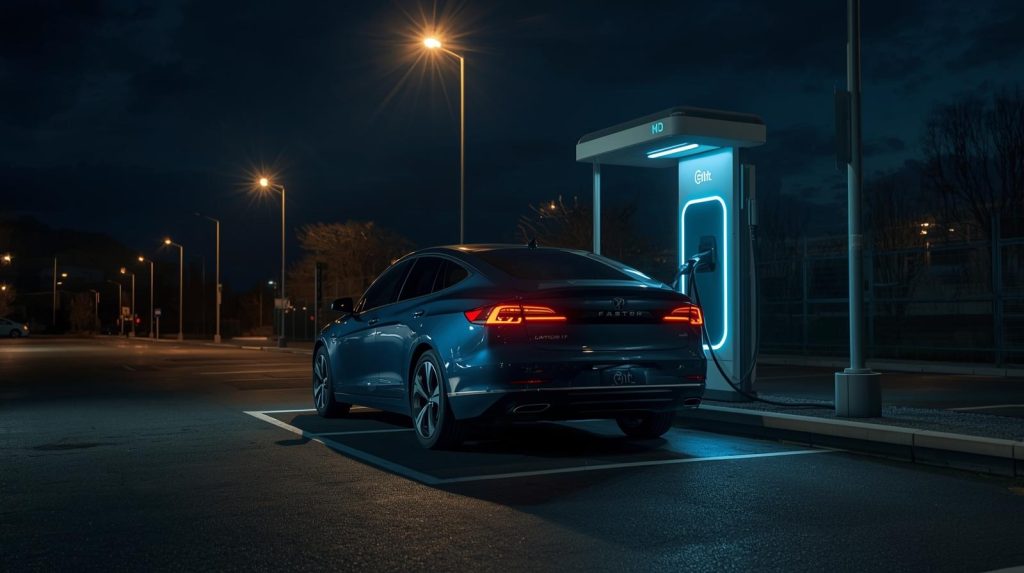
Drivers can reduce concerns by:
- Choosing well-lit, reputable charging stations
- Charging earlier when possible
- Keeping emergency contacts handy
- Using apps to check station status in advance
Experience and preparation play a major role in easing nighttime worries.
Conclusion
Understanding why drivers worry about public EV charging at night reveals that most concerns are rooted in personal safety, unfamiliar environments, and misinformation—not the charging technology itself. As public infrastructure improves and driver awareness grows, these worries are steadily decreasing.
With modern safety features, better station design, and informed decision-making, public EV charging at night can be both safe and convenient.
Frequently Asked Questions (FAQs)
1. Why do drivers worry about public EV charging at night?
Drivers worry about public EV charging at night mainly due to personal safety concerns, poor lighting, isolated locations, and fear of equipment malfunctions when fewer people are around.
2. Is public EV charging actually unsafe at night?
Public EV charging is not inherently unsafe at night. Most charging stations meet strict safety standards and include features like automatic shut-off and weather protection. The concern is more about the surroundings than the charging technology.
3. Do public EV chargers work differently at night?
No, public EV chargers function the same way day or night. Charging speed, safety systems, and reliability do not change based on the time of day.
4. Are public EV charging stations monitored at night?
Many public EV charging stations are monitored through security cameras, lighting, and remote network systems. Well-known charging networks often provide 24/7 monitoring and customer support.
5. Can bad weather increase nighttime charging concerns?
Yes, rain, fog, or cold weather can increase anxiety due to reduced visibility and slippery surfaces. However, EV chargers are designed to be weather-resistant and safe to use in these conditions.
6. Why do new EV drivers feel more anxious about night charging?
New EV drivers often lack experience with public charging stations and may be influenced by myths or misinformation, which explains why drivers worry about public EV charging at night more in the early stages of EV ownership.
7. How can drivers feel safer when charging an EV at night?
Drivers can feel safer by choosing well-lit stations, using trusted charging networks, checking station status via apps, locking their vehicles, and staying aware of their surroundings.
8. Does charging at night damage the EV battery?
No, charging at night does not damage the battery. In many cases, cooler nighttime temperatures can actually support better battery performance and longevity.