
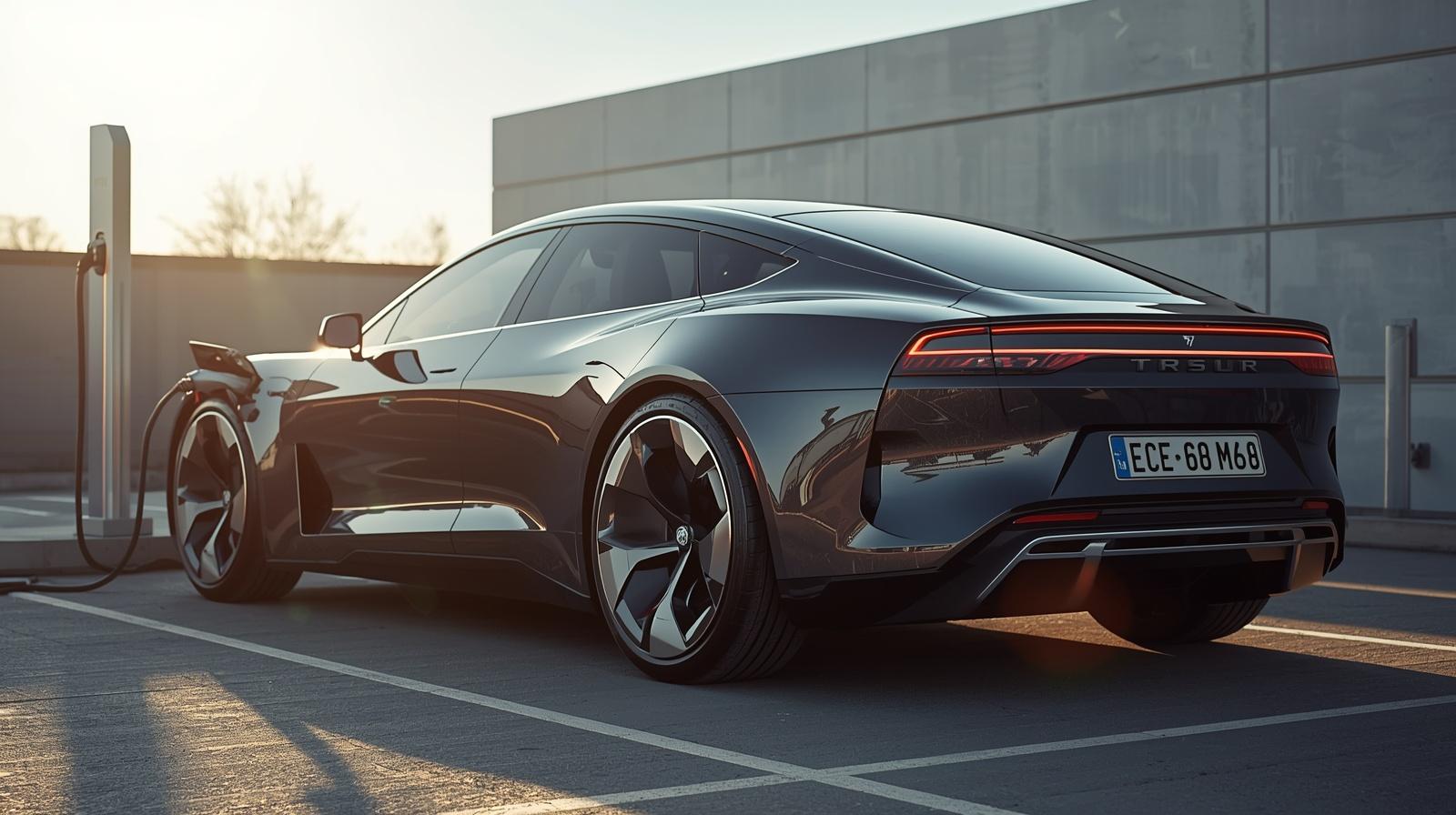
Electric vehicles (EVs) are transforming the global transportation industry. As more drivers switch from gasoline-powered cars to electric mobility, one critical question arises: why is smart charging important for EVs?
The answer lies in how energy is managed. Smart charging is not just about plugging in your car—it’s about charging at the right time, at the right speed, and in the most efficient way possible. As EV adoption increases worldwide, smart charging becomes essential for grid stability, cost savings, renewable energy integration, and long-term sustainability.
In this comprehensive guide, we’ll explore why smart charging is important for EVs, how it works, and why it plays a crucial role in the future of transportation.
What Is Smart Charging?
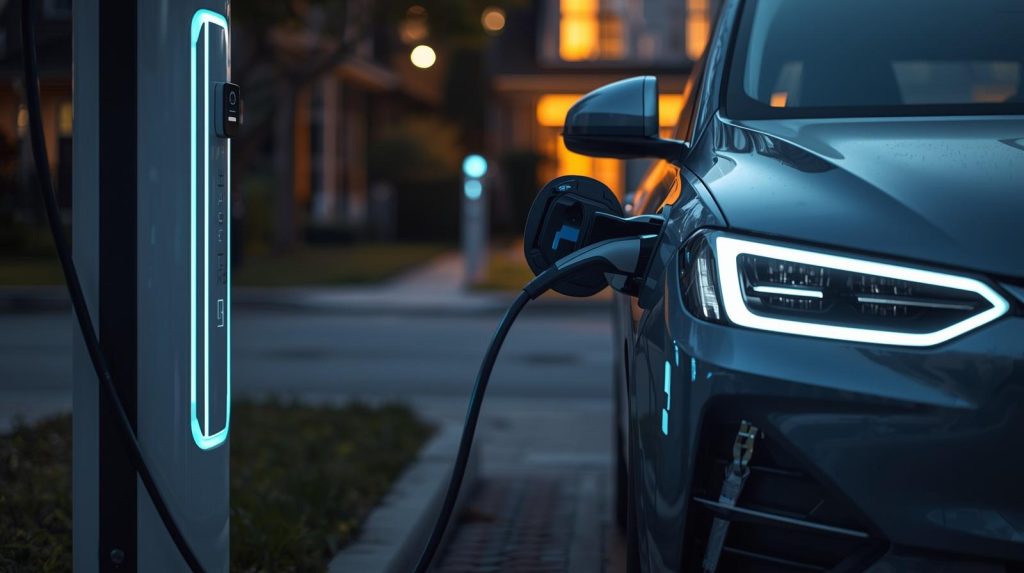
Smart EV charging is an advanced charging system that uses communication technology and software to control when and how electric vehicles charge.
Unlike traditional charging, which starts immediately when plugged in, smart charging systems:
- Communicate with the power grid
- Monitor electricity demand
- Adjust charging speed automatically
- Optimize charging based on pricing and availability
- Integrate renewable energy sources
In simple terms, smart charging makes EV charging intelligent and efficient.
Why Smart Charging Is Important for EVs
Smart charging is important for EVs because it optimizes electricity usage, prevents grid overload, reduces charging costs, supports renewable energy, and improves overall energy efficiency.
Now let’s break down the key reasons in detail.
1. Prevents Grid Overload
As EV ownership grows, thousands of vehicles may charge simultaneously—especially during peak evening hours. If unmanaged, this could overload local electricity grids.
Major automakers such as:
- Tesla
- Nissan
- BMW
- Hyundai
are rapidly increasing EV production. Without smart charging, this surge in EV adoption could strain infrastructure.
Smart charging solves this by:
- Shifting charging to off-peak hours
- Distributing load evenly
- Reducing demand spikes
This makes smart charging critically important for grid stability.
2. Reduces Charging Costs
Electricity prices often vary throughout the day. During peak hours, energy costs are higher due to increased demand.
Smart charging systems automatically:
- Schedule charging during off-peak hours
- Take advantage of time-of-use tariffs
- Respond to dynamic pricing signals
This means EV owners can significantly reduce their electricity bills without manually managing charging times.
For households with multiple EVs, the savings can be substantial.
3. Supports Renewable Energy Integration
One of the biggest reasons why smart charging is important for EVs is its ability to integrate renewable energy sources.
Solar and wind power are variable. Sometimes they produce excess energy; other times production drops.
Smart charging helps by:
- Charging EVs when solar output is high
- Absorbing excess wind energy
- Reducing reliance on fossil fuel power plants
This makes EVs even cleaner and more environmentally friendly.
4. Improves Energy Efficiency
Traditional charging can lead to energy waste due to uncontrolled demand spikes. Smart charging optimizes the entire energy ecosystem.
Benefits include:
- Better use of existing infrastructure
- Reduced transmission losses
- Balanced energy distribution
By improving efficiency, smart charging reduces the need for costly grid upgrades.
5. Enhances Battery Health
Charging speed and timing affect battery longevity. Smart charging systems can:
- Avoid unnecessary high-speed charging
- Reduce heat buildup
- Maintain optimal charging levels
By managing charging intelligently, smart systems can help extend EV battery lifespan.
6. Enables Vehicle-to-Grid (V2G) Technology
Smart charging is the foundation for advanced technologies like Vehicle-to-Grid (V2G).
With V2G:
- EVs can send stored electricity back to the grid
- Owners may earn financial incentives
- Grids gain backup energy during peak demand
Without smart charging communication systems, V2G would not be possible.
7. Encourages Sustainable Urban Development
Cities worldwide are adopting EV-friendly policies. Smart charging helps cities:
- Manage public charging stations efficiently
- Prevent neighborhood transformer overload
- Optimize large fleet charging
Public charging infrastructure becomes more scalable and reliable with smart systems.
Smart Charging vs. Traditional Charging
| Feature | Traditional Charging | Smart Charging |
|---|---|---|
| Grid Communication | No | Yes |
| Cost Optimization | Limited | Advanced |
| Renewable Support | Minimal | Strong |
| Peak Demand Control | No | Yes |
| Automation | Manual | Automatic |
This comparison clearly shows why smart charging is important for EVs in a growing electric ecosystem.
Smart Charging at Home
Home charging is where smart charging delivers the most personal benefit.
Home smart chargers allow users to:
- Schedule overnight charging
- Integrate rooftop solar systems
- Monitor energy consumption via apps
- Receive alerts and usage reports
For homeowners, smart charging provides convenience, cost savings, and energy control.
Smart Charging for Businesses and Fleets
Businesses with EV fleets benefit greatly from smart charging systems.
Fleet operators can:
- Avoid peak demand charges
- Manage multiple vehicles simultaneously
- Reduce operational costs
- Monitor usage data
This improves profitability and energy management.
Environmental Impact of Smart Charging
Transportation is one of the largest contributors to global carbon emissions. EVs already reduce tailpipe emissions, but smart charging makes them even greener.
By aligning charging with renewable energy production and reducing fossil fuel dependence during peak hours, smart charging:
- Lowers overall emissions
- Reduces reliance on coal and gas plants
- Supports national climate goals
This makes smart charging a key driver of sustainable mobility.
Challenges of Smart Charging
Despite its benefits, smart charging faces some challenges:
- Infrastructure investment
- Data privacy concerns
- Standardization issues
- Consumer awareness gaps
However, governments and energy providers are actively developing solutions to accelerate adoption.
The Future of Smart Charging
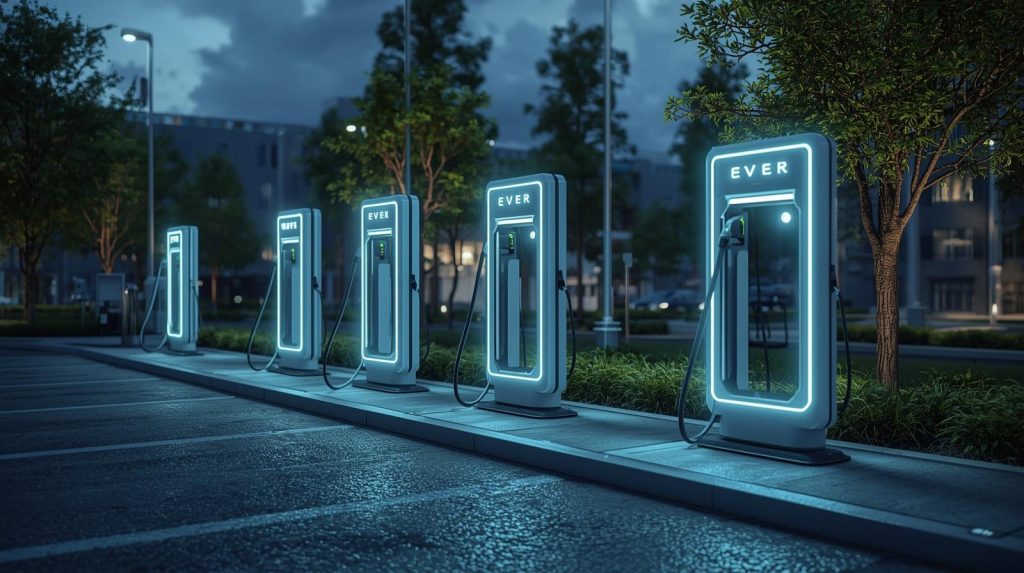
The importance of smart charging will continue to grow as EV adoption increases.
Future advancements may include:
- AI-powered load forecasting
- Real-time grid communication
- Advanced dynamic pricing models
- Expanded V2G capabilities
Smart charging is not just a feature—it is the backbone of the future EV ecosystem.
Why Smart Charging Matters for EV Owners
If you are considering buying an electric vehicle, understanding why smart charging is important for EVs helps you make informed decisions.
With smart charging, you get:
- Lower electricity bills
- Improved battery performance
- Greater convenience
- Reduced environmental impact
- Future-ready charging technology
It ensures that your EV is not only efficient but also sustainable.
Conclusion
So, why is smart charging important for EVs?
Smart charging is important because it optimizes electricity use, prevents grid overload, lowers charging costs, supports renewable energy integration, enhances battery health, and enables advanced energy technologies like V2G.
As the world moves toward cleaner transportation, smart charging will play a central role in maintaining grid stability, reducing emissions, and maximizing the benefits of electric mobility.
The future of EVs is not just electric—it’s intelligent.
FAQs: Why Smart Charging Is Important for EVs
1. Why is smart charging important for EVs?
Smart charging is important for EVs because it optimizes electricity usage, prevents grid overload, reduces charging costs, and supports renewable energy integration.
2. How does smart charging help reduce electricity bills?
Smart charging schedules EV charging during off-peak hours when electricity rates are lower. It can also respond to time-of-use pricing, helping drivers save money automatically.
3. Does smart charging protect the power grid?
Yes. Smart charging balances energy demand by preventing multiple EVs from charging at full power during peak hours, which reduces strain on the grid.
4. Can smart charging improve EV battery life?
In many cases, yes. By controlling charging speed and avoiding excessive high-power charging, smart charging can reduce heat buildup and help maintain battery health.
5. How does smart charging support renewable energy?
Smart charging aligns EV charging with periods of high solar or wind energy production, increasing clean energy usage and reducing reliance on fossil fuels.
6. Is smart charging available for home EV chargers?
Yes. Many modern home EV chargers offer smart features such as scheduled charging, mobile app control, and solar integration.
7. What is the difference between traditional charging and smart charging?
Traditional charging starts immediately when plugged in. Smart charging communicates with the grid and adjusts charging time and speed based on demand and pricing.
8. Is smart charging necessary as EV adoption grows?
Yes. As more electric vehicles hit the road, smart charging becomes essential to manage electricity demand efficiently and ensure grid stability.
9. Can businesses benefit from smart charging?
Absolutely. Businesses and fleet operators can reduce operational costs, manage multiple EVs efficiently, and avoid peak demand charges with smart charging systems.
10. Does smart charging make EVs more environmentally friendly?
Yes. By reducing peak fossil fuel usage and increasing renewable energy consumption, smart charging lowers overall carbon emissions.