
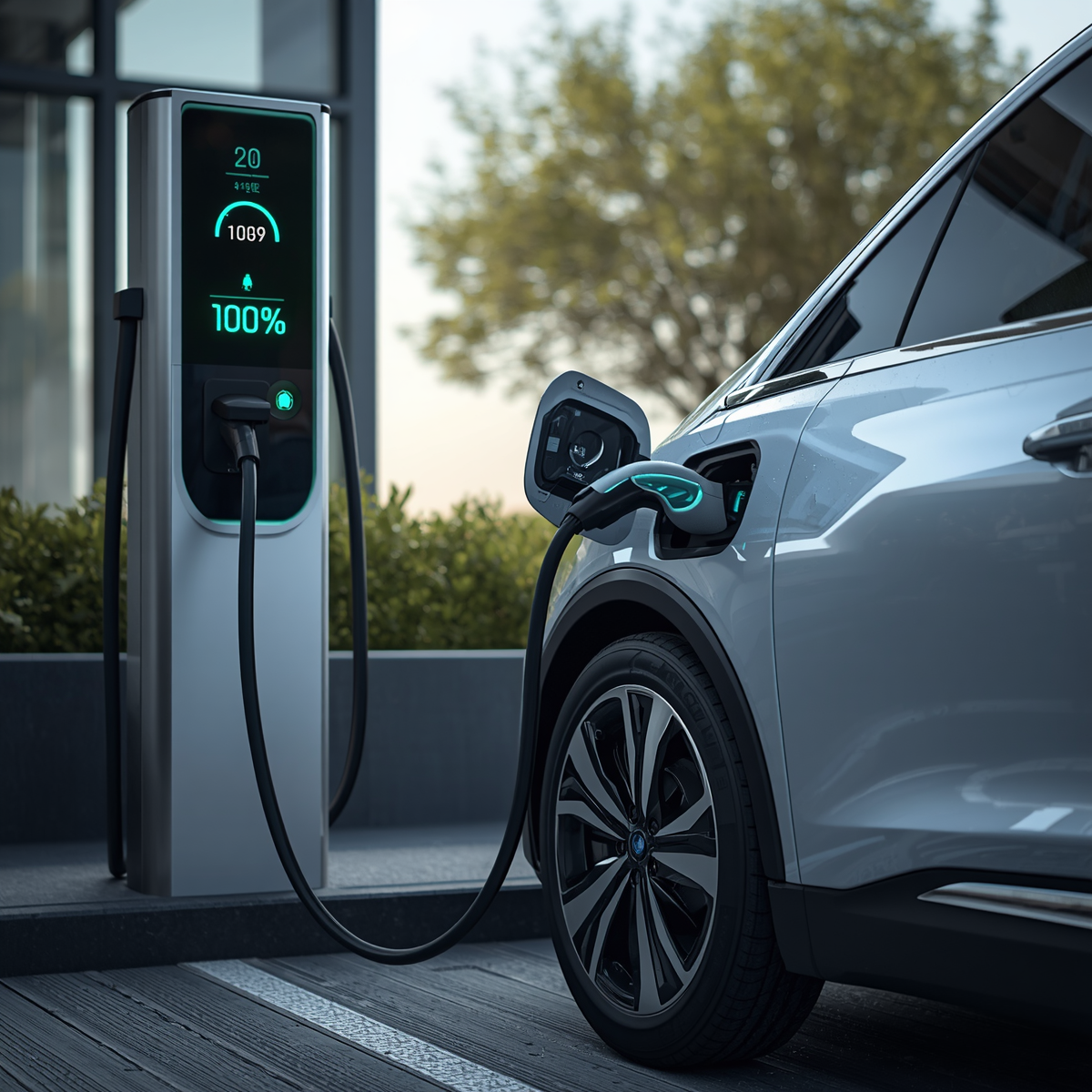
Electric vehicles (EVs) are becoming more popular as people look for cleaner and more efficient transportation options. However, many new EV owners often ask an important question: Is it bad to charge an EV to 100%?
While charging your electric vehicle to full capacity may seem like the best way to maximize driving range, it is not always the best practice for long-term battery health. Understanding how EV batteries work and how charging habits affect them can help you get the most out of your vehicle.
In this detailed guide, we will explain whether it is bad to charge an EV to 100%, how it affects EV batteries, when it is acceptable to fully charge your vehicle, and the best charging habits for maintaining battery longevity.
Understanding EV Battery Technology
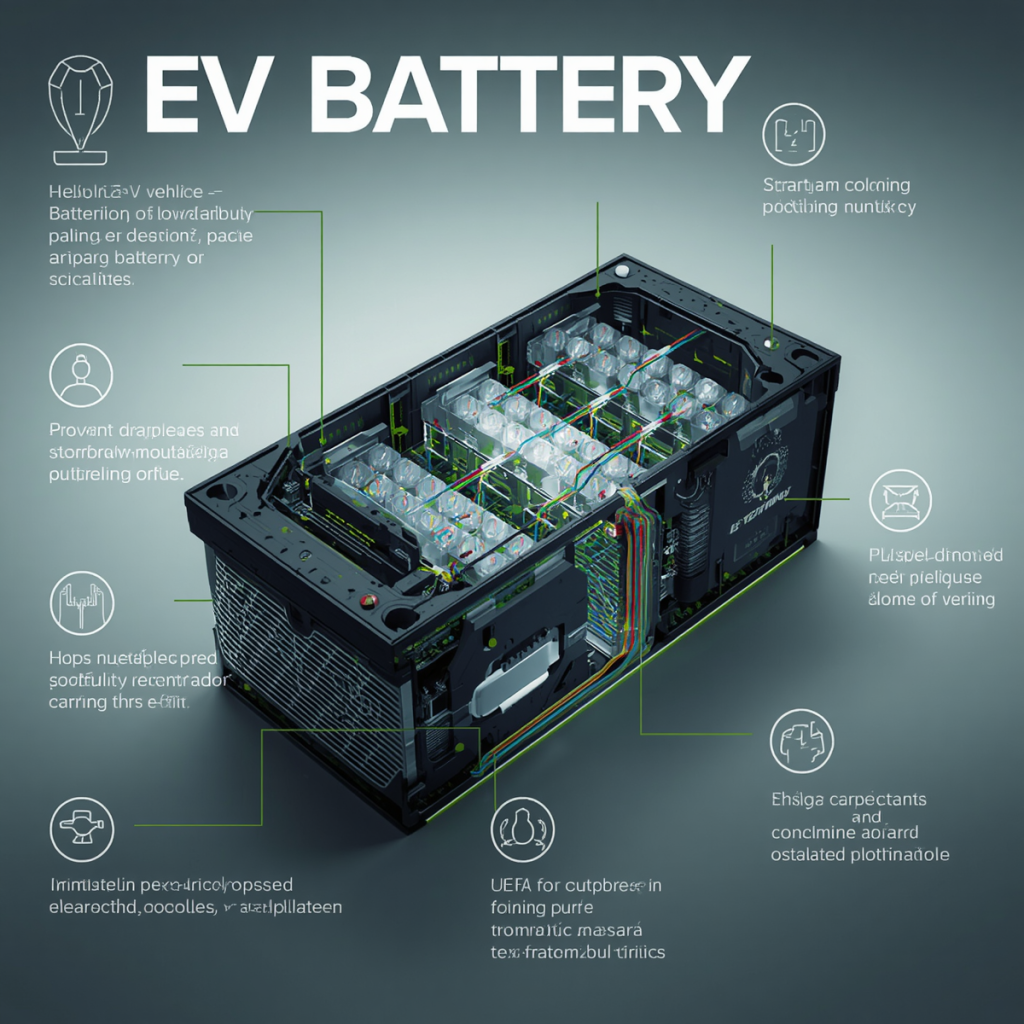
To understand whether it is bad to charge an EV to 100%, it is important to know how EV batteries function.
Most electric vehicles use lithium-ion batteries, which are designed to store and deliver energy efficiently. These batteries are similar to the ones used in smartphones and laptops, but they are much larger and more advanced.
Major EV manufacturers such as Tesla, Nissan, BMW, and Hyundai use sophisticated battery management systems to control charging, temperature, and energy flow.
Despite these protections, charging habits still play an important role in maintaining battery health over time.
Is It Bad to charge to 100%?
The short answer is: No, it is not bad to charge an EV to 100% occasionally.
However, charging your EV battery to full capacity every day may increase battery stress and slightly accelerate long-term degradation.
For daily use, many experts recommend charging the battery to around 80–90% instead of 100%.
Why Charging to 100% Can Affect Battery Health
Lithium-ion batteries experience higher voltage when they reach full charge. This increased voltage can place additional stress on the battery cells.
When an EV battery stays at 100% for long periods, it may lead to:
- Increased chemical stress inside the battery
- Higher battery temperature during charging
- Gradual battery capacity loss over time
This is why many EV manufacturers recommend avoiding full charging for everyday driving unless necessary.
The 20–80% Charging Rule
Many EV experts recommend following the 20–80% charging rule.
This means keeping the battery level between:
- 20% minimum charge
- 80% maximum charge
Maintaining the battery within this range helps reduce voltage stress and prolong battery life.
For most drivers, charging to 80% still provides enough range for daily commuting and errands.
When Charging to 100% Is a Good Idea
Although frequent full charging is not recommended, there are situations when charging to 100% is perfectly acceptable.
1. Long Road Trips
Before a long journey, charging to 100% ensures you have the maximum driving range available.
2. Limited Charging Infrastructure
If you are traveling in areas with fewer charging stations, starting with a full battery provides extra security.
3. Cold Weather Conditions
Cold temperatures can reduce battery efficiency. Charging to 100% can help offset this temporary range reduction.
4. Battery Calibration
Some EVs occasionally require a full charge to help the battery management system maintain accurate range estimates.
Does Fast Charging to 100% Cause More Damage?
Another factor to consider when discussing whether it is bad to charge an EV to 100% is the type of charger used.
AC Charging
AC charging (commonly used at home) is slower and produces less heat, making it safer for regular charging.
DC Fast Charging
DC fast charging delivers high power quickly, which generates more heat. Charging to 100% using fast chargers frequently may increase battery wear.
For this reason, many drivers stop fast charging at around 80%, when charging speed naturally slows down.
Modern EVs Protect Their Batteries
Modern electric vehicles include advanced battery management systems (BMS) that protect the battery from extreme conditions.
These systems monitor:
- Battery temperature
- Charging speed
- Voltage levels
- Energy flow
Some EVs also include hidden battery buffers. This means that when the dashboard shows 100%, the battery may actually be slightly below full capacity to protect the cells.
These features help reduce the risk of damage from full charging.
Best Charging Practices for EV Owners
To maintain battery health and maximize performance, EV owners should follow good charging habits.
1. Charge to 80–90% for Daily Driving
This range reduces battery stress while still providing sufficient driving range.
2. Avoid Frequent Deep Discharges
Try not to let the battery drop to 0% regularly.
3. Use Fast Charging Only When Necessary
DC fast charging is convenient but should not be the primary charging method.
4. Avoid Leaving the Battery at 100% for Long Periods
If you charge to full capacity, it is best to start driving soon afterward.
5. Use Scheduled Charging
Charging overnight during off-peak electricity hours can reduce energy costs.
Does Charging to 100% Affect EV Battery Warranty?
Most EV manufacturers offer battery warranties for 8 years or around 100,000 miles.
Charging to 100% occasionally will not void your warranty. EV batteries are designed to handle full charges when necessary.
However, maintaining healthy charging habits can help ensure the battery performs well even beyond the warranty period.
How EV Technology Is Improving Battery Longevity
Battery technology continues to improve rapidly. New innovations include:
- Better battery chemistry
- Improved thermal management systems
- Faster and safer charging technologies
These advancements make modern EV batteries more durable and reliable than earlier generations.
As EV technology evolves, concerns about battery degradation are becoming less significant.
Conclusion
So, is it bad to charge an EV to 100%?
Charging your EV to 100% occasionally is perfectly safe, especially when preparing for long trips or when you need maximum range. However, charging to full capacity every day may place extra stress on the battery and slightly reduce its lifespan over time.
For everyday driving, the best approach is to keep the battery between 20% and 80%, which helps maintain battery health while still providing plenty of range.
By adopting smart charging habits and understanding how EV batteries work, drivers can ensure their vehicles remain efficient, reliable, and long-lasting for many years.
FAQs: Is It Bad to Charge to 100%?
1. Is it bad to charge an EV to 100%?
No, charging an EV to 100% occasionally is not harmful. However, doing it every day may increase battery stress and slightly reduce long-term battery health.
2. What is the best charging percentage for EV batteries?
Most experts recommend keeping the battery between 20% and 80% for daily driving to help extend battery lifespan.
3. Why do EV manufacturers recommend charging to 80%?
Charging to around 80% helps reduce high voltage stress on lithium-ion batteries, which can improve battery longevity over time.
4. Can I charge my EV to 100% before a long trip?
Yes, charging to 100% before a long journey is recommended because it provides maximum driving range.
5. Does fast charging to 100% damage the battery?
Frequent DC fast charging to 100% may generate more heat and stress for the battery. It is usually better to stop fast charging around 80%.
6. What happens if an EV battery stays at 100% for too long?
Keeping the battery at full charge for extended periods can increase chemical stress inside the battery cells and may accelerate battery degradation.
7. Do modern EVs protect batteries from overcharging?
Yes, modern EVs include advanced battery management systems that monitor charging and prevent damage from overcharging.
8. Will charging to 100% void my EV battery warranty?
No, charging to 100% will not void the battery warranty. EV batteries are designed to handle full charging when necessary.