
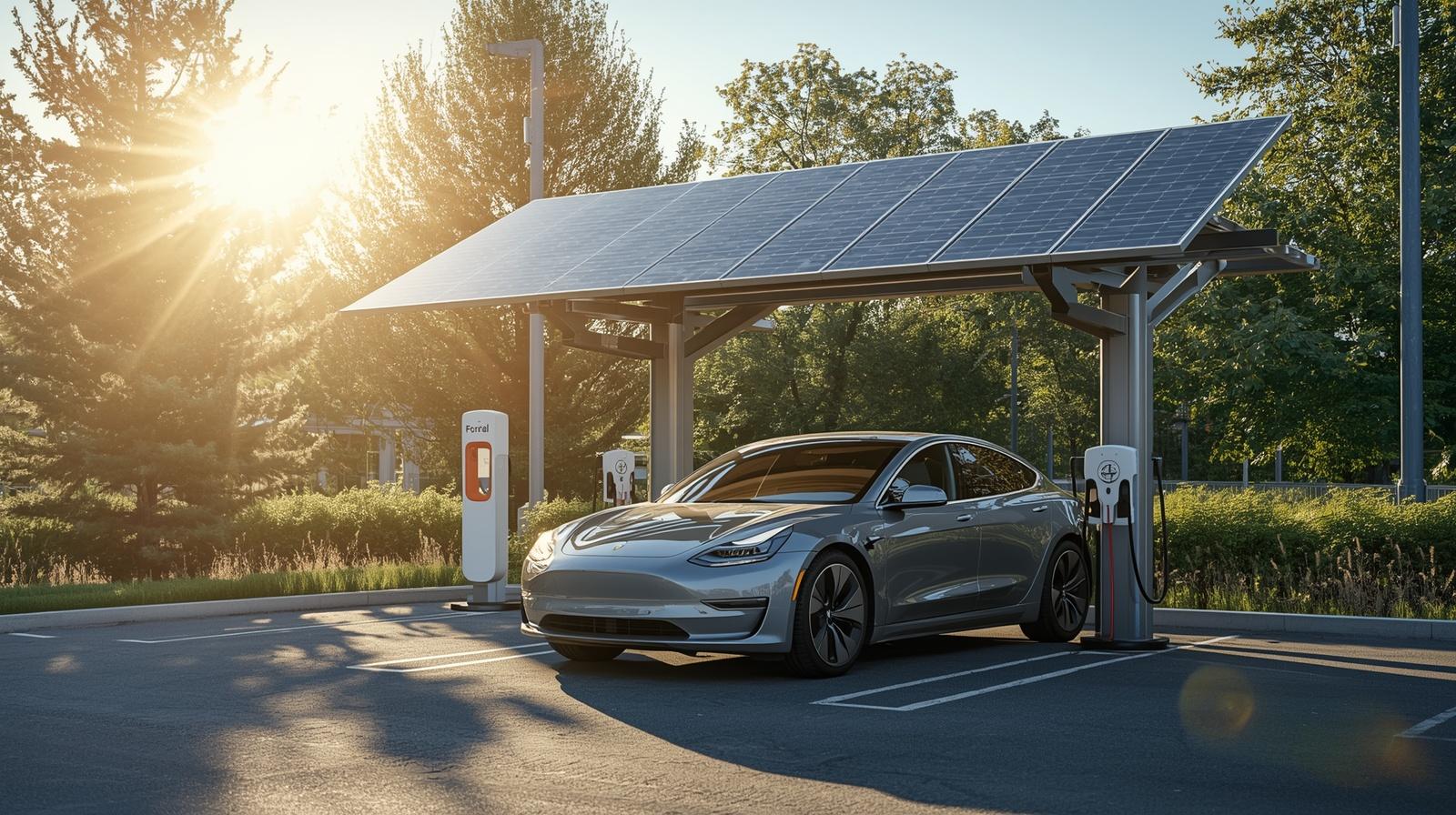
Electric vehicles (EVs) and solar energy are two of the biggest trends in clean transportation. Many people are now asking an exciting question:
Can I charge my EV car with solar panels?
The simple answer is:
Yes, you can charge your EV with solar panels, and many U.S. homeowners already do it.
In fact, combining solar power with an electric car can help you:
- Reduce electricity bills
- Lower your carbon footprint
- Drive using renewable energy
- Save money over time
In this complete guide, you’ll learn exactly how solar charging works, what equipment you need, how much it costs, and whether it’s worth it for your lifestyle.
Can I Charge My EV Car With Solar Panels?
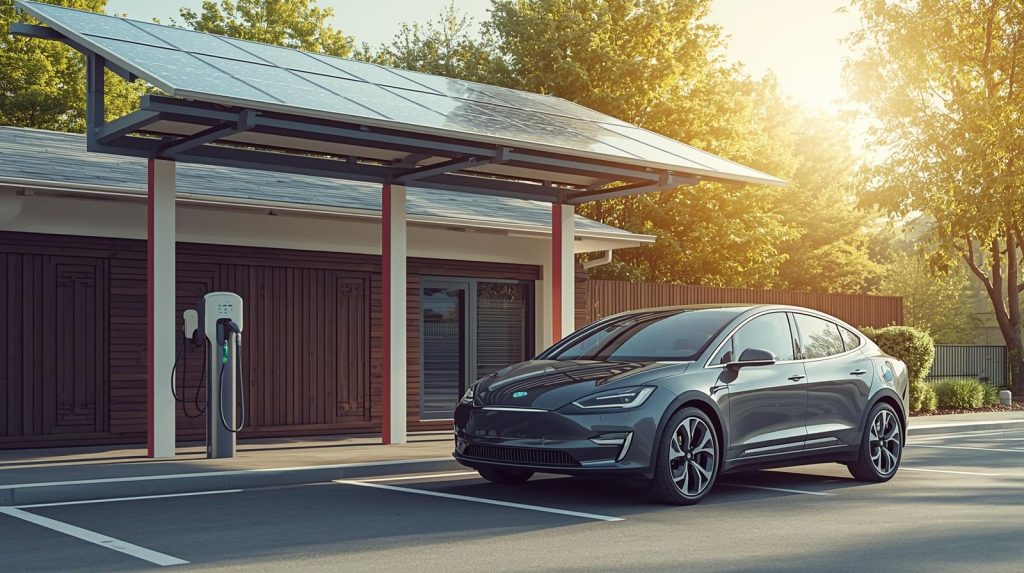
Yes, you can charge an electric vehicle using solar panels.
The system works by:
- Solar panels generate electricity
- Electricity powers your home or charger
- Your EV charges using solar energy
Simple takeaway:
If your home has enough solar power, you can drive using sunlight.
How Solar Panels Charge an EV
Solar panels convert sunlight into electricity.
Step-by-Step Process
1. Solar Panels Capture Sunlight
Panels installed on your roof absorb sunlight.
2. Electricity Is Produced
The solar system creates DC electricity.
3. Inverter Converts Power
An inverter changes DC into AC electricity for your home and EV charger.
4. EV Charger Powers the Car
Your EV charger sends electricity into the battery.
The result:
Your electric car charges using renewable solar energy.
Why More Americans Are Charging EVs With Solar Power
Electricity costs in the U.S. continue to rise. At the same time, solar technology is becoming more affordable.
That combination makes solar EV charging very attractive.
Main Benefits
- Lower charging costs
- Energy independence
- Reduced reliance on the grid
- Cleaner transportation
Many homeowners see it as a long-term investment.
What Equipment Do You Need?
To charge an EV using solar panels, you need a few key components.
1. Solar Panels
These collect sunlight and generate electricity.
Typical Home System:
- 10–20 solar panels
- Depends on EV usage and household electricity needs
2. Inverter
The inverter converts electricity into usable power.
3. EV Charger
A Level 2 charger is the most common option for home charging.
Why Level 2?
- Faster charging
- Better for daily EV use
4. Optional Battery Storage
Some homes also use solar batteries.
Benefits:
- Store extra solar energy
- Charge your EV at night
- Backup power during outages
How Many Solar Panels Does It Take to Charge an EV?
This depends on:
- Your EV battery size
- Daily driving distance
- Solar panel efficiency
Simple Example
If you drive:
- 30–40 miles per day
You may need:
- Around 6–10 solar panels dedicated to EV charging
Larger EVs or longer commutes may require more.
Can You Charge an EV Directly From Solar Panels?
Technically yes—but most systems work through your home electrical setup.
Typical Setup:
Solar Panels → Inverter → Home Electrical Panel → EV Charger
This setup is safer and more reliable.
Best Time to Charge Your EV With Solar Power
The best time is usually:
Midday to afternoon
Why?
That’s when solar panels produce the most electricity.
Smart Charging Tip
Many EV chargers allow scheduled charging.
You can:
- Charge during peak sunlight hours
- Maximize solar usage
- Reduce grid electricity use
Can Solar Panels Fully Charge an EV?
Yes, they can.
But it depends on:
- Solar system size
- Weather conditions
- Battery capacity
- Daily energy use
Example:
A properly sized solar system can generate enough electricity to:
- Power your home
- Charge your EV
Many U.S. homeowners already achieve this.
How Much Money Can You Save?
One major advantage is cost savings.
EV Charging Costs Without Solar
Charging from the grid may cost:
- $500–$1,200+ annually, depending on driving habits
With Solar Panels
Your charging cost can drop dramatically.
In some cases:
Nearly free daytime charging
Environmental Benefits of Solar EV Charging
Charging with solar power is cleaner than using fossil-fuel-generated electricity.
Benefits Include:
- Lower carbon emissions
- Cleaner air
- Reduced fossil fuel use
- Sustainable transportation
This combination supports a greener future.
Challenges of Charging an EV With Solar Panels
While solar charging is excellent, it also has some limitations.
1. High Upfront Cost
Solar panel systems can be expensive initially.
Typical Costs in the U.S.
- $10,000–$30,000+ before incentives
However, federal tax credits can reduce costs.
2. Weather Dependency
Solar panels need sunlight.
On Cloudy Days:
- Energy production decreases
Your EV may still need some grid electricity.
3. Night Charging Limitations
Solar panels do not generate power at night.
Solution:
- Home battery storage
- Net metering
- Off-peak grid charging
4. Roof Space Requirements
Not every home has enough roof space.
Factors:
- Roof size
- Roof direction
- Shade from trees/buildings
A professional solar assessment helps determine suitability.
Is Solar EV Charging Worth It?
For many U.S. drivers, yes.
It Makes Sense If You:
- Drive frequently
- Own your home
- Plan to keep your EV long-term
- Want lower energy bills
Long-term savings can be significant.
Solar EV Charging in Different U.S. States
Solar performance varies by location.
Best States for Solar Charging
- California
- Arizona
- Texas
- Nevada
- Florida
Cooler States
Solar still works in:
- New York
- Washington
- Colorado
Modern solar panels work even in cold climates.
Tips to Maximize EV Charging With Solar Panels
1. Install High-Efficiency Panels
Generate more energy.
2. Use a Smart EV Charger
Optimize charging times.
3. Charge During Daylight
Use direct solar power.
4. Add Battery Storage
Store extra energy.
5. Monitor Energy Usage
Track production and charging.
6. Drive Efficiently
Reduce energy demand.
7. Use Energy-Efficient Appliances
Free more solar power for your EV.
8. Maintain Your Solar System
Keep panels clean and efficient.
9. Take Advantage of Tax Credits
Reduce installation costs.
10. Work With a Certified Installer
Ensure proper system sizing.
Common Myths About Solar EV Charging
Myth: Solar panels cannot fully charge an EV
Fact: Proper systems absolutely can
Myth: Solar charging only works in hot states
Fact: Solar works in many climates
Myth: EV charging with solar is too slow
Fact: Level 2 chargers provide efficient charging
Future of Solar Charging for EVs
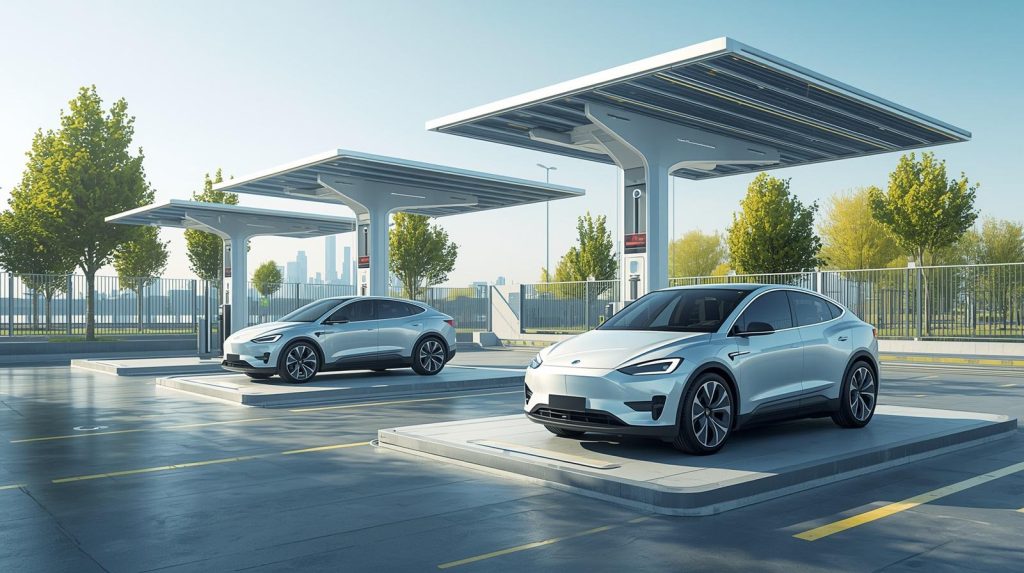
The future looks incredibly promising.
Innovations Coming Soon:
- More efficient solar panels
- Better home batteries
- Smarter charging systems
- Vehicle-to-home technology
Solar-powered transportation will continue growing rapidly.
Final Verdict: Can I Charge My EV Car With Solar Panels?
Yes, you can absolutely charge your EV with solar panels.
For many Americans, it’s one of the smartest ways to:
- Save money
- Reduce emissions
- Gain energy independence
Key Takeaways:
- Solar charging is practical
- It lowers electricity costs
- It supports clean energy
- It works best with a properly sized system
Simple Rule:
Sunlight can power your car just like gasoline once powered traditional vehicles.
FAQs: Can I Charge My EV Car With Solar Panels?
1. Can solar panels fully charge an EV?
Yes, with the right system size.
2. How many solar panels do I need?
Usually 6–12 panels for average EV driving.
3. Can I charge my EV at night with solar?
Only if you use battery storage or grid backup.
4. Is solar EV charging cheaper?
Yes, it can greatly reduce charging costs.
5. Do solar panels work in winter?
Yes, though production may decrease slightly.
Conclusion: Can I Charge My EV Car With Solar Panels?
Now you fully understand the answer to:
Can I charge my EV car with solar panels?
The answer is a strong yes.
As solar technology and electric vehicles continue improving, more Americans are combining both to create cleaner, smarter, and more affordable transportation.
Charging your EV with sunlight is no longer a futuristic idea—it’s already happening today