
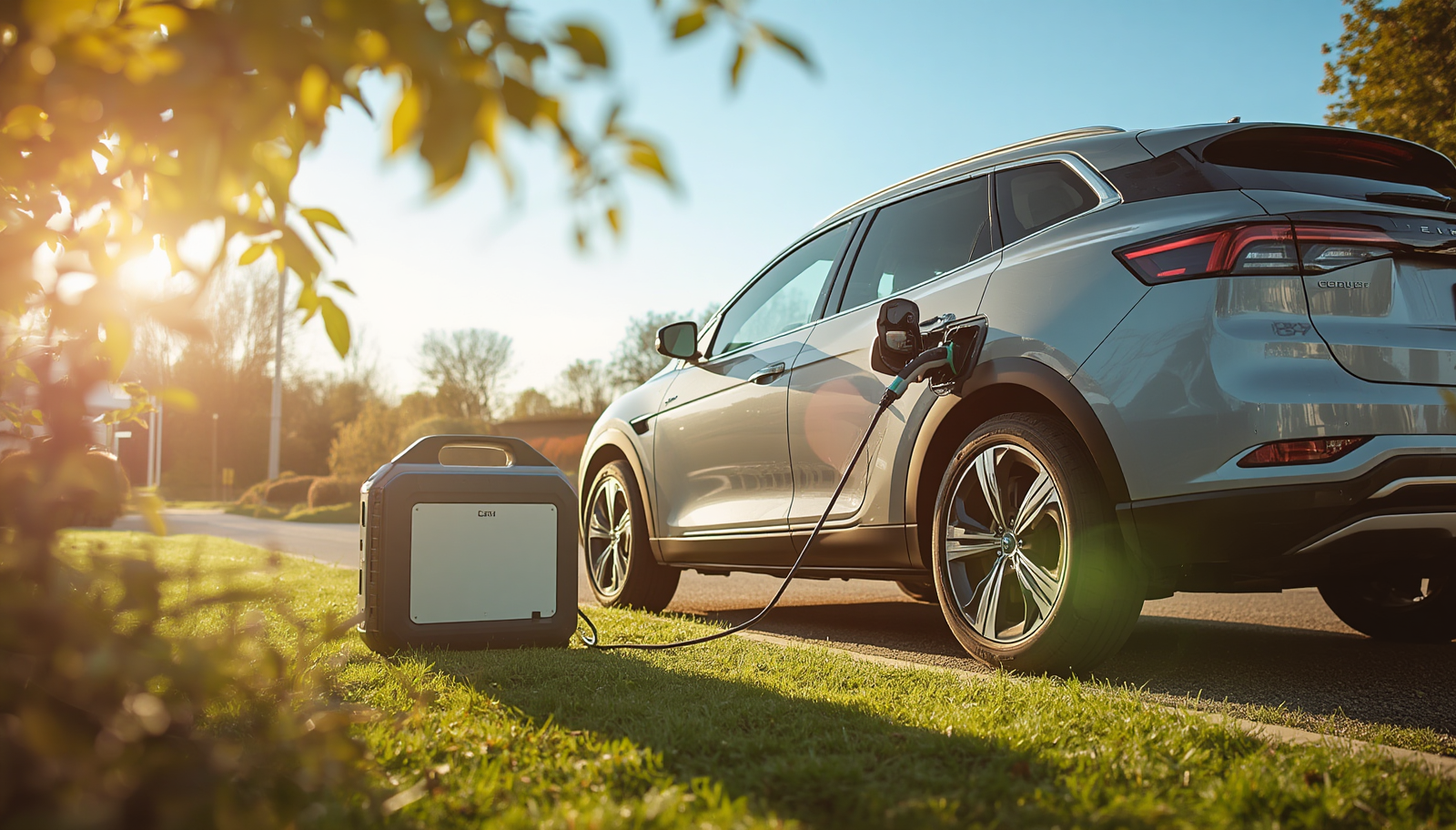
Electric vehicles (EVs) are changing the way people travel. They are cleaner, quieter, and more energy-efficient than traditional gasoline-powered cars. However, one question many EV owners ask is: How fast can a generator charge an EV?
The answer depends on several factors, including the size of the generator, the type of EV charger being used, the battery capacity of the vehicle, and the charging level. While a generator can charge an electric car, the charging speed is often different from what you would get at a home charger or public charging station.
In this comprehensive guide, you will learn how generator EV charging works, how fast different generators can charge an electric vehicle, what factors affect charging speed, and whether charging an EV with a generator is practical for everyday use.
Understanding How a Generator Charges an EV
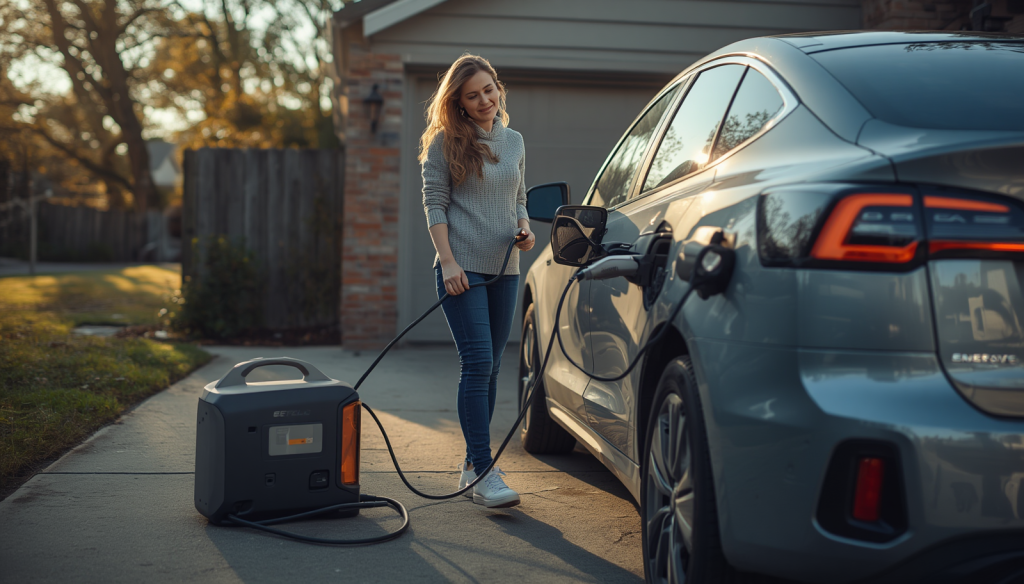
Before discussing charging speed, it is important to understand how a generator charges an electric vehicle.
A generator converts fuel such as gasoline, diesel, propane, or solar energy into electricity. This electricity powers an EV charger, which transfers energy to the vehicle’s battery.
The charging process is similar to charging an EV from a household outlet. The main difference is that the electricity comes from a portable or standby generator instead of the electrical grid.
Most EV owners use generators as a backup charging solution during emergencies, camping trips, road trips, or power outages.
How Fast Can a Generator Charge an EV?
The charging speed depends primarily on the generator’s power output.
A small portable generator may provide only enough power for slow charging, while a larger generator can support faster charging speeds.
Here are some general estimates:
Small Generator (2,000–3,000 Watts)
A generator in this range usually supports Level 1 charging.
Typical charging speed:
- 3 to 5 miles of range per hour
- Approximately 1.4–2.4 kW charging rate
This setup is useful for emergency charging but is relatively slow.
Medium Generator (4,000–6,000 Watts)
A medium-sized generator can provide slightly faster charging.
Typical charging speed:
- 8 to 15 miles of range per hour
- Approximately 3–5 kW charging rate
This option works well for drivers who need additional range during long trips.
Large Generator (7,000–10,000+ Watts)
Large generators can sometimes support Level 2 charging.
Typical charging speed:
- 20 to 40 miles of range per hour
- Approximately 6–9 kW charging rate
These generators can significantly reduce charging times compared to smaller units.
Factors That Affect How Fast a Generator Can Charge an EV
Several important factors determine actual charging speed.
Generator Power Output
The generator’s wattage is the most important factor.
A higher-powered generator can deliver more electricity to the EV charger, allowing the battery to charge faster.
For example:
- 2,000-watt generator = slower charging
- 8,000-watt generator = faster charging
Always check the generator’s continuous running wattage rather than its peak wattage.
EV Battery Size
Not all EV batteries are the same.
A smaller battery takes less time to charge than a larger battery.
For example:
- A 40 kWh battery charges faster than a 100 kWh battery.
- Larger battery packs require more energy and therefore more charging time.
Charging Level
The charging level greatly impacts charging speed.
Level 1 Charging
Level 1 charging uses a standard household outlet and provides the slowest charging speed.
Charging rate:
- Around 1.4–2.4 kW
- 3–5 miles of range per hour
Level 2 Charging
Level 2 charging uses 240 volts and provides much faster charging.
Charging rate:
- Around 6–11 kW
- 20–40 miles of range per hour
Only larger generators can effectively support Level 2 charging.
Battery State of Charge
EV batteries do not charge at the same speed all the time.
Charging is usually fastest when the battery is low and gradually slows as it approaches full capacity.
This helps protect battery health and improve long-term performance.
Weather Conditions
Extreme temperatures can affect battery charging efficiency.
Cold weather may slow charging because batteries work less efficiently in low temperatures.
Hot weather can also trigger battery management systems that reduce charging speed to prevent overheating.
Real-World Example of Generator EV Charging Speed
Imagine you own an electric vehicle with a 60 kWh battery.
You connect it to a generator that provides 6 kW of charging power.
In ideal conditions:
60 kWh ÷ 6 kW = approximately 10 hours
This means a full charge could take around 10 hours.
If you use a smaller 2 kW generator:
60 kWh ÷ 2 kW = approximately 30 hours
This example shows why generator size plays such an important role in charging speed.
Is Charging an EV with a Generator Practical?
The answer depends on your situation.
For emergency use, generators can be extremely helpful.
For everyday charging, however, they are generally less practical than home charging stations.
When Generator Charging Makes Sense
Generator charging is useful when:
- The power grid is unavailable.
- You are camping or traveling off-grid.
- You need emergency charging.
- You live in an area with frequent power outages.
- You need backup charging during natural disasters.
When Generator Charging Is Less Practical
Generator charging may not be ideal when:
- You charge your EV daily.
- Fast charging is required.
- Fuel costs are high.
- You have access to reliable home charging.
For regular use, dedicated EV chargers are usually more efficient and cost-effective.
Types of Generators Used for EV Charging
Different generator types can affect charging performance.
Inverter Generators
Inverter generators are often the best option for EV charging.
Benefits include:
- Stable power output
- Better fuel efficiency
- Quiet operation
- Safe for electronic devices
These generators produce cleaner electricity, making them ideal for modern EVs.
Gasoline Generators
Gasoline generators are common and affordable.
Advantages include:
- Easy availability
- Portable design
- Lower upfront cost
However, they require regular refueling and maintenance.
Diesel Generators
Diesel generators are powerful and durable.
Benefits include:
- High efficiency
- Long lifespan
- Reliable operation
They are commonly used for larger charging setups.
Propane Generators
Propane generators offer cleaner emissions than gasoline generators.
Advantages include:
- Cleaner fuel
- Long storage life
- Lower environmental impact
Solar Generators
Solar generators use renewable energy.
Benefits include:
- No fuel costs
- Zero direct emissions
- Quiet operation
Their charging speed depends heavily on battery storage capacity and available sunlight.
Advantages of Charging an EV with a Generator
Many EV owners appreciate the flexibility generators provide.
Emergency Backup Power
Generators keep your EV moving when the grid fails.
Greater Travel Freedom
Drivers can travel farther into remote areas without worrying about charging infrastructure.
Reduced Range Anxiety
Knowing you have a backup power source can provide peace of mind during long trips.
Multi-Purpose Use
Generators can also power appliances, tools, and emergency equipment.
Disadvantages of Generator EV Charging
While useful, generators also have limitations.
Slow Charging
Most portable generators charge much slower than public DC fast chargers.
Fuel Expenses
Fuel-powered generators require ongoing operating costs.
Noise
Traditional generators can be noisy during operation.
Maintenance
Regular maintenance is necessary to ensure reliable performance.
Environmental Concerns
Gasoline and diesel generators produce emissions that reduce some of the environmental benefits of EV ownership.
Tips to Maximize Generator EV Charging Speed
If you plan to charge an EV with a generator, these tips can help improve efficiency:
- Use the largest compatible generator you can safely operate.
- Choose an inverter generator for stable power.
- Charge when the battery is low.
- Keep the generator properly maintained.
- Use high-quality charging equipment.
- Avoid charging during extreme weather conditions.
These steps can help reduce charging times and improve overall efficiency.
The Future of Generator EV Charging
As EV technology advances, charging solutions continue to improve.
Manufacturers are developing more efficient generators, larger battery storage systems, and advanced solar-powered charging options. Portable charging technology is becoming more practical and environmentally friendly.
In the future, hybrid generator systems that combine renewable energy and battery storage may offer even faster and cleaner charging solutions for EV owners.
Conclusion
So, how fast can a generator charge an EV? The answer depends on the generator’s power output, battery size, charging level, and overall charging conditions.
Small generators typically provide 3 to 5 miles of driving range per hour, while larger generators can deliver 20 to 40 miles of range per hour through Level 2 charging. Although generators are not as fast as public fast chargers, they remain a valuable backup solution during emergencies, road trips, and power outages.
Choosing the right generator and understanding its capabilities can help you get the most efficient charging experience whenever traditional charging options are unavailable.
Frequently Asked Questions (FAQs)
1. How fast can a generator charge an EV?
Charging speed depends on generator size. Small generators may add 3–5 miles of range per hour, while larger generators can add 20–40 miles per hour.
2. Can a portable generator fully charge an electric vehicle?
Yes, a properly sized generator can fully charge an EV battery, although it may take several hours.
3. What size generator is best for EV charging?
For Level 1 charging, a 2,000–3,000-watt generator may be sufficient. For Level 2 charging, a generator with 7,000–10,000 watts or more is often recommended.
4. Is Level 2 charging possible with a generator?
Yes, but only larger generators with adequate power output can support Level 2 charging.
5. Are inverter generators better for charging EVs?
Yes. Inverter generators produce cleaner and more stable electricity, making them safer for EV charging systems.
6. Can charging an EV with a generator damage the battery?
No, as long as the generator provides stable power and compatible charging equipment is used.
7. Is charging an EV with a generator efficient?
It is useful for emergencies, but it is generally less efficient than dedicated home or public charging stations.
8. Can a solar generator charge an electric vehicle?
Yes. Solar generators can charge EVs, although charging speeds are typically slower than fuel-powered generators.
9. How much fuel does a generator use while charging an EV?
Fuel consumption depends on generator size, load level, and runtime.
10. Is generator charging suitable for everyday EV charging?
Most drivers use generators as a backup solution rather than a primary charging method because home chargers are more convenient and cost-effective.