
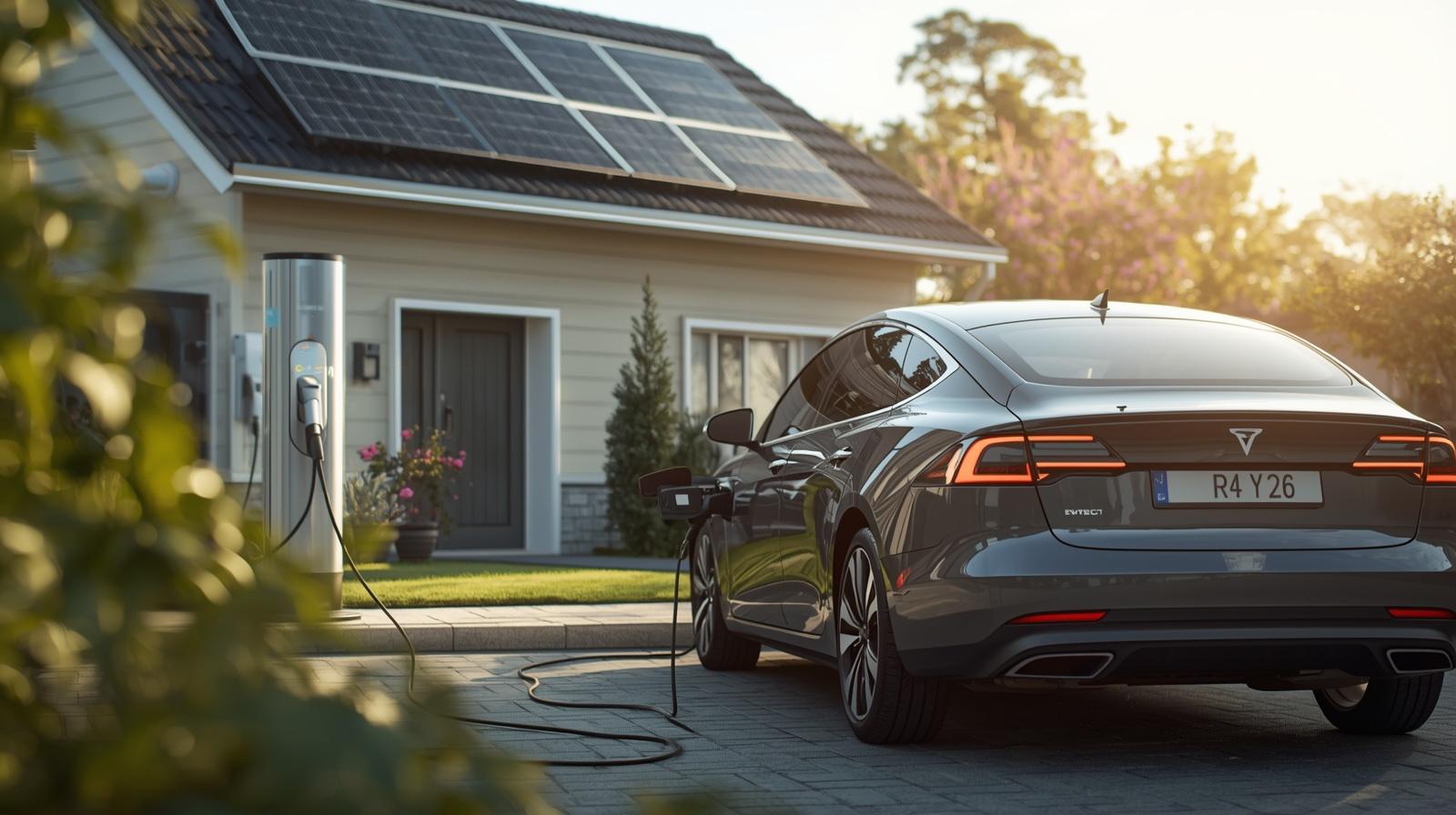
Electric vehicles (EVs) and solar energy are two of the biggest innovations transforming transportation and energy today. Together, they create a powerful combination that helps homeowners save money, reduce their carbon footprint, and become less dependent on the electrical grid.
As more people install solar panels and purchase electric vehicles, one important question continues to arise: Which EV charger works best with solar?
The answer is not as simple as choosing the most expensive charger. The best solar EV charger depends on your solar system size, energy goals, charging habits, and budget. Some chargers are specifically designed to maximize solar energy usage, while others offer smart features that help optimize charging schedules.
In this detailed guide, you’ll learn how solar EV charging works, what features matter most, which EV chargers are best for solar-powered homes, and how to choose the ideal charger for your needs.
Which EV Charger Works Best with Solar?

The best EV chargers for solar integration are smart chargers that can communicate with your solar energy system and adjust charging speeds based on available solar power.
Some of the most highly recommended solar-compatible EV chargers include:
- Wallbox Pulsar Plus
- SolarEdge Home EV Charger
- myenergi Zappi
- Emporia Smart EV Charger
- Enphase IQ EV Charger
- ChargePoint Home Flex
Among these options, chargers with solar energy monitoring and dynamic load balancing typically provide the best solar charging experience.
Why Use Solar Power to Charge an EV?
Before choosing a charger, it’s important to understand why solar charging is becoming so popular.
Traditional EV charging relies on electricity from the power grid. Depending on your location, that electricity may come from coal, natural gas, nuclear energy, or renewable sources.
Solar charging allows homeowners to generate their own electricity using solar panels.
Benefits include:
- Lower charging costs
- Reduced utility bills
- Cleaner energy
- Greater energy independence
- Reduced carbon emissions
- Better long-term savings
Many EV owners view solar charging as the ultimate way to maximize the environmental benefits of driving electric.
How Does Solar EV Charging Work?
Solar EV charging begins with rooftop solar panels.
The panels capture sunlight and convert it into electricity.
That electricity flows through a solar inverter and into your home’s electrical system.
The energy can then:
- Power household appliances
- Charge home batteries
- Charge an electric vehicle
- Export excess electricity to the grid
A solar-compatible EV charger helps manage this energy efficiently and ensures your vehicle uses as much solar power as possible.
Features to Look for in a Solar EV Charger
Not every EV charger is designed for solar integration.
The best solar EV chargers include features that maximize self-generated energy.
Solar Energy Monitoring
Solar monitoring is one of the most valuable features.
This technology allows the charger to monitor:
- Solar production
- Household energy usage
- Grid consumption
By tracking energy flow, the charger can prioritize solar-generated electricity.
This helps reduce dependence on utility power.
Dynamic Load Balancing
Dynamic load balancing automatically adjusts charging speed based on available energy.
For example:
If your home appliances suddenly require more electricity, the charger can temporarily reduce charging power.
This prevents electrical overload and improves energy efficiency.
Smart Charging Controls
Smart charging allows users to manage charging through mobile apps.
Common features include:
- Remote control
- Charging schedules
- Energy tracking
- Cost monitoring
- Solar optimization settings
These tools help homeowners maximize solar energy use.
Wi-Fi Connectivity
Wi-Fi-enabled chargers offer greater flexibility.
Users can:
- Monitor charging sessions
- Receive notifications
- Adjust settings remotely
- Access software updates
Connectivity makes solar charging easier and more convenient.
Best EV Chargers for Solar Systems
Let’s examine some of the top EV chargers available today.
Wallbox Pulsar Plus
The Wallbox Pulsar Plus is one of the most popular smart EV chargers on the market.
Key features include:
- Compact design
- Smart app controls
- Dynamic load balancing
- Solar integration compatibility
- Adjustable charging power
Wallbox also offers advanced energy management tools that help maximize solar usage.
This charger is ideal for homeowners who want flexibility and smart charging capabilities.
SolarEdge Home EV Charger
SolarEdge is a leading name in solar technology.
Its EV charger is specifically designed to work seamlessly with SolarEdge solar systems.
Advantages include:
- Direct solar integration
- Real-time monitoring
- Energy management tools
- Optimized solar charging
For homeowners already using SolarEdge equipment, this charger is often one of the best choices available.
myenergi Zappi
Many experts consider the myenergi Zappi one of the best solar EV chargers available.
The charger was specifically designed for renewable energy charging.
Features include:
- Solar-only charging mode
- Eco charging mode
- Smart energy management
- Real-time solar monitoring
- Grid export management
Zappi can automatically divert excess solar energy into your vehicle rather than sending it back to the grid.
This capability makes it extremely attractive for solar-powered households.
Emporia Smart EV Charger
The Emporia Smart EV Charger offers excellent value.
Features include:
- Affordable pricing
- Smart app controls
- Energy monitoring
- Solar compatibility
- Home energy integration
For budget-conscious homeowners, Emporia provides strong functionality at a competitive price.
Enphase IQ EV Charger
Enphase is another major player in the solar industry.
Its EV charger integrates well with Enphase solar systems and battery storage solutions.
Benefits include:
- Seamless solar integration
- Intelligent energy management
- Battery storage compatibility
- Real-time monitoring
Enphase users often appreciate having all energy data within a single platform.
ChargePoint Home Flex
The ChargePoint Home Flex is one of the most versatile EV chargers available.
Popular features include:
- Adjustable amperage
- Smart scheduling
- Energy tracking
- Wi-Fi connectivity
- Broad EV compatibility
Although not exclusively designed for solar charging, it works effectively with many solar installations.
Which EV Charger Works Best with Solar Panels?
For homeowners seeking maximum solar utilization, the myenergi Zappi is often considered one of the strongest options.
Its dedicated solar charging modes allow users to prioritize excess solar production.
However, the best charger depends on your existing solar system.
For example:
- SolarEdge users often benefit most from the SolarEdge Home EV Charger.
- Enphase users may prefer the Enphase IQ EV Charger.
- Homeowners seeking flexibility may choose Wallbox Pulsar Plus.
Matching the charger to your solar ecosystem often produces the best results.
Solar EV Charging and Home Battery Storage
Many homeowners pair EV chargers with battery storage systems.
Battery storage allows excess daytime solar energy to be stored for later use.
Benefits include:
- Nighttime EV charging
- Reduced grid reliance
- Backup power during outages
- Increased solar self-consumption
Popular battery systems include home energy storage solutions that work alongside solar-compatible EV chargers.
This combination creates a highly efficient renewable energy ecosystem.
How Much Can You Save with Solar EV Charging?
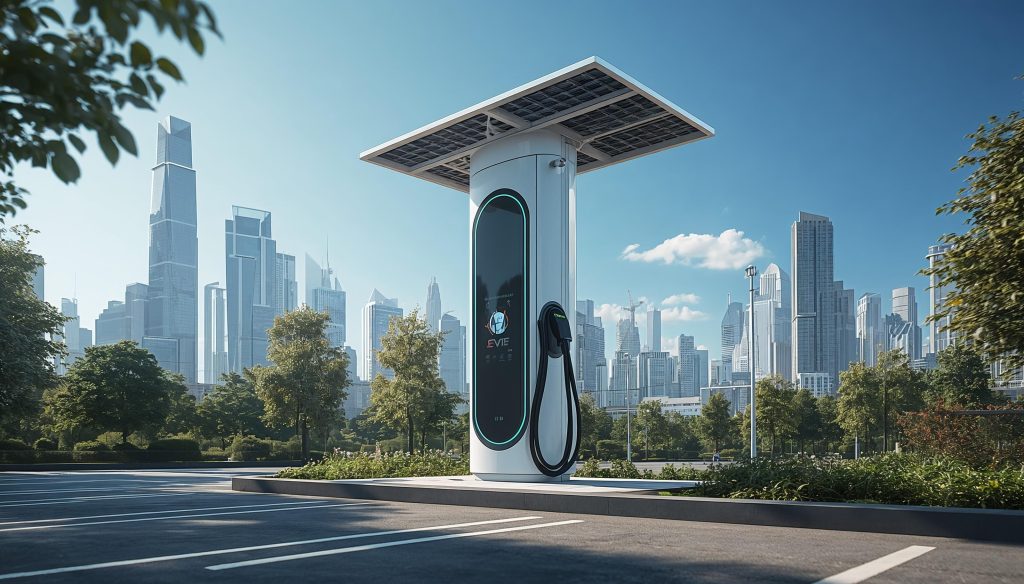
Savings vary based on:
- Electricity rates
- Solar production
- EV usage
- Local utility policies
Many homeowners save hundreds or even thousands of dollars annually by charging their vehicles with solar energy.
Instead of purchasing electricity from the grid, they use free energy generated by sunlight.
Over time, these savings can significantly offset the cost of solar panels and EV charging equipment.
Common Mistakes to Avoid
Many homeowners make avoidable mistakes when setting up solar EV charging.
Common mistakes include:
- Choosing a charger without solar integration
- Ignoring energy monitoring features
- Oversizing or undersizing equipment
- Failing to evaluate future EV needs
- Skipping professional installation
Proper planning ensures maximum performance and long-term savings.
Future of Solar EV Charging
Solar EV charging technology continues to evolve rapidly.
Future innovations may include:
- AI-powered charging optimization
- Vehicle-to-home energy sharing
- Smarter energy management systems
- Faster charging speeds
- Improved battery storage integration
These advancements will make solar-powered transportation even more efficient and affordable.
Conclusion: Which EV Charger Works Best with Solar?
So, which EV charger works best with solar?
The answer depends on your solar setup, charging habits, and energy goals. Chargers like the myenergi Zappi, SolarEdge Home EV Charger, Wallbox Pulsar Plus, Enphase IQ EV Charger, Emporia Smart EV Charger, and ChargePoint Home Flex are among the best options available today.
When choosing a solar-compatible EV charger, prioritize features such as solar energy monitoring, dynamic load balancing, smart controls, and integration with your existing solar system. These capabilities help maximize solar energy use, reduce electricity costs, and create a cleaner, more sustainable charging experience.
As solar energy and electric vehicles continue to grow in popularity, investing in the right solar EV charger can help you get the most value from both technologies while preparing your home for a greener future.
FAQs: Which EV Charger Works Best with Solar?
1. Which EV charger works best with solar panels?
The best EV chargers for solar charging include the myenergi Zappi, SolarEdge Home EV Charger, Wallbox Pulsar Plus, Enphase IQ EV Charger, Emporia Smart EV Charger, and ChargePoint Home Flex. These chargers offer smart energy management and solar integration features.
2. Can I charge my EV directly from solar panels?
No, EVs typically cannot charge directly from solar panels. The electricity generated by the panels usually passes through an inverter and your home’s electrical system before reaching the EV charger.
3. What features should a solar-compatible EV charger have?
A solar-compatible EV charger should include features such as solar energy monitoring, smart charging controls, dynamic load balancing, Wi-Fi connectivity, and integration with solar energy systems.
4. Is the myenergi Zappi a good charger for solar EV charging?
Yes, the myenergi Zappi is widely considered one of the best solar EV chargers because it offers solar-only charging modes, real-time monitoring, and the ability to use excess solar energy for vehicle charging.
5. Can any EV charger work with a solar system?
Most EV chargers can work with a solar-powered home, but not all are optimized for solar charging. Smart chargers with energy management features provide better control and maximize solar energy usage.
6. Do I need battery storage to charge my EV with solar power?
No, battery storage is not required. However, a home battery can store excess solar energy generated during the day and use it to charge your EV at night, increasing energy independence.
7. How much money can I save by charging my EV with solar energy?
Savings depend on electricity rates, solar system size, and driving habits. Many homeowners save hundreds or even thousands of dollars annually by using solar energy instead of grid electricity for EV charging.
8. What is dynamic load balancing in a solar EV charger?
Dynamic load balancing automatically adjusts charging power based on your home’s electricity usage. This prevents electrical overload and helps optimize solar energy consumption.