
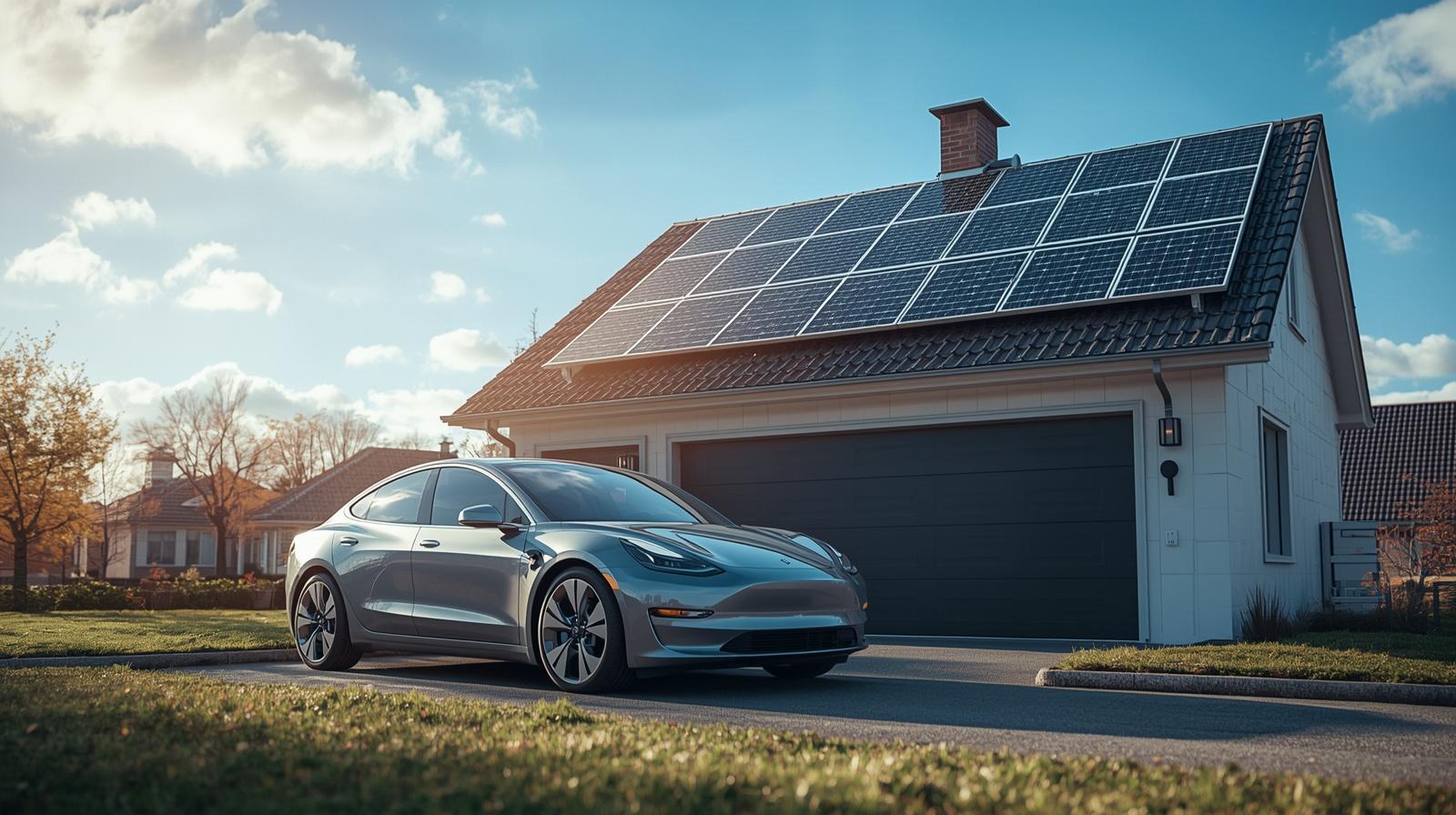
Electric vehicles (EVs) and solar energy are changing the future of transportation. Many people now want to combine both technologies to save money and drive more sustainably. That leads to one of the most common questions:
How many solar panels do I need to charge an electric car?
The answer depends on several factors, including:
- Your EV battery size
- Daily driving distance
- Solar panel efficiency
- Sunlight availability
- Home energy usage
In this complete guide, you’ll learn how to calculate the number of solar panels you need, how solar EV charging works, costs, benefits, and smart ways to maximize efficiency.
How Many Solar Panels Do I Need to Charge an Electric Car?
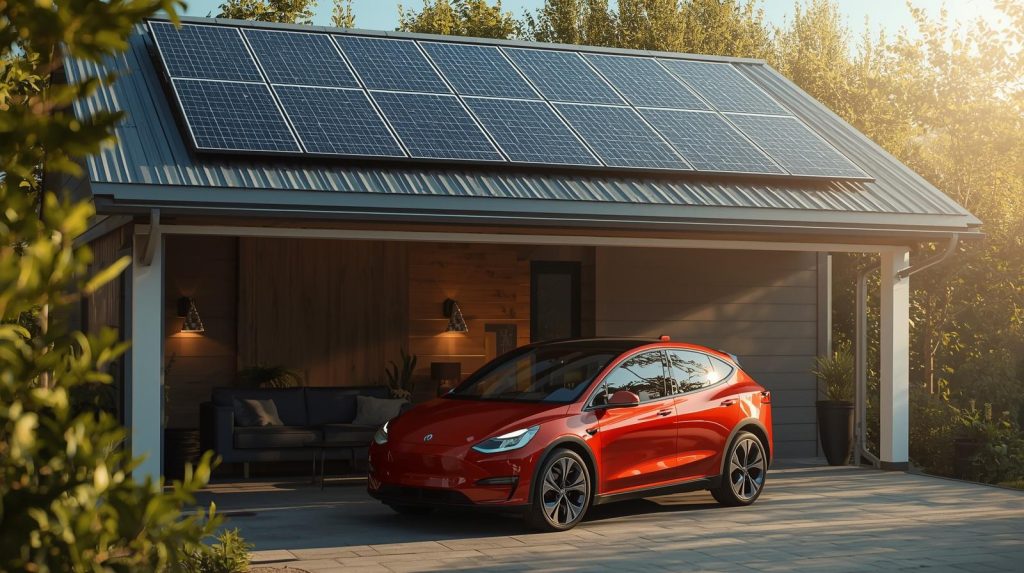
The average U.S. driver typically needs:
- 6–12 solar panels for daily EV charging
- 10–20 panels for full home + EV energy coverage
Simple takeaway:
The more you drive, the more solar panels you’ll need.
How Solar Panels Charge an Electric Car
Before calculating panel requirements, it’s important to understand how solar EV charging works.
The Process Is Simple
1. Solar Panels Capture Sunlight
Panels installed on your roof generate electricity.
2. Electricity Flows Through an Inverter
The inverter converts DC electricity into AC power.
3. EV Charger Powers the Vehicle
A Level 2 charger sends electricity to the EV battery.
4. The Battery Stores Energy
Your EV stores the electricity for driving.
This allows you to power your car using renewable solar energy.
What Determines How Many Solar Panels You Need?
Several factors affect the number of panels required.
1. Your EV Battery Size
Larger batteries need more electricity.
Example EV Battery Sizes
| EV Type | Battery Size |
|---|---|
| Small EV | 40 kWh |
| Mid-Size EV | 60–75 kWh |
| Large EV | 100+ kWh |
Bigger batteries require more solar power.
2. How Much You Drive
Your daily mileage matters a lot.
Example:
Low Mileage Driver
- 20 miles/day
- Needs fewer panels
Long Commute Driver
- 60+ miles/day
- Needs more panels
More driving = more energy use.
3. Sunlight in Your Area
Solar production depends on location.
Best U.S. States for Solar
- Arizona
- California
- Texas
- Nevada
- Florida
Lower Sunlight Areas
- Washington
- New York winters
- Northern states
Less sunlight means more panels may be needed.
4. Solar Panel Efficiency
Not all solar panels produce the same amount of power.
Typical Modern Solar Panels
- 300W–450W per panel
Higher Efficiency Panels:
- Produce more electricity
- Require fewer panels
Better panels reduce roof space needs.
5. Charging Efficiency
Some energy is lost during charging.
Typical Charging Efficiency:
- Around 85–95%
This slightly increases the required solar output.
Simple Formula to Estimate Solar Panels for EV Charging
Here’s a beginner-friendly calculation.
Step 1: Calculate Daily EV Energy Use
Example:
- Driving 40 miles/day
- EV efficiency = 3–4 miles per kWh
Result:
- Around 10–13 kWh per day is needed
Step 2: Estimate Solar Production
A single solar panel may generate:
- Around 1.5–2 kWh daily, depending on sunlight
Step 3: Divide Energy Need by Solar Output
Example:
- 12 kWh needed daily
- Each panel produces 2 kWh
Result:
About 6 solar panels are needed
Real-World Solar Panel Examples
Example 1: Small EV + Short Commute
Setup:
- 30 miles/day
- Efficient EV
Solar Panels Needed:
- 5–7 panels
Example 2: Mid-Size EV + Average Driver
Setup:
- 40–50 miles/day
Solar Panels Needed:
- 6–10 panels
Example 3: Large SUV EV + Long Commute
Setup:
- 70+ miles/day
Solar Panels Needed:
- 12–16 panels
Your lifestyle determines the final number.
Can Solar Panels Fully Charge an EV?
Yes, absolutely.
A properly sized solar system can:
- Fully charge your EV
- Power your home
- Reduce grid dependence
Many U.S. homeowners already do this successfully.
Cost of Installing Solar Panels for EV Charging
Solar systems require an upfront investment.
Typical U.S. Installation Costs
Small Solar Setup
- $8,000–$15,000
Larger Solar Systems
- $15,000–$30,000+
Federal tax credits can significantly reduce costs.
Environmental Benefits of Solar EV Charging
Combining solar energy with electric vehicles creates a cleaner transportation system.
Major Benefits:
- Lower carbon emissions
- Reduced fossil fuel use
- Cleaner air
- Renewable energy usage
It’s one of the greenest driving options available today.
Challenges of Charging an EV With Solar Panels
Solar charging is excellent, but there are a few challenges.
1. Weather Dependency
Cloudy weather reduces energy production.
Your EV may occasionally need grid electricity.
2. No Solar Power at Night
Solar panels stop generating electricity after sunset.
Solutions:
- Home battery storage
- Net metering
- Scheduled daytime charging
3. Roof Space Limitations
Some homes may not have enough roof space.
Factors:
- Roof size
- Shade
- Roof direction
A professional installer can help optimize placement.
Should You Add Battery Storage?
Home battery storage systems can improve solar EV charging.
Benefits:
- Store extra solar energy
- Charge EVs at night
- Backup power during outages
Battery storage increases flexibility but adds cost.
Tips to Reduce the Number of Solar Panels Needed
1. Drive Efficiently
Reduce energy consumption.
2. Use Eco Mode
Improve EV efficiency.
3. Choose a High-Efficiency EV
Some EVs use less electricity.
4. Install High-Efficiency Solar Panels
Generate more energy per panel.
5. Charge During Peak Sunlight Hours
Use direct solar production.
6. Maintain Solar Panels
Keep them clean and efficient.
7. Use Smart Charging Systems
Optimize charging schedules.
8. Avoid Extreme Temperatures
Improve EV battery efficiency.
9. Improve Home Energy Efficiency
Free more solar power for your EV.
10. Monitor Your Energy Usage
Track daily charging needs.
Common Myths About Solar EV Charging
Myth: You need hundreds of solar panels
Fact: Most drivers only need 6–12 panels
Myth: Solar charging only works in sunny states
Fact: Solar panels work in many climates
Myth: Solar EV charging is too expensive
Fact: Long-term savings can be substantial
Future of Solar EV Charging
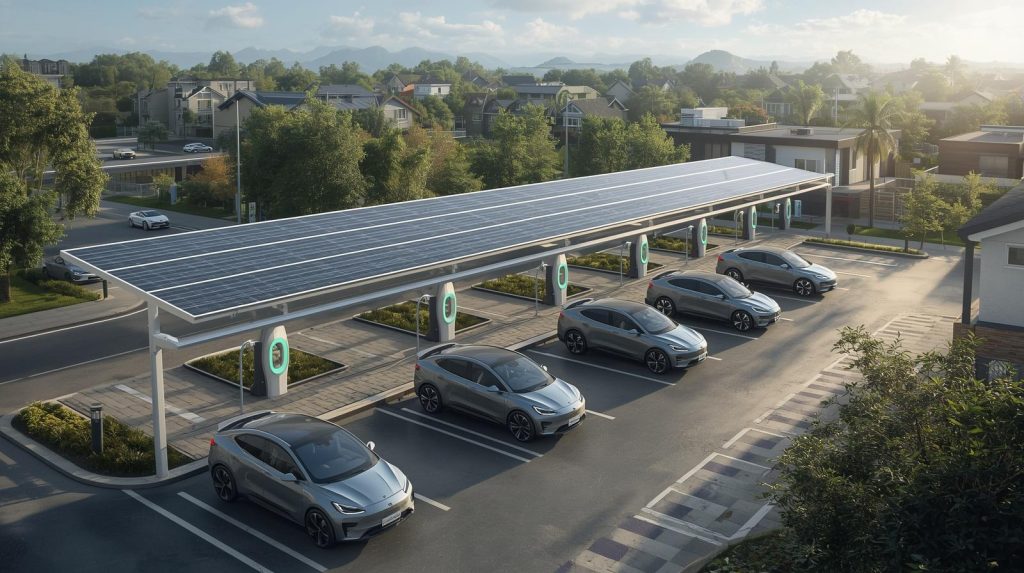
The future looks incredibly promising.
Innovations Coming Soon:
- More efficient solar panels
- Faster EV charging
- Better home batteries
- Smart energy management systems
Solar-powered transportation will continue growing rapidly.
Final Verdict: How Many Solar Panels Do I Need to Charge an Electric Car?
Most U.S. drivers need around 6–12 solar panels for daily EV charging.
However, the exact number depends on:
- Your EV
- Driving habits
- Sunlight conditions
- Solar panel efficiency
Key Takeaways:
- More driving requires more panels
- High-efficiency systems reduce panel count
- Solar charging can lower long-term costs
- A properly sized system can fully power your EV
Simple Rule:
The right solar setup can turn sunlight into free driving energy.
FAQs: How Many Solar Panels Do I Need to Charge an Electric Car?
1. How many solar panels are needed for an EV?
Most drivers need 6–12 panels.
2. Can solar panels fully charge an electric car?
Yes, with a properly sized system.
3. Does the weather affect solar charging?
Yes, cloudy weather reduces production.
4. Is solar EV charging worth it?
Yes, especially for long-term savings.
5. Can I charge my EV at night with solar?
Only if you use battery storage or grid backup.
Conclusion: How Many Solar Panels Do I Need to Charge an Electric Car?
Now you fully understand:
How many solar panels do I need to charge an electric car?
The answer depends on your driving habits, EV efficiency, and sunlight availability.
For most American drivers, a moderate home solar system can easily support daily EV charging while reducing electricity costs and environmental impact.
As solar technology and EV adoption continue growing, powering your car with sunlight is becoming smarter, cleaner, and more affordable than ever.