
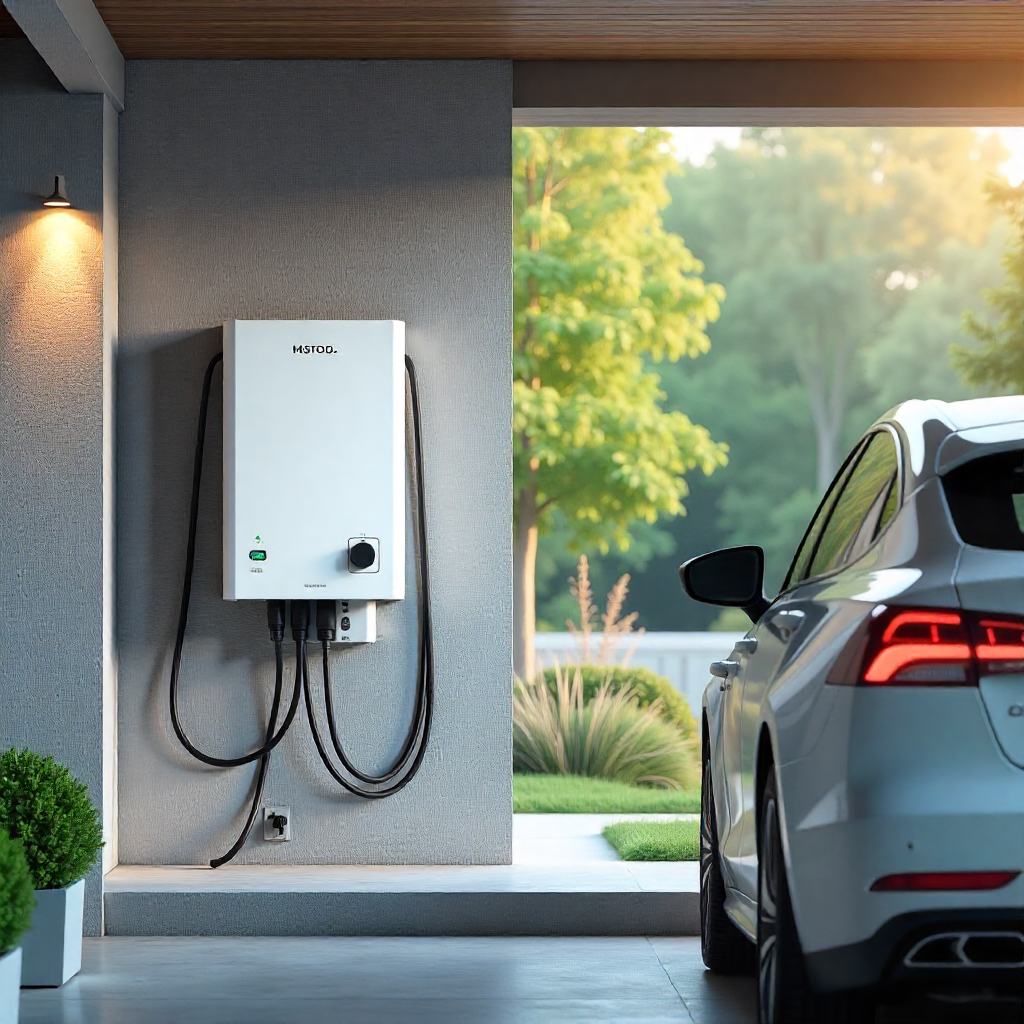
Electric vehicles (EVs) are quickly becoming part of everyday life. More people are switching from gasoline cars to electric ones because EVs are eco-friendly, quiet, and cheaper to operate. Automakers like Tesla, Nissan, Hyundai, and BMW are leading this shift toward electric mobility.
One of the biggest advantages of owning an EV is charging your car at home. Instead of visiting gas stations, you can simply plug in your vehicle overnight and wake up with a full battery.
However, while home charging is convenient, it’s important to follow proper EV charging safety practices. Safe charging protects your electric vehicle, your home’s electrical system, and your battery.
This guide explains everything you need to know about home EV charging safety Guide, including common risks, essential safety tips, and how to create a secure charging setup.
Why EV Charging Safety Matters More Than Ever
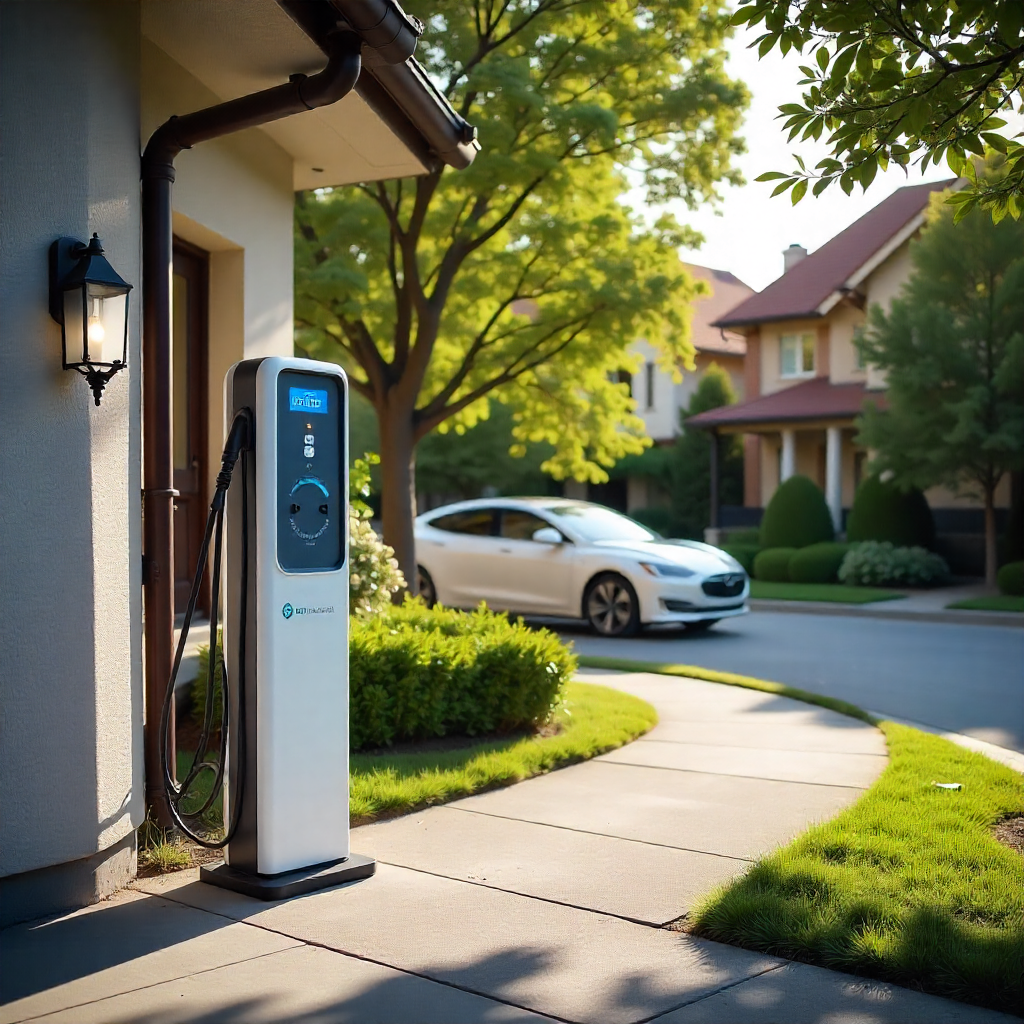
Rise of Home EV Charging
As EV adoption grows, millions of drivers now charge their cars at home. Home charging is convenient because it allows EV owners to recharge their batteries overnight when electricity demand is lower.
Most homeowners install Level 2 chargers, which provide faster charging than standard wall outlets. These chargers can add dozens of miles of driving range every hour.
While modern EV chargers include advanced safety features, proper installation and responsible usage are still essential to prevent electrical issues.
Common Safety Mistakes
Many EV owners assume charging is completely risk-free. However, problems can occur when drivers:
- Install chargers without professional help
- Use low-quality charging equipment
- Ignore damaged cables
- Overload their electrical systems
These mistakes can lead to overheating, electrical faults, or charging failures. Learning safe charging habits helps prevent these issues.
How Home EV Charging Systems Work
Understanding how home EV charging works makes it easier to follow safety practices.
When you plug in your electric vehicle, electricity flows from your home’s electrical panel through the charger and into your car’s battery. The charger communicates with the vehicle to control the charging process safely.
Home charging usually happens in two ways:
Level 1 Charging
- Uses a standard household outlet
- Slower charging speed
- Good for overnight charging with low mileage
Level 2 Charging
- Uses a dedicated EV charger
- Requires professional installation
- Charges vehicles much faster
Many homeowners prefer Level 2 chargers because they provide faster charging and greater convenience.
Top Electrical Risks When Charging an EV at Home
Although EV charging systems are designed to be safe, certain electrical risks can occur if the system is not installed or used properly.
Overloaded Circuits
Electric vehicles require significant power when charging. If your home’s electrical panel cannot handle the load, circuits may become overloaded.
This can cause:
- Circuit breaker trips
- Overheating wires
- Electrical damage
A professional electrician can check whether your electrical panel can support an EV charger.
Faulty Wiring
Poor wiring is another serious risk. If wiring connections are loose or installed incorrectly, the charger may not operate safely.
Faulty wiring can also cause energy loss, slower charging, or electrical hazards.
Poor Grounding
Grounding is a safety feature that directs excess electricity safely into the ground. Without proper grounding, electrical faults could damage equipment or create safety risks.
Professional installations ensure chargers are properly grounded.
Cheap Chargers
Low-cost EV chargers may look attractive, but they can lack proper safety certifications and protective features.
Always choose certified chargers that meet international safety standards. Reliable chargers include protection against overheating, overcurrent, and electrical faults.
15 Essential EV Charging Safety Tips for Homeowners
Following these simple tips can help ensure safe and reliable home EV charging.
- Always use certified EV chargers from trusted brands.
- Hire a licensed electrician for charger installation.
- Install a dedicated circuit for your EV charger.
- Avoid using extension cords with EV chargers.
- Regularly inspect charging cables and connectors.
- Keep the charging area clean and dry.
- Install surge protection devices.
- Do not charge with damaged cables.
- Follow your EV manufacturer’s charging guidelines.
- Avoid overloading your home’s electrical system.
- Use smart chargers to monitor charging sessions.
- Store charging cables properly when not in use.
- Keep children away from charging equipment.
- Schedule periodic electrical inspections.
- Stop charging immediately if you notice unusual smells or overheating.
These habits help protect both your EV and your home.
Safe EV Charger Installation: What Professionals Check
Installing an EV charger is not the same as plugging in a regular appliance. Professional electricians follow strict safety procedures.
During installation, they typically:
- Inspect the home’s electrical panel
- Determine if a panel upgrade is needed
- Install a dedicated circuit for the charger
- Ensure proper grounding and wiring
- Test the charger for safe operation
Professional installation ensures the charger works efficiently and safely for years.
Home EV Charging Safety Checklist
Before installing or using a home EV charger, consider this simple checklist.
Electrical System Check
- Does your electrical panel have enough capacity?
- Is the charger connected to a dedicated circuit?
Installation Check
- Was the charger installed by a licensed electrician?
- Are all wiring connections secure?
Equipment Check
- Are cables and connectors in good condition?
- Is the charger certified and reliable?
Environment Check
- Is the charging area well ventilated?
- Is the charger protected from water and debris?
Regularly reviewing this checklist helps maintain a safe charging setup.
Charging EVs in Garages vs Outdoors
Many homeowners wonder whether it’s safer to charge an EV inside a garage or outdoors.
Garage Charging
Garage charging is common and convenient. It keeps the charger protected from the weather and allows easy overnight charging.
However, garages should have proper ventilation and enough space to avoid cable damage.
Outdoor Charging
Outdoor charging is also safe when using weatherproof chargers. Many EV chargers are designed to withstand rain, heat, and snow.
Make sure outdoor chargers are installed with protective covers and proper weatherproof outlets.
EV Battery Safety During Charging
EV batteries include advanced safety systems that prevent overcharging and overheating. However, good charging habits can extend battery life and improve safety.
To protect your EV battery:
- Avoid frequent 100% charging unless needed
- Keep the battery between 20% and 80% when possible
- Use fast charging sparingly
- Avoid charging in extremely high temperatures
These practices help maintain battery health and efficiency.
Common Home EV Charging Mistakes to Avoid
Many new EV owners make simple mistakes that can affect charging safety.
Some of the most common include:
- Using extension cords for EV charging
- Ignoring damaged cables
- Installing chargers without professional help
- Charging in unsafe locations
- Buying low-quality chargers
Avoiding these mistakes can prevent unnecessary risks.
Smart Chargers and Built-in Safety Features
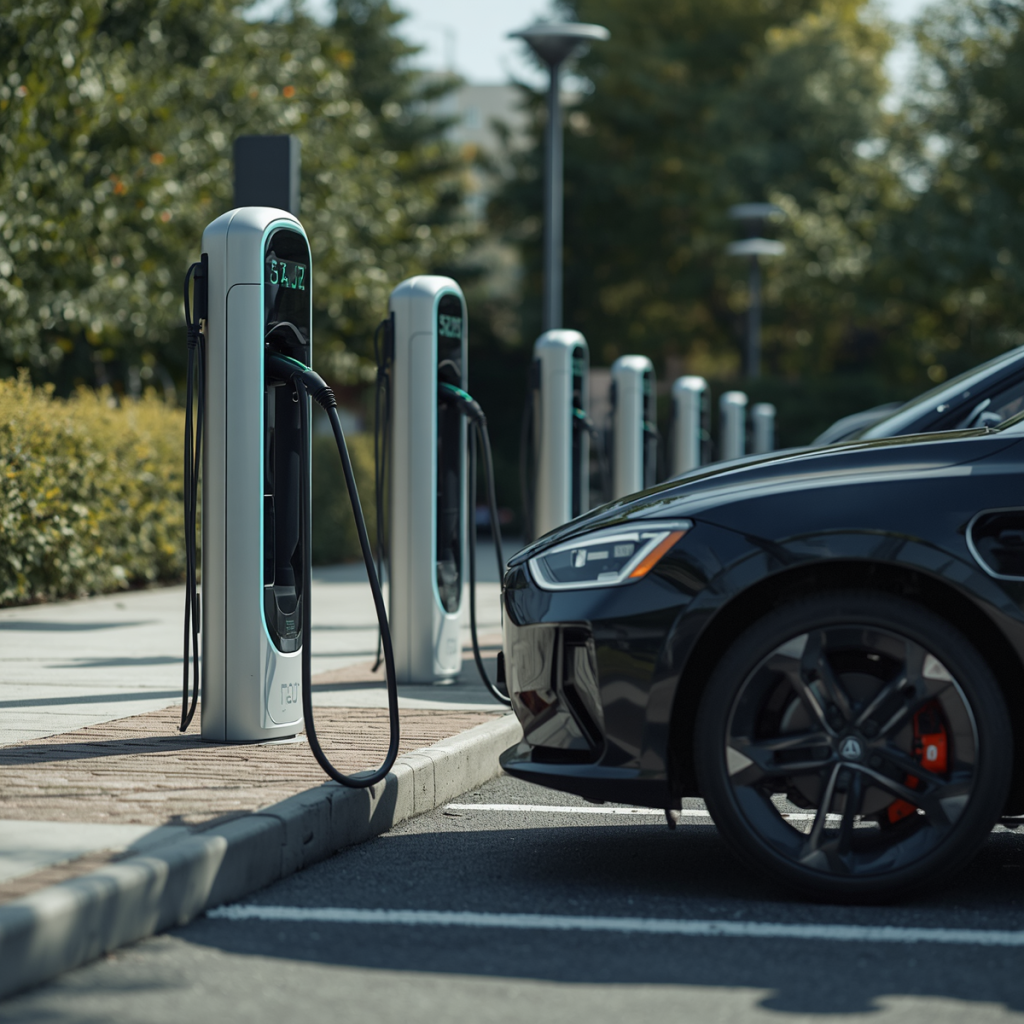
Modern EV chargers are becoming smarter and safer. Many chargers now include advanced features that help monitor and control charging.
Smart chargers can provide:
- Real-time charging data
- Automatic fault detection
- Overheating protection
- Remote monitoring through mobile apps
- Scheduled charging during off-peak hours
These features make charging more convenient and safer for EV owners.
Conclusion: Creating a Safe Home Charging Setup
Home EV charging is one of the biggest advantages of owning an electric vehicle. It offers convenience, lower energy costs, and the ability to charge your car anytime.
However, safety should always come first.
By choosing certified equipment, hiring professional installers, and following proper charging practices, you can create a safe and reliable home EV charging setup.
As electric vehicles continue to grow in popularity, understanding EV charging safety will help drivers enjoy the benefits of clean transportation while protecting their homes and vehicles for years to come.
FAQs: Home EV Charging Safety Guide
1. Is it safe to charge an electric vehicle at home?
Yes, charging an electric vehicle at home is safe when you use a certified EV charger and have it installed by a licensed electrician. Proper installation and regular inspections help prevent electrical risks.
2. What type of EV charger is best for home use?
Most EV owners prefer Level 2 chargers because they charge vehicles faster than standard outlets and are designed specifically for safe home charging.
3. Can home EV charging overload my electrical system?
It can if your electrical panel does not have enough capacity. A professional electrician can check your panel and install a dedicated circuit to prevent overload.
4. Is it safe to charge an EV in the garage?
Yes, charging an EV in a garage is safe if the charger is installed correctly and the area has proper ventilation and enough space for safe cable use.
5. Can EV chargers be used outdoors?
Yes, many EV chargers are designed to be weatherproof and can safely operate outdoors in rain, heat, or cold weather.
6. How often should I inspect my EV charging equipment?
It’s recommended to visually inspect charging cables and connectors regularly and contact a professional if you notice damage, overheating, or unusual charging behavior.
7. Do smart EV chargers improve charging safety?
Yes, smart EV chargers include safety features like overheating protection, fault detection, and real-time monitoring to make charging safer and more efficient.
8. What are the common mistakes people make when charging EVs at home?
Common mistakes include using extension cords, installing chargers without professional help, ignoring damaged cables, and buying low-quality charging equipment.