
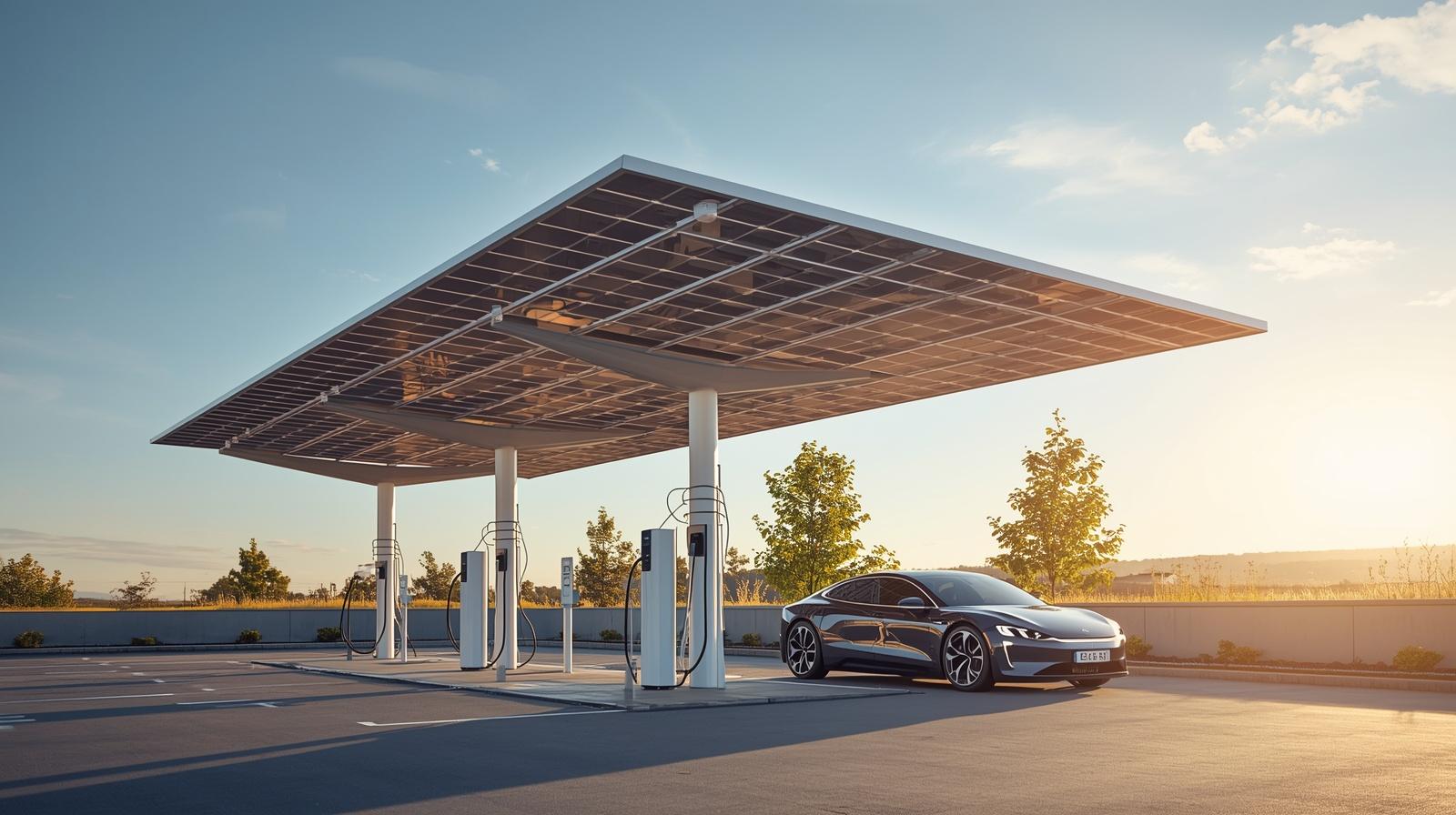
Electric vehicles (EVs) are transforming the way people travel, and solar energy is changing how we produce electricity. When these two technologies come together, drivers can enjoy cleaner transportation, lower energy bills, and greater energy independence. One question many EV owners ask is:
Which solar panel is best for EV charging?
The answer depends on several factors, including solar panel efficiency, power output, durability, warranty, roof space, and your daily driving habits.
In general, high-efficiency monocrystalline solar panels are the best choice for EV charging because they generate more electricity in less space and perform well in various weather conditions. In this complete guide, you’ll learn everything about choosing the best solar panel for EV charging, including solar panel types, important features, top recommendations, installation considerations, and expert tips for maximizing solar-powered driving.
Why Use Solar Panels for EV Charging?
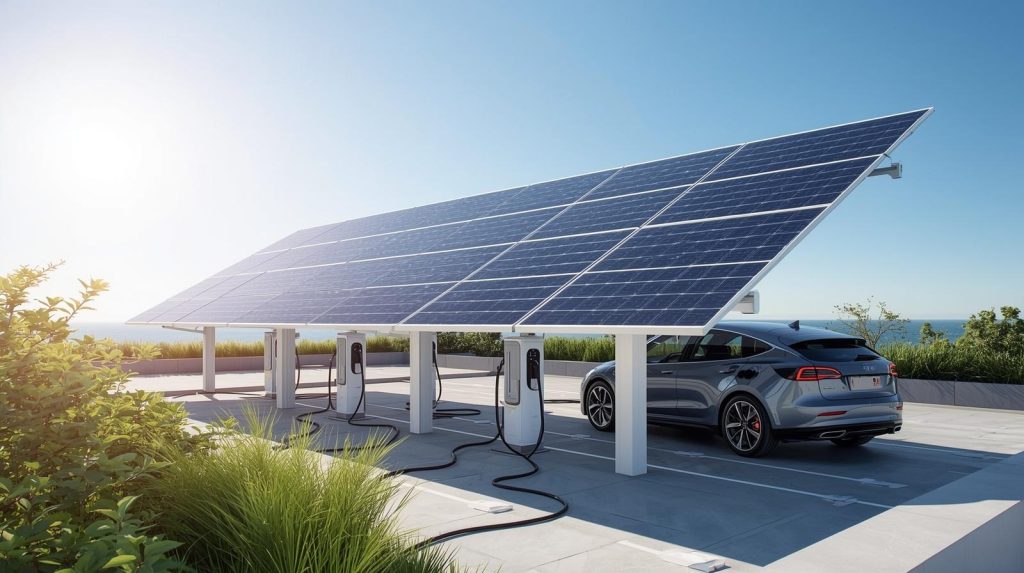
Before choosing the best solar panel, it’s important to understand why solar charging has become so popular.
Electric vehicles require electricity to charge their batteries. While most EV owners use power from the electrical grid, solar panels allow you to generate your own electricity from sunlight.
This creates several advantages:
- Lower charging costs
- Reduced carbon emissions
- Greater energy independence
- Long-term savings
- Cleaner transportation
Instead of paying for every kilowatt-hour from your utility company, you can use renewable solar energy to power your vehicle.
How Solar Panels Charge an Electric Vehicle
The process is simple.
Solar panels collect sunlight and convert it into electricity. This electricity passes through an inverter, which converts it into usable power for your home and EV charger.
The charging station then delivers electricity to your vehicle’s battery.
The basic system includes:
- Solar panels
- Solar inverter
- EV charging station
- Electrical connections
- Optional battery storage
Together, these components allow sunlight to become driving power.
Which Solar Panel Is Best for EV Charging?
For most homeowners, monocrystalline solar panels are considered the best option.
These panels offer:
- Higher efficiency
- Better performance
- Longer lifespan
- More electricity production per square foot
Since EV charging requires significant amounts of energy, maximizing power generation is extremely important.
Types of Solar Panels for EV Charging
Not all solar panels are created equal.
Let’s compare the three main types available today.
Monocrystalline Solar Panels
Monocrystalline panels are widely regarded as the premium choice.
They are made from a single-crystal silicon structure, which allows electrons to move more efficiently.
Benefits
- Highest efficiency ratings
- Better performance in limited space
- Longer lifespan
- Improved low-light performance
- Attractive appearance
Drawbacks
- Higher upfront cost
For most EV owners, the benefits outweigh the additional expense.
Polycrystalline Solar Panels
Polycrystalline panels are made using multiple silicon crystals.
Benefits
- Lower purchase price
- Reliable performance
- Widely available
Drawbacks
- Lower efficiency
- Require more roof space
- Slightly lower energy production
These panels can still work well for EV charging if sufficient installation space is available.
Thin-Film Solar Panels
Thin-film panels use alternative photovoltaic materials.
Benefits
- Lightweight
- Flexible installation options
- Lower manufacturing costs
Drawbacks
- Lowest efficiency
- Shorter lifespan
- Larger installation area required
Thin-film technology is generally less suitable for residential EV charging systems.
Key Features to Look for in the Best Solar Panel for EV Charging
Choosing the right panel involves more than simply looking at price.
Several factors directly affect charging performance.
Solar Panel Efficiency
Efficiency measures how much sunlight a panel converts into electricity.
Higher efficiency means:
- More power generation
- Faster energy production
- Better EV charging support
Recommended Efficiency
For EV charging, aim for:
- 20% efficiency or higher
High-efficiency panels maximize energy production throughout the year.
Power Output
Modern residential solar panels typically produce:
- 350W to 450W per panel
Higher-wattage panels generate more electricity and may reduce the total number of panels needed.
Durability and Weather Resistance
Solar panels operate outdoors for decades.
Look for panels designed to withstand:
- Rain
- Snow
- High winds
- Hail
- Extreme temperatures
Strong durability improves long-term value.
Warranty Coverage
A quality solar panel should include:
- Product warranty
- Performance warranty
Many premium manufacturers offer warranties ranging from 25 to 30 years.
This provides peace of mind and long-term protection.
Temperature Performance
Solar panels lose some efficiency as temperatures rise.
Panels with better temperature coefficients maintain stronger performance during hot summer weather.
This can be particularly important in states such as:
- Arizona
- Texas
- Florida
- Nevada
Best Solar Panel Technologies for EV Charging
Several advanced technologies improve solar panel performance.
PERC Technology
PERC (Passivated Emitter Rear Cell) panels capture additional sunlight and improve efficiency.
Benefits include:
- Higher energy output
- Better low-light performance
- Increased overall efficiency
Many modern solar panels use PERC technology.
Half-Cut Cell Technology
Half-cut cells reduce electrical resistance inside the panel.
Advantages include:
- Improved efficiency
- Better shade tolerance
- Increased durability
These panels are becoming increasingly popular among EV owners.
Bifacial Solar Panels
Bifacial panels capture sunlight from both sides.
Benefits include:
- Higher total energy production
- Improved performance in reflective environments
They can be especially effective for ground-mounted solar installations.
How Many Solar Panels Do You Need for EV Charging?
The exact number depends on your driving habits and vehicle efficiency.
Average U.S. Driver
Most drivers travel approximately 30 to 40 miles per day.
For typical EV usage, homeowners often need:
- 6 to 12 solar panels
Heavy Commuters
Drivers covering longer distances may need:
- 12 to 20 panels
The final number depends on:
- Vehicle efficiency
- Solar panel wattage
- Local sunlight conditions
Best Solar Panel Brands for EV Charging
Several manufacturers consistently produce high-quality solar panels.
Some of the most respected names include:
- SunPower
- REC Group
- Qcells
- Canadian Solar
- Maxeon
These brands are known for strong efficiency ratings, durability, and warranty support.
Benefits of Using High-Efficiency Solar Panels for EV Charging
Investing in premium solar panels can provide several advantages.
Faster Energy Production
Higher-efficiency panels generate more electricity throughout the day.
Lower Roof Space Requirements
You can generate the same amount of power using fewer panels.
Better Long-Term Savings
Greater electricity production means lower charging costs over time.
Improved Performance in Various Conditions
Premium panels often perform better during cloudy weather and lower light conditions.
Common Mistakes When Choosing Solar Panels for EV Charging
Avoid these common mistakes.
Choosing Based Only on Price
The cheapest panel is not always the best value.
Ignoring Efficiency Ratings
Higher efficiency can significantly impact long-term energy production.
Underestimating Future Energy Needs
Consider future EV purchases and household energy growth.
Overlooking Warranty Coverage
Strong warranty protection is important for a long-term investment.
Are Premium Solar Panels Worth It?
For many EV owners, yes.
Although premium panels cost more initially, they often deliver:
- Higher energy production
- Better reliability
- Longer lifespan
- Greater savings over time
When charging an electric vehicle regularly, the additional efficiency can make a noticeable difference.
Future Trends in Solar Panels for EV Charging
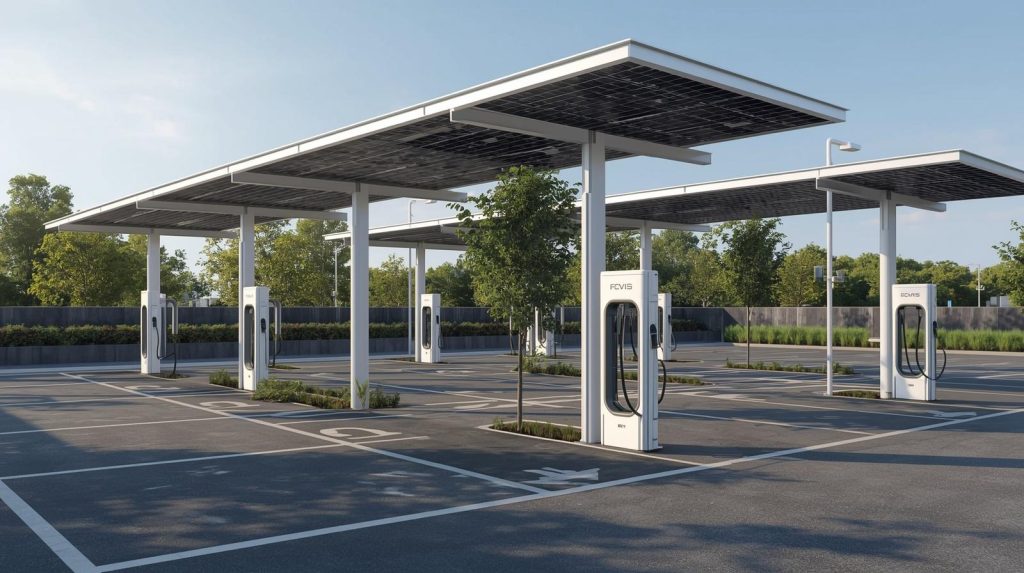
Solar technology continues to improve every year.
Future developments may include:
- More efficient photovoltaic cells
- Lower solar panel costs
- Better battery storage systems
- Integrated solar EV charging stations
- Smarter energy management software
These innovations will make solar-powered transportation even more practical.
Final Thoughts
So, which solar panel is best for EV charging?
For most homeowners, high-efficiency monocrystalline solar panels are the clear winner. They produce more electricity, require less roof space, and provide excellent long-term performance.
When selecting solar panels for EV charging, focus on efficiency, durability, power output, warranty coverage, and overall system design rather than simply choosing the lowest-priced option.
A properly designed solar charging system can help you power your electric vehicle with clean, renewable energy while reducing electricity costs for decades to come.
As EV adoption and solar technology continue to grow, solar-powered driving is becoming one of the smartest investments available for environmentally conscious drivers.
FAQs: Which Solar Panel Is Best for EV Charging?
1. Which solar panel is best for EV charging?
Monocrystalline solar panels are generally the best choice for EV charging because they offer the highest efficiency, produce more electricity, and require less roof space than other panel types.
2. How many solar panels do I need to charge an electric car?
Most EV owners need between 6 and 12 solar panels to support average daily driving. The exact number depends on your vehicle’s energy consumption, driving habits, and local sunlight conditions.
3. Are monocrystalline panels better than polycrystalline panels for EV charging?
Yes. Monocrystalline panels are more efficient, perform better in low-light conditions, and generate more power per square foot, making them ideal for EV charging systems.
4. What solar panel efficiency is recommended for EV charging?
For optimal EV charging performance, choose solar panels with an efficiency rating of 20% or higher. Higher efficiency means more electricity production and lower space requirements.
5. Can solar panels fully charge an electric vehicle?
Yes. A properly sized solar panel system can generate enough electricity to fully charge an electric vehicle and may even cover additional household energy needs.
6. Do solar panels charge EVs faster than the grid?
Solar panels generate electricity, but charging speed depends mainly on your EV charger and system size. A larger solar system can support fast charging when paired with a Level 2 charger.
7. Are premium solar panels worth the extra cost for EV charging?
In many cases, yes. Premium solar panels often provide higher efficiency, better durability, longer warranties, and greater long-term energy savings.
8. What is the lifespan of solar panels used for EV charging?
Most high-quality solar panels last 25 to 30 years or more while maintaining strong energy production throughout their lifespan.