
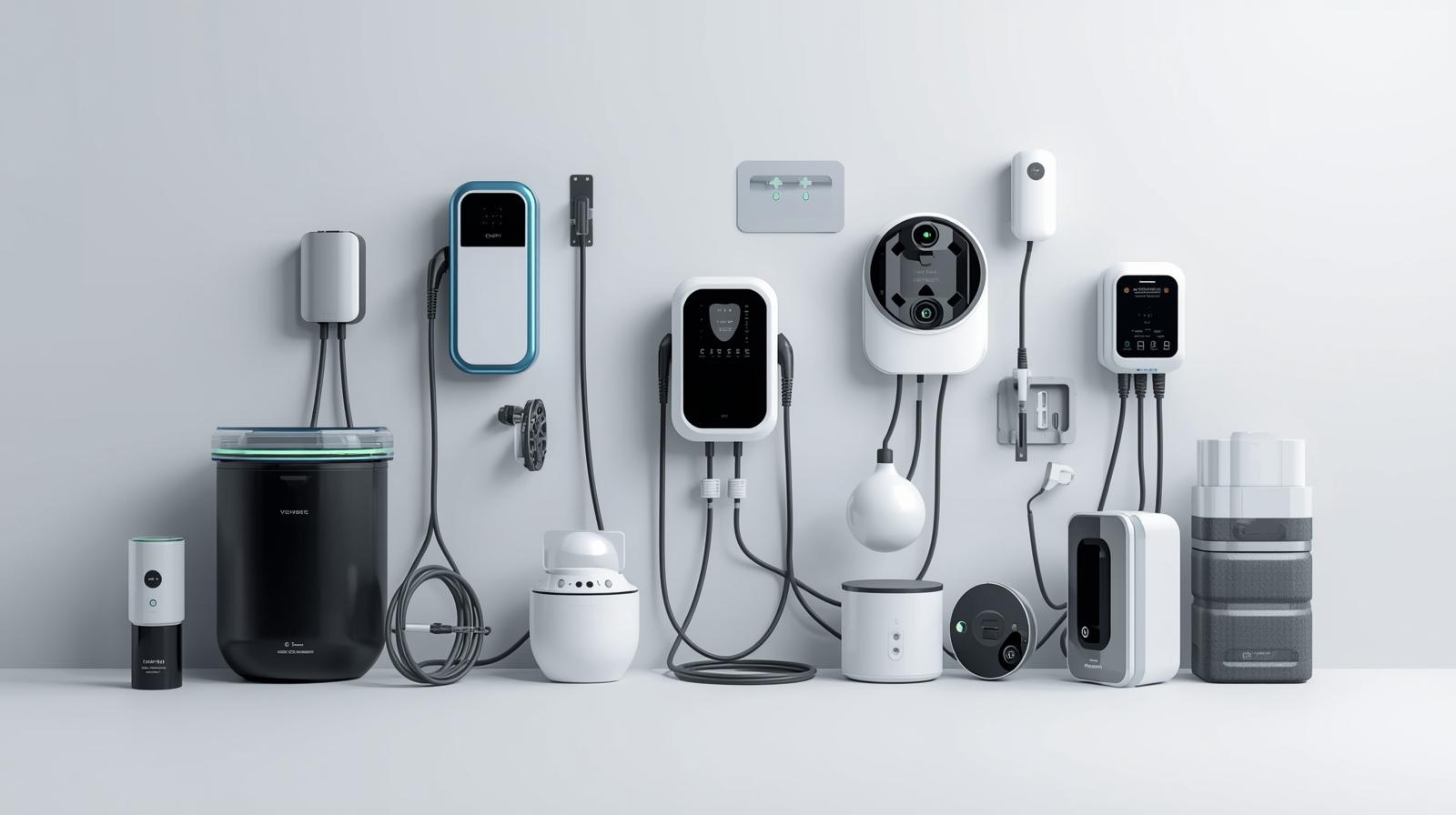
As electric vehicles (EVs) continue to dominate the automotive world, more people are shifting toward clean, efficient, and sustainable transportation. But owning an EV comes with one important question: How will you charge it at home? Understanding the types of home EV chargers is essential, not only for convenience but also for long-term cost savings, efficiency, and battery health.
Whether you’re a new EV owner or considering a switch from gas to electric, this comprehensive guide will walk you through everything you need to know about the types of home EV chargers, how they work, their advantages, installation requirements, and how to choose the best charger for your lifestyle.
Introduction: Why Home Charging Matters
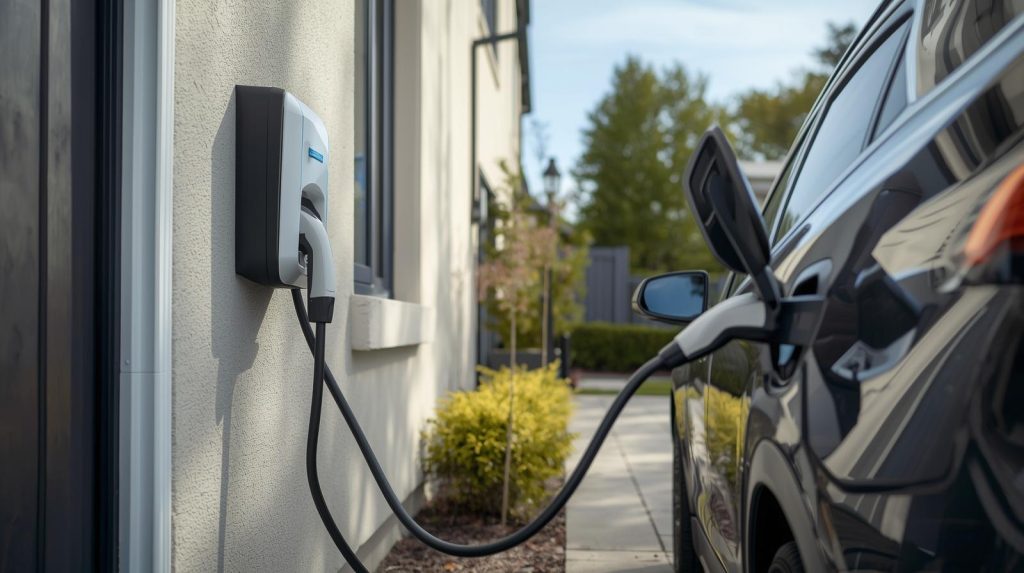
Public chargers are helpful, but nothing beats the convenience of charging your vehicle in your own garage or driveway. A home EV charger:
- Saves time
- Saves money
- Improves battery performance
- Helps you start every day with a full charge
- Reduces dependence on public charging networks
But not all home chargers are created equal. Understanding the types of home EV chargers helps you make a smart, future-proof investment.
What Are Home EV Chargers?
A home EV charger is a device that safely supplies electricity from your home to your electric vehicle. While EVs can be charged using basic household outlets, upgrading to a dedicated charging station accelerates charging time and protects your home’s electrical system.
Different types of home EV chargers vary in power level, installation complexity, speed, cost, smart features, and compatibility with various EV models.
The three main levels of home EV chargers are:
- Level 1 Chargers
- Level 2 Chargers
- Level 3 (DC Fast) Chargers – rarely used at home
Let’s explore each type in detail.
1. Level 1 Home EV Chargers
Level 1 chargers are the simplest types of home EV chargers, commonly included with your electric vehicle purchase.
How Level 1 Chargers Work
- Plug into a standard 120-volt household outlet
- Deliver 2–5 miles of range per hour
- Ideal for overnight charging
- No professional installation needed
Advantages of Level 1 Chargers
- Zero installation cost
- Beginner-friendly
- Ideal for plug-in hybrids (PHEVs)
- Works with any standard home outlet
Disadvantages
- Very slow—may take over 24 hours for a full charge
- Not ideal for drivers with long daily commutes
- Not suitable for larger EV batteries
- Can stress household circuits if used improperly
Best For:
- Drivers who travel under 30 miles per day
- Plug-in hybrid owners
- Temporary or emergency charging
Level 1 chargers are budget-friendly, but most EV owners outgrow them quickly.
2. Level 2 Home EV Chargers (Most Recommended)
Level 2 chargers are the most popular types of home EV chargers because they offer a perfect balance between speed, cost, and efficiency. These chargers require a 240-volt outlet, similar to those used for dryers or water heaters.
How Level 2 Chargers Work
- Use a 240V connection
- Deliver 20–40 miles of range per hour
- Fully charge most EVs in 4–10 hours
- Require professional installation
Advantages of Level 2 Chargers
- 6–12x faster than Level 1
- Ideal for full-electric EVs
- Supports daily, long-distance driving
- Various models: plug-in, hardwired, smart chargers
- Can increase home resale value
- Compatible with solar power systems
Disadvantages
- Higher upfront cost
- Requires electrical work and installation
Types of Level 2 Chargers
Level 2 units come in several versions:
Plug-In Level 2 Chargers
- Plug into a 240V outlet
- Portable and easy to relocate
- Low installation cost
Best for: Renters, temporary installations, or those who plan to move.
Hardwired Level 2 Chargers
- Permanently wired into the electrical system
- Weatherproof, reliable, ideal for outdoor use
- Recommended for long-term installation
Best for: Homeowners, outdoor setups, maximum durability.
Smart Level 2 Chargers
Smart chargers offer modern features such as:
- Wi-Fi or Bluetooth connectivity
- Energy usage tracking
- Scheduled charging
- Remote app control
- Load balancing
- Over-the-air updates
- Solar charging automation
Benefits:
- Lower electricity bills using off-peak hours
- Better battery health
- Detailed energy reporting
- Smart home integration
Smart Level 2 units are becoming the most sought-after types of home EV chargers due to convenience and long-term savings.
3. Level 3 Chargers (DC Fast Chargers)
Rarely Used at Home—But Important to Understand
Level 3 chargers, also known as DC fast chargers, are the fastest types of home EV chargers—but rarely installed in residential settings.
Characteristics
- Deliver 50 kW to 350 kW
- Charge an EV 0–80% in 20–40 minutes
- Use DC power instead of AC
- Require industrial-level power infrastructure
Advantages
- Extremely fast
- Ideal for commercial fleets and businesses
Disadvantages
- Cost ($15,000–$50,000+)
- Very high electrical demand
- Requires utility permission
- Most homes cannot support the power requirements
Best for: Commercial properties, gas stations, EV fast-charging businesses.
Smart vs. Standard Home EV Chargers
Besides power level, another important category in the types of home EV chargers is the difference between smart and standard chargers.
Standard Chargers (Basic Chargers)
- Simple plug-and-charge design
- No Wi-Fi or app features
- Affordable and reliable
Best for: Users wanting simple functionality without extra features.
Smart Chargers (Connected Chargers)
Smart chargers offer:
- Remote monitoring
- Scheduled charging
- Solar energy integration
- Voice control (Alexa, Google Home)
- Charge rate adjustment
- Smart load management
Benefits:
- Reduce electricity bills
- Protect your battery with optimized charging
- Provide detailed energy use reports
Smart chargers are rapidly becoming the preferred types of home EV chargers due to their efficiency, automation, and future-proof capabilities.
Portable vs. Wall-Mounted Chargers
Another way to classify the types of home EV chargers is based on their design.
Portable Home EV Chargers
- Usually Level 1 or portable Level 2
- Easy to carry in the trunk
- Ideal for travel and emergencies
- Lower cost
Downside: Not as efficient or durable as wall-mounted units.
Wall-Mounted Home EV Chargers
- Permanently installed
- Level 2 units
- Weatherproof and durable
- Clean and organized setup
- Better safety features
Best for: Everyday use, long-term home charging.
Wired vs. Wireless EV Chargers
Wireless charging is an emerging category in types of home EV chargers.
Wireless EV Chargers
Uses inductive charging pads placed on the garage floor.
Advantages
- No cables to plug in
- Cleaner and safer
- Long-term convenience
Disadvantages
- Expensive
- Slightly lower efficiency
- Limited availability
- Slower than wired options
Wireless chargers may dominate the future of home EV charging.
Charging Speed Comparison
| Charger Type | Voltage | Range Added per Hour | Full Charge Time |
|---|---|---|---|
| Level 1 | 120V | 2–5 miles | 20–40 hours |
| Level 2 | 240V | 20–40 miles | 4–10 hours |
| Smart Level 2 | 240V | 20–40 miles | 4–10 hours + automation |
| Level 3 | 480V+ | 180–300 miles in 15–30 min | Not ideal for home |
Cost Comparison of Types of Home EV Chargers
| Charger Type | Cost of Equipment | Installation Cost | Best For |
|---|---|---|---|
| Level 1 | Free–$300 | $0 | Light daily driving |
| Level 2 | $400–$900 | $300–$2,000 | Most EV owners |
| Smart Level 2 | $700–$1,600 | $300–$2,000 | Automation, data tracking |
| Level 3 | $15,000–$50,000 | $10,000–$30,000 | Businesses |
How to Choose the Best Type of Home EV Charger
Choosing among the various types of home EV chargers depends on several factors.
1. Your Daily Driving Distance
- Under 30 miles/day → Level 1
- 30+ miles/day → Level 2
2. Your EV Battery Size
Large battery = faster charger required.
3. Home Electrical Panel Capacity
Older homes may need upgrades.
4. Your Budget
Level 2 provides the best long-term value.
5. Smart Home Needs
If you want automation → Smart Level 2 charger.
6. Charging Location
Outdoor setups require weatherproof hardware.
7. Long-Term Plans
If you plan to keep the EV for years, invest in a durable Level 2 unit.
Benefits of Installing a Home EV Charger
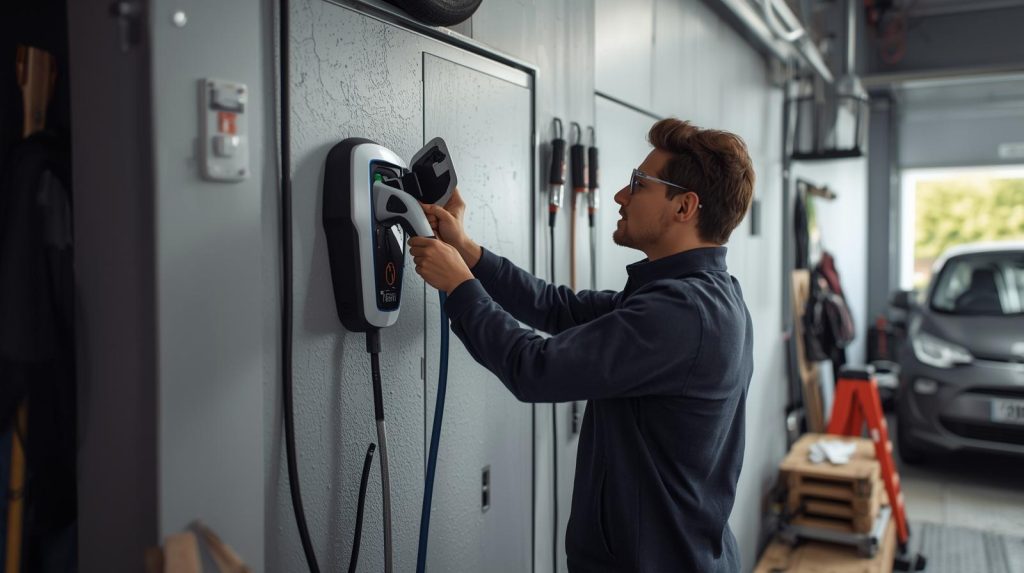
No matter which of the types of home EV chargers you choose, home charging provides huge benefits:
- Lower charging costs
- Safer charging compared to public plugs
- Convenience and time savings
- Full control over energy usage
- No waiting in lines at public stations
- Increased home resale value
- Compatible with renewable energy sources
- Longer EV battery life
Home charging is not only practical but also financially smart.
Future of Home EV Charging
The future of the types of home EV chargers looks promising. Expect:
- Faster high-efficiency Level 2 chargers
- Widespread wireless home charging
- AI-powered smart chargers
- Solar-integrated EV charging
- Vehicle-to-Home (V2H) and Vehicle-to-Grid (V2G) features
As EV adoption increases globally, home charging technologies will continue improving.
Conclusion
Understanding the different types of home EV chargers is essential for every EV owner. While Level 1 chargers work for basic needs, Level 2 chargers are the best choice for most households due to speed, efficiency, and long-term value. Smart Level 2 chargers provide additional convenience through automation and energy monitoring.
Level 3 chargers deliver unmatched speed but remain impractical for home use.
Choosing the right charger ensures safe, convenient, and cost-effective charging for years. If you want to enjoy a seamless EV ownership experience, installing a high-quality Level 2 home charger is the smartest decision.
FAQs for “Types of Home EV Chargers”
1. What are the main types of home EV chargers?
The main types of home EV chargers are Level 1, Level 2, and Level 3 (DC fast chargers). Level 2 is the most popular for home use due to speed and efficiency.
2. Which type of home EV charger is best for daily charging?
A Level 2 charger is the best option for daily use because it charges 6–12 times faster than a Level 1 charger and provides 20–40 miles of range per hour.
3. Can I install a Level 3 DC fast charger at home?
Technically yes, but it’s extremely expensive and requires commercial-grade electrical infrastructure. Most homeowners choose Level 2 instead.
4. Are smart EV chargers better than standard chargers?
Yes. Smart chargers allow you to schedule charging, track energy usage, integrate with solar power, and reduce electricity costs through automated charging.
5. Do I need a professional electrician to install a Level 2 charger?
Yes. Level 2 chargers require a 240V outlet and proper wiring. A certified electrician ensures safe installation and compliance with local electrical codes.
6. How long does it take to charge an EV at home?
- Level 1: 20–40 hours
- Level 2: 4–10 hours
- Level 3: 20–40 minutes (not practical for home use)
7. Are home EV chargers compatible with all electric vehicles?
Most Level 1 and Level 2 chargers use the standard J1772 connector, which works with nearly all EVs. Tesla owners can use adapters.
8. Is it cheaper to charge an EV at home?
Yes. Home charging is significantly cheaper than public charging, especially when using off-peak electricity rates or solar power.
9. Can I use a portable charger as my main home charger?
You can, but portable chargers are slower and less durable. A wall-mounted Level 2 charger is better for daily use.
10. Do home EV chargers require maintenance?
Little to none. Occasional cleaning, inspection of cables, and ensuring proper connection is all that’s needed.