
If you’re thinking about buying a plug-in hybrid vehicle (PHEV), one important question comes up:
What is the lifespan of a plug-in hybrid?
You want to know how long it will last, how reliable it is, and whether it’s worth your money.
The good news?
Plug-in hybrids are built to last many years—often just as long as traditional gas cars or even longer.
In this complete guide, you’ll learn everything about PHEV lifespan in simple language, including battery life, engine durability, real-world data, and tips to make your vehicle last even longer.
What Is the Lifespan of a Plug-In Hybrid?
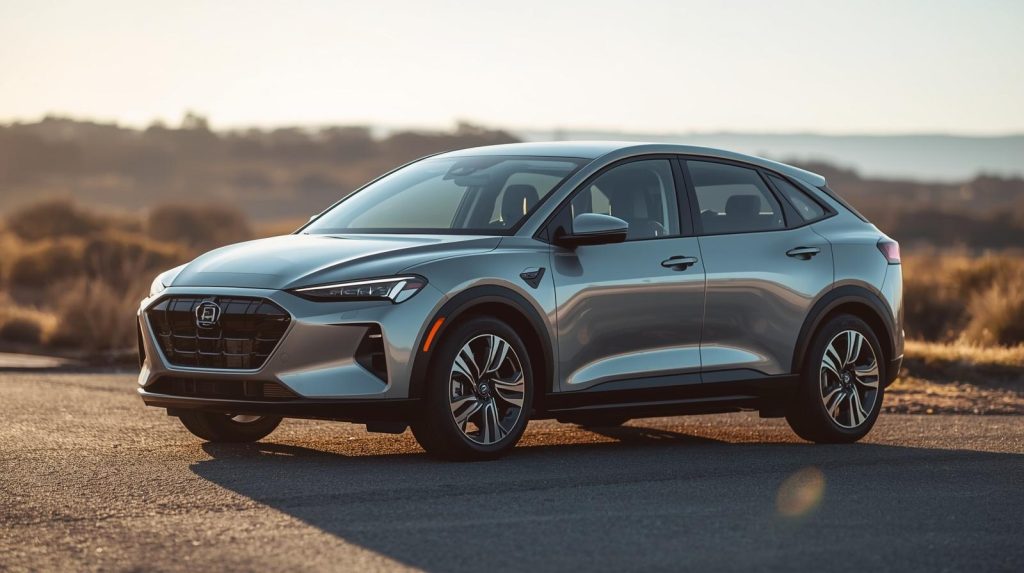
Most plug-in hybrid vehicles last:
- 10 to 15 years
- 150,000 to 250,000 miles
Battery lifespan:
- 8 to 12 years (or more with good care)
Simple takeaway:
A PHEV can last as long as a regular car—sometimes even longer.
What Does “Lifespan” Mean for a PHEV?
A plug-in hybrid has two main systems:
- Electric battery
- Gasoline engine
Lifespan includes:
- Battery health over time
- Engine durability
- Overall vehicle performance
Important:
A PHEV doesn’t suddenly stop working—it gradually ages, just like any car.
What Is the Lifespan of a Plug-In Hybrid Battery?
The battery is the most important part of a PHEV.
Average Battery Lifespan:
- 8–12 years
- 100,000–200,000 miles
What Happens Over Time?
- The battery slowly loses capacity
- The electric range decreases
Example:
- New electric range: 40 miles
- After years: 30–35 miles
The battery still works—it just holds less charge.
What About the Gas Engine?
PHEVs also have a traditional engine.
Engine Lifespan:
- 150,000–250,000 miles (or more)
Why It Lasts Longer:
- The engine is used less often
- Electric motor handles short trips
Less usage = less wear and tear
Real-World Lifespan of Plug-In Hybrids
Many PHEVs on U.S. roads have already proven their durability.
Real Observations:
- Batteries degrade slowly
- Engines last longer due to reduced use
- Overall maintenance is often lower
Many owners report strong performance even after 100,000+ miles.
PHEV Battery Warranty in the U.S.
Manufacturers provide strong warranties.
Typical Warranty:
- 8 years or 100,000 miles
- Some offer up to 150,000 miles
This ensures:
- Battery retains at least 70% capacity
It gives buyers confidence and peace of mind.
Factors That Affect Plug-In Hybrid Lifespan
Not all PHEVs age the same. Let’s look at key factors.
1. Temperature
- Extreme heat → faster battery wear
- Cold weather → temporary range loss
Tip: Park in shaded or covered areas.
2. Charging Habits
Good Habits:
- Keep battery between 20%–80%
- Use home charging regularly
Bad Habits:
- Charging to 100% every day
- Frequent fast charging (if supported)
- Letting the battery drop to 0% often
3. Driving Style
- Smooth driving = less stress
- Aggressive driving = faster wear
4. Mileage
More miles = more wear
But PHEVs are designed for long-term use.
Tips to Extend the Lifespan of a Plug-In Hybrid
Follow these simple tips to keep your PHEV running longer:
1. Follow the 20%–80% Rule
Avoid extreme battery levels.
2. Charge Regularly
Keep the battery active and healthy.
3. Drive Smoothly
Avoid hard acceleration and braking.
4. Use Eco Mode
Reduces stress on the battery and engine.
5. Limit Fast Charging
Use only when necessary.
6. Avoid Extreme Temperatures
Protect the battery from heat and cold.
7. Maintain Tires
Improves efficiency and reduces strain.
8. Follow Maintenance Schedule
Keep the engine and systems in good condition.
9. Plan Efficient Routes
Reduce unnecessary driving.
10. Understand Your Vehicle
Learn how your PHEV works for better use.
PHEV vs Gas Car Lifespan
Let’s compare:
| Feature | Plug-In Hybrid (PHEV) | Gas Car |
|---|---|---|
| Engine wear | Lower | Higher |
| Battery aging | Yes | No |
| Maintenance | Moderate | Moderate |
| Lifespan | Similar or longer | Standard |
PHEVs can last just as long—or longer—than gas cars.
Common Myths About PHEV Lifespan
Myth: PHEVs don’t last long
Fact: They last 10–15 years or more
Myth: Battery replacement is frequent
Fact: Most batteries last the vehicle’s lifetime
Myth: Dual systems wear out faster
Fact: They actually reduce strain on each other
What Happens When the Battery Wears Out?
Even after years, the battery doesn’t suddenly fail.
Options:
- Continue driving with reduced electric range
- Replace battery (if needed)
- Use the vehicle mainly as a hybrid
Battery replacement costs are decreasing over time.
Why PHEVs Are a Smart Choice for U.S. Drivers
PHEVs are perfect for many U.S. lifestyles:
Daily Commuters:
- Drive short distances on electricity
Long Trips:
- Use gasoline for flexibility
This combination helps:
- Extend lifespan
- Reduce fuel costs
- Improve reliability
Future of Plug-In Hybrid Lifespan
Technology is improving quickly.
What’s coming:
- Longer-lasting batteries
- Better energy management
- Lower maintenance costs
Future PHEVs will last even longer.
Final Verdict: What Is the Lifespan of a Plug-In Hybrid?
Most PHEVs last:
- 10–15 years
- 150,000–250,000 miles
Key Takeaways:
- Battery lasts 8–12 years or more
- The engine lasts longer due to less use
- Proper care can extend lifespan significantly
Simple Rule:
Take care of your PHEV, and it will take care of you for years.
FAQs
1. How long does a plug-in hybrid last?
Typically 10–15 years or 150,000–250,000 miles.
2. Do PHEV batteries need replacement?
Rarely—most last many years.
3. What reduces PHEV lifespan?
Poor charging habits, extreme temperatures, and aggressive driving.
4. Is a PHEV reliable in the long term?
Yes, they are designed for long-term durability.
5. Can I extend the lifespan of my PHEV?
Yes, by following good charging and driving habits.
Conclusion
Now you know the answer to “What is the lifespan of a plug-in hybrid?”
The truth is simple:
PHEVs are reliable, durable, and built to last.
With proper care, you can:
- Drive for many years
- Save money on fuel
- Enjoy a smooth and efficient driving experience
Start driving smarter today and get the most out of your plug-in hybrid.