
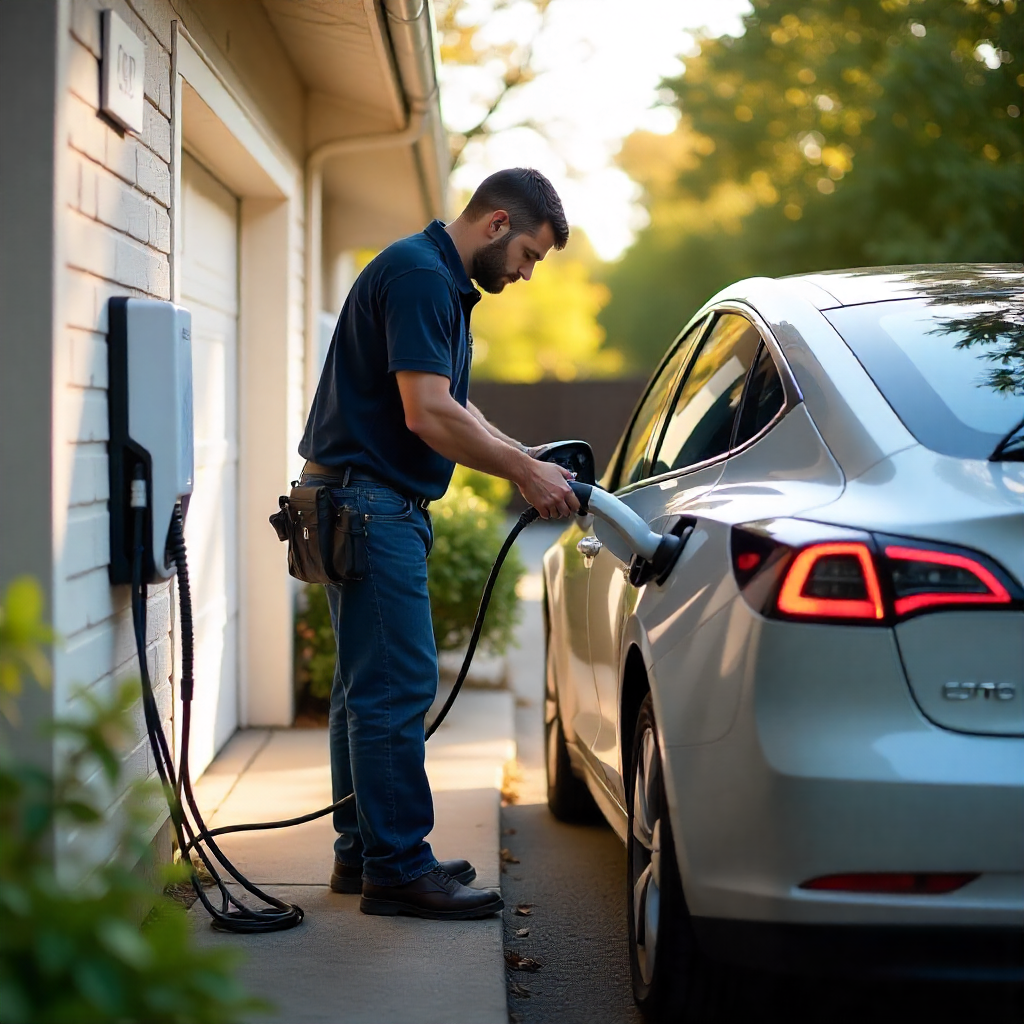
As electric vehicles (EVs) rapidly become mainstream, more drivers are choosing to install home charging stations for convenience, cost savings, and faster charging. But before you begin the installation process, there are several crucial factors to understand. This guide breaks down everything you need to know before installing an EV charger—from charger types to electrical requirements, costs, permits, and expert installation tips.
This comprehensive article is designed to help homeowners, EV buyers, and first-time charger installers understand the full picture. Whether you drive a Tesla, Ford, Hyundai, Kia, Nissan, or any other EV, you’ll find practical information that will help you make smart, safe, and cost-efficient decisions.
What You Need to Know Before Installing an EV Charger
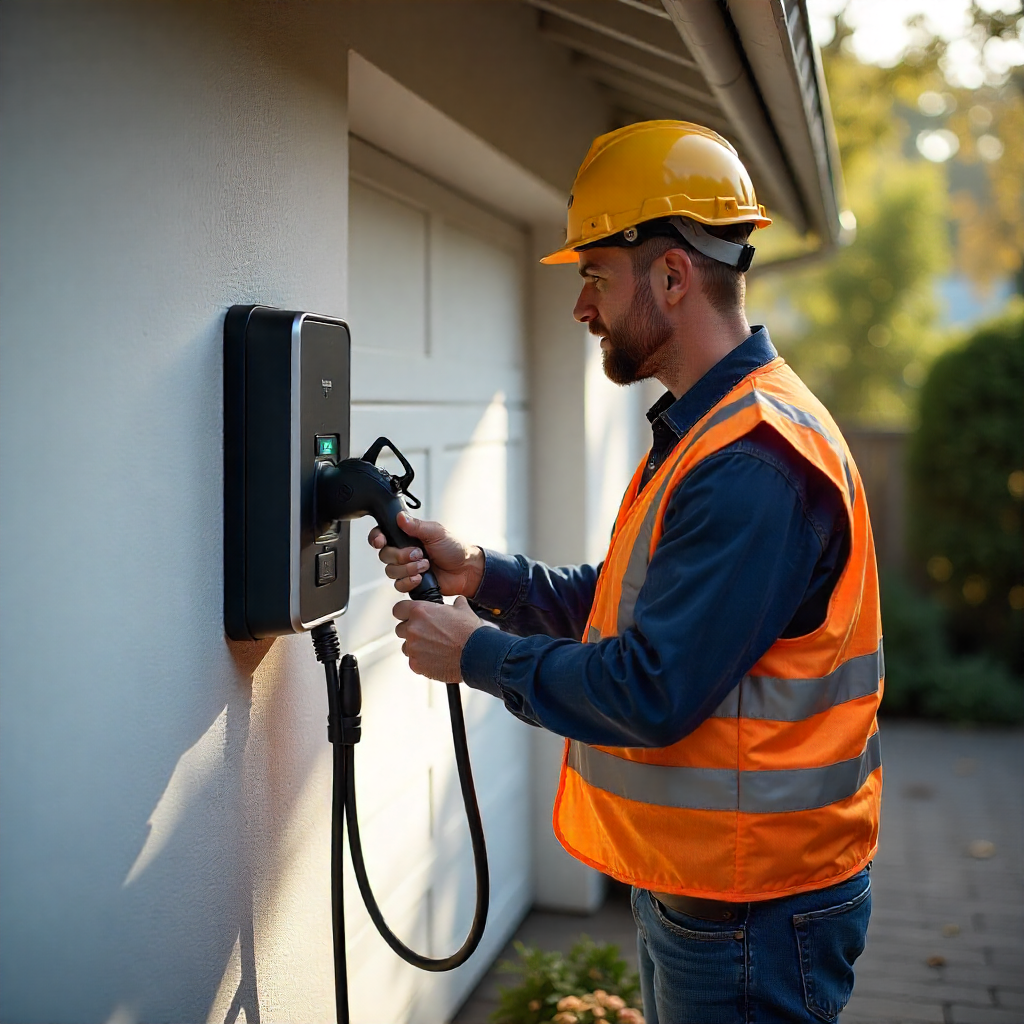
Before getting started, the most important thing to understand is that installing a home EV charger requires planning, technical evaluation, and sometimes electrical upgrades. When researching what you need to know before installing an EV charger, you’ll discover that not all homes are immediately ready for Level 2 chargers, which are the most popular option.
Here are the key things to consider:
- Your home’s electrical capacity
- Charger type and charging speed
- Installation cost
- Whether a permit is required
- Safety and compliance
- Placement and weather-proofing
- Optional smart features
Why Home EV Charging Matters
Home charging provides:
- Lower charging costs compared to public chargers
- Maximum convenience
- Ability to charge overnight
- More control over charging times
- Reduced dependency on public infrastructure
With a home charger, most EV drivers can wake up daily with a full battery—something gas-car owners can’t experience.
Understanding the Different Levels of EV Chargers
Before installing a charger, you must understand the charger types:
Level 1 Charger (120V)
- Comes with most EVs
- Plugs into standard household outlet
- Charging speed: 3–5 miles of range per hour
- Good for slow, overnight charging
Level 2 Charger (240V)
- Needs a 240V dedicated circuit
- Charging speed: 25–45 miles per hour
- Best for daily use
- Requires professional installation
Level 3 DC Fast Chargers
- Not for home use
- Extremely high voltage
- Used at public charging stations
The majority of homeowners look at what you need to know before installing an EV charger because Level 2 chargers are the most practical option.
Choosing Between Level 1 and Level 2 Chargers
Level 1: Fine for light, occasional driving.
Level 2: Needed for daily commuting, larger batteries, or multiple EVs.
Most users installing a charger at home are choosing Level 2 because:
- It charges up to 8x faster
- Works well for long-range EVs
- Fits future EV battery sizes
Electrical Requirements to Install a Home EV Charger
One of the most important aspects of what you need to know before installing an EV charger is electrical capacity.
A Level 2 charger requires:
- A 240-volt circuit
- A breaker rated between 30A–60A
- A dedicated line from the panel to the charger
Most chargers draw between 24 and 48 amps.
Do You Need a Dedicated Circuit?
Yes—almost always.
A dedicated circuit ensures:
- Safe charging without tripped breakers
- Stable power
- Prevents overheating of wires
Never plug a Level 2 charger into an existing outlet without a dedicated line.
EV Charger Installation Costs
Costs vary depending on electrical configuration.
Typical Cost Breakdown
| Component | Cost Range |
|---|---|
| Level 2 Charger | $300–$800 |
| Professional Installation | $400–$2,000 |
| Panel Upgrade (if needed) | $1,000–$3,500 |
| Permits | $50–$300 |
Total cost: $700–$4,000+ depending on home setup.
Do You Need a Permit?
In most regions, yes.
Permits ensure:
- Code compliance
- Electrical safety
- Proper inspection
Your electrician usually handles the permit.
Smart Chargers vs. Standard Chargers
Smart chargers provide:
- Wi-Fi control
- Charging schedules
- Energy use tracking
- Load balancing
- Integration with solar
These features save money, enhance convenience, and protect your electrical system.
Indoor vs. Outdoor Installation
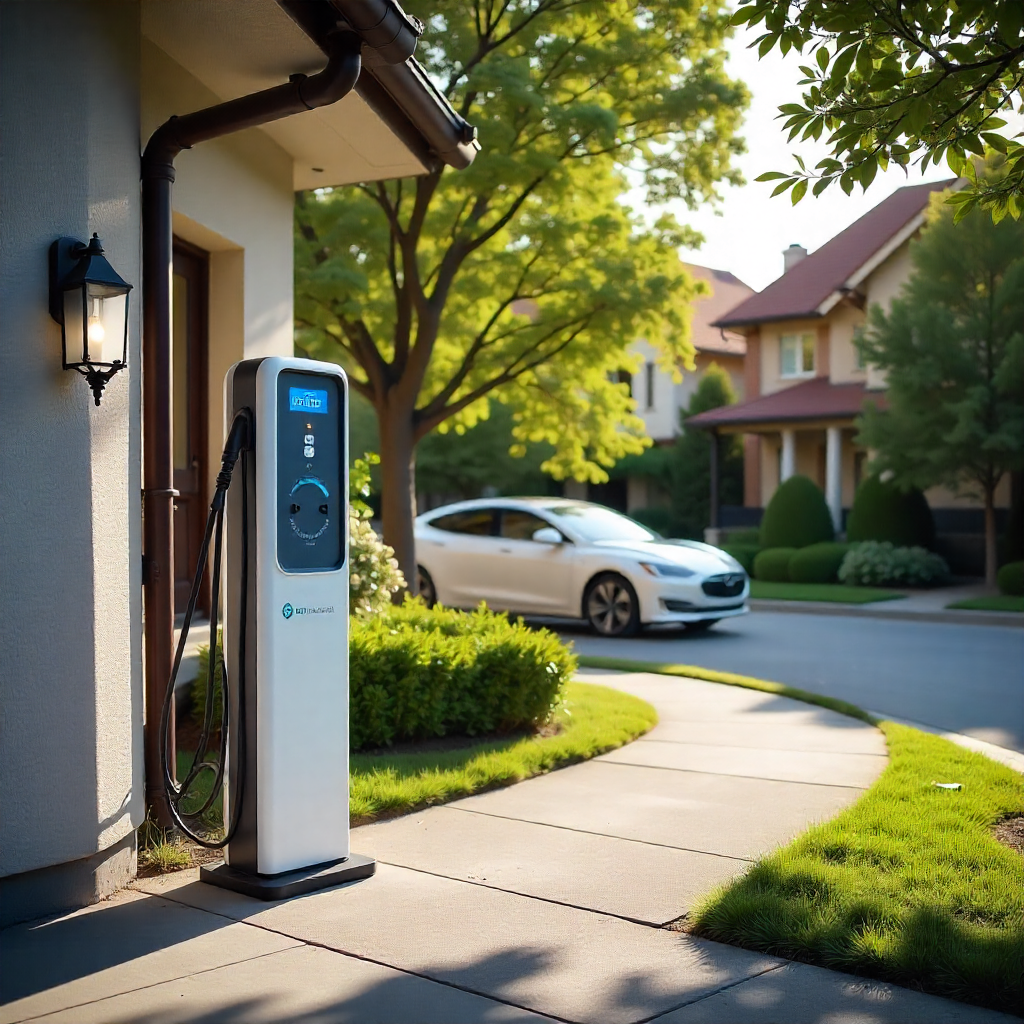
EV chargers can be installed:
Indoors (garage):
- Best protection
- Cleaner environment
- Easier wiring
Outdoors:
- Requires weather-proofing
- Must be NEMA-rated for water resistance
- Needs proper mounting
Most brands offer outdoor-rated chargers.
EV Charger Safety Requirements
Safety is a critical part of what you need to know before installing an EV charger.
Make sure that:
- The charger is UL-listed
- Wiring meets NEC standards
- Breaker size matches charger capacity
- GFCI protection is included
- Cables are safe from damage
Common Mistakes to Avoid
- Installing without a permit
- Using an undersized breaker
- Ignoring load calculations
- Buying the wrong charger speed
- DIY installation without experience
All these mistakes can lead to fire hazards or voided warranties.
How to Choose the Right Charger for Your EV
Consider:
- Your EV’s max charging rate
- Cable length
- Location of installation
- Smart vs. standard features
- Compatibility with future EVs
- Warranty coverage
Do You Need a Professional Installer?
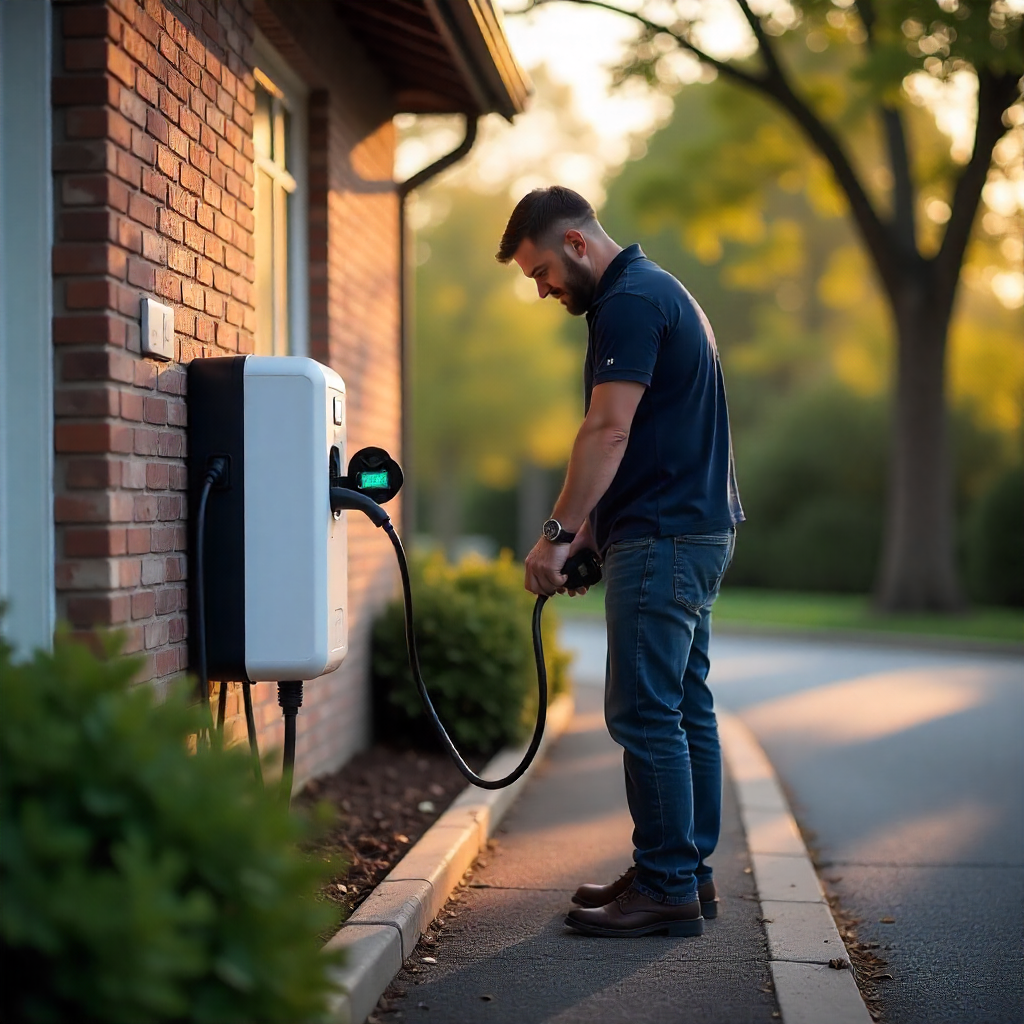
For Level 2 charging stations: Yes.
A certified electrician ensures:
- Correct wiring
- Safety compliance
- Warranty validity
- Proper permitting
DIY is only recommended if you already have electrical expertise.
Rebates, Incentives, and Tax Credits
Many regions offer:
- Federal tax credits
- State rebates
- Utility incentives
This can significantly reduce installation costs.
Conclusion
Understanding what you need to know before installing an EV charger is essential for making the right choices and ensuring a safe, efficient installation. From electrical panel capacity to charger types, permits, installation costs, and smart charger features, this guide gives you everything needed to make an informed decision. Installing a home EV charger is one of the best upgrades for EV owners—offering convenience, savings, and long-term value.
If you’re ready to move forward, consult a licensed electrician and choose a charger that fits your current EV and any future vehicles you may own.
FAQs for “What You Need to Know Before Installing an EV Charger”
1. Do I need a Level 2 charger at home?
A Level 2 charger is not mandatory, but it is highly recommended if you drive daily, have a long-range EV, or want faster charging. It charges 5–8 times faster than a Level 1 charger.
2. How much does it cost to install a home EV charger?
The total cost ranges from $700 to $4,000, depending on your home’s electrical panel, wiring needs, permits, and the charger model you choose.
3. Can I install an EV charger myself?
Only Level 1 chargers are plug-and-play. Level 2 chargers require a licensed electrician, permits, and proper wiring to ensure safety and code compliance.
4. Do I need to upgrade my electrical panel for an EV charger?
You may, depending on your home’s electrical capacity. If your panel is less than 200 amps or already close to its limit, an upgrade may be required.
5. How long does it take to install a home EV charger?
Typically 2–4 hours, unless electrical upgrades are needed. Panel replacements may take several hours or an additional day.
6. Do I need a permit to install an EV charger?
In most cities, yes. Permits ensure the installation is safe and meets local and national electrical codes.
7. Can I install an EV charger outside?
Yes. Many EV chargers are weatherproof (NEMA-rated) and designed for outdoor use. Just ensure proper mounting and protection from extreme elements.
8. What’s the difference between smart chargers and regular chargers?
Smart chargers offer Wi-Fi, charging schedules, energy tracking, and integration with solar systems. Regular chargers simply deliver power without smart features.
9. Will installing an EV charger increase my electricity bill?
Yes, your electricity usage will increase, but EV charging is still cheaper than gasoline, especially when charging during off-peak hours.
10. Are there incentives or rebates for installing a home EV charger?
Many regions offer utility rebates, state incentives, and federal tax credits, reducing installation costs significantly.