
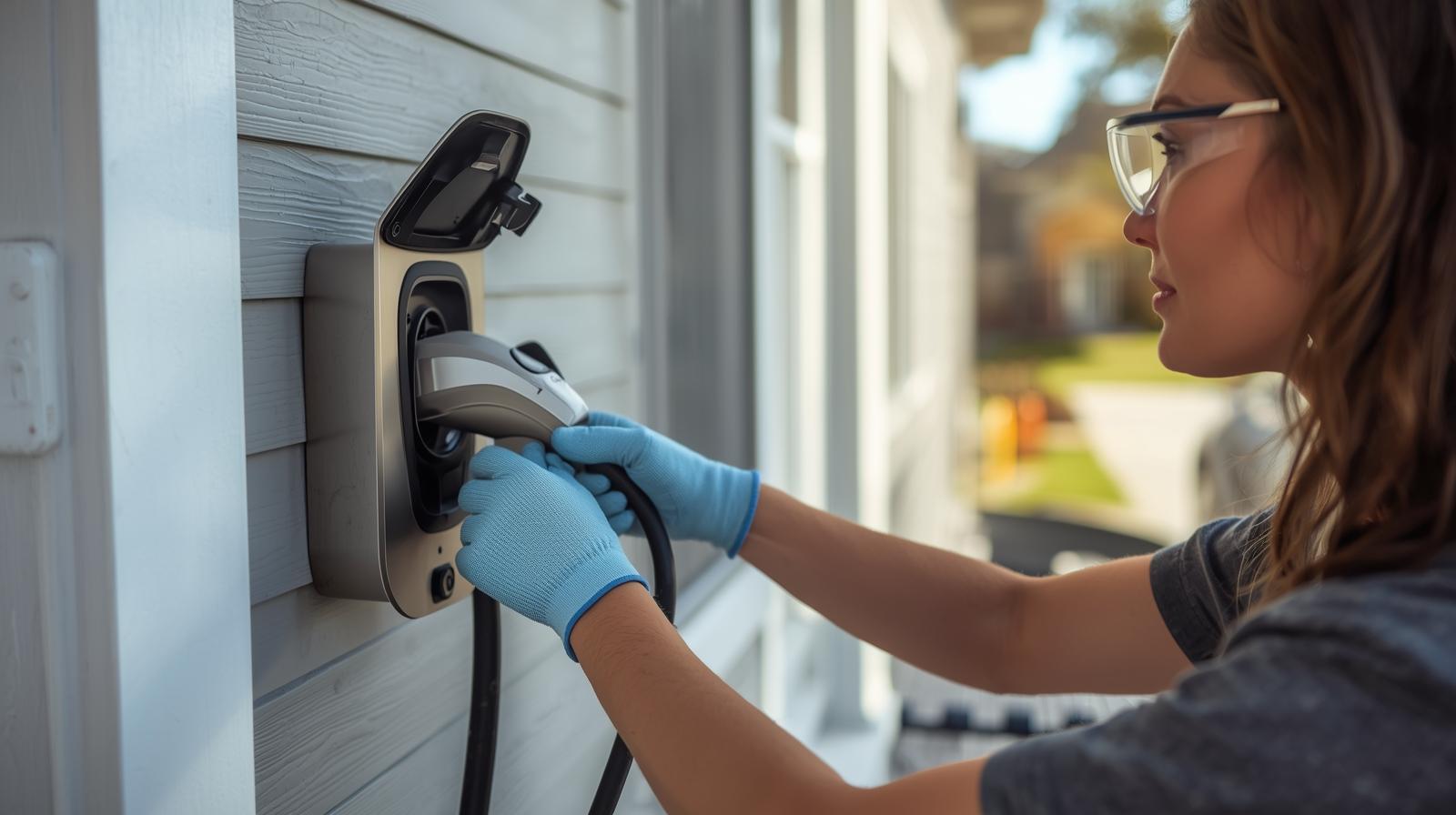
As electric vehicles continue to grow in popularity, home charging has become one of the most essential upgrades for EV owners. Installing a home EV charger not only provides convenience but also reduces charging costs and increases efficiency. But despite its simplicity on the surface, EV charger installation involves electrical considerations, safety standards, and long-term planning.
Unfortunately, many homeowners make costly mistakes that lead to electrical hazards, expensive repairs, slow charging performance, or even voided warranties. This detailed guide covers the top mistakes to avoid when installing an EV charger at home, ensuring you get a safe, reliable, and future-proof charging setup.
By following these best practices, you’ll protect your investment, extend the charger’s lifespan, and enjoy fast and safe home charging for years.
Introduction
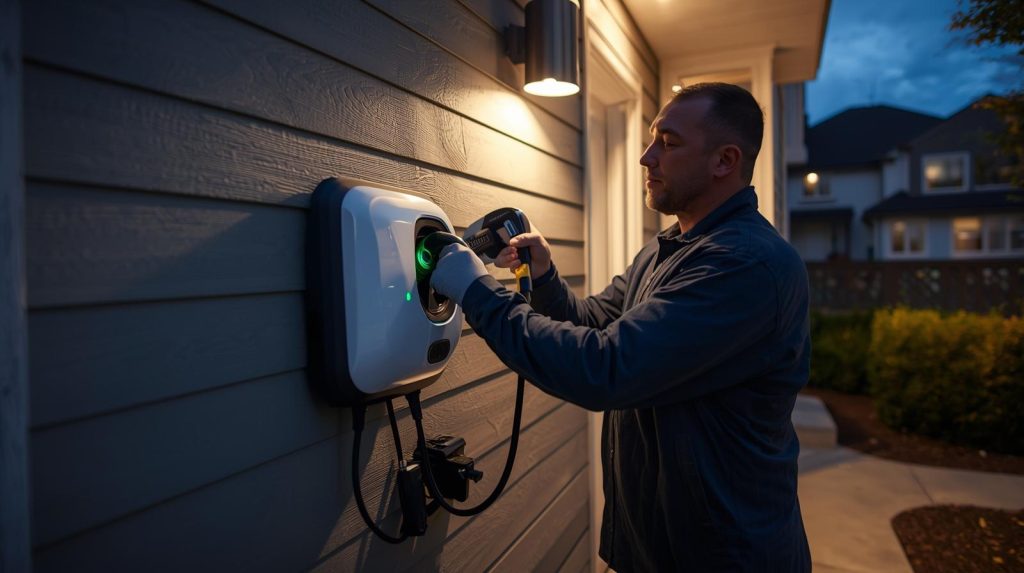
As EV ownership becomes mainstream, the number of people installing home chargers has skyrocketed. Installing a home charger is one of the best investments you can make as an EV owner—it provides convenience, cost-savings, and independence from public charging stations.
However, home EV charger installation is not something to take lightly. An improperly installed charger can create safety risks, damage your electrical system, or leave you with slow, inefficient charging. That’s why it’s essential to understand the mistakes to avoid when installing an EV charger at home.
This comprehensive guide explores the most common errors homeowners make and provides expert guidance on how to set up your charger safely and efficiently.
Why Proper EV Charger Installation Matters
A properly installed EV charger delivers:
- Faster charging speeds
- Reduced electricity costs
- Better electrical safety
- Longer EV battery lifespan
- Increased home value
- Reliability during daily charging
EV chargers draw significant power, especially Level 2 chargers. A faulty installation can strain your electrical panel, cause overheating, or even create a fire hazard. This makes proper planning and professional installation extremely important.
Mistakes to Avoid When Installing an EV Charger at Home
Below are the top mistakes to avoid when installing an EV charger at home, along with expert recommendations for each one.
Choosing the Wrong Charger Level
One of the most common mistakes is selecting the wrong charger type. EV chargers come in two major levels for home use:
Level 1 Charger
- Uses a standard 120V outlet
- Slow—adds 3–5 miles per hour
- Suitable only for minimal driving
Level 2 Charger
- Uses a 240V outlet
- Adds 20–50 miles per hour
- Best for most EV owners
Many homeowners choose Level 1 thinking it’s cheaper, but they often regret the slow charging speed.
To avoid this mistake:
Choose a Level 2 charger unless you drive very little daily.
Ignoring Electrical Load Capacity
Before installation, your electrician must check if your electrical panel can handle the additional load. A Level 2 charger commonly requires a:
- 40A, 50A, or 60A breaker
- Dedicated 240V line
If your home doesn’t have enough capacity, plugging in a charger may:
- Trip breakers
- Overheat wiring
- Damage the electrical panel
Solution:
Have a licensed electrician perform an electrical load calculation.
Using Undersized or Low-Quality Wiring
High-power chargers require thick, durable wiring. Using undersized wires can cause:
- Overheating
- Fire hazards
- Reduced charging speed
Always use wires appropriate for the amperage:
- 40A charger = 8-gauge wire
- 50A charger = 6-gauge wire
- 60A charger = 4-gauge wire
Skipping a Dedicated Circuit Breaker
An EV charger should never share a circuit with other appliances. Shared circuits can overload and cause electrical failures.
Best practice:
Install a dedicated breaker exclusively for the EV charger.
Placing the Charger in the Wrong Location
Location mistakes include:
- Installing too far from the parking spot
- Placing the charger in areas prone to flooding
- Mounting in direct sunlight
- Installing where cable cannot comfortably reach the charging port
These mistakes reduce usability and may create hazards.
Fix:
Place the charger within 15–20 feet of your EV and in a weather-protected, accessible area.
Hiring an Unqualified Electrician
Many homeowners try to save money by hiring cheap, inexperienced installers—or attempting DIY installation.
This leads to:
- Unsafe wiring
- Code violations
- Voided warranties
- Failed inspections
Always choose a licensed EV-certified electrician.
Not Considering Future EV Needs
Many households eventually purchase a second EV. Installing a charger without future planning may force you to redo the entire setup.
Avoid:
- Installing the minimum amperage
- Skipping smart charging features
- Installing charging points too close together
Plan for future demand, even if you currently have one EV.
Forgetting About Charging Cable Length
Short cable length is one of the biggest user regrets. Most people underestimate how far 18–20 feet really is.
Choose a charger with at least a 20–25 ft cable to avoid future issues.
Not Checking Local Permits and Codes
Many regions require electrical permits for EV charger installation. Failing to obtain permits can:
- Lead to fines
- Create home insurance issues
- Complicate home resale
Always follow local electrical codes and permitting requirements.
Overlooking Smart Charging Features
Some homeowners choose a basic charger to save money but later regret missing features like:
- Energy monitoring
- Scheduling
- Wi-Fi app control
- Load balancing
- Utility peak-hour adjustments
Smart chargers can significantly reduce electricity costs.
Avoiding Surge Protection
EV chargers are expensive and vulnerable to electrical surges. Without surge protection, sudden voltage spikes can permanently damage your charger.
Install a:
- Whole-home surge protector, or
- Dedicated surge protector for the charger
Ignoring Weatherproofing for Outdoor Chargers
Outdoor installations require weather-rated chargers. Mistakes include:
- Installing indoor chargers outside
- Not using protective enclosures
- Leaving cables exposed to rain and heat
Choose chargers with at least NEMA 3R, 4, or 4X ratings for outdoor environments.
Not Verifying Grounding and Safety Mechanisms
Proper grounding prevents electrical shock and protects your home.
Your charger must include:
- Ground fault protection
- Overcurrent protection
- Correct grounding to electrical panel
This step is essential for safety.
Buying a Cheap, No-Name Charger
Low-cost chargers may seem attractive but come with huge risks:
- Poor build quality
- Lack of safety certification
- Slow or inconsistent charging
- No technical support
Always choose reliable brands with UL or ETL certification.
Not Taking Advantage of Incentives and Rebates
Governments, utilities, and EV manufacturers offer:
- Rebates
- Tax credits
- Discounts
- Free charger offers
Many homeowners overpay because they ignore available incentives.
How to Properly Install an EV Charger at Home
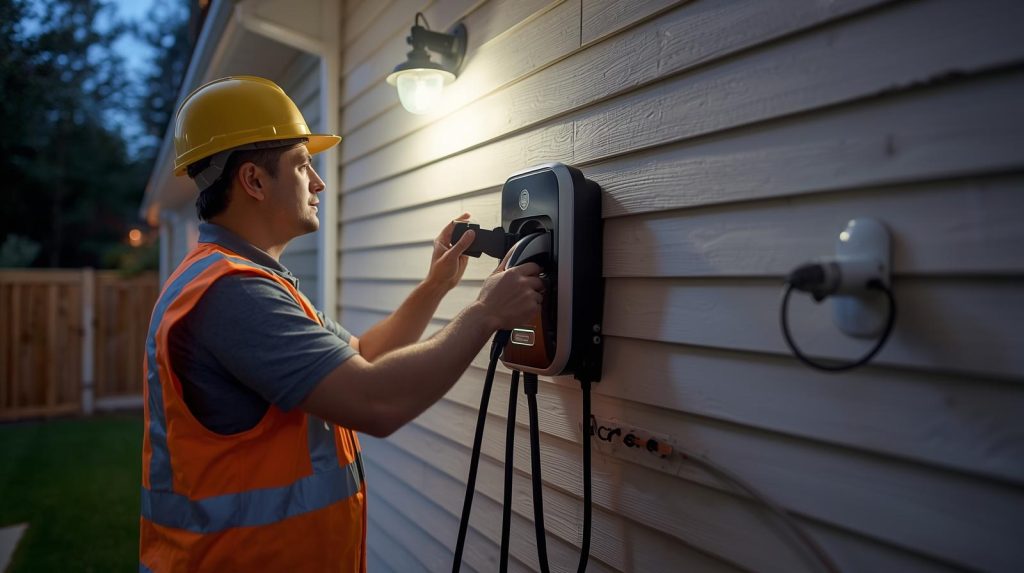
Here is a step-by-step overview:
Step 1: Choose the Right Charger
- Level 2 is ideal
- Select proper amperage
- Choose smart features
Step 2: Evaluate Your Electrical Panel
- Perform load calculation
- Upgrade panel if required
Step 3: Hire a Licensed Electrician
- Avoid DIY installations
- Request permit and inspection
Step 4: Plan Charger Placement
- Consider cable length
- Weatherproofing
- Parking position
Step 5: Install Dedicated Circuit
- 40A–60A breaker
- Proper wiring
Step 6: Test the System
- Check charging speed
- Confirm safety mechanisms
- Test app connectivity
Cost Breakdown of Home EV Charger Installation
Here’s a general cost estimate:
| Item | Cost Range |
|---|---|
| Charger unit | $300–$900 |
| Professional installation | $300–$1,200 |
| Wiring upgrades | $200–$800 |
| Panel upgrade (if needed) | $1,000–$3,000 |
| Permits | $50–$200 |
Total Average Cost: $600–$2,500
Costs vary based on charger type, wiring distance, electrical panel condition, and location.
FAQs
1. Do all EVs use the same home charger?
Most EVs use the J1772 standard for home charging.
2. Can I install a charger outside?
Yes—if the charger is rated for outdoor use.
3. Can I use my dryer outlet for an EV charger?
Not recommended unless professionally converted to a dedicated EV circuit.
4. How long does installation take?
Anywhere between 2–4 hours.
Conclusion
Installing an EV charger at home is one of the smartest decisions you can make as an EV owner—but only if it’s done correctly. Understanding the Mistakes to Avoid when installing an EV charger at home helps you protect your investment, ensure safety, and enjoy fast and efficient charging.
By choosing the right charger, following electrical codes, hiring a licensed electrician, and planning for future needs, you’ll create a reliable home charging setup that supports your EV for many years.
If you need help creating meta descriptions, titles, or additional EV content, feel free to ask!