
As electric vehicles (EVs) continue to grow in popularity, more homeowners want the convenience of installing a Level 2 charger at home. While the process may seem simple, one step often catches many people by surprise—the need for a permit. Understanding Why Permits Are Required for EV Charger Installation is essential for safety, compliance, insurance protection, and long-term home electrical performance.
This comprehensive guide explains everything you need to know about electrical permits, why local authorities require them, what happens if you skip them, and how they protect both your home and community.
What Is an EV Charger Permit?
Before understanding Why Permits Are Required for EV Charger Installation, it is important to know what the permit actually is. A permit is an official document issued by your local city or municipality authorizing electrical modifications to your home. EV chargers, especially Level 2 models, require new wiring, higher electrical load capacity, and sometimes a service panel upgrade—all of which must meet national and local electrical codes.
A permit ensures these modifications are done safely and properly.
Why Permits Are Required for EV Charger Installation
The primary reason Why Permits Are Required for EV Charger Installation is to ensure that every electrical modification meets strict safety, performance, and building code standards. Electric vehicle chargers consume a significant amount of power, and any improper installation can expose homeowners to electrical hazards, fires, insurance issues, and expensive property damage.
Cities, electrical authorities, and utility companies require permits to maintain safety, protect your home’s electrical system, and ensure your charger complies with EV charging regulations.
Let’s break down the main reasons you must have a permit.
Ensuring Electrical Safety
Safety is the most important reason Why Permits Are Required for EV Charger Installation. A Level 2 EV charger can draw up to 50 amps or more—this is similar to large appliances like dryers or ovens, and requires high-quality wiring, a dedicated circuit, and proper grounding.
Without a permit and inspection:
- Wiring may not meet electrical standards
- Connections could overheat
- Breakers may not be sized correctly
- The electrical panel may get overloaded
- Fire risks significantly increase
The permit ensures your wiring installation is reviewed by a certified inspector who confirms that your charger is safe and meets code.
Meeting Local Electrical Codes
Every city and state follows electrical codes such as:
- NEC (National Electrical Code)
- Local building codes
- Utility standards
- Fire department regulations
Compliance is a major part of Why Permits Are Required for EV Charger Installation. Codes ensure that:
- Conductors and wires are the correct gauge
- The charger is on a dedicated circuit
- GFCI protection is installed when required
- Breakers are rated properly
- Grounding and bonding meet NEC requirements
Ignoring these codes puts your home at risk and could cause your installation to fail inspection later—costing you time and money.
Preventing Overloaded Circuits
A Level 2 charger is one of the most power-hungry devices you will install in your home. The permit process ensures:
- Your panel can handle the load
- Your circuit breaker is large enough
- No other appliances share the circuit
- Wiring is protected from overheating
If your panel cannot handle the extra demand, the electrician or inspector will recommend:
- A panel upgrade
- A subpanel
- Load management systems
This is exactly Why Permits Are Required for EV Charger Installation—to prevent overload-related hazards.
Protecting Your Home Insurance
Many homeowners don’t realize insurance companies often require permits for major electrical work. If you install an EV charger without a permit and a fire or electrical issue occurs, your insurer may deny your claim.
Your insurance company wants proof that:
- The installation was up to code
- A licensed electrician performed the work
- Your electrical system was inspected
Having a permit protects your home AND your finances.
Avoiding Fines and Penalties
Cities take unauthorized electrical work seriously. Installing a charger without a permit can result in:
- Fines
- Stop-work orders
- Forced removal of the charger
- Mandatory reinstallation under permit
- Legal issues in extreme cases
You may also be required to pay additional fees to get retroactive approval.
To avoid penalties, it is important to follow the rules and understand Why Permits Are Required for EV Charger Installation.
Supporting Grid Stability
Utility companies monitor electrical loads to manage demand. EV chargers add substantial load to the power grid. Permits help utilities track:
- How many EV chargers are in each neighborhood
- Whether transformers can support the load
- When future upgrades are needed
By requiring permits, utilities ensure safe and reliable power distribution for everyone.
When Do You Need a Permit?
Permits are typically required when:
- Installing a Level 2 EV charger
- Adding a new circuit
- Upgrading an electrical panel
- Adding a 240-volt outlet
- Installing new wiring
- Increasing your home’s electrical load
You may not need a permit for a Level 1 charger, but always check with your local building department.
Who Can Apply for the Permit?
In many areas:
- A licensed electrician must apply
- Homeowners can apply but must follow strict rules
- Some cities ONLY allow certified contractors
Hiring a professional keeps the process simple and ensures compliance.
What Happens During the Electrical Inspection?
The inspection is a critical part of the permit process. The inspector will check:
- Wiring connections
- Breaker size
- Grounding
- Conduit placement
- Charger mounting
- Circuit labeling
- Panel load capacity
If everything meets code, the installation passes and you are approved for safe EV charging at home.
Permit Cost and Timeline
Permit fees vary by location but typically range from:
- $50 to $300
The process usually takes:
- 1–3 days for approval
- 1–2 hours for installation
- 1–7 days to schedule the final inspection
Considering the long-term safety benefits, the cost is well worth it.
Dangers of Installing an EV Charger Without a Permit
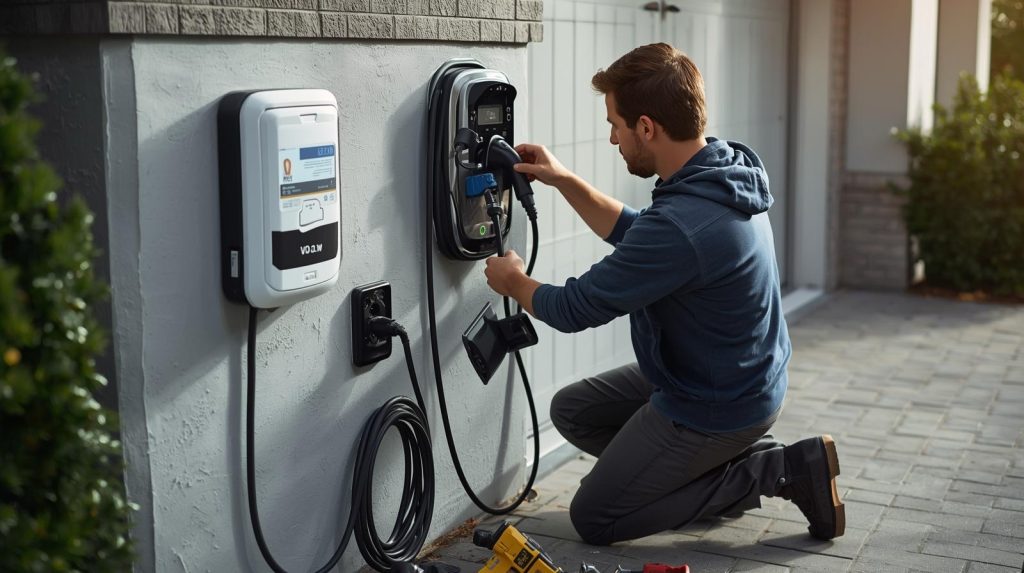
Installing an EV charger without a permit may lead to:
- Electrical fires
- Overloaded circuits
- Shocks and electrocution risks
- Expensive repairs
- Home insurance claim denial
- Failed home inspection when selling
- Legal issues
These risks demonstrate clearly Why Permits Are Required for EV Charger Installation and why homeowners should never skip this step.
How to Make the Permit Process Easy
To simplify the process:
- Hire a licensed electrician
- Verify local permit requirements
- Gather documents like load calculations
- Ask your installer to handle the permit
- Prepare access for inspectors
Professional installers typically manage everything from start to finish.
Conclusion
Understanding Why Permits Are Required for EV Charger Installation is critical for any homeowner planning to add a Level 2 charger. Permits ensure safety, protect your home’s electrical system, prevent hazards, satisfy insurance requirements, and guarantee compliance with electrical codes.
Skipping a permit may seem tempting, but the long-term risks—fires, fines, or denied insurance claims—far outweigh any short-term savings. With the right electrician and proper permitting, your EV charger will operate safely, efficiently, and reliably for years.
FAQs
1. Do all EV charger installations require a permit?
Most Level 2 charger installations require a permit, while Level 1 typically does not. Always check local regulations.
2. Can I install an EV charger myself without a permit?
No. DIY installation without a permit may violate electrical codes and void your home insurance.
3. How long does the permit process take?
Usually 1–3 days for approval, depending on your city.
4. How much does a permit cost?
Between $50 and $300 depending on location.
5. What happens if I install my EV charger without a permit?
You may face fines, safety hazards, failed inspections, and insurance issues.
6. Does the electrician handle the permit process?
In most cases, yes. Licensed electricians often include permitting in their service.