
Installing a home EV charger is one of the best upgrades you can make if you own an electric vehicle. It’s convenient, cuts charging time dramatically, and boosts your home’s value. But before you start the installation, there’s one important question every homeowner must answer:
“When You Need an EV Charger Permit?”
Many people are surprised to learn that installing a Level 2 home EV charger often does require a permit. These permits protect your home, ensure safe installations, and prevent electrical risks. In this friendly and complete guide, we’ll explain everything homeowners need to know about EV charger permits—when you need one, why you need one, who handles the paperwork, and what happens if you skip it.
What Is an EV Charger Permit?
An EV charger permit is an official approval issued by your city or local building department that allows a licensed electrician to install your EV charging station safely and legally. The permit ensures your electrical system can handle the increased load, wiring is installed correctly, and the installation follows national electrical codes.
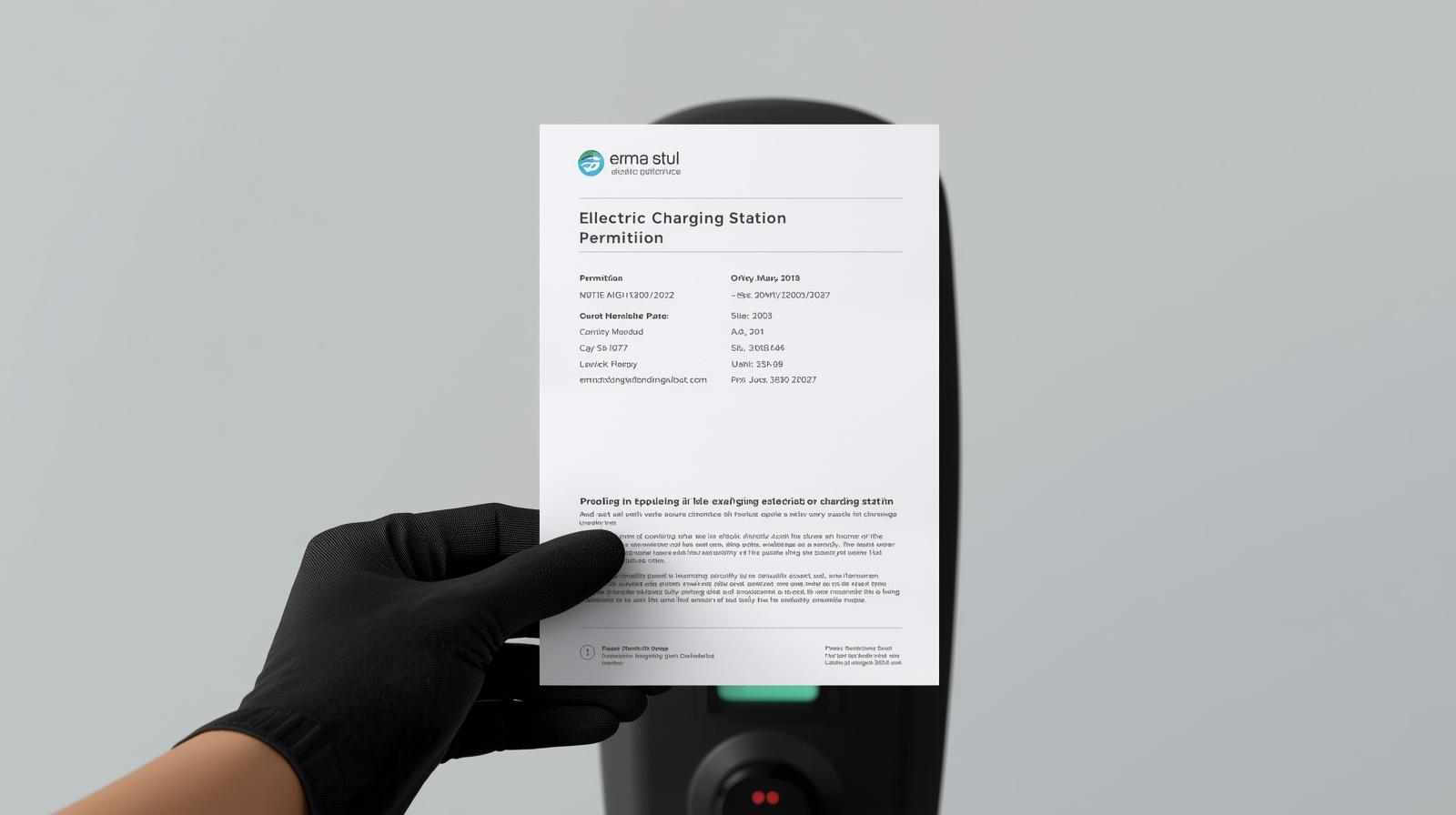
It’s similar to permits required for:
- Adding a new circuit
- Installing a hot tub
- Doing major electrical upgrades
- Adding a new appliance like an electric water heater
Permits are not meant to complicate things—they are designed to keep your home safe and ensure the charger functions properly.
Why Permits Matter for EV Charger Installations
Permits aren’t just a formality. They serve important purposes:
Safety
Charging stations draw high electrical loads. A permit ensures wiring, breakers, and circuits are installed correctly to prevent overheating, fires, or electrical failures.
Protecting Your Home’s Electrical System
Improperly installed chargers can overload your panel. Permits require a load calculation to verify your home can safely support a Level 2 charger.
Insurance Coverage
Many homeowners aren’t aware that insurance claims can be denied if:
Faulty wiring caused damage
The charger was installed without a permit
Compliance With Code
Cities follow the NEC (National Electrical Code). Permits ensure installations meet those safety standards.
When You Need an EV Charger Permit
The permit requirement depends on your location, charger type, and electrical setup. However, you almost always need a permit when installing a Level 2 EV charger at home.
Here’s when a permit is required:
When Installing a Level 2 Charger (240V)
Because these chargers require a dedicated 240V circuit, they fall under major electrical work. Nearly every city requires a permit.
When Installing a New Circuit or Breaker
If your electrician must add:
- A new circuit
- A new breaker
- A new subpanel
- A new outlet
…a permit is required.
When Upgrading Your Electrical Panel
If your home is older or you don’t have enough panel capacity, the electrician may need to upgrade your panel from:
- 100A to 200A
- 150A to 200A
- Or add a subpanel
Any of these upgrades require permits.
When Hardwiring the Charger
Hardwired chargers (rather than plug-in units) almost always require a permit.
When the Installation Adds a High Electrical Load
If the charger increases your home’s load over the safe limit, cities require permits to ensure load calculations are correct.
When Required by Local Codes
Some cities require permits for all EV charger installations—even plug-and-play Level 1 chargers.
Do You Always Need a Permit for Level 1 and Level 2 Chargers?
Here’s the general rule:
Level 1 Chargers (120V)
Usually no permit is required because they plug into a standard household outlet.
But you do need a permit if:
- You install a new outlet
- You upgrade wiring
- You add a dedicated circuit
Level 2 Chargers (240V)
A permit is needed almost 100% of the time because they require:
- A dedicated 240V circuit
- Higher amperage
- New wiring
- A specific outlet or hardwire setup
Factors That Determine When You Need an EV Charger Permit
Several variables influence permit requirements:
Local building codes
Cities and counties have specific requirements.
Home age
Older homes often require panel upgrades — which require permits.
Charger amperage
Higher amperage = higher chance permit is required.
Whether the charger is plug-in or hardwired
Plug-in chargers sometimes bypass permit requirements. Hardwired units do not.
Whether trenching or outdoor wiring is required
Outdoor installations involving conduit or trenching almost always require permits.
Who Applies for the Permit — Homeowner or Electrician?
In most cases:
The licensed electrician applies for the permit.
This is preferred because:
- They understand building codes
- They can submit wiring diagrams
- They communicate with inspectors
- They ensure compliance
Some cities allow homeowners to file the permit themselves, but it’s not recommended unless you have electrical experience.
What Happens During an EV Charger Permit Inspection?
After installation is complete, a certified inspector visits your home to verify:
- The wiring is correct
- Breakers and circuits are sized properly
- The charger is installed per code
- Proper grounding is used
- Outdoor installations are weather-rated
- No safety hazards exist
Once approved, you receive a final inspection certificate, proving your installation is safe and legal.
How Long Does It Take to Get an EV Charger Permit?
Permit approval times vary:
- Small towns: 1–3 days
- Medium cities: 3–7 days
- Major cities: 1–3 weeks
Inspections usually happen within 2–5 days after installation.
Risks of Installing a Charger Without a Permit
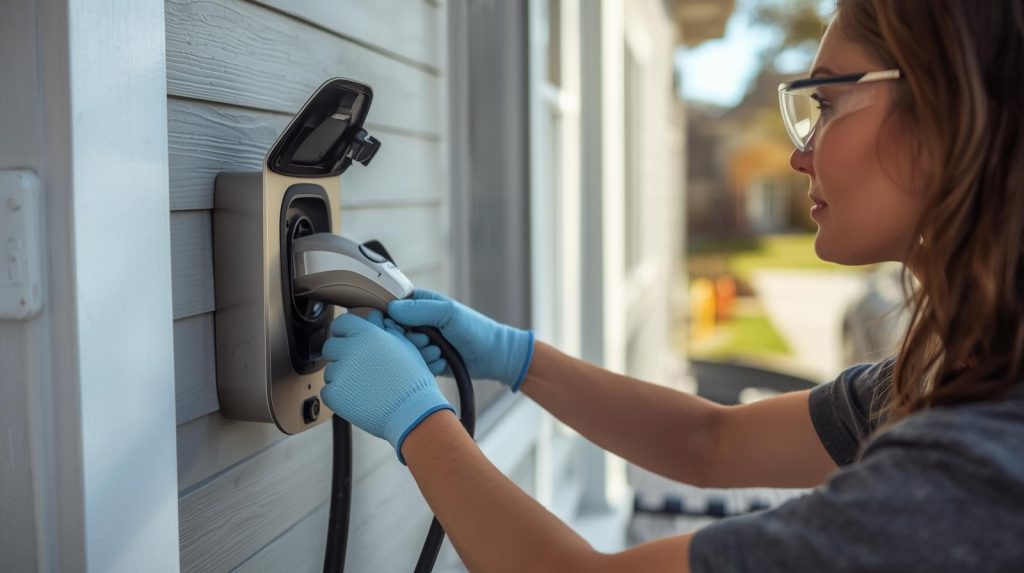
Skipping the permit may seem like a quick way to save time, but it creates major risks:
Fire hazards
Improper wiring is the #1 cause of electrical fires.
Voided insurance claims
If an electrical fire occurs, insurance can deny your claim.
Failed home inspections
Unpermitted work can delay home sales or force expensive corrections.
Code violations
Cities can issue fines for unauthorized electrical work.
Safety risks
Improperly installed EV chargers can overheat or damage your vehicle.
How Much Does an EV Charger Permit Cost?
Permit costs vary by location:
Average permit cost: $50 – $300
Larger cities or more complex installations may cost up to $500.
What affects the cost?
- Local regulations
- Whether panel upgrades are needed
- The size of the new circuit
- Notes required by the city
How to Make the Permit Process Easy
Here’s how to streamline your installation:
Hire a licensed, EV-certified electrician
They’ll handle all permits for you.
Have a load calculation done early
This shows whether your panel can support a Level 2 charger.
Choose the right location
Pick a spot close to the electrical panel if possible.
Schedule inspection quickly
Faster approval means faster charging at home.
Final Tips for a Smooth Installation
- Don’t skip the permit — it protects you.
- Always consult a licensed electrician.
- Plan ahead for inspection requirements.
- Keep documentation for resale purposes.
- Understand your home’s electrical capacity before buying a charger.
Conclusion
Understanding When You Need an EV Charger Permit is essential before installing a Level 2 charger at home. While the permit process may feel unfamiliar, it ensures a safe, efficient, and code-compliant installation that protects your home and your investment. Whether you’re adding your first charger or upgrading your electrical system, securing the proper permit guarantees long-term safety and peace of mind.
Installing your EV charger the right way means safer charging, better performance, and confidence that your setup is fully approved and future-ready.
FAQs
1. Do all cities require a permit for a Level 2 EV charger?
Most cities do, but requirements vary. Always check local codes or ask your electrician.
2. How do I know if my home can support a Level 2 charger?
A load calculation performed by an electrician will determine whether your electrical panel has enough capacity.
3. Can I install an EV charger without a permit?
Technically you can, but it’s unsafe, may violate code, and can void insurance claims.
4. Who handles the permit process?
In most cases, the licensed electrician handles all permit paperwork and inspections.
5. How long does the permit approval take?
Anywhere from a few days to a few weeks depending on your city.
6. Is the inspection required?
Yes. The inspection verifies the installation meets local safety codes.
7. Does adding an EV charger increase home value?
Yes—properly permitted and installed chargers add convenience and appeal to future buyers.