
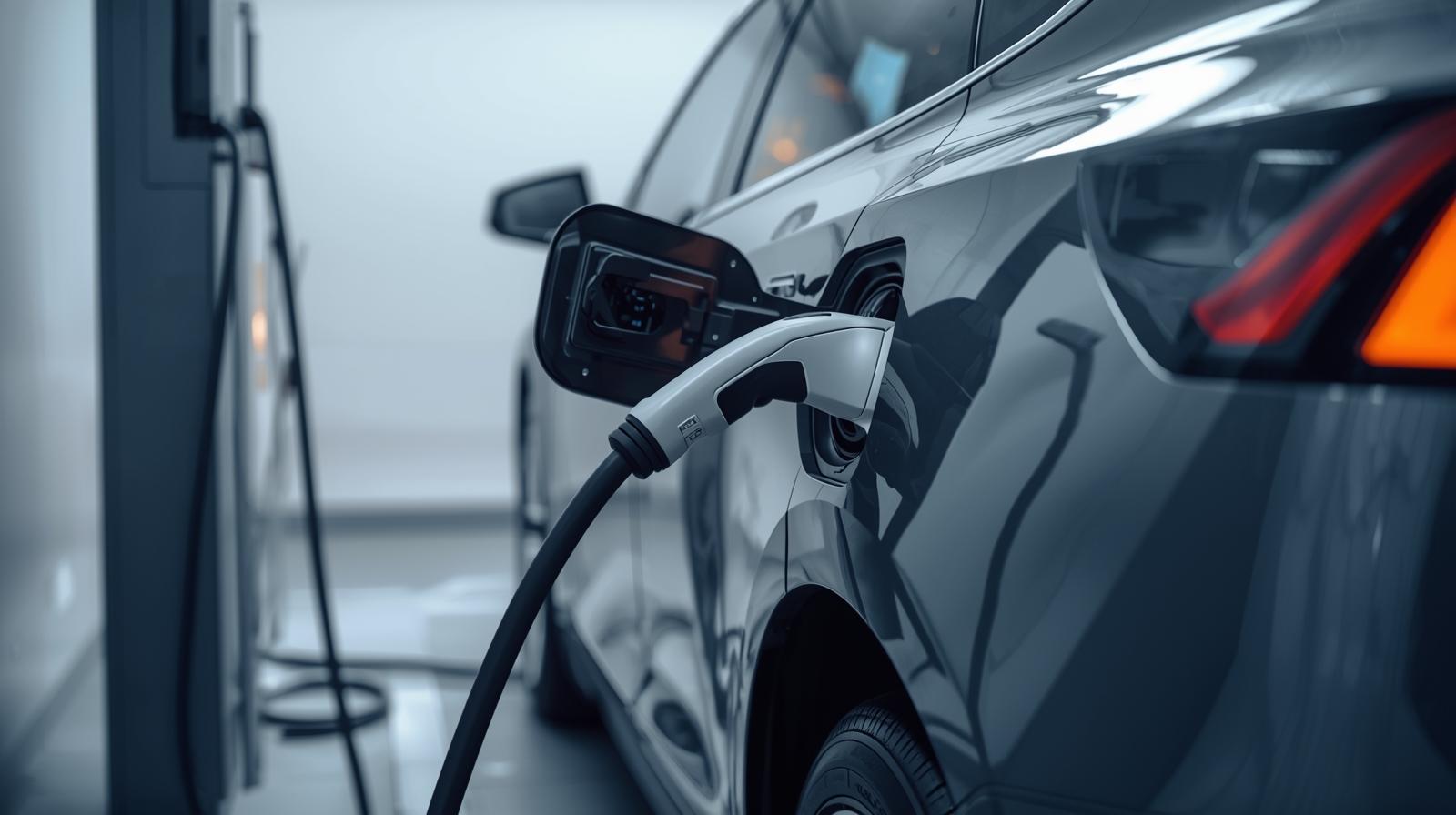
As electric vehicles (EVs) continue to gain popularity worldwide, understanding how they charge is becoming just as important as knowing how to drive them. One of the most common areas of confusion for new EV owners is the different EV charging modes, especially the least discussed and most basic option—Mode 1 EV charging.
So, what is Mode 1 EV charging? How does it work, is it safe, and is it still relevant in today’s modern EV ecosystem? This detailed guide answers all those questions and more.
In this comprehensive article, we will explore What Is Mode 1 EV Charging?, how it differs from other charging modes, its advantages and limitations, safety considerations, real-world use cases, and whether it makes sense for today’s EV owners. By the end, you’ll have a crystal-clear understanding of Mode 1 charging and its place in the EV charging hierarchy.
Understanding EV Charging Modes: A Quick Overview
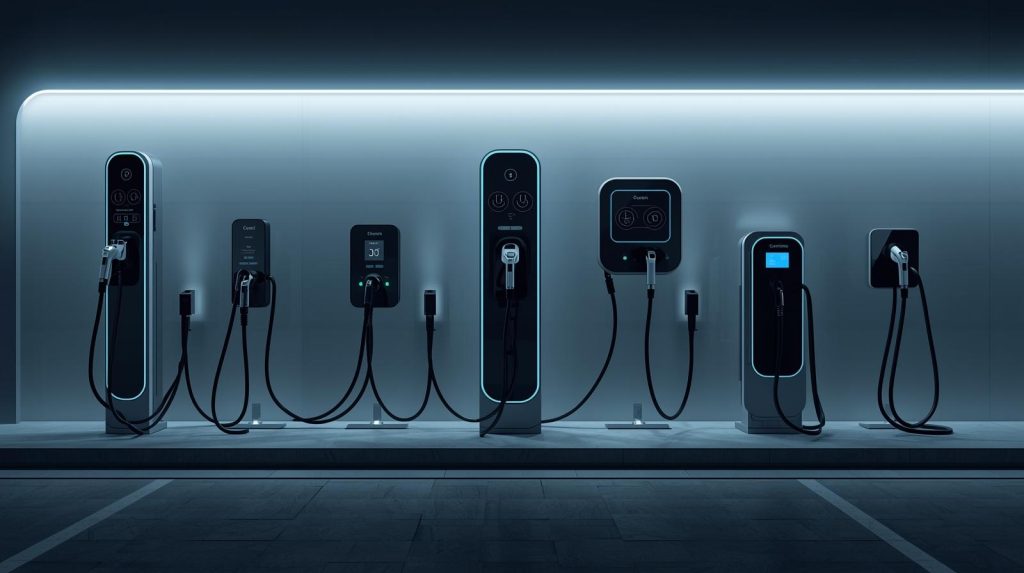
Before diving deep into what is Mode 1 EV charging, it’s important to understand that EV charging is categorized into standardized modes defined by the International Electrotechnical Commission (IEC 61851).
These modes describe how power flows from the grid to the electric vehicle, how communication happens (or doesn’t happen), and what safety mechanisms are in place.
The Four Main EV Charging Modes
- Mode 1 – Basic AC charging without communication
- Mode 2 – AC charging with in-cable protection
- Mode 3 – Dedicated AC EV charging stations
- Mode 4 – DC fast charging
Among these, Mode 1 EV charging is the simplest and most basic form.
What Is Mode 1 EV Charging?
Mode 1 EV charging refers to charging an electric vehicle using a standard household AC power socket with no active communication between the vehicle and the power source and no dedicated safety control device.
In simple terms, Mode 1 charging is:
- Plugging your EV directly into a wall socket
- Using a basic cable with no built-in protection
- Drawing electricity just like a regular household appliance
This charging method relies entirely on the vehicle’s onboard charger and the existing electrical infrastructure.
Key Definition
What Is Mode 1 EV Charging?
Mode 1 EV charging is a basic AC charging method that connects an electric vehicle directly to a standard power outlet without advanced communication or control systems.
How Mode 1 EV Charging Works
To fully understand what is Mode 1 EV charging, let’s break down how it works step by step.
Step-by-Step Charging Process
- Connection to Power Source
The EV is plugged into a standard AC outlet (usually 120V or 230V, depending on the country). - No Communication Protocol
Unlike advanced charging modes, there is no digital communication between the EV and the power supply. - Onboard Charger Takes Control
The vehicle’s internal charger manages voltage conversion from AC to DC. - Fixed Power Flow
Electricity flows continuously at a fixed rate until charging is complete or manually stopped.
Because there is no smart monitoring, Mode 1 EV charging does not adapt to load changes or safety conditions.
Electrical Specifications of Mode 1 EV Charging
Understanding the electrical characteristics helps clarify what is Mode 1 EV charging and why it’s limited.
Typical Electrical Parameters
| Parameter | Mode 1 Charging |
|---|---|
| Current | Up to 16A |
| Voltage | 120V / 230V AC |
| Power Output | 1.4–3.7 kW |
| Communication | None |
| Safety Control | None |
Because of these limitations, Mode 1 charging is slow and less secure compared to modern charging methods.
Common Connectors Used in Mode 1 EV Charging
Mode 1 EV charging uses basic plugs, not EV-specific connectors.
Examples Include:
- Type A or Type B (USA & Japan)
- Type C or Type F (Europe)
- Domestic 3-pin plugs (Asia, UK)
These plugs were not designed specifically for EV charging, which is a major safety concern.
Is Mode 1 EV Charging Safe?
Safety is one of the biggest concerns when asking what is Mode 1 EV charging.
Safety Limitations of Mode 1 Charging
Mode 1 lacks several essential safety features:
- No ground fault protection
- No temperature monitoring
- No automatic power cutoff
- No surge protection
This means overheating, short circuits, or faulty wiring can go undetected.
Why Many Countries Restrict Mode 1 Charging
Due to safety risks, many regions have banned or discouraged Mode 1 EV charging, especially for public use.
Countries like Germany, the UK, and much of the EU recommend Mode 2 or Mode 3 instead.
Advantages of Mode 1 EV Charging
Despite its drawbacks, Mode 1 charging does offer some limited benefits.
1. Simplicity
There is no installation required—just plug and charge.
2. Low Initial Cost
No charging station, no control box, no smart features.
3. Emergency Backup Option
Useful in rare situations where no other charging option is available.
Disadvantages of Mode 1 EV Charging
To truly understand what is Mode 1 EV charging, it’s important to look at its downsides.
Major Limitations
- Very slow charging speed
- High safety risks
- Not suitable for daily charging
- Often incompatible with modern EVs
- No compliance with modern safety standards
Mode 1 EV Charging vs Other Charging Modes
Mode 1 vs Mode 2
| Feature | Mode 1 | Mode 2 |
|---|---|---|
| Safety | Very Low | Moderate |
| Control Box | No | Yes |
| Charging Speed | Slow | Slow–Moderate |
| Use Case | Emergency | Home/Backup |
Mode 1 vs Mode 3
| Feature | Mode 1 | Mode 3 |
|---|---|---|
| Dedicated Charger | No | Yes |
| Smart Communication | No | Yes |
| Safety | Poor | High |
| Charging Speed | Slow | Fast |
Real-World Use Cases of Mode 1 EV Charging
While uncommon today, Mode 1 EV charging may still be used in:
- Older electric scooters
- Low-power neighborhood EVs
- Industrial or private environments
- Temporary or emergency situations
However, most modern EV manufacturers do not recommend Mode 1 charging.
Why Mode 1 EV Charging Is Becoming Obsolete
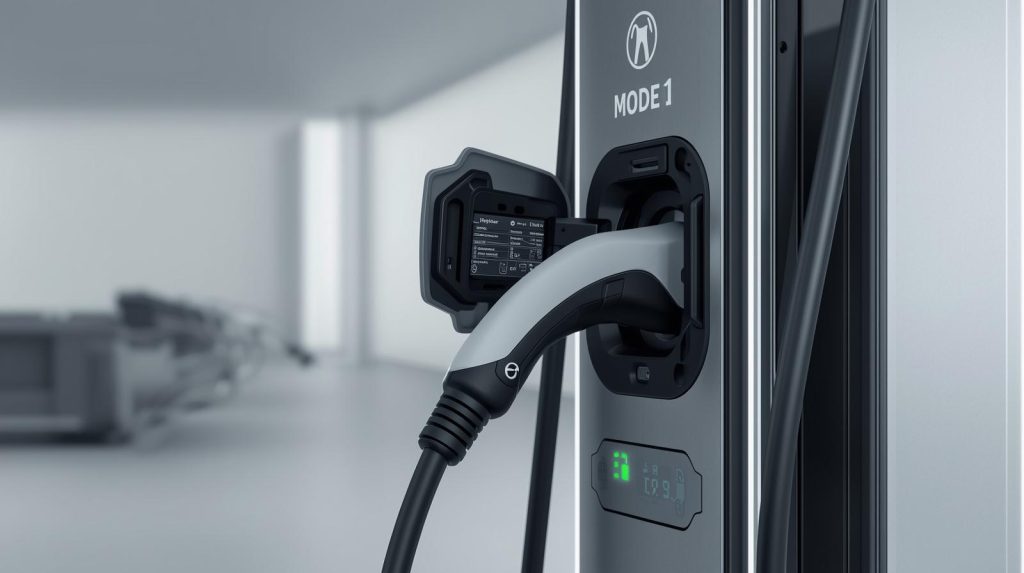
As EV technology evolves, safety and efficiency standards improve.
Key Reasons for Decline
- Stricter electrical regulations
- Increased EV battery capacity
- Greater awareness of fire risks
- Availability of affordable Mode 2 chargers
Mode 1 EV charging is now considered outdated.
Manufacturer Recommendations on Mode 1 EV Charging
Most automakers either:
- Do not support Mode 1 charging
- Allow it only under strict conditions
- Recommend Mode 2 or Mode 3 instead
Always consult your vehicle’s owner manual before attempting Mode 1 charging.
Can You Still Use Mode 1 EV Charging Today?
Technically, yes—but only in limited scenarios.
When Mode 1 Might Be Acceptable
- Short-term emergency charging
- Very low-power EVs
- Controlled private environments
When You Should Avoid It
- Daily home charging
- High-capacity EV batteries
- Old or unverified electrical wiring
Future of Mode 1 EV Charging
Mode 1 EV charging is unlikely to disappear completely, but its role will remain extremely limited.
Future EV infrastructure focuses on:
- Smart load balancing
- Faster charging
- Enhanced safety
- Grid integration
Mode 1 does not support these advancements.
Conclusion: What Is Mode 1 EV Charging and Should You Use It?
So, what is Mode 1 EV charging?
It is the most basic, least secure, and slowest way to charge an electric vehicle—using a standard power outlet with no smart communication or safety features.
Bottom Line
- Useful as a last-resort option
- Not recommended for regular use
- Not suitable for modern EVs
If safety, efficiency, and battery health matter to you, Mode 2 or Mode 3 charging is a far better choice.
Frequently Asked Questions (FAQs)
1. What is Mode 1 EV charging?
Mode 1 EV charging is a basic charging method where an electric vehicle is plugged directly into a standard household socket without smart communication or built-in safety controls.
2. Is Mode 1 EV charging safe?
Mode 1 EV charging is considered less safe than other charging modes because it lacks features like ground fault protection, temperature monitoring, and automatic power cutoff.
3. How fast is Mode 1 EV charging?
Mode 1 EV charging is very slow, typically delivering between 1.4 kW and 3.7 kW, which can take many hours or even days to fully charge an EV.
4. Can modern electric vehicles use Mode 1 charging?
Most modern electric vehicles do not recommend Mode 1 charging and instead support Mode 2 or Mode 3 charging for better safety and efficiency.
5. What kind of plug is used in Mode 1 EV charging?
Mode 1 EV charging uses standard household plugs such as 3-pin domestic sockets, not EV-specific connectors designed for high-power charging.
6. Why is Mode 1 EV charging discouraged in many countries?
Many countries discourage or restrict Mode 1 EV charging due to safety risks, outdated standards, and the lack of electrical protection mechanisms.
7. What is the difference between Mode 1 and Mode 2 EV charging?
The main difference is safety. Mode 2 EV charging includes an in-cable control and protection device, while Mode 1 has no additional safety features.
8. Is Mode 1 EV charging still allowed today?
Mode 1 EV charging is still allowed in limited situations, but it is mainly used for emergency or temporary charging rather than regular daily use.
9. Does Mode 1 EV charging damage the battery?
While it does not directly damage the battery, inconsistent power delivery and overheating risks can negatively impact charging efficiency and long-term battery health.
10. Should I use Mode 1 EV charging at home?
Mode 1 EV charging is not recommended for home use. Installing a Mode 2 portable charger or a Mode 3 wall charger is safer and more reliable.