Battery Electric Vehicle (BEV): A Complete Guide 2025

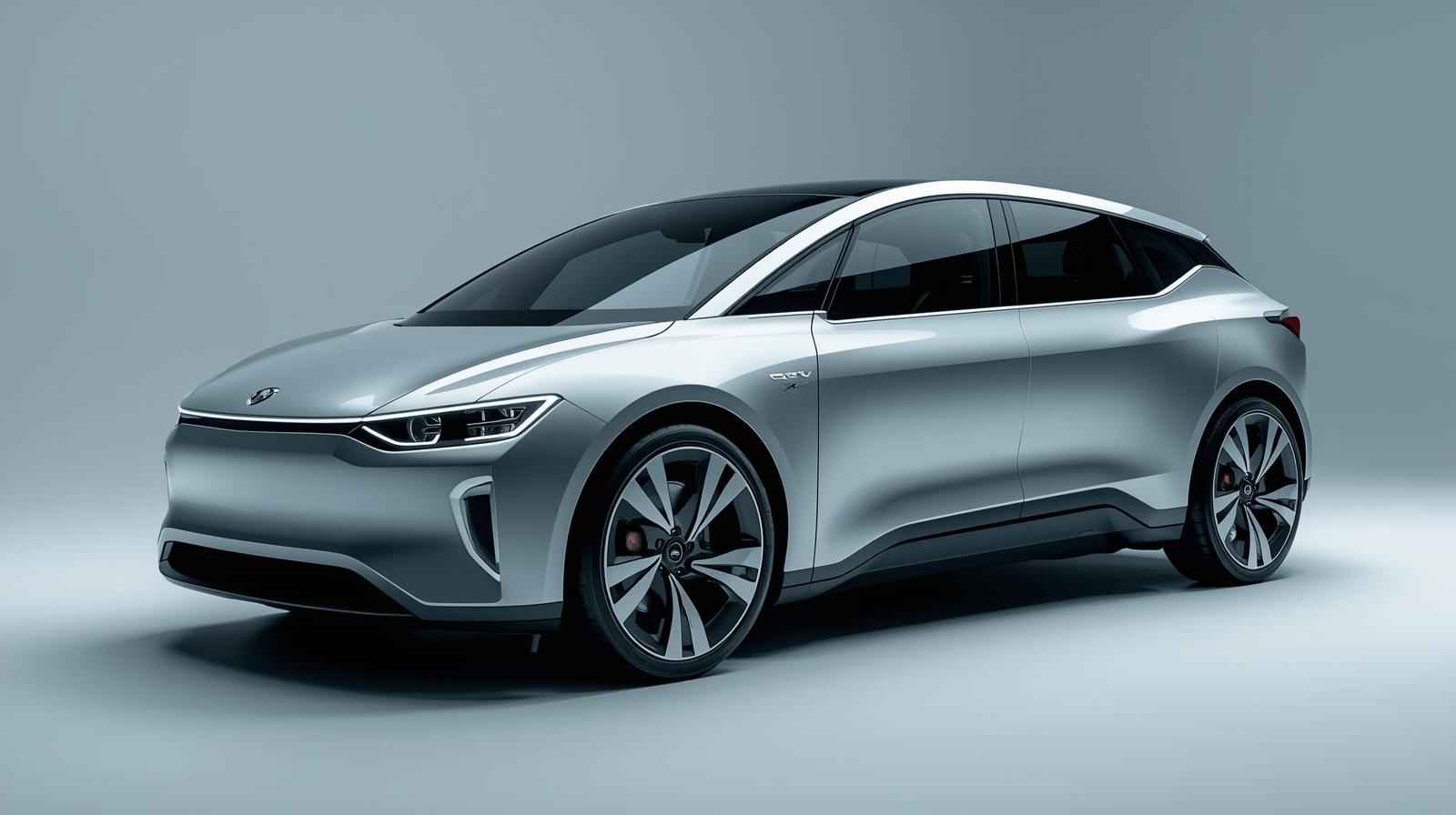
Battery Electric Vehicles (BEVs) are all-electric cars that run entirely on electricity. Unlike hybrids, they have no gasoline engine and rely on large rechargeable batteries to power an electric motor. BEVs can be charged at home chargers or public charging stations, making them a clean and cost-efficient option. The biggest advantages of BEVs are zero … Read more

Discover the Best Places to Charge Your EV 2025

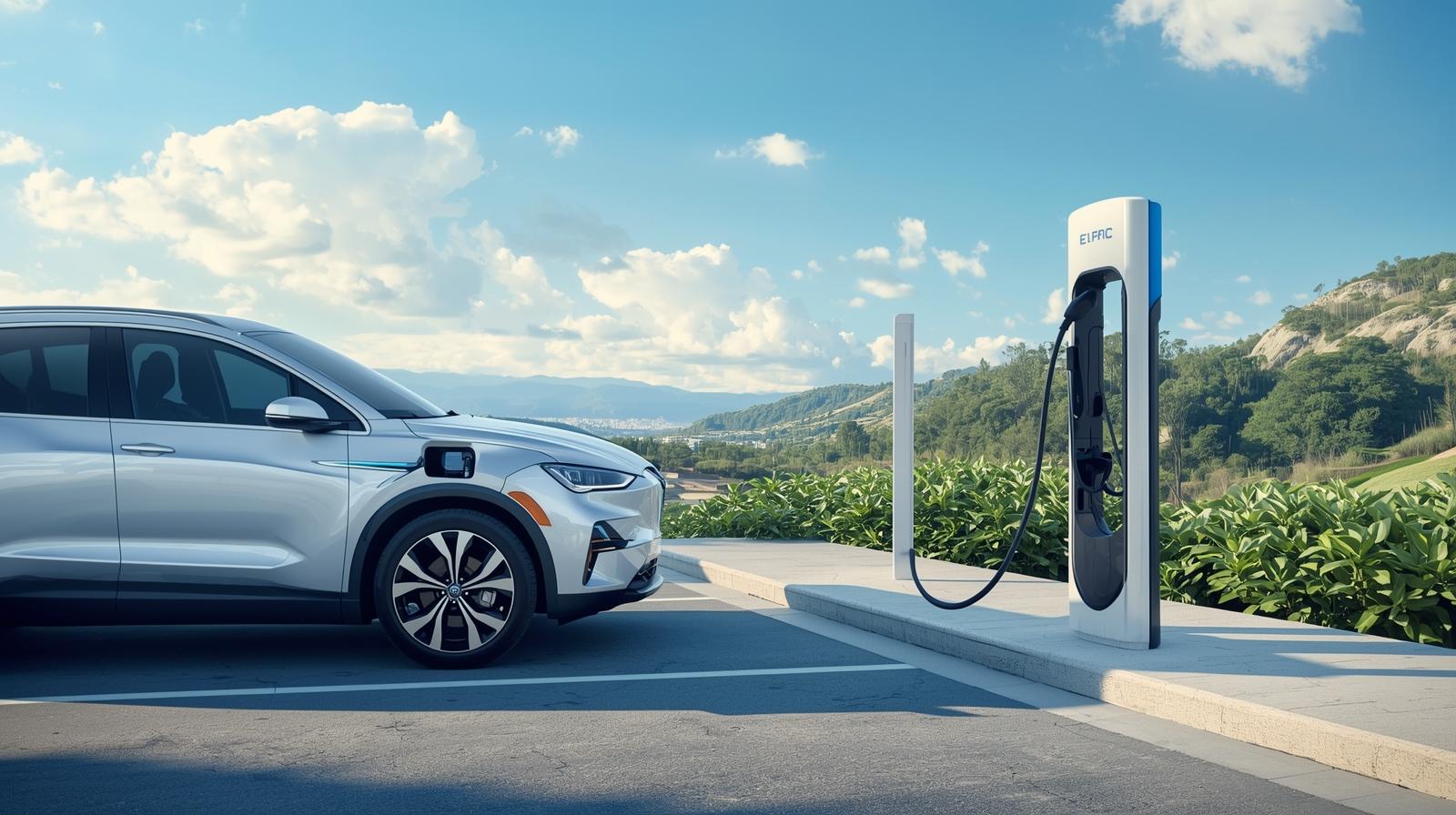
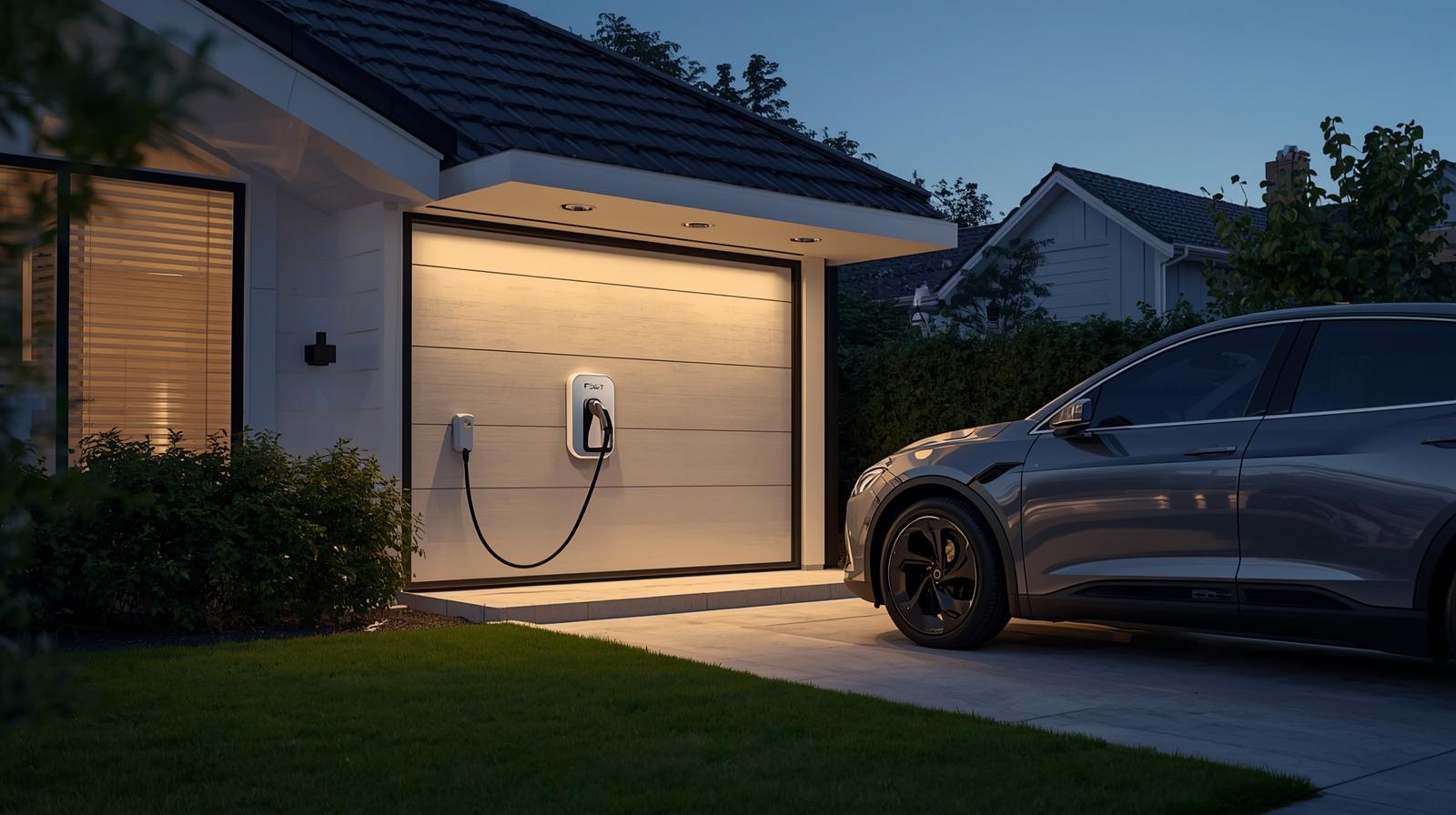
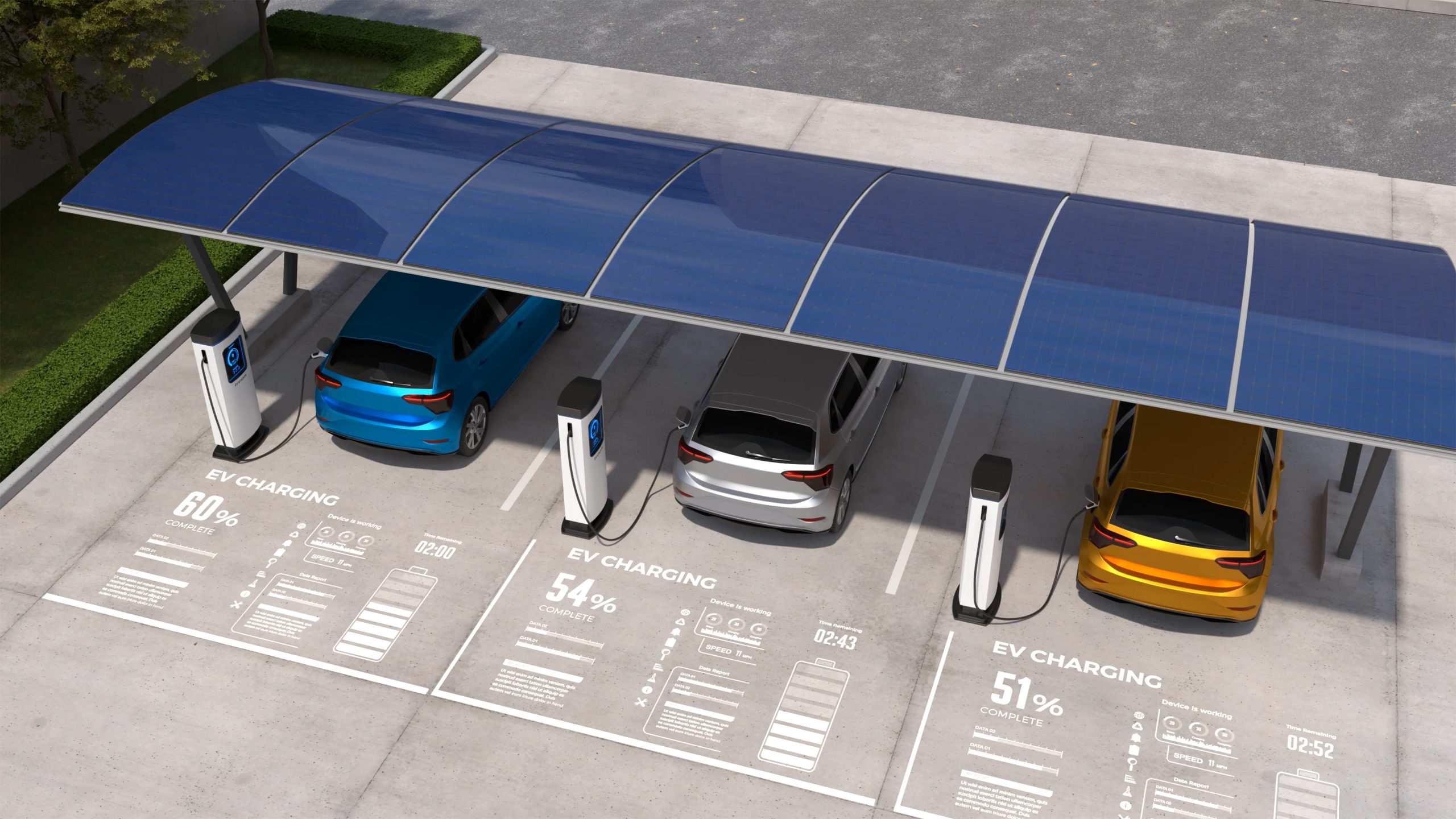
As the world shifts towards more sustainable options, electric vehicles (EVs) are becoming increasingly popular. One of the key concerns for EV owners is finding reliable and convenient charging stations. Where Can You Charge an EV? Understanding the best places to charge your EV is crucial for a seamless driving experience. Whether you’re on a long road trip or just commuting to work, knowing your options can make all the difference. EV charging infrastructure is expanding rapidly, with various charging networks and public charging stations popping up across the country. Key Takeaways Understanding EV Charging Basics As electric vehicles (EVs) become increasingly popular, understanding the basics of EV charging is crucial for current and prospective EV owners. The process involves various types of chargers, different charging speeds, and various connectors. Different Types of EV Chargers EV chargers are categorized into three main types based on their charging speed and power output. Level 1 Charging (120V) Level 1 charging uses a standard 120-volt household outlet. It’s the most basic form of charging and is typically used for overnight charging at home. Level 2 Charging (240V) Level 2 charging requires a 240-volt charging station. It charges EVs significantly faster than Level 1 and is commonly found in public charging stations and homes with dedicated EV charging setups. DC Fast Charging DC Fast Charging is the quickest method, capable of charging an EV to 80% in under 30 minutes. It’s ideal for long-distance travel and is typically found along highways and in commercial areas. Charging Speeds and What They Mean Charging speeds vary significantly across different charger types. Understanding these speeds is essential for planning your charging sessions, especially during long trips. Common Charging Connectors in the US The most common connectors in the US include the Type 1 (J1772) for Level 1 and Level 2 charging, and CCS (Combined Charging System) and CHAdeMO for DC Fast Charging. Most EVs come with a Type 1 connector, while some models may require adapters for other types. Understanding these basics can help EV owners make informed decisions about their charging needs and optimize their EV experience. Where Can You Charge an EV? With the rise of electric vehicles, understanding the various charging options is crucial for a seamless driving experience. Electric vehicle (EV) owners have multiple choices for charging their vehicles, making it convenient to keep their cars powered up and ready to go. Public Charging Infrastructure Public charging infrastructure is expanding rapidly across the United States. You can find public charging stations in various locations, including shopping centers, parking garages, and along highways. These stations offer a convenient way to charge your EV while you’re out and about. Some charging networks, like Electrify America and ChargePoint, provide extensive coverage, making long-distance travel in an EV more practical. Home Charging Solutions Home charging is a convenient and often preferred method for many EV owners. It allows you to charge your vehicle overnight, ensuring it’s ready for your daily commute. Garage and Driveway Options For those with garages or driveways, installing a home charging station is relatively straightforward. Companies like Tesla, ChargePoint, and others offer home charging solutions that can be installed by certified electricians. Apartment and Condo Considerations For residents of apartments and condos, charging can be a bit more complex. However, many complexes are now installing charging infrastructure to accommodate EV owners. It’s essential to discuss your needs with your building management to explore available options. Workplace Charging Programs Many employers are now offering workplace charging programs as a benefit to their employees. This initiative not only supports employees who own EVs but also encourages the adoption of sustainable transportation. Companies like Google and Microsoft have already implemented extensive workplace charging programs. Charging Location Typical Charging Time Convenience Level Public Charging Station 30 minutes – 1 hour High Home Charging 4 – 8 hours Very High Workplace Charging 4 – 8 hours High Major EV Charging Networks in the United States As electric vehicles become increasingly popular, the demand for reliable charging infrastructure has given rise to several prominent EV charging networks across the US. These networks have expanded rapidly to support the growing number of EVs on the road. Tesla Supercharger Network Tesla’s Supercharger network is one of the most extensive and well-known EV charging networks in the US. It provides fast charging along highways and in urban areas, making long-distance travel in a Tesla convenient. Electrify America Electrify America is another significant player, known for its fast-charging capabilities. It has established a comprehensive network across the country, focusing on corridors and urban centers. … Read more

Extend Your EV Battery Life: Top Tips 2025

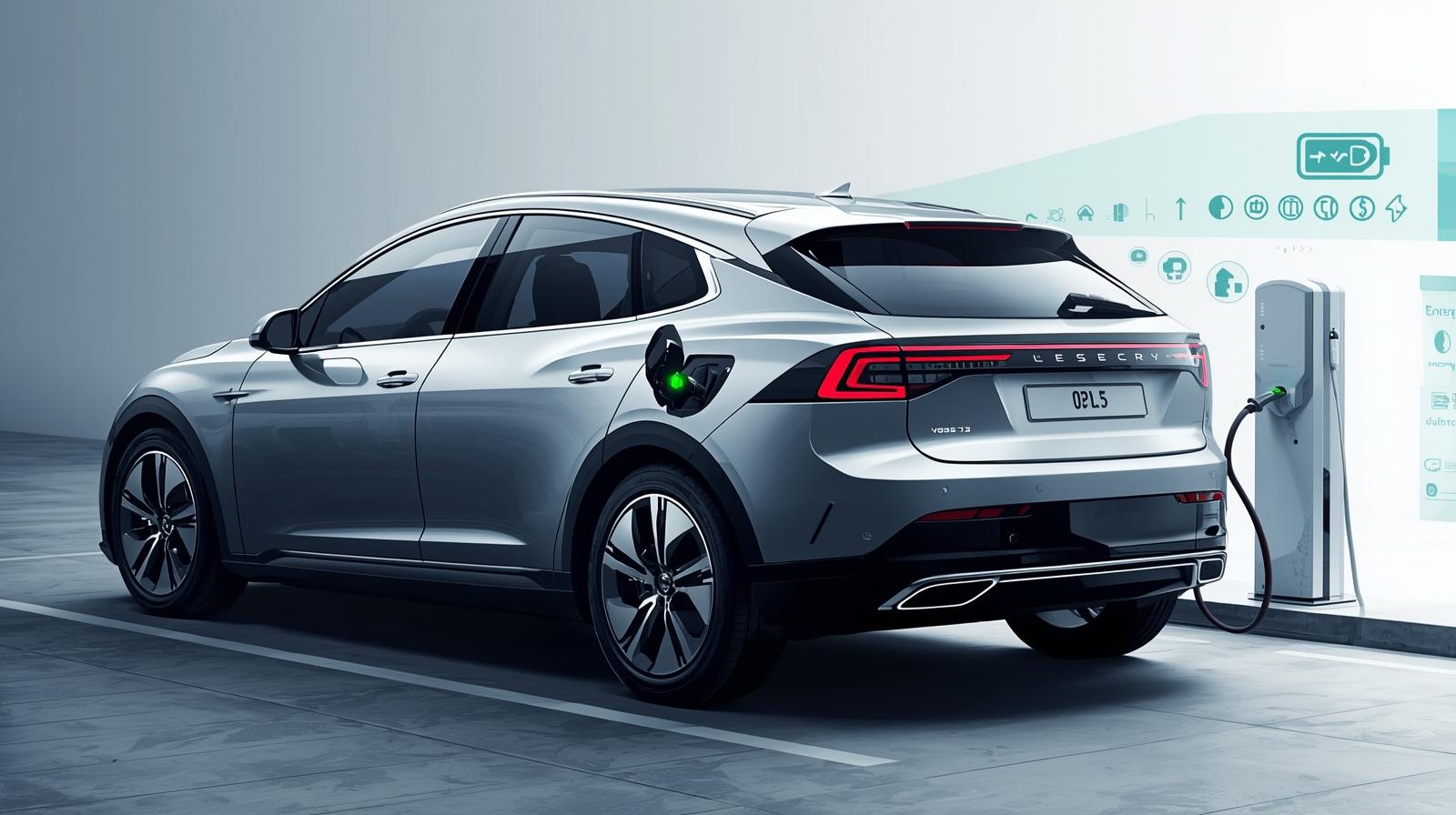
Maximizing the life of your electric vehicle battery is crucial for getting the most out of your investment. A well-maintained battery ensures your vehicle runs efficiently and effectively for years to come. Understanding the best practices for electric vehicle battery care can significantly improve your EV’s performance and longevity. By adopting the right charging habits and driving techniques, you can extend the life of your EV’s battery. Key Takeaways Understanding EV Battery Degradation Battery degradation in electric vehicles is a natural occurrence that can be influenced by various factors. As EV owners, understanding these factors is crucial for maximizing the lifespan of their vehicle’s battery pack. Common Causes of Battery Degradation Several factors contribute to EV battery degradation. Deep discharging, or completely draining the battery, can stress the cells. High temperatures can also accelerate chemical reactions that reduce battery life. Additionally, rapid charging, while convenient, can cause increased wear on the battery. According to a study by the National Renewable Energy Laboratory, factors such as driving habits, charging practices, and environmental conditions play significant roles in battery health. As one expert notes: “The way you charge and drive your EV can significantly impact its battery life. By adopting best practices, you can extend the life of your battery and maintain its performance.” EV Expert, GreenTech Journal How Battery Chemistry Affects Longevity The chemistry of your EV’s battery plays a significant role in its longevity. Lithium-ion batteries, the most common type used in EVs, have a limited lifespan due to the chemical reactions that occur during charging and discharging. Understanding the specific chemistry of your EV’s battery can help you better manage its health. Battery Chemistry Characteristics Impact on Longevity Lithium-ion High energy density, relatively long cycle life Prone to degradation under high temperatures and deep discharging Lithium Iron Phosphate Safer, more stable, less energy density Longer lifespan, less prone to thermal runaway NMC (Nickel Manganese Cobalt) Balanced performance, good energy density Moderate lifespan, sensitive to charging practices Measuring and Tracking Battery Health Regularly measuring and tracking your EV’s battery health is crucial for identifying potential issues early. Most EVs come with built-in tools to monitor battery state of charge and health. Additionally, third-party apps can provide detailed insights into your battery’s condition. By understanding and managing the factors that influence battery degradation, EV owners can take proactive steps to extend the life of their vehicle’s battery pack. How to Extend Your EV Battery Life Through Proper Charging To extend the life of your EV’s battery, it’s crucial to adopt the right charging practices. Proper charging habits can significantly impact the longevity and health of your electric vehicle’s battery. Optimal Charging Levels (20-80% Rule) One of the most effective ways to prolong your EV’s battery life is by following the 20-80% charging rule. This means charging your battery when it falls below 20% and unplugging it when it reaches 80% capacity. Avoiding full charges and deep discharges can reduce wear on the battery, potentially extending its lifespan. Fast Charging vs. Slow Charging Impact The impact of fast charging versus slow charging on your EV’s battery is a topic of much debate. While fast charging is convenient, frequent use of fast charging can cause the battery to degrade faster. On the other hand, slow charging is generally gentler on the battery but requires more time. It’s recommended to use fast charging when you’re in a hurry and slow charging for your daily routine. Balancing between fast and slow charging can help maintain your battery’s health. Best Practices for Home Charging Home charging is the most common method of charging an EV. To do it effectively: Using a smart charger can also help optimize your charging process by adjusting the charge rate based on your EV’s needs and the time of day. Public Charging Station Strategies When using public charging stations, planning is key. Try to charge your EV during off-peak hours to avoid straining the grid and potentially reducing the charging speed. Additionally, be mindful of the type of charger you’re using and its impact on your battery. Charging Type Speed Impact on Battery Fast Charging Quick, up to 80% in 30 minutes Higher degradation Slow Charging Slower, several hours for full charge Less degradation Temperature Management for Battery Preservation Temperature extremes can significantly impact your electric vehicle’s battery performance and longevity. Effective management of these temperatures is crucial for preserving your EV’s battery life. Protecting Your Battery in Extreme Heat Extreme heat can cause your EV’s battery to degrade faster. To mitigate this, park your vehicle in shaded areas whenever possible. Using a sunshade can also help reduce the temperature inside your car. Additionally, pre-conditioning your vehicle’s climate while it’s still plugged into a charger can cool down the battery before you start driving. Pre-conditioning not only cools the cabin but also helps in maintaining an optimal battery temperature, thus preserving its health. Cold Weather Battery Care Cold weather can also affect your EV’s battery, reducing its range and performance. Parking your vehicle in a garage or a heated parking spot can help maintain a more stable battery temperature. If possible, avoid leaving your EV outdoors in freezing conditions for extended periods. … Read more

How Does a Plug-In Hybrid Electric Vehicle (PHEV) Operate? A Complete Guide 2025

The automotive industry is rapidly moving toward cleaner, more efficient transportation, and Plug-In Hybrid Electric Vehicles (PHEVs) are at the forefront of this revolution. By combining the advantages of battery electric motors and traditional internal combustion engines, PHEVs offer drivers the best of both worlds: eco-friendly driving and extended range. In this comprehensive guide, we’ll … Read more

Types of EVs (BEV, HEV, PHEV, FCEV) Explained: Complete Guide 2025

Electric vehicles (EVs) are quickly becoming popular all around the world, including in Pakistan. With rising fuel prices and growing concern for the environment, people are now looking for better, cleaner, and more cost-effective transportation. But when someone hears about EVs, terms like BEV, HEV, PHEV, and FCEV can be confusing. In this blog, we … Read more

What Are the Different EV Charging Levels? (The Essential 2025 Guide)

Electric Vehicles (EVs) are transforming how the world drives. With zero tailpipe emissions, low running costs, and cutting-edge technology, EVs are quickly becoming the future of personal and commercial transportation. But owning an EV means understanding one crucial factor — how to charge it efficiently. Unlike gasoline cars that rely on fuel stations, EVs depend … Read more