

Electric Vehicles (EVs) have transformed the modern automotive landscape, offering cleaner, quieter, and more efficient transportation options. Yet, one of the biggest questions EV owners face is: “When and how should I use DC Fast Charging?”
While home and workplace charging cover most daily needs, there are times when you need to charge your EV quickly — during long trips, busy schedules, or emergencies. That’s when DC Fast Charging (also known as Level 3 charging) becomes the game changer.
In this detailed guide, you’ll learn everything about DC Fast Charging — what it is, how it works, when it’s best to use, how to find stations, and how it impacts your EV’s battery health. Let’s dive in.
Understanding the Basics of DC Fast Charging
What Is DC Fast Charging?
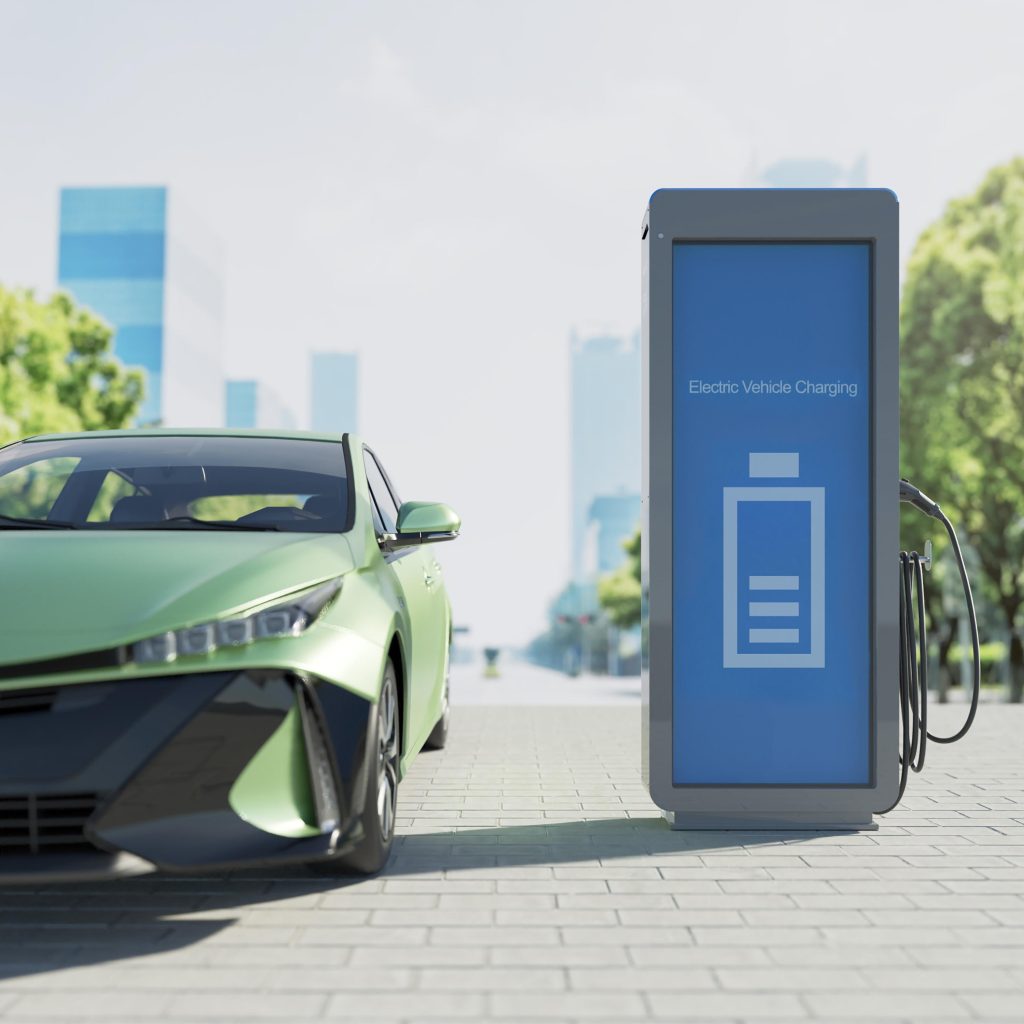
DC Fast Charging (often called Level 3 charging) is the fastest way to recharge an electric vehicle. Unlike Level 1 and Level 2 chargers that deliver Alternating Current (AC) to your car, DC Fast Chargers supply Direct Current (DC) directly to your EV’s battery.
This allows the vehicle to bypass its onboard converter, resulting in much faster charging times.
While home charging might take several hours, DC fast charging can replenish up to 80% of your EV’s battery in just 20–40 minutes, depending on the charger’s power output and the car’s capabilities.
How DC Fast Charging Works
Here’s a simple step-by-step breakdown of how it functions:
- Connection – You plug the fast charger’s connector into your EV’s DC port.
- Communication – The station and vehicle exchange information about battery type, voltage, and state of charge.
- Power Delivery – Once verified, the charger sends high-voltage DC electricity directly to the battery.
- Automatic Control – The system continuously monitors battery temperature and charge level to prevent overheating.
- Tapering Off – When the battery reaches around 80%, charging speed gradually slows down to protect the battery’s lifespan.
Power Ratings: How Fast Is DC Fast Charging?
Not all DC chargers are equal. Their power output determines how quickly your EV will charge.
| Charger Type | Power Output | Approx. Range per 10 min | Typical Use |
| Standard DC Fast Charger | 50 kW | 30–40 miles | Most public stations |
| High-Power Charger | 150 kW | 90–100 miles | Modern EVs & highways |
| Ultra-Fast Charger | 250–350 kW | 150–200 miles | Premium EVs like Tesla, Porsche, Hyundai Ioniq 5 |
Most EV batteries charge fastest from 10% to 80% — after that, the system slows down to avoid overcharging.
When Should You Use DC Fast Charging?
You should use DC Fast Charging when you need a quick energy boost for your electric vehicle. It’s ideal for long road trips, busy schedules, or emergency situations where waiting hours for a full charge isn’t practical. With the ability to charge up to 80% in just 20–30 minutes, DC fast chargers help you get back on the road faster. However, it’s best to use them occasionally rather than daily, as frequent fast charging can slightly affect your battery health and charging costs.Even though it’s the fastest method, DC fast charging isn’t always necessary. Here’s when you should use it:
1. Long-Distance Travel
If you’re going on a road trip, DC Fast Charging is your best friend. You can stop for 20–30 minutes, grab a coffee or meal, and gain 200+ miles of range — enough to reach your next destination.
2. Time-Sensitive Situations
When you’re in a hurry or forgot to charge overnight, a quick DC session can get you back on the road in minutes rather than hours.
3. Urban Driving Without Home Charging
City dwellers who don’t have private garages or access to home chargers rely on public DC stations for convenient top-ups.
4. Fleet or Commercial EV Operations
For delivery vans, taxis, and corporate fleets, time is money. DC fast chargers help businesses minimize downtime and keep vehicles running throughout the day.
When You Should Avoid Using DC Fast Charging
You should avoid using DC Fast Charging for your electric vehicle on a daily basis, especially for short commutes or regular home charging. Frequent use of DC fast chargers can generate more heat, which may reduce long-term battery health and efficiency. It’s better to rely on Level 1 or Level 2 charging for everyday needs, as they are gentler on the battery and more cost-effective. Use DC fast chargers mainly for long trips or emergencies, not as your regular charging method.Although convenient, DC Fast Charging should not replace regular home or Level 2 charging for everyday use. Here’s why:
1. Frequent Use Can Stress the Battery
Fast charging generates heat, which can slightly accelerate battery degradation over long periods if used too often.
2. Higher Cost Per Charge
DC fast chargers usually cost two to three times more per kWh than home charging. So while it’s great for emergencies, it’s not cost-efficient for daily use.
3. Charging Taper Beyond 80%
After your EV battery reaches about 80% state of charge, the charging speed slows dramatically. Continuing to 100% wastes time and provides diminishing returns.
4. Limited Availability
While networks like Tesla Supercharger, Electrify America, ChargePoint, and EVgo are expanding rapidly, DC fast chargers are still less common than slower alternatives, especially in rural areas.
Different DC Fast Charging Standards
Depending on your EV’s make and region, different connector standards are used for DC charging:
| Connector Type | Used By | Max Power Output | Region |
| CCS (Combined Charging System) | Ford, VW, BMW, GM, Hyundai | Up to 350 kW | North America, Europe |
| CHAdeMO | Nissan Leaf, Mitsubishi Outlander | Up to 100 kW | Japan, limited U.S. use |
| Tesla Supercharger (NACS) | Tesla (now expanding to others) | Up to 250 kW | Global |
Tesla’s NACS (North American Charging Standard) is being adopted by many automakers, signaling a move toward one unified standard across North America.
How to Find DC Fast Charging Stations
Modern technology makes locating fast chargers easy. Here’s how:
1. EV Apps
Use apps like:
- PlugShare
- ChargePoint
- Electrify America
- EVgo
- A Better Route Planner (ABRP)
These apps display station availability, plug types, pricing, and even real-time charging status.
2. Built-In Navigation
Most modern EVs (like Tesla, Hyundai, Kia, Ford, etc.) have built-in maps that automatically plan routes and suggest fast-charging stops.
3. Google Maps Integration
Just type “DC fast charging near me,” and Google Maps will list nearby stations, power ratings, and user reviews.
4. Membership Networks
Joining a network (e.g., Electrify America Pass+, EVgo Rewards) can offer discounted rates and priority access to chargers.
Step-by-Step: How to Use a DC Fast Charger
Using a DC Fast Charger is straightforward. Here’s the process:
- Locate a Compatible Station
Check that your EV supports the charger type (CCS, CHAdeMO, or NACS). - Park and Plug In
Connect the charger’s DC connector to your EV’s DC port (often separate from the AC port). - Authenticate
Use an RFID card, mobile app, or credit card to start the session. - Monitor Charging
The display will show charging speed, time, and cost. Most cars also show this info on the dashboard. - Unplug and Go
Once you reach 80–90%, stop charging, unplug, and continue your trip.
Pro Tip: Always check for idle fees — many networks charge extra if you leave your car plugged in after charging is complete.
How DC Fast Charging Affects Battery Health
The Science of Battery Degradation
EV batteries are made of lithium-ion cells that naturally degrade over time due to:
- Heat exposure
- Frequent full charging/discharging
- High-speed charging cycles
How Fast Charging Plays a Role
Fast charging raises battery temperature more than slow charging, which can slightly reduce battery lifespan if used excessively.
However, modern EVs are equipped with advanced battery management systems (BMS) that regulate temperature and charging rate, greatly reducing this risk.
Tips to Protect Battery Health
- Use DC Fast Charging sparingly (for trips, not daily use).
- Avoid charging beyond 80% unless necessary.
- Keep battery between 20–80% for everyday use.
- Don’t fast-charge immediately after a long, hot drive — let the battery cool.
Cost of DC Fast Charging
Pricing varies by network and region, but typically:
- $0.30 to $0.60 per kWh, or
- Per-minute pricing for some stations (e.g., Tesla or EVgo).
For example:
- A 60 kWh EV battery might cost $18–$30 for an 80% charge using DC fast charging.
- Charging the same battery at home might cost $6–$10 depending on electricity rates.
Though more expensive, DC fast charging provides speed and convenience unmatched by home setups — a small price for time saved on the go.
Planning Long Trips with DC Fast Charging
EV trip planning is easier than ever. Here’s how to maximize range and efficiency:
1. Start at 100%
Charge fully before leaving home to minimize your first stop.
2. Use Built-in Route Planners
Most EVs automatically suggest DC chargers along your route.
3. Stop Around 10–20% Battery
EVs charge fastest at low states of charge, so plan stops accordingly.
4. Charge to 80%
Avoid wasting time on the slower top 20% unless it’s essential.
5. Combine with Breaks
Schedule fast-charging stops during meal or restroom breaks — efficient for both you and your EV.
The Future of DC Fast Charging
The next generation of DC charging technology is shaping a faster, smarter, and cleaner future.
Ultra-Fast Charging Networks
Stations offering 350 kW and higher are expanding globally, enabling 10-minute charges for 200+ miles of range.
Renewable Energy Integration
Fast-charging networks are integrating solar and wind energy, making charging 100% carbon-neutral.
Vehicle-to-Grid (V2G) Technology
Future chargers will allow EVs to feed power back into the grid, balancing electricity demand and supply.
Smart Charging Infrastructure
AI-driven systems will automatically distribute power between vehicles to reduce grid stress and lower charging costs.
Standardization and Accessibility
By 2030, most automakers will adopt Tesla’s NACS connector, simplifying fast charging across all EV brands.
Conclusion: Using DC Fast Charging the Smart Way
DC Fast Charging is a powerful tool in every EV driver’s toolkit — the bridge between convenience and mobility. It allows you to charge your EV in minutes rather than hours, perfect for long trips, commercial use, or emergency top-ups.
However, it’s essential to use it strategically: rely on Level 1 or Level 2 charging for daily needs, and reserve DC fast charging for road trips or time-sensitive situations. This approach ensures cost savings, preserves battery health, and delivers optimal performance throughout your EV’s lifespan.
As infrastructure expands and technology improves, DC fast charging will continue to redefine electric mobility — empowering drivers to go farther, faster, and cleaner than ever before.