

Electric vehicles (EVs) are becoming more popular across the United States, and most of them rely on one key technology:
Lithium-ion batteries
These batteries power your car, store energy, and make electric driving possible. But while they offer many benefits, they are not perfect.
So let’s answer the important question:
What are the Disadvantages of lithium-ion battery in electric vehicles?
In this detailed and easy-to-understand guide, you’ll learn the real drawbacks of lithium-ion batteries, explained in simple language, along with practical insights every EV owner should know.
Disadvantages of Lithium-Ion Battery in Electric Vehicles
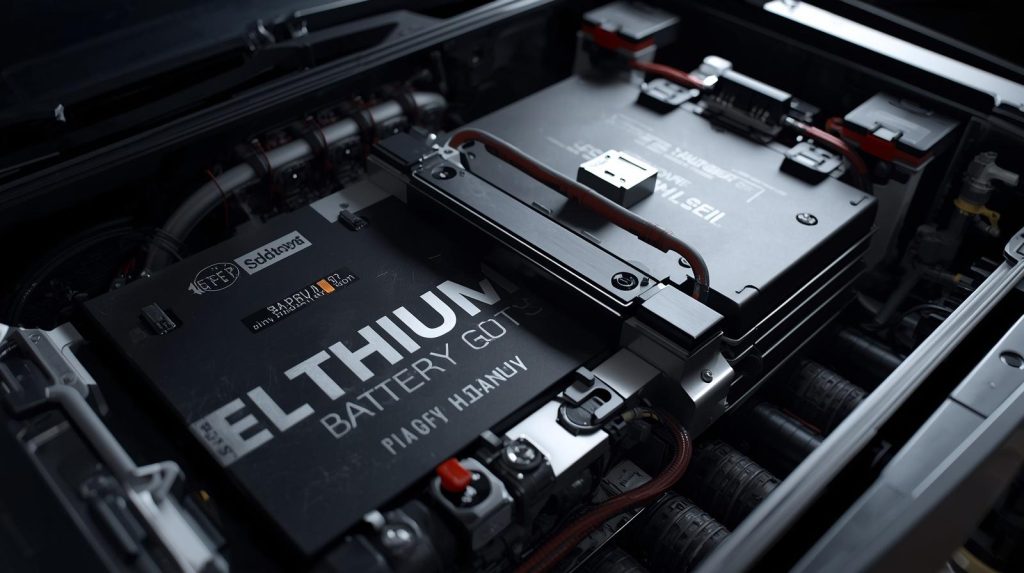
Here are the main disadvantages:
- High cost
- Battery degradation over time
- Sensitivity to temperature
- Charging limitations
- Environmental concerns
- Safety risks (rare but possible)
Simple takeaway:
Lithium-ion batteries are powerful, but they come with trade-offs.
Why Lithium-Ion Batteries Are Still Used
Before we dive into the disadvantages, it’s important to understand:
Lithium-ion batteries are still the best option available today.
Why?
- High energy density
- Lightweight design
- Fast charging capability
- Proven technology
Even with drawbacks, they remain the top choice for EVs.
1. High Cost of Lithium-Ion Batteries
One of the biggest disadvantages is cost.
Why They Are Expensive:
- Raw materials like lithium, cobalt, and nickel
- Complex manufacturing process
- Advanced technology
Impact on EV Buyers:
- Higher vehicle price
- Expensive battery replacement
Battery cost is a major reason EVs can be more expensive than gas cars.
2. Battery Degradation Over Time
Lithium-ion batteries don’t last forever.
What Happens:
- Battery capacity decreases
- Driving range reduces
- Charging efficiency drops
Typical Lifespan:
- 8–15 years
- 100,000–200,000 miles
This is called battery degradation, and it’s normal.
3. Sensitivity to Temperature
Lithium-ion batteries are affected by extreme weather.
In Hot Weather:
- Risk of overheating
- Faster degradation
In Cold Weather:
- Reduced range
- Slower charging
This is especially important for U.S. drivers in extreme climates.
4. Charging Limitations
Charging is not always simple or fast.
Challenges:
- Fast charging can stress the battery
- Charging takes longer than refueling gas cars
- Charging infrastructure varies by location
While improving, charging is still a limitation.
5. Limited Energy Density Compared to Future Tech
Lithium-ion batteries are good—but not perfect.
Limitation:
- Cannot store unlimited energy
- The range is still limited compared to gasoline cars
Future technologies like solid-state batteries aim to solve this.
6. Safety Risks (Rare but Important)
Lithium-ion batteries are generally safe, but risks exist.
Possible Issues:
- Overheating
- Thermal runaway (chain reaction of heat)
- Fire risk (very rare)
Protection:
- Battery Management System (BMS)
- Cooling systems
Modern EVs are designed to minimize these risks.
7. Environmental Impact
Lithium-ion batteries are cleaner than gasoline—but not perfect.
Concerns:
- Mining lithium, cobalt, and nickel
- Energy-intensive production
- Recycling challenges
However, EVs still produce fewer emissions overall.
8. Recycling Challenges
Recycling EV batteries is complex.
Issues:
- Expensive recycling process
- Limited infrastructure
- Difficult material recovery
The industry is working on better recycling solutions.
9. Weight of the Battery
Lithium-ion batteries are heavy.
Impact:
- Adds weight to the vehicle
- Can affect efficiency and handling
Manufacturers design EVs to manage this weight effectively.
10. Dependence on Charging Infrastructure
EV batteries depend on charging availability.
Challenges in the U.S.:
- Limited chargers in rural areas
- Long wait times at busy stations
Infrastructure is improving but still developing.
Why These Disadvantages Matter for U.S. Drivers
Driving conditions in the U.S. make these factors important.
Examples:
- Long road trips → range concerns
- Cold states → reduced battery performance
- Hot states → overheating risks
Understanding these disadvantages helps you prepare better.
How to Reduce the Impact of Lithium-Ion Battery Disadvantages
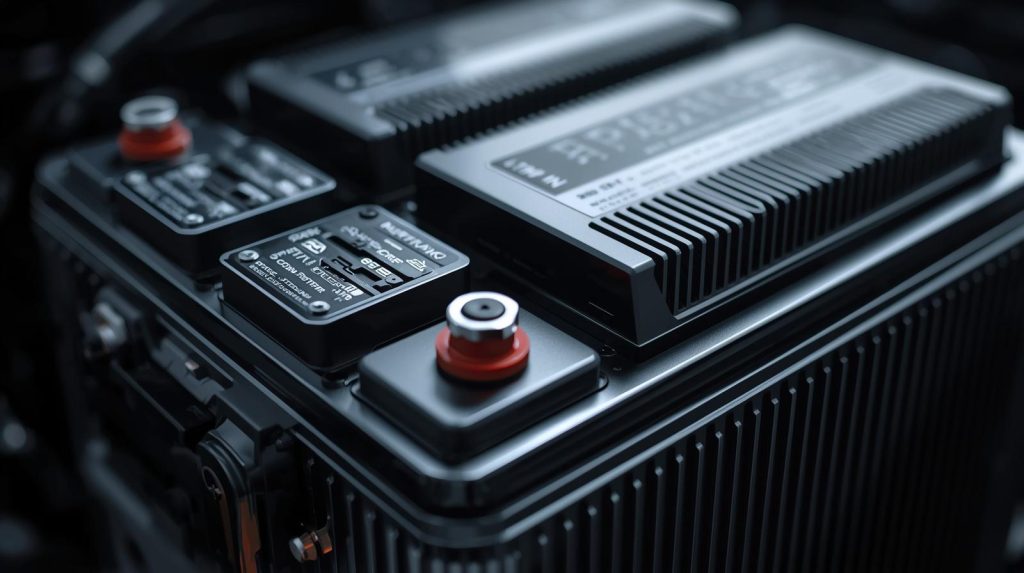
The good news is, you can minimize many of these issues.
Smart Tips:
1. Avoid Full Charges Daily
Keep the battery between 20%–80%.
2. Limit Fast Charging
Use it only when needed.
3. Protect from Extreme Temperatures
Park in a garage when possible.
4. Drive Smoothly
Reduce battery stress.
5. Use Eco Mode
Improve efficiency.
6. Follow Manufacturer Guidelines
Each EV is different.
7. Monitor Battery Health
Watch for alerts.
8. Maintain Your Vehicle
Efficiency supports battery performance.
9. Plan Trips Smartly
Reduce range anxiety.
10. Keep Software Updated
Improve battery management.
Common Myths About Lithium-Ion Battery Disadvantages
Myth: EV batteries fail quickly
Fact: Most last over a decade
Myth: EV batteries are unsafe
Fact: They are highly regulated and safe
Myth: EVs are worse for the environment
Fact: They are cleaner overall
Future Solutions to These Disadvantages
Technology is improving fast.
What’s Coming:
- Solid-state batteries
- Faster charging
- Lower costs
- Better recycling methods
These innovations will reduce current disadvantages.
Final Verdict: Disadvantages of Lithium-Ion Battery in Electric Vehicles
Lithium-ion batteries have some disadvantages, but they remain the best current technology for EVs.
Key Takeaways:
- Cost is still high
- Batteries degrade over time
- Temperature affects performance
- Charging and infrastructure are improving
Simple Rule:
The benefits still outweigh the disadvantages for most drivers.
FAQs: Disadvantages of Lithium-Ion Battery in Electric Vehicles
1. What is the biggest disadvantage of lithium-ion batteries?
High cost and gradual degradation.
2. Do EV batteries lose capacity over time?
Yes, but slowly.
3. Are lithium-ion batteries safe?
Yes, with advanced safety systems.
4. Do cold temperatures affect EV batteries?
Yes, they reduce range and charging speed.
5. Will future batteries solve these issues?
Yes, new technologies are being developed.
Conclusion: Disadvantages of Lithium-Ion Battery in Electric Vehicles
Now you fully understand the disadvantages of lithium-ion batteries in electric vehicles.
The truth is simple:
No technology is perfect—but lithium-ion batteries are still the best available option today.
By understanding their limitations and using smart driving habits, you can enjoy all the benefits of electric driving while minimizing the downsides.
The future of EV batteries is bright—and it’s only getting better.