

As electric vehicles (EVs) continue to rise in popularity, more homeowners are choosing to install home EV chargers for the convenience, speed, and independence they offer. However, one step that many people overlook is getting an EV charger permit before installation. Understanding the Benefits of Getting an EV Charger Permit can save you from expensive mistakes, legal issues, and safety hazards.
This detailed guide explains what an EV charger permit is, why you need one, and the long list of benefits it provides. Whether you’re installing a Level 1 charger, a powerful Level 2 charger, or upgrading your electrical panel, this article gives you everything you need to make informed and compliant decisions.
What Is an EV Charger Permit?

An EV charger permit is an official approval granted by your local city, county, or municipality that authorizes the installation of electric vehicle charging equipment in your home. Most areas require a permit for Level 2 EV chargers, which operate at 240 volts and draw significantly more power than standard household appliances.
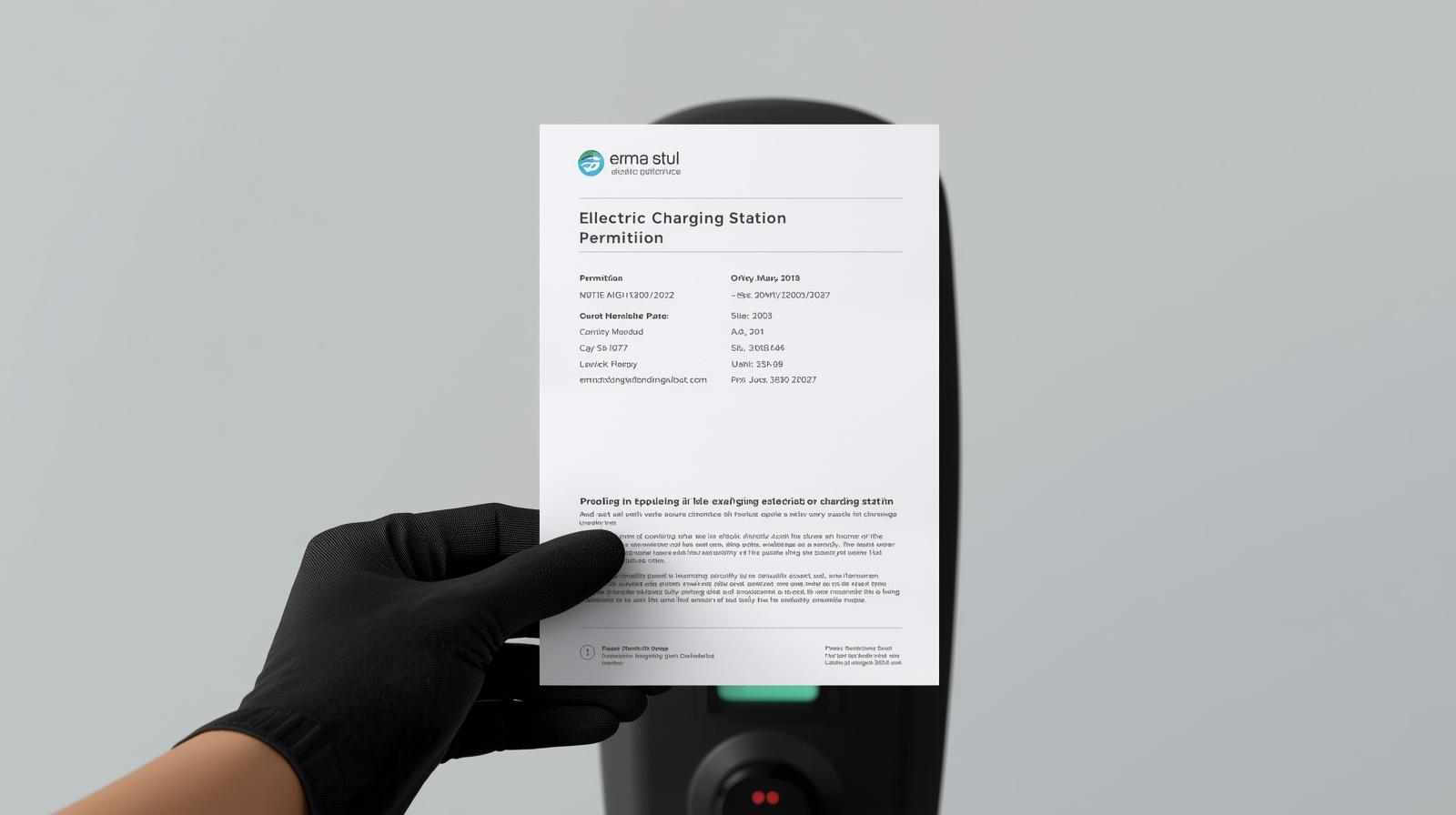
The permit ensures the installation is safe, legal, and compliant with building and electrical codes, such as:
- National Electrical Code (NEC)
- Local building and construction regulations
- Fire safety standards
As more EV owners choose home charging, cities and counties have implemented permit requirements to maintain safety and prevent electrical overloads or fire hazards.
Why Permits Matter for Home Charger Installation
Many homeowners are unaware that EV charger installations require modifications to the home’s electrical system. These changes can include:
- Adding a dedicated 240-volt circuit
- Installing new breakers
- Upgrading the main service panel
- Increasing the electrical load capacity
- Running new wiring through walls, attics, or garages
Each of these tasks requires professional knowledge and must meet local electrical and safety codes. Getting a permit ensures the installation is inspected, safe, and approved.
The Top Benefits of Getting an EV Charger Permit
Below are the biggest Benefits of Getting an EV Charger Permit, each explained in detail.
1. Ensures Safety
The primary reason permits exist is safety. Charging stations draw high amounts of electricity, and incorrect installation can result in:
- Electrical fires
- Overheating wires
- Damaged circuits
- Shock hazards
When you obtain a permit, your local authority verifies that your setup meets strict electrical laws designed to protect your home.
2. Prevents Electrical Hazards
A permitted installation undergoes inspection to ensure:
- Proper grounding
- Correct wire gauge
- Safe breaker size
- Secure connections
This reduces the risk of short circuits, arc faults, or power surges.
Without a permit, you’re putting your home and safety at risk.
3. Guarantees Code Compliance
One of the most important Benefits of Getting an EV Charger Permit is that it guarantees compliance with:
- NEC safety standards
- Local electrical codes
- Fire safety requirements
- Construction regulations
These codes exist to ensure your charger works reliably and safely for years.
4. Protects You From Legal Penalties
Installing an EV charger without a permit can lead to:
- Fines from your city or county
- Orders to remove or redo the installation
- Delays in home sale processes
- Legal disputes with contractors
A simple permit protects you from legal troubles that can arise later.
5. Helps With Insurance Coverage
If an electrical fire or property damage occurs due to an unpermitted charger installation, your homeowner’s insurance may deny your claim.
With a permit, you have documented proof that:
- The installation was legal
- It met all safety standards
- It passed inspection
This protects your financial security in case of emergencies.
6. Increases Home Value
Homes with properly installed, permitted EV chargers are more attractive to buyers. EV ownership is growing rapidly, and homebuyers increasingly look for:
- Modern upgrades
- Energy-efficient features
- Ready-to-use EV charging stations
Having a permitted installation boosts buyer confidence and increases property resale value.
7. Ensures Proper Load Capacity Evaluation
One of the biggest Benefits of Getting an EV Charger Permit is that it ensures your home’s electrical system is evaluated before installation. This helps determine if your home can safely support:
- A 240-volt charger
- Increased electrical demand
- Simultaneous usage of major appliances
If your system lacks capacity, a professional will suggest safe upgrades.
8. Helps Prevent Future Electrical Failures
EV chargers run for long periods and put extra load on your electrical system. A permit ensures:
- Circuits don’t overload
- Breakers don’t trip
- Wiring doesn’t heat up
- Your panel can handle continuous use
This reduces long-term repair costs and prevents interruptions in charging.
9. Required for Warranty Protection
Many EV charger manufacturers require professional installation and compliance with local permitting rules for warranty validity.
Without a permit:
- Your charger warranty may be void
- Repairs may not be covered
- Replacement claims might be denied
With a permit, your warranty remains safe.
10. Prevents Costly Re-Work
If an unpermitted installation fails inspection later during remodeling or selling your home, you may be forced to:
- Redo wiring
- Replace circuits
- Upgrade your panel
- Pay extra for contractors
- Resume the permitting process
This can cost far more than simply getting a permit from the start.
11. Ensures Professional Installation
Most permits require installation by a licensed electrician, which ensures:
- Correct wiring
- Proper breaker size
- Safe panel upgrades
- Accurate load calculations
- Long-lasting installation quality
Hiring a professional protects your home and enhances performance.
12. Enhances Charging Efficiency
A permitted charger is installed according to official standards, which ensures:
- Faster charging
- Stable power flow
- Reduced charging interruptions
- Better performance over time
Safe wiring and proper load distribution lead to consistent, efficient charging sessions.
What Happens If You Install an EV Charger Without a Permit?

Failing to get a permit can result in several serious consequences, including:
• Safety Risks
Unpermitted installations are more likely to cause electrical fires, shocks, or charger failures.
• Insurance Denial
Damage caused by unpermitted electrical work may not be covered.
• Fines and Penalties
Cities can issue fines or require immediate removal of unapproved electrical work.
• Failed Home Inspections
If you sell your home, inspectors may flag the unpermitted installation.
• Costly Repairs
You may need to redo wiring, upgrade panels, or reinstall the charger entirely.
Skipping a permit may seem like a shortcut, but, long-term, it’s a costly mistake.
How to Get an EV Charger Permit
The exact steps vary by location, but generally include:
1. Contacting your local permitting office
Find out the specific requirements for EV charger installation.
2. Hiring a licensed electrician
They will handle the technical wiring and often manage the permit for you.
3. Submitting documentation
This may include electrical plans, load calculations, or site details.
4. Paying the permit fee
Usually between $50 and $250 depending on your city.
5. Scheduling an inspection
After installation, a certified inspector ensures everything meets code.
6. Receiving final approval
Once approved, you can confidently use your charger.
Conclusion: The Real Benefits of Getting an EV Charger Permit
Understanding the Benefits of Getting an EV Charger Permit is the key to a safe, efficient, and legally compliant installation. While some homeowners think they can skip this step, getting a permit ensures:
- Maximum safety
- Long-term protection
- Insurance security
- Higher home value
- Better charger performance
- Compliance with local and national codes
- Professional installation quality
A permitted installation not only protects your home but also gives you peace of mind. With EV ownership growing rapidly, taking the right steps—starting with getting a permit—will ensure your home charging system is safe, fast, and reliable for years to come.
FAQs
1. Why do I need a permit to install an EV charger?
You need a permit to ensure the installation follows local electrical codes, prevents fire risks, and guarantees that a licensed professional completes the work safely.
2. What are the main benefits of getting an EV charger permit?
The key benefits include improved safety, legal compliance, insurance protection, better electrical performance, and added home resale value.
3. How long does it take to get an EV charger permit?
In most areas, permits are approved within 1–10 business days, depending on your local building department and the type of installation.
4. Does every EV charger installation require a permit?
Most Level 2 home charger installations require a permit. Level 1 chargers usually do not, but this varies by location, so it’s best to check local regulations.
5. Can I install an EV charger without a permit?
You can physically install one, but doing so is unsafe and may violate local laws. It can also void insurance claims and lower your home’s resale value.
6. Does getting a permit increase the installation cost?
Permit fees vary from $50 to $250, but they are a small price for safety, legal protection, and long-term reliability.
7. Will a permitted installation improve my home’s value?
Yes. A documented, code-compliant EV charger installation can increase resale appeal, especially to EV owners.
8. Do electricians handle the permit process?
Most licensed electricians handle the permit application for you, making the process smooth and stress-free.