
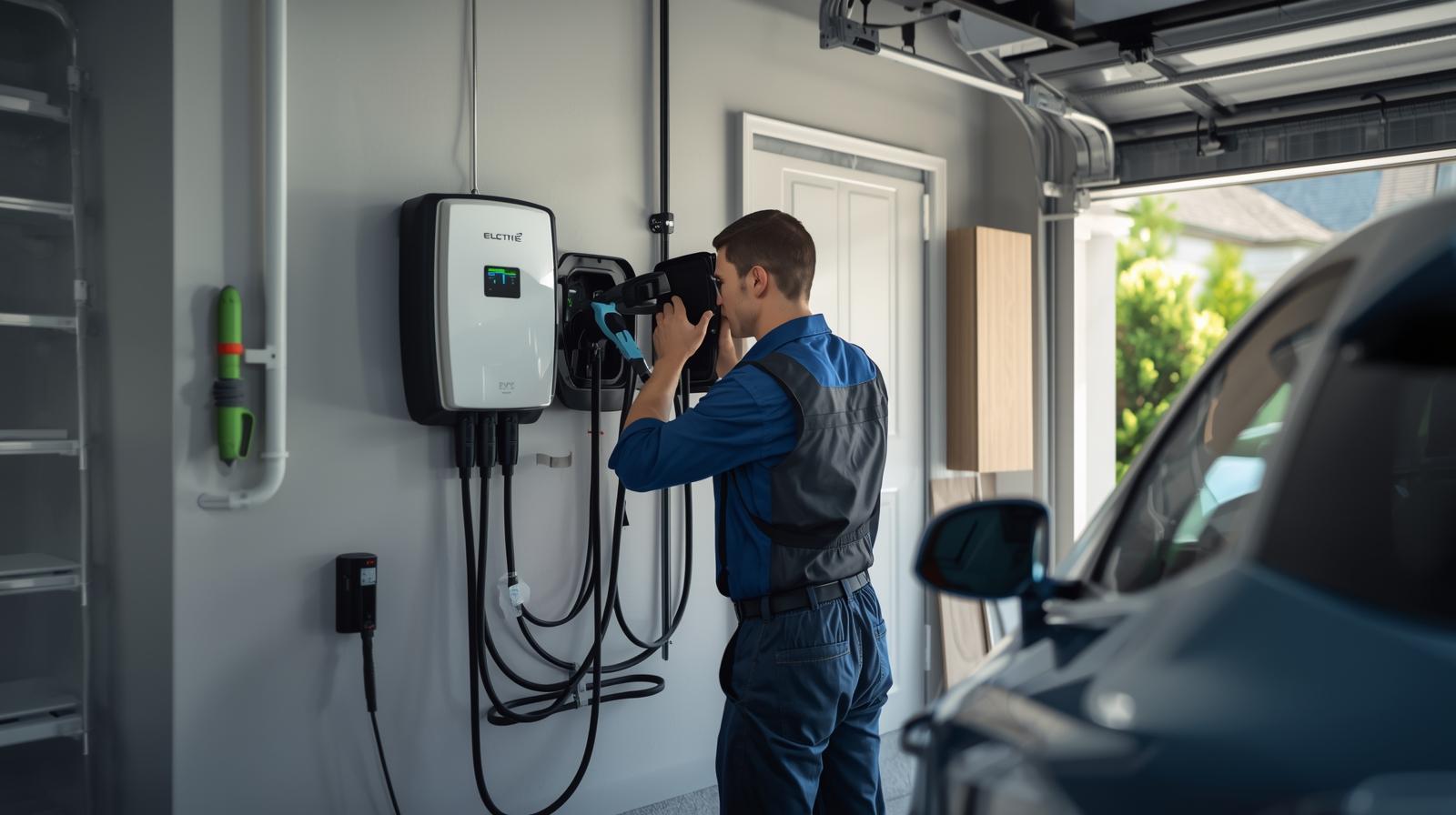
Electric vehicles (EVs) continue to grow rapidly in popularity, and more drivers are switching from gas to electric for long-term savings, convenience, and sustainability. But once you purchase an EV, one of the first decisions you’ll face is whether to install a home charger—and more importantly, how much does it cost to install an EV charger?
This extensive guide will walk you through every cost involved, from equipment pricing to electrical upgrades, permitting fees, labor rates, and common hidden expenses. By the end, you’ll know exactly what to expect, how to budget properly, and whether installing a home EV charger is the right move for your lifestyle.
Introduction
One of the most common questions new EV owners ask is: how much does it cost to install EV charger? While the exact price varies by location, charger type, home wiring condition, and labor expenses, the typical cost ranges between $500 and $2,500 for most American and Canadian homeowners.
But this is just the surface.
The real cost depends on whether:
- Your home needs electrical panel upgrades
- You need a dedicated circuit
- You choose a hardwired installation or a plug-in unit
- Permits are required in your area
- You hire a certified electrician (recommended)
Because there is no one-size-fits-all answer, this guide breaks everything down in detail.
Why Home Charging Matters
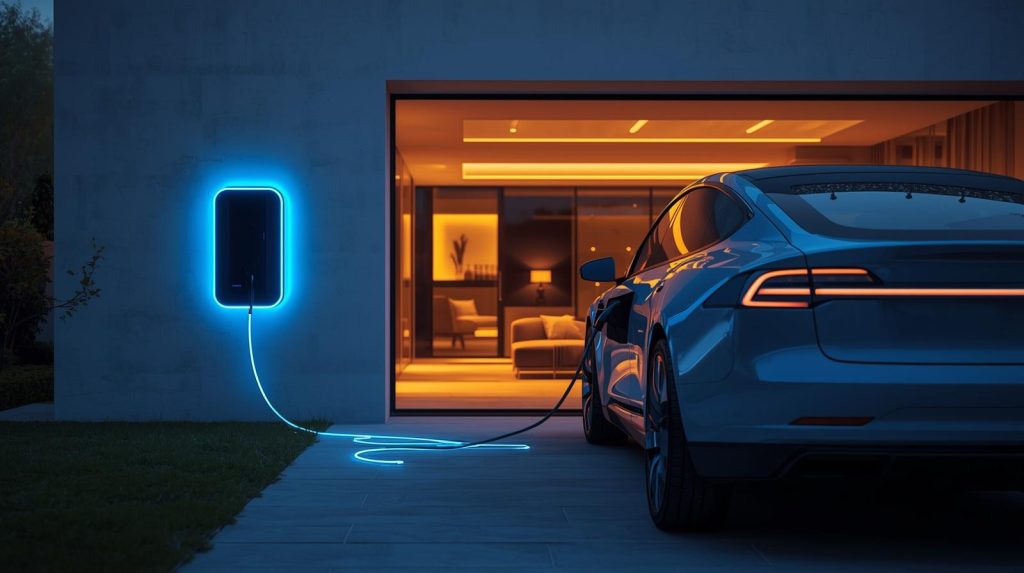
Having a home EV charger is more than a convenience. It completely changes the experience of owning an electric vehicle.
Benefits of home charging:
- Charge overnight while you sleep
- No need to wait at public charging stations
- Save money on charging costs—home electricity is cheaper
- Increased battery lifespan due to consistent low-speed charging
- Higher home resale value
- Freedom and flexibility to travel anytime
Since home charging is so important, many EV owners install Level 2 chargers as soon as they bring their new vehicle home.
Types of Home EV Chargers
Understanding charger types helps you understand why costs vary.
Level 1 Chargers (120V)
- Comes free with most EVs
- Uses standard wall outlet
- 3–5 miles of range per hour
- No installation cost
Best for: Light commuting or plug-in hybrids.
Level 2 Chargers (240V)
Most homeowners install one because Level 2 charging is significantly faster.
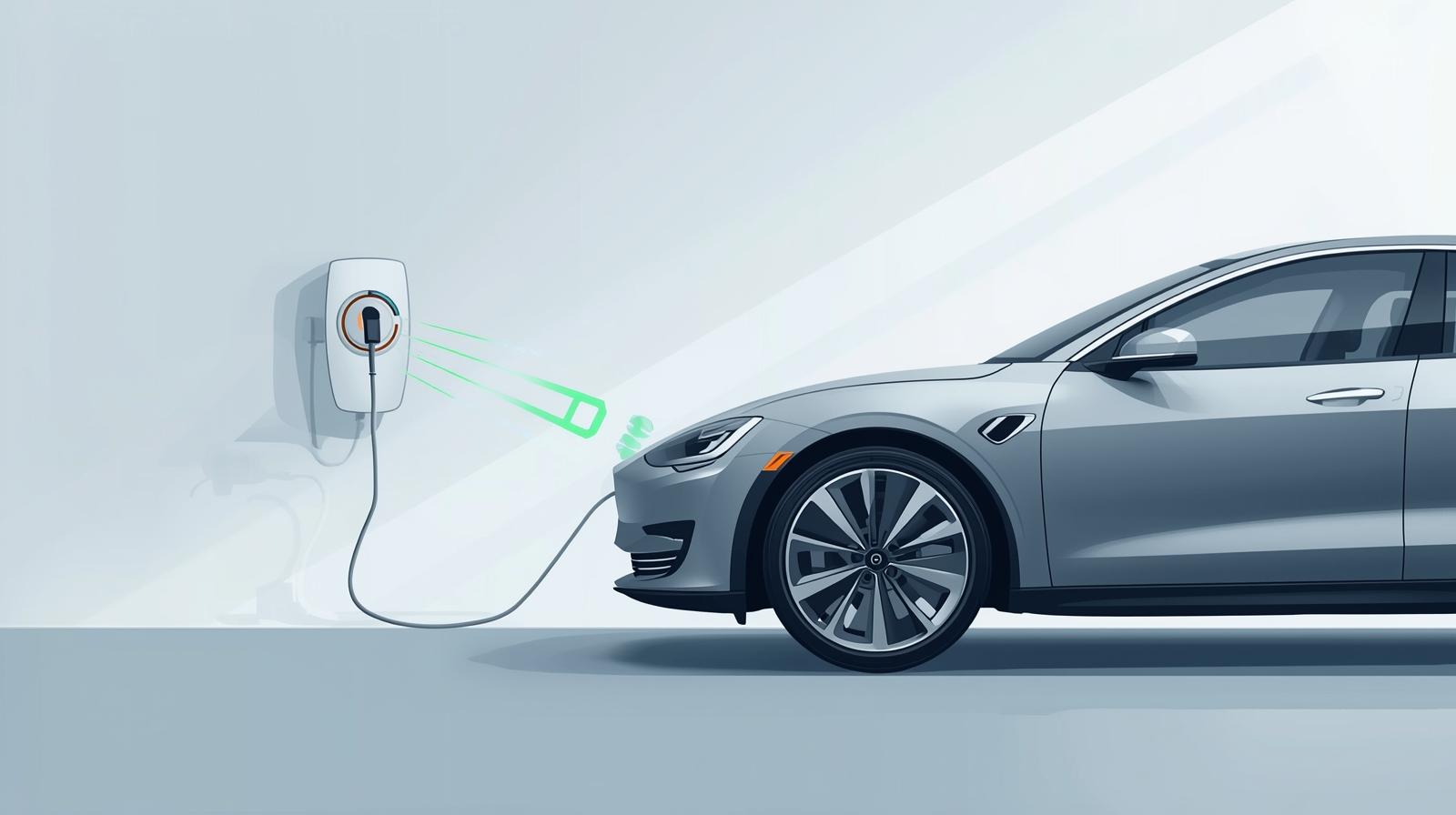
- Requires 240-volt outlet like an electric dryer
- Adds 20–40 miles of range per hour
- Requires installation cost
- More efficient and reliable
Best for: Full electric vehicles and daily drivers.
Because Level 2 chargers are the most common, the rest of this guide focuses heavily on their installation cost.
Average Cost to Install an EV Charger
So, how much does it cost to install EV charger?
Here’s the clear breakdown:
Average National Cost: $1,000 – $2,500
Low-End Cost ($300–$700):
- Plug-in Level 2 charger
- Existing 240V outlet
- Minimal wiring
- No panel upgrades
Mid-Range Cost ($800–$1,500):
- Hardwired Level 2 charger
- 240V circuit installation
- Proper grounding
- Permits included
High-End Cost ($1,600–$4,000):
- Electrical panel upgrade
- Long wiring distance
- Attic or underground wiring
- Complex installations
- Trenching (detached garages)
Your cost depends on the factors below.
Cost Breakdown: What You’re Really Paying For
When calculating how much does it cost to install EV charger, you must consider multiple cost components.
Cost Components Include:
| Component | Typical Cost |
|---|---|
| Level 2 charger equipment | $300–$900 |
| Professional installation | $300–$1,500 |
| Electrical panel upgrade | $1,000–$3,000 |
| New 240V circuit | $300–$800 |
| Wiring and materials | $100–$500 |
| Permit and inspection fees | $50–$250 |
| Wall mounting accessories | $50–$100 |
Level 1 vs. Level 2 Charging Costs
Level 1 Cost
- $0 installation
- Slow charging
- Not suitable for full EVs
Level 2 Cost
- $500–$2,500 installation
- Fast charging
- Adds real convenience
While Level 2 chargers cost more upfront, they are the standard choice for most EV owners.
Electrical Upgrade Costs
This is the biggest cost factor in determining how much does it cost to install EV charger?
Does your electrical panel have enough capacity?
Most homes need 40–60 amp circuits for Level 2 charging. If your panel is old or full, you may need:
Electrical panel upgrade cost:
- $1,000–$3,000 on average
- $3,500+ for older homes
If your home was built before 1990, an upgrade is more likely.
Permit and Inspection Fees
In many areas, installing an EV charger requires an electrical permit.
Average permit cost:
- $50–$250 depending on city
- Required in most U.S. and Canadian regions
Why permits matter:
- Ensures safety
- Required for insurance compliance
- Ensures electrical code compliance
- Increases home value
Labor Charges for Professional Installation
Installing a Level 2 charger is not a DIY project. A licensed electrician ensures your setup is safe and meets code requirements.
Typical labor rates:
- $75–$125 per hour
- Most installations take 2–4 hours
- Complex jobs can take 6–8 hours
This usually adds:
$300–$1,000 to your installation cost.
Additional Costs Most Homeowners Overlook
When asking how much does it cost to install EV charger, remember these hidden expenses:
Wiring distance
- Longer wiring = higher cost
- $6–$10 per foot depending on material
Drywall cutting and patching
- $50–$200 depending on the job
Trenching for detached garages
- $800–$3,000 depending on distance
Outdoor installation accessories
- Weatherproof covers
- Conduit upgrades
These can add $100–$500.
Rebates and Incentives That Reduce Installation Costs
Many homeowners forget that incentives can dramatically reduce installation expenses.
Federal incentives:
- Up to 30% off installation cost
- Applies to equipment + labor
State incentives include:
- California: Up to $1,500
- New York: $500–$2,000
- Colorado: Up to $1,000
- Maryland: 40% of total cost
Utility company rebates
Many utilities offer $100–$1,000 back when you install approved chargers.
These programs can reduce your installation cost by 30–50%.
Is a Home Charger Worth It?
Absolutely—if you own an EV, a home charger gives:
- Convenience
- Faster charging
- Lower long-term cost
- Better control over energy use
- Improved battery health
Most EV owners say a home charger transforms the ownership experience.
How to Save Money on Your EV Charger Installation
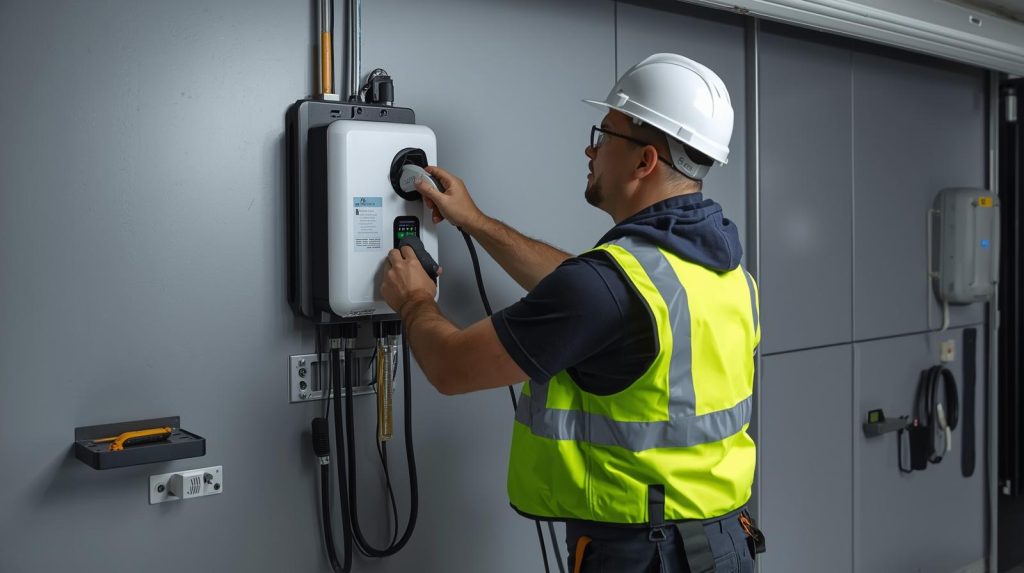
Here are 10 expert tips to reduce your total cost:
- Install near the electrical panel
- Choose a plug-in charger instead of hardwired
- Pick a charger with built-in smart features to avoid upgrades
- Claim federal and state incentives
- Get multiple electrician quotes
- Choose the shortest wiring route
- Install during home renovations
- Use utility off-peak programs
- Ensure your panel has enough available capacity
- Avoid unnecessary charger accessories
Final Verdict: How Much Does It Cost to Install EV Charger?
After reviewing all components, the typical homeowner will spend:
$1,000–$2,500 for a complete Level 2 installation
(or as low as $500 after incentives)
Costs can be higher if:
- The panel is outdated
- Wiring distance is long
- A permit requires multiple inspections
- Your garage is detached
But for most homeowners, a standard installation is affordable and adds long-term value.
Conclusion
If you’re wondering how much does it cost to install EV charger, the answer depends on your home’s electrical setup, charger type, and local labor rates. On average, expect to spend $1,000–$2,500, though rebates can significantly lower the final cost.
A home EV charger is one of the best investments you can make as an EV owner—bringing long-term convenience, savings, and improved charging efficiency. With the right planning and a certified electrician, you can enjoy safe, fast, and reliable home charging for years to come.
FAQs (Frequently Asked Questions)
1. What is the average cost to install a Level 2 EV charger at home?
Most installations cost $1,000–$2,500, depending on electrical upgrades and labor.
2. Is it cheaper to install an EV charger at home or use public charging?
Home charging is significantly cheaper—up to 70% less.
3. Do I need a permit to install an EV charger?
Yes, in most regions, a permit is required for safety and code compliance.
4. Can I install an EV charger myself?
DIY installation is not recommended. Licensed electricians ensure safety and compliance.
5. How long does installation take?
A typical installation requires 2–4 hours; complex installations may take longer.
6. Does installing an EV charger increase home value?
Yes, especially as EV adoption grows. Homes with chargers are more attractive to buyers.
7. Is a panel upgrade always required?
No. Only homes without enough electrical capacity need upgrades.
8. Are there incentives to reduce installation cost?
Yes—federal, state, and utility rebates can reduce costs by 30–50%.