
Electric vehicles (EVs) are becoming more popular than ever, but one question almost every new buyer asks is: How long do electric car batteries take to charge? Unlike gas cars, where filling a tank takes only a few minutes, EV charging varies widely depending on charger type, battery size, temperature, and vehicle model. Understanding these factors is essential for choosing the right EV, planning daily driving, and optimizing charging habits.
This comprehensive guide breaks down everything you need to know—charging times, charger levels, real-world scenarios, speed comparisons, battery health tips, and what affects charging performance. Whether you’re a newcomer to EVs or already an owner, this article delivers expert-level clarity in a simple, human-friendly format.
Introduction: Why Charging Time Matters
As EV adoption grows rapidly, many drivers want to know How long do electric car batteries take to charge? Charging time influences daily usability, road trip planning, and overall ownership satisfaction. Unlike gas vehicles, where fuel time is predictable, EV charging speed varies greatly depending on the charging method and vehicle technology.
Understanding EV charging time helps you:
- Estimate daily charging needs
- Choose between Level 1, Level 2, or DC fast chargers
- Plan long-distance trips
- Protect battery health
- Save money on electricity
This guide explores all these factors in detail.
What Determines EV Charging Time?
Before answering How long do electric car batteries take to charge, you must understand what affects charging speed. Key factors include:
Charger type
- Level 1 (slowest)
- Level 2 (medium-fast)
- DC Fast Charging (fastest)
Battery size (kWh)
Bigger batteries take longer to charge.
Maximum vehicle charging rate
Every EV has a charging limit—for example:
- 7.2 kW for many plug-in hybrids
- 11 kW for many Level 2 EVs
- 150–350 kW for modern DC fast chargers
State of Charge (SOC)
Charging from 10% to 80% is much faster than 80% to 100%.
Temperature
Cold temperatures slow charging significantly.
Battery health and age
Older batteries may charge slower.
Understanding Charger Levels
To understand How long do electric car batteries take to charge, you must learn the differences between Level 1, Level 2, and DC fast charging.
Level 1 Charging (120V Household Outlet)
- Speed: 2–5 miles of range per hour
- Charging time: 20–40+ hours for a full charge
- Best for: Plug-in hybrids, overnight slow charging
Level 1 uses a standard home outlet. It’s slow but practical for light daily use.
Level 2 Charging (240V Home or Public Charger)
- Speed: 20–40 miles of range per hour
- Charging time: 4–10 hours for a full charge
- Best for: Daily charging, home installation
Level 2 is the most common and efficient method for home charging.
DC Fast Charging (Public Rapid Chargers)
- Speed: 100–350 kW
- Charging time: 20–45 minutes from 10% to 80%
- Best for: Road trips
DC fast chargers bypass the onboard charger and feed power directly into the battery at high speed.
How Long Do Electric Car Batteries Take to Charge?
Here are practical charging times using the focus keyword directly:
Level 1 Home Outlet
- Full charge time: 20–40 hours
- Real-world example:
- Nissan Leaf: 35 hours
- Tesla Model 3: 40 hours
Level 2 Home or Public Charger
- Full charge time: 4–10 hours
- Real-world example:
- Tesla Model Y: 6–8 hours
- Hyundai IONIQ 5: 7 hours
DC Fast Charging
- Charge from 10% to 80%: 20–40 minutes
- Real-world example:
- Tesla Supercharger V3: 15–25 minutes
- Kia EV6: 20 minutes (800V architecture)
Charging Times by Battery Size
Bigger batteries = more charging time.
| Battery Size (kWh) | Level 1 | Level 2 | DC Fast Charging |
|---|---|---|---|
| 40 kWh | 25–35 hrs | 4–6 hrs | 25 min |
| 60 kWh | 30–40 hrs | 6–8 hrs | 30 min |
| 75 kWh | 35–45 hrs | 8–10 hrs | 35 min |
| 100 kWh | 40–50 hrs | 10+ hrs | 40–50 min |
Charging Times by Popular EV Models
Here is how long electric car batteries take to charge for common EVs:
Tesla Model 3 / Model Y
- Level 1: 40+ hours
- Level 2: 6–8 hours
- DC Fast: 20–25 minutes
Ford Mustang Mach-E
- Level 1: 40+ hours
- Level 2: 8–10 hours
- DC Fast: 35–45 minutes
Hyundai IONIQ 5
- Level 1: 45 hours
- Level 2: 6–7 hours
- DC Fast: 18 minutes (extremely fast)
Chevy Bolt
- Level 1: 48 hours
- Level 2: 7–9 hours
- DC Fast: 30–45 minutes
How Temperature Affects Charging Time
Cold weather slows EV charging significantly.
- At below 40°F (4°C), charging may take 2–3x longer
- At freezing temperatures, DC fast charging slows dramatically
Heat also reduces charging efficiency.
Battery thermal management systems help regulate temperature.
State of Charge (SOC) Affects Charging Speed
Charging slows as the battery gets fuller.
- 10%–80%: Fastest
- 80%–100%: Slow and protective
This is why most fast-charging stations advertise 10–80% times.
Home Charging vs. Public Charging
Home charging is predictable, safe, and inexpensive.
Public charging is faster and more costly but ideal for trips.
| Type | Cost | Speed | Best Use |
|---|---|---|---|
| Home Level 1 | Lowest | Slowest | Overnight use |
| Home Level 2 | Low | Medium | Daily charging |
| Public Level 2 | Medium | Medium | Workplaces |
| DC Fast | High | Fastest | Road trips |
How to Charge Faster
To reduce charging time:
- Install a Level 2 home charger
- Precondition the battery before driving or charging
- Avoid charging in extreme cold
- Maintain SOC between 20%–80% for daily use
- Use DC fast chargers only when needed
Common Myths About Charging Time
Myth: All EVs charge in the same amount of time
Truth: Speed varies widely based on battery size and charger type
Myth: Fast charging damages EV batteries
Truth: Modern EVs manage heat and charge limits automatically
Myth: You must charge to 100% every time
Truth: 80% is better for daily driving
How Long Charging Takes for Road Trips
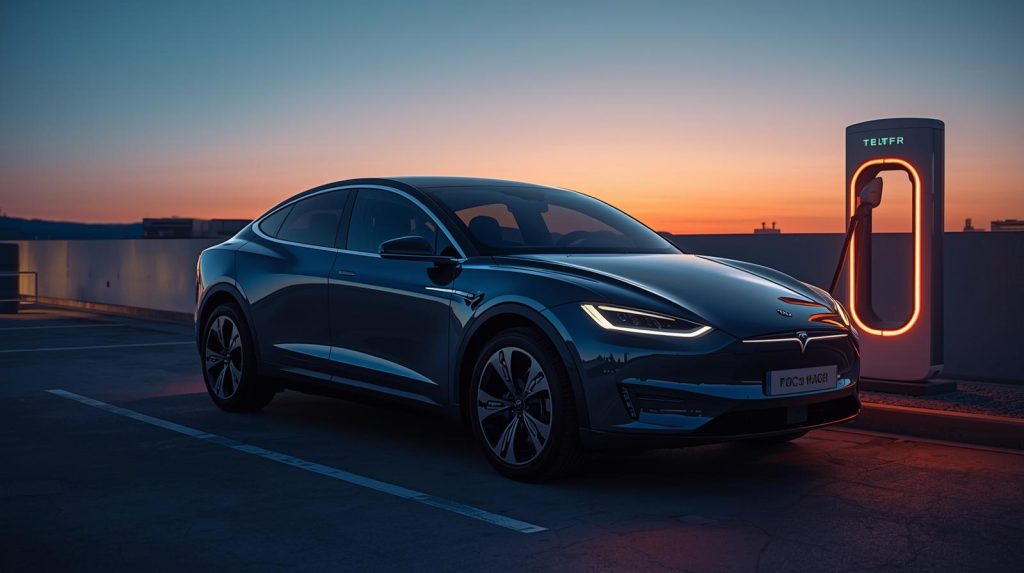
Most EV owners charge from 10% to 80% during long trips.
Typical stop time: 15–30 minutes.
Many EV route planners optimize charging stops for speed.
Charging Time for Used EVs
Used EVs may charge slightly slower due to battery age, but differences are minimal unless the battery is degraded.
Charging Time and Battery Health
Fast charging more than 2–3 times per week can slightly increase battery wear.
Level 2 charging is healthiest for long-term battery life.
Final Verdict
So, How long do electric car batteries take to charge?
The answer depends on charger type:
- Level 1: 20–40+ hours
- Level 2: 4–10 hours
- DC Fast Charging: 20–40 minutes
Understanding these differences helps you plan better, save money, and enjoy the smooth, efficient world of electric driving.
FAQs:
1. Do all EVs charge at the same speed?
No. Charging speed depends on the car’s onboard charger and battery capacity.
2. How long does it take to charge with a home outlet?
Usually 20–40 hours depending on the battery.
3. What is the fastest charging EV?
Hyundai IONIQ 5, Kia EV6, and Porsche Taycan are among the fastest.
4. Does cold weather slow charging?
Yes. Cold temperatures significantly reduce charging speed.
5. What percentage should I charge my EV to daily?
Most experts recommend 20–80% for best battery health.
Conclusion:
Understanding how long electric car batteries take to charge is essential for planning your daily driving routine, managing long trips, and choosing the right charging setup for your home. Charging time depends on several key factors—battery size, charger type, state of charge, temperature, and your EV’s built-in charging limits. While Level 1 chargers offer convenience, Level 2 chargers provide the ideal balance of speed and affordability for most EV owners. On the other hand, DC fast chargers dramatically reduce charging time, making them perfect for road trips.
As EV technology advances, charging speeds continue to improve, and charging infrastructure is rapidly expanding across cities, workplaces, and highways. With the right charger and charging strategy, EV ownership becomes more efficient, cost-effective, and stress-free. Ultimately, understanding these factors allows you to optimize your EV experience—saving time, maximizing battery health, and ensuring your vehicle is always ready to go.