
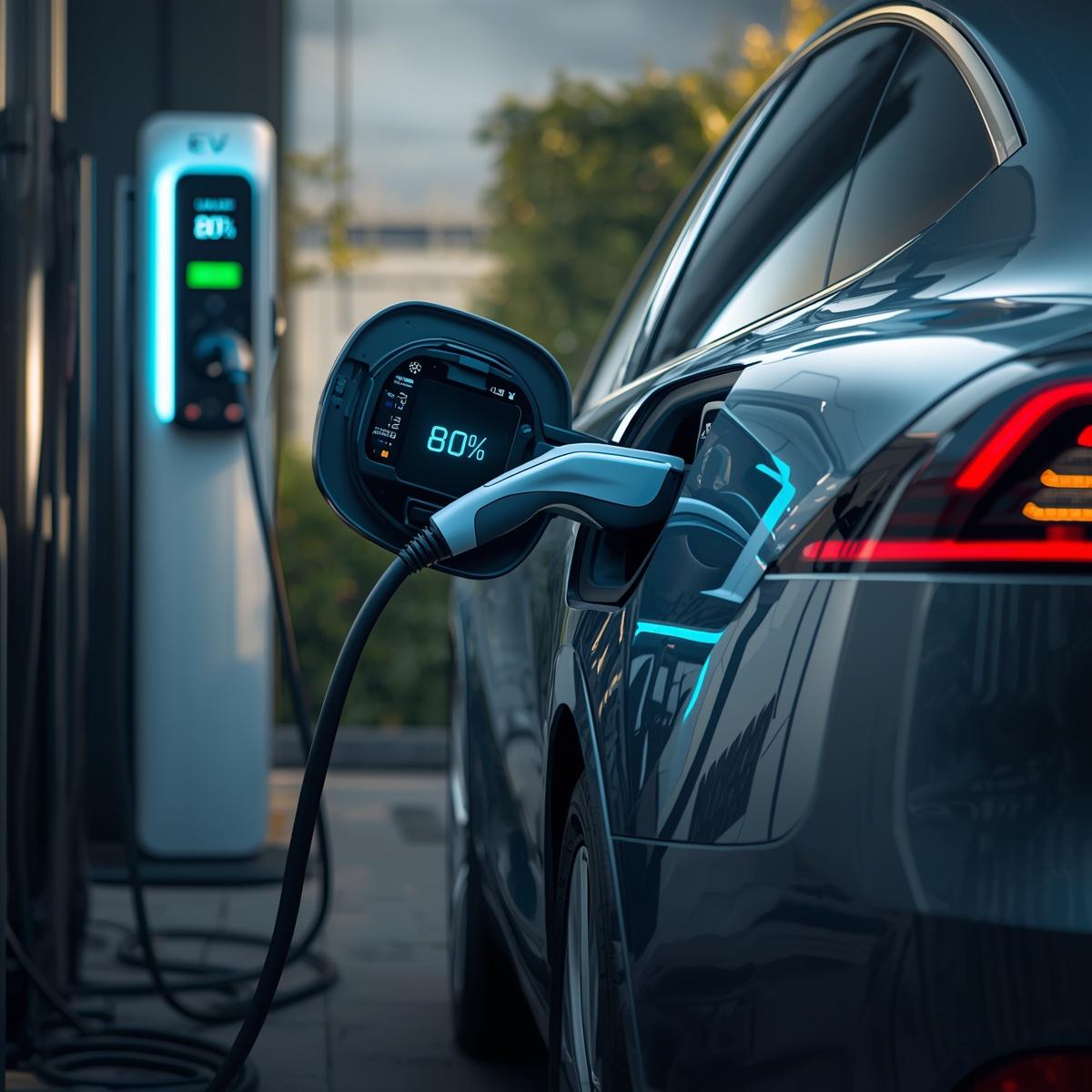
Electric vehicles (EVs) are becoming more common on roads around the world. They are quiet, eco-friendly, and packed with smart technology. But one question many EV owners ask is: Is it better to charge an EV to 80%?
If you’ve ever wondered whether you should charge your EV to 100% or stop at 80%, you’re not alone. The answer is simple—but understanding why makes a big difference in how you care for your vehicle.
In this detailed guide, we’ll explore whether it is better to charge an EV to 80%, how it affects battery health, and when charging to 100% actually makes sense.
What Does “Is It Better to Charge an EV to 80%” Really Mean?
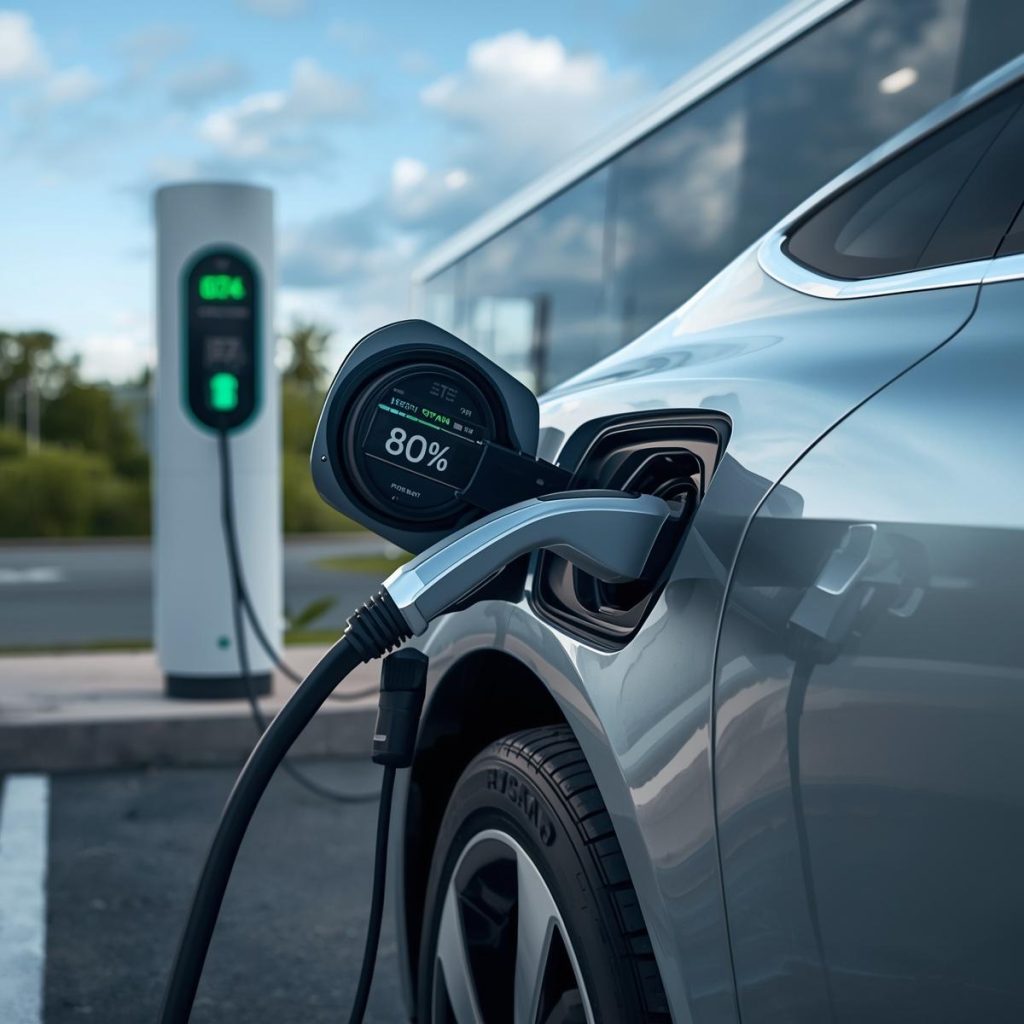
When people ask, “Is it better to charge an EV to 80%?”, they are usually talking about daily charging habits.
Modern EVs use lithium-ion batteries, which perform best when they are not always fully charged or fully drained. Charging to 80% instead of 100% helps keep the battery in a safe and efficient range.
Think of it like your phone battery. If you constantly charge it to 100% and let it drop to 0%, it will wear out faster. EV batteries work in a similar way.
Is It Better to Charge an EV to 80% for Daily Use?
Yes, for most drivers, it is better to charge an EV to 80% for daily use.
Here’s why:
- Most daily trips don’t require a full battery
- Charging to 80% reduces stress on the battery
- It improves long-term battery health
If you use your EV for:
- School or office commute
- Short trips around the city
- Daily errands
Then 80% is usually more than enough.
Why Is It Better to Charge an EV to 80% Instead of 100%?
To understand why it is better to charge an EV to 80%, you need to look at how batteries behave.
1. Reduced Battery Stress
Charging to 100% puts the battery under more pressure. At full charge, the voltage inside the battery is higher, which can slowly damage the cells over time.
Stopping at 80%:
- Keeps the battery in a safe zone
- Reduces chemical stress
- Improves battery lifespan
2. Slower Charging After 80%
Another reason why it is better to charge an EV to 80% is the charging speed.
EVs charge quickly up to around 80%, but after that:
- Charging becomes slower
- Efficiency drops
- More heat is generated
So by stopping at 80%, you:
- Save time
- Avoid unnecessary waiting
3. Lower Heat Generation
Heat is one of the biggest enemies of battery health.
Charging to 100%, especially with fast chargers, can:
- Increase temperature
- Speed up battery degradation
Charging to 80% helps:
- Keep temperatures lower
- Protect internal battery components
Is It Better to charge an EV to 80% for Battery Life?
Yes, one of the biggest reasons it is better to charge an EV to 80% is longer battery life.
EV batteries are designed to last many years, but your charging habits play a big role.
By charging to 80%:
- Battery degradation slows down
- Range remains stable for longer
- You avoid early battery replacement
Since EV batteries are expensive, this is a major benefit.
Is It Better to charge an EV to 80% for Efficiency?
Absolutely. Charging to 80% improves overall efficiency in several ways:
- Faster charging cycles
- Less energy waste
- Better performance consistency
When your battery stays in the mid-range, it works more smoothly. Extreme levels (too high or too low) can reduce efficiency over time.
When Is It NOT Better to Charge an EV to 80%?
While charging to 80% is ideal for daily use, there are times when charging to 100% is the better choice.
Long Road Trips
If you’re planning a long journey, you’ll need maximum range. Charging to 100% ensures you can travel further without stopping.
Emergency Situations
If you’re unsure about charging stations or need extra backup, a full charge gives you peace of mind.
Occasional Full Charge for Calibration
Charging to 100% once in a while helps your EV’s battery management system:
- Accurately measure battery capacity
- Display correct range estimates
Just don’t leave your EV at 100% for too long.
Is It Better to Charge an EV to 80% in Cold or Hot Weather?
The weather also affects battery performance.
In Hot Weather
Charging to 80% is even more important because:
- Heat increases battery stress
- High charge levels add extra pressure
In Cold Weather
You may need slightly more charge because:
- The range can decrease in cold conditions
Even then, sticking close to the 80% rule is still a smart habit.
How to Follow the 80% Charging Rule Easily
If you’re convinced that it is better to charge an EV to 80%, here’s how to make it part of your routine:
Set a Charging Limit
Most EVs allow you to set a maximum charge level (like 80%) in the settings.
Use Smart Charging Features
Many EV apps let you:
- Schedule charging
- Monitor battery levels
- Control charging remotely
Avoid Daily Fast Charging
Fast chargers are useful, but frequent use can:
- Generate heat
- Increase battery wear
Use them only when needed.
Charge According to Your Needs
Don’t charge just because you can. Charge based on your daily driving requirements.
Common Myths About Charging to 80%
Myth 1: Charging to 100% is always better
Not true. It can harm battery health if done regularly.
Myth 2: 80% is not enough
For most drivers, 80% provides more than enough range for daily use.
Myth 3: Draining the battery completely is good
This is outdated advice. Modern EV batteries don’t need full discharge cycles.
Is It Better to Charge an EV to 80% or Follow a Flexible Approach?
While the 80% rule is helpful, the best approach is flexibility.
You can:
- Charge to 80% for daily use
- Charge to 100% when needed
This balanced method gives you:
- Convenience
- Battery protection
- Maximum efficiency
Final Thoughts: Is It Better to Charge an EV to 80%?
So, is it better to charge an EV to 80%?
Yes—especially for daily driving.
Charging to 80% helps:
- Extend battery life
- Reduce charging time
- Improve efficiency
- Lower long-term costs
However, you don’t need to follow it strictly all the time. Charging to 100% is perfectly fine for long trips or special situations.
The key is to build smart charging habits that match your lifestyle.
Conclusion
EV ownership is not just about driving—it’s about understanding how to take care of your battery.
By following the 80% charging rule most of the time, you can:
- Keep your EV running smoothly
- Avoid unnecessary battery wear
- Enjoy a better driving experience
In the end, the answer to “Is it better to charge an EV to 80%?” is simple:
Yes, for everyday use—it’s one of the best habits you can adopt.
FAQs: Is It Better to Charge an EV to 80%?
1. Is it better to charge an EV to 80% every day?
Yes, for daily use, it is better to charge an EV to 80% because it reduces battery stress and helps extend battery life over time.
2. Why shouldn’t I charge my EV to 100% regularly?
Charging to 100% frequently can increase heat and strain on the battery, which may lead to faster battery degradation.
3. Does charging to 80% really improve battery lifespan?
Yes, keeping the battery between 20% and 80% slows down wear and helps maintain long-term performance and efficiency.
4. When should I charge my EV to 100%?
You can charge to 100% when going on long trips, during emergencies, or occasionally to help the battery management system stay accurate.
5. Is 80% charge enough for daily driving?
For most drivers, 80% is more than enough for daily commuting, errands, and short-distance travel.
6. Can I use fast charging if I follow the 80% rule?
Yes, but it’s best to limit frequent use of fast charging, as it can generate heat and increase battery wear.
7. What happens if I go below 20% charge?
Occasionally going below 20% is fine, but doing it regularly can reduce battery health and lifespan.
8. Do all EVs allow setting a charging limit to 80%?
Most modern EVs offer settings or mobile apps that let you set a charging limit, including 80%.