
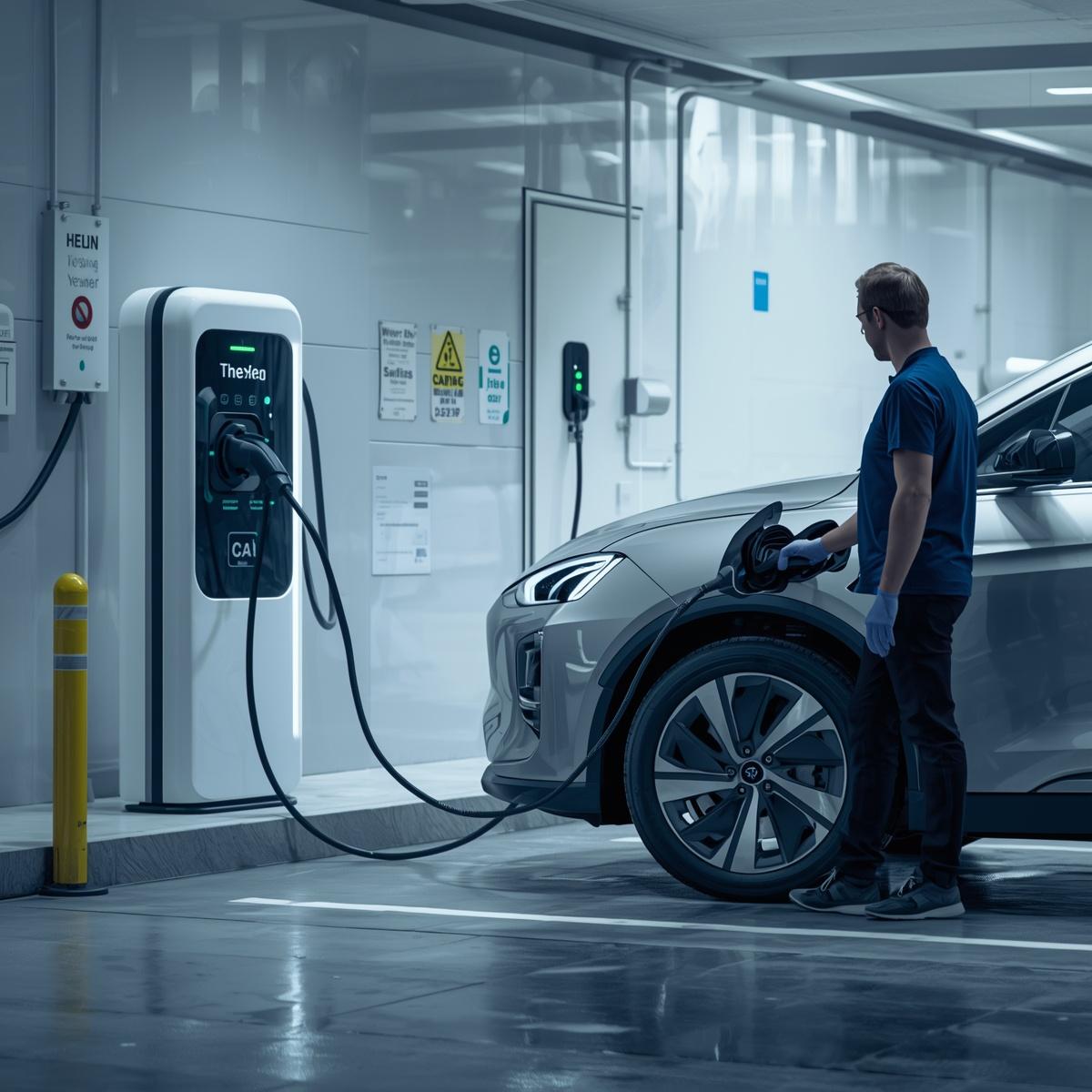
Electric vehicles (EVs) are becoming more popular every year. Many drivers are choosing EVs because they are cleaner, quieter, and cheaper to operate than traditional gasoline cars. Companies like Tesla, Nissan, Hyundai, and BMW are producing advanced electric vehicles that can travel long distances on a single charge.
However, as more people adopt EVs, one topic becomes increasingly important: electric vehicle charging safety. Charging an EV is generally safe, but improper equipment, poor installation, or bad habits can create electrical risks.
This Electric Vehicle Charging Safety Guide will help you understand how EV charging works, the most common safety risks, and the best practices to protect your EV, your home, and your battery.
Why EV Charging Safety Matters More Than Ever
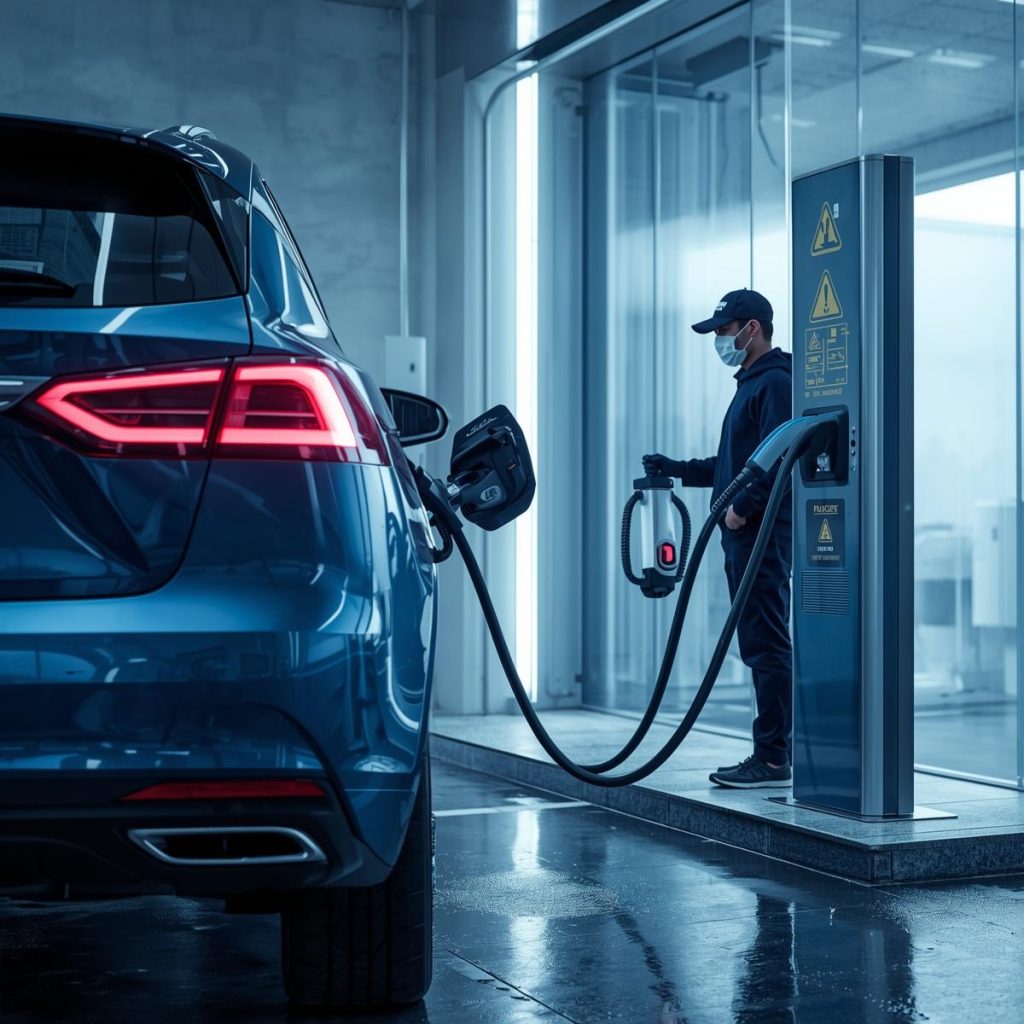
Growing EV Adoption
Electric vehicles are no longer a niche technology. Millions of EVs are now on roads around the world, and that number continues to grow rapidly. Governments are supporting EV adoption to reduce pollution and dependence on fossil fuels.
As EVs become more common, so do EV chargers in homes, workplaces, and public spaces. This growth makes safe charging practices more important than ever.
Electrical Risks Many Drivers Ignore
Most EV owners simply plug in their vehicles and assume everything is safe. While modern chargers include safety protections, problems can still occur if:
- Chargers are poorly installed
- Electrical circuits are overloaded
- Damaged cables are used
- Low-quality chargers are purchased
Understanding EV charging safety helps prevent these issues and ensures your vehicle charges efficiently and safely.
How EV Charging Systems Work (Simple Explanation)
To understand EV charging safety, it helps to know how the system works.
An EV charger delivers electricity from a power source to your vehicle’s battery. The vehicle then stores that electricity to power the motor.
There are three main types of EV charging:
- Uses a standard household outlet
- Slow charging speed
- Adds a few miles of range per hour
- Requires a dedicated EV charger
- Much faster charging
- Common for home installations
- Found mainly at public charging stations
- Charges batteries quickly
- Often used during long trips
Each charging method is safe when used correctly, but safety precautions are still essential.
The Most Common EV Charging Safety Risks
Although EV charging is designed to be safe, certain risks can occur if the system is not used properly.
Overloaded Circuits
One of the biggest risks in home charging is overloading the electrical system. EV chargers require a significant amount of power, especially Level 2 chargers.
If the home’s electrical panel cannot handle the load, it may cause:
- Circuit breaker trips
- Overheating wires
- Electrical damage
A professional electrician should always evaluate your electrical system before installing an EV charger.
Damaged Cables
Charging cables are exposed to daily wear and tear. Over time, they may develop:
- Cracks
- Loose connectors
- Internal wire damage
Using damaged cables can increase the risk of electrical shock or charging failure.
Poor Installations
Improper charger installation is another common safety issue. Incorrect wiring or insufficient grounding can lead to dangerous electrical problems.
Professional installation ensures the charger is connected safely and meets electrical standards.
Cheap Chargers
Not all EV chargers are built with the same quality. Low-cost chargers may lack proper safety certifications and built-in protection features.
It is always best to purchase chargers from trusted manufacturers that follow international safety standards.
12 Essential EV Charging Safety Tips Every EV Owner Should Know
To keep your EV charging system safe and reliable, follow these important tips:
- Use certified EV chargers from trusted brands.
- Hire a qualified electrician for charger installation.
- Avoid using damaged charging cables.
- Keep charging equipment dry and clean.
- Do not overload electrical outlets.
- Install surge protection devices.
- Regularly inspect charging connectors.
- Avoid extension cords when charging EVs.
- Follow manufacturer charging guidelines.
- Monitor charging sessions using smart chargers.
- Keep the charging area well ventilated.
- Store charging cables properly after use.
Following these tips can significantly reduce risks and ensure safe EV charging.
Home EV Charging Safety Checklist
Charging at home is convenient, but it must be done safely.
Here are some key factors to check before installing an EV charger.
Electrical Panel Requirements
Your home’s electrical panel must have enough capacity to support the charger.
A professional electrician will evaluate whether your electrical panel needs an upgrade before installing a Level 2 charger.
Proper Grounding
Grounding is essential for electrical safety. It protects the system by directing excess electricity safely into the ground.
Without proper grounding, electrical faults could damage equipment or cause safety hazards.
Surge Protection
Power surges caused by lightning or electrical grid issues can damage EV chargers and vehicle batteries.
Installing surge protection devices helps protect both the charger and the EV battery from sudden voltage spikes.
Public Charging Station Safety Tips
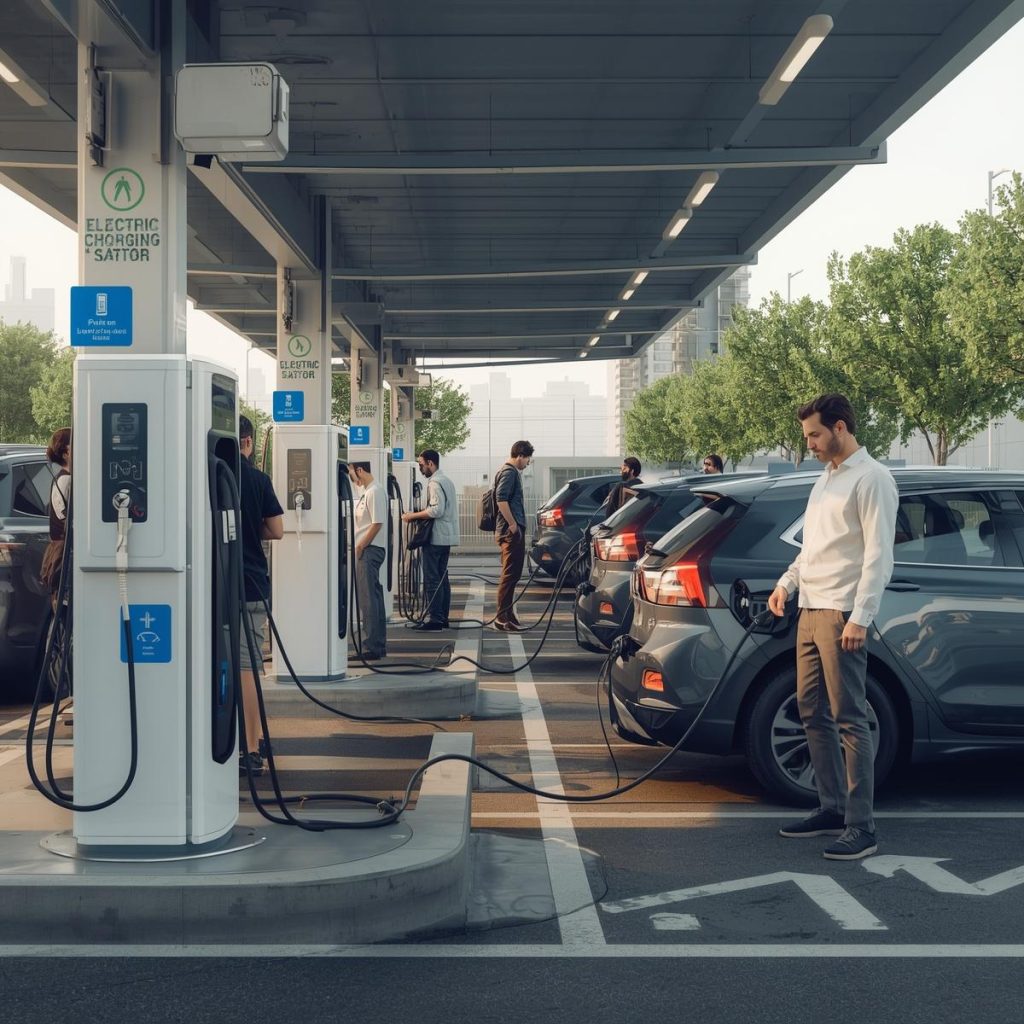
Public charging stations are convenient, especially during road trips. However, drivers should still take safety precautions.
When using public chargers:
- Inspect the charger and cable for visible damage
- Avoid chargers that look poorly maintained
- Do not force connectors into your vehicle’s port
- Use official charging networks whenever possible
These simple steps can help ensure safe and reliable charging on the road.
Weather Safety: Charging EVs in Rain, Heat, and Snow
Many drivers worry about charging EVs in bad weather. Fortunately, EV chargers are designed to operate safely in different environmental conditions.
Still, certain precautions are helpful.
Rain:
EV chargers are weatherproof, but avoid charging if the connectors are submerged in water.
Extreme Heat:
High temperatures can reduce charging efficiency. Charging during cooler times of the day can help.
Snow and Ice:
Remove ice or snow from connectors before plugging in the charger.
Weather awareness helps maintain safe charging conditions.
Safe EV Charger Installation (What Professionals Do Differently)
Professional electricians follow strict procedures when installing EV chargers.
They typically:
- Inspect the home’s electrical system
- Install dedicated circuits for the charger
- Ensure proper grounding
- Use certified electrical components
- Test the system before operation
This professional approach reduces risks and ensures long-term reliability.
Signs Your EV Charger Might Be Unsafe
EV chargers rarely fail suddenly. Instead, warning signs often appear first.
Watch for these signs:
- Charger overheating
- Burning smell near the charger
- Frequent breaker trips
- Slow or inconsistent charging
- Visible cable damage
If you notice any of these issues, stop using the charger and contact a qualified electrician immediately.
Future Safety Innovations in EV Charging
EV technology is improving rapidly, and charging systems are becoming smarter and safer.
Some future innovations include:
- Smart chargers with real-time safety monitoring
- Automatic fault detection systems
- Wireless EV charging technology
- Advanced battery protection systems
- AI-powered charging management
These innovations will make EV charging even safer and more efficient in the coming years.
Conclusion: Building a Safe EV Charging Routine
Electric vehicles are one of the most exciting innovations in modern transportation. They reduce emissions, lower fuel costs, and support a cleaner future.
However, safe charging practices are essential for protecting your EV, your home, and your electrical system.
By following proper installation procedures, using certified equipment, and adopting good charging habits, EV owners can enjoy reliable and safe charging for many years.
As EV technology continues to evolve, maintaining a safe EV charging routine will help drivers get the most out of their vehicles while ensuring peace of mind every time they plug in.
FAQs: Electric Vehicle Charging Safety Guide
1. Is it safe to charge an electric vehicle at home?
Yes, charging an electric vehicle at home is safe when you use a certified EV charger and have it installed by a qualified electrician. Proper installation and regular inspection ensure safe operation.
2. What are the most common EV charging safety risks?
The most common risks include overloaded electrical circuits, damaged charging cables, poor charger installation, and using low-quality or uncertified charging equipment.
3. Can EVs be safely charged in the rain?
Yes, EV chargers and connectors are designed to be weather-resistant. However, you should avoid charging if connectors or cables are damaged or submerged in water.
4. Do I need a special electrical system for an EV charger?
Most Level 2 EV chargers require a dedicated electrical circuit and sufficient panel capacity. A professional electrician can check whether your home’s electrical system supports the charger.
5. How can I tell if my EV charger is unsafe?
Warning signs may include overheating, burning smells, damaged cables, frequent circuit breaker trips, or slow and inconsistent charging.
6. Is it safe to use public EV charging stations?
Yes, public charging stations are generally safe. However, it’s important to inspect the charger for visible damage and use reputable charging networks.
7. Can cheap EV chargers be dangerous?
Low-quality chargers may lack proper safety features and certifications. It is recommended to use certified chargers from trusted manufacturers to ensure safe charging.
8. How often should I inspect my EV charging equipment?
It is a good idea to visually inspect charging cables and connectors regularly and schedule professional maintenance if you notice any unusual signs.