
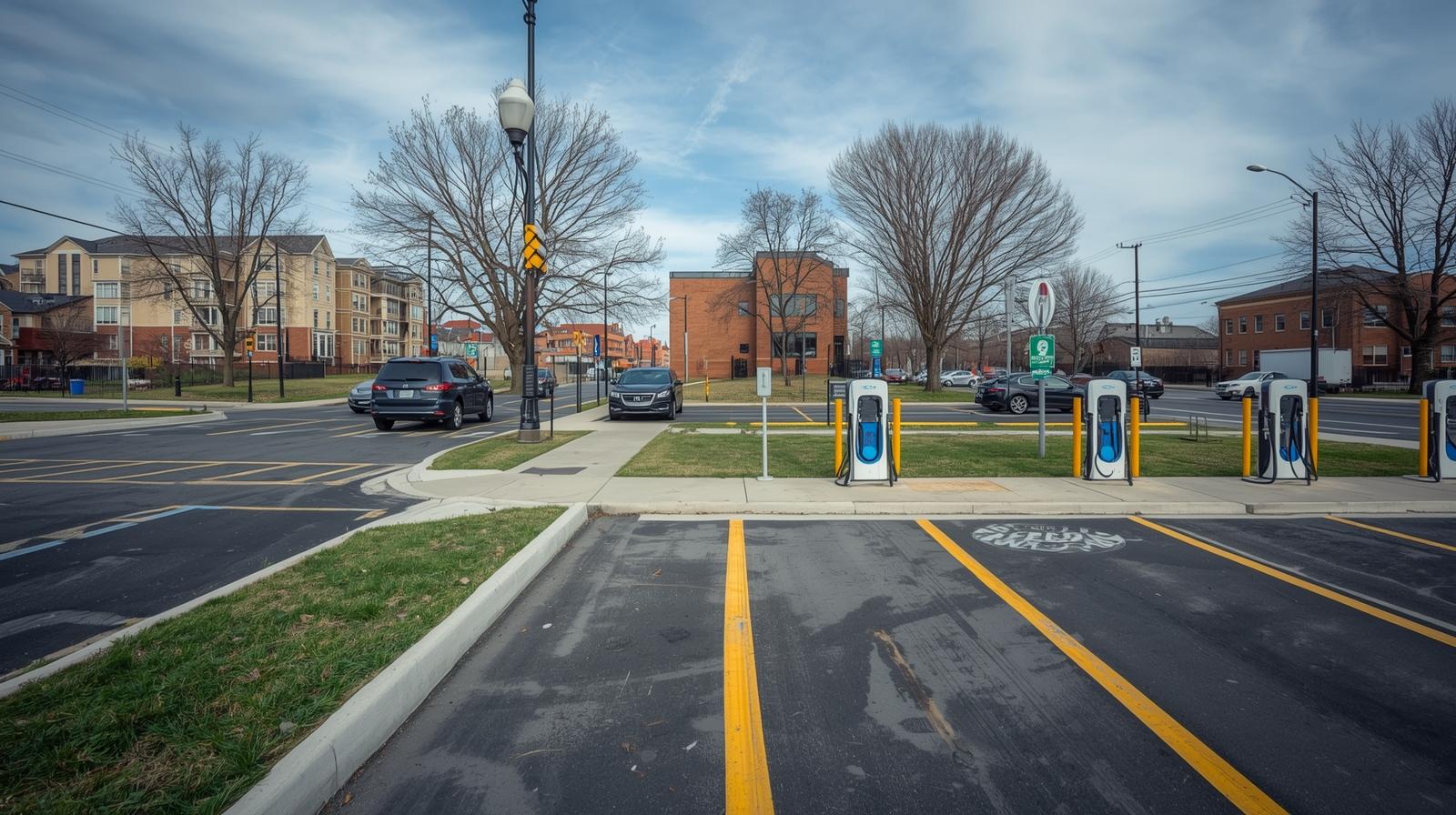
As electric vehicles (EVs) rapidly replace internal combustion engine vehicles worldwide, charging infrastructure has become a defining factor in the success of electric mobility. Among all charging solutions, DC EV chargers—also known as DC fast chargers or Level 3 chargers—play the most critical role in enabling fast, convenient, and long-distance EV travel.
One of the most common questions asked by EV owners, businesses, and policymakers is:
Where are DC EV chargers used?
This question goes beyond simple location listings. Understanding where DC EV chargers are used reveals how EV ecosystems are designed, how charging demand is managed, and how fast charging supports drivers, fleets, cities, and entire transportation networks.
Introduction to DC EV Charger Usage
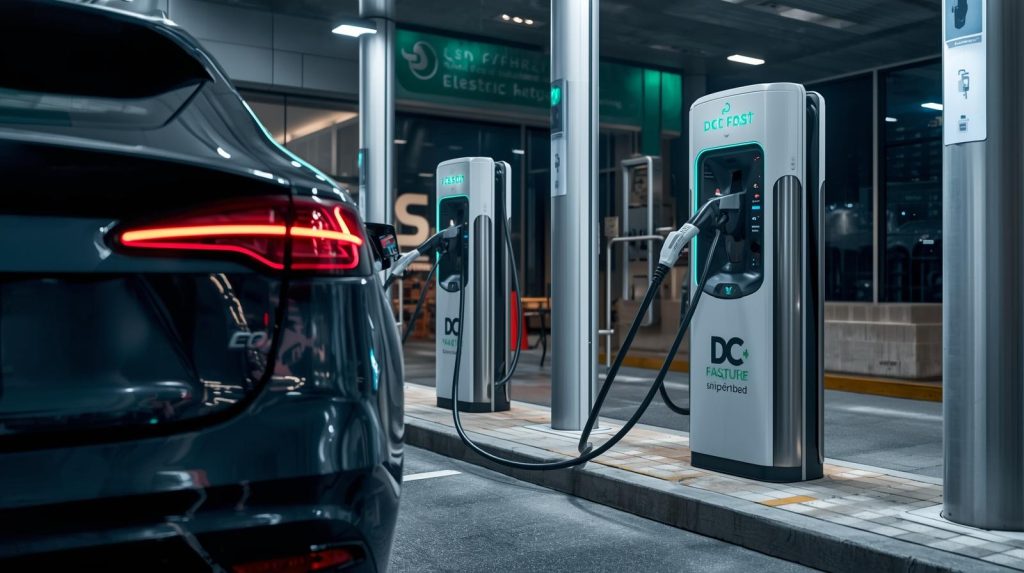
Electric vehicle adoption depends heavily on charging accessibility. While most EV charging occurs at home or work, DC EV chargers serve a different and essential purpose: fast, high-power charging when time matters most.
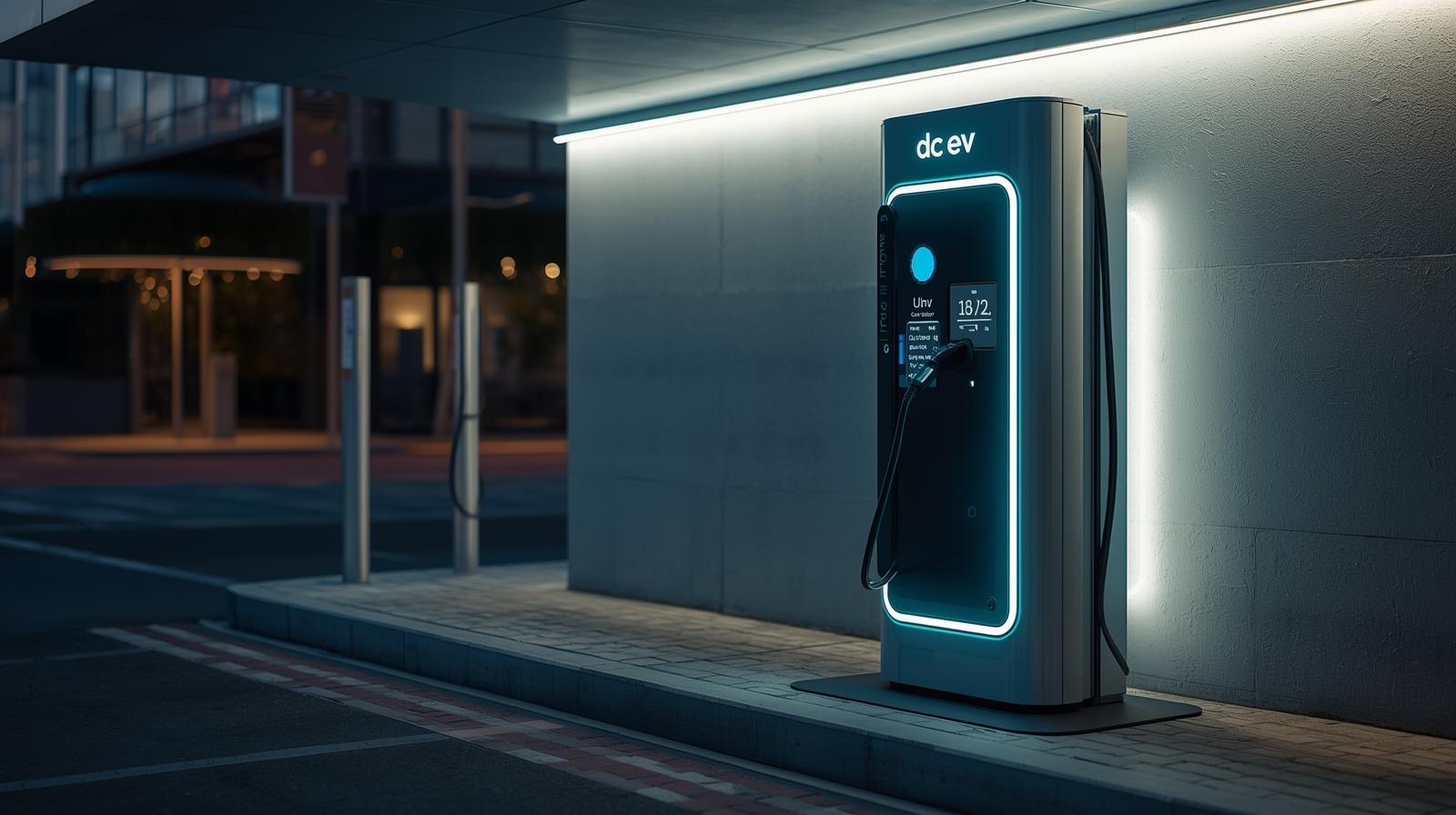
Understanding where DC EV chargers are used helps:
- EV drivers plan trips
- Businesses invest wisely
- Cities design smart infrastructure
- Governments expand EV adoption
What Are DC EV Chargers?
Before exploring locations, it’s important to understand what DC EV chargers are.
DC EV chargers deliver direct current (DC) electricity directly to the vehicle’s battery, bypassing the onboard charger. This allows significantly higher power levels and much faster charging times.
Key Features
- Power output: 25 kW to 350+ kW
- Charging time: 15–45 minutes to 80%
- Infrastructure: Commercial-grade electrical systems
These characteristics directly influence where DC EV chargers are used.
Why Location Matters for DC EV Chargers
DC EV chargers are expensive, power-intensive, and designed for high utilization. As a result, they are installed only where they provide maximum value.
Key location factors include:
- High traffic volume
- Need for fast charging
- Limited dwell time
- Grid availability
- Commercial viability
Where Are DC EV Chargers Used Most Commonly?
DC EV chargers are primarily used in public, commercial, and high-demand environments, not private residences.
Common usage categories include:
- Highways and travel corridors
- Urban public areas
- Commercial and retail centers
- Fleet and logistics hubs
- Transportation infrastructure
Let’s explore each in detail.
DC EV Chargers on Highways and Interstates
Why Highways Are a Primary Location
Highways are one of the most important answers to where are DC EV chargers used?
DC fast chargers are strategically placed along:
- Interstates
- Motorways
- Expressways
Benefits
- Enable long-distance EV travel
- Reduce range anxiety
- Support road trips
Highway DC chargers allow drivers to recharge during short rest stops, making EV travel comparable to gasoline vehicles.
Urban Public Charging Locations
Cities are major hubs for DC EV charger usage.
Typical Urban Locations
- City centers
- Public plazas
- Curbside charging hubs
Urban DC chargers are especially important for:
- Apartment dwellers
- Residents without home charging
- Ride-share and taxi drivers
This makes urban areas a major answer to where DC EV chargers are used.
Shopping Centers and Retail Locations
Shopping malls and retail centers are ideal environments for DC EV chargers.
Why Retail Locations Work Well
- Drivers spend 20–45 minutes shopping
- High foot traffic
- Increased customer dwell time
Retailers benefit from:
- Attracting EV drivers
- Increased store visits
- Sustainability branding
Fuel Stations and Convenience Stores
Traditional fuel stations are rapidly transforming into EV charging hubs.
Why DC EV Chargers Are Used Here
- Existing roadside infrastructure
- Restrooms and amenities
- Familiar refueling behavior
DC fast charging fits naturally into the fuel station model.
Parking Garages and Public Parking Lots
Public parking facilities increasingly feature DC EV chargers.
Common Installations
- Downtown garages
- Event parking areas
- Airport parking structures
DC chargers serve drivers who need a fast top-up rather than overnight charging.
Commercial and Business Properties
Businesses install DC EV chargers to support:
- Customers
- Employees
- Corporate sustainability goals
Examples include:
- Corporate campuses
- Business parks
- Office complexes
Fleet Depots and Logistics Hubs
One of the most important answers to where are DC EV chargers used? is fleet operations.
Fleet Use Cases
- Delivery vans
- Taxis
- Ride-share vehicles
- Service vehicles
DC chargers ensure:
- Fast turnaround
- Predictable charging
- Maximum vehicle uptime
Workplace Charging Facilities
While Level 2 chargers are common at workplaces, DC chargers are used when:
- Vehicles need quick turnaround
- Fleets operate from offices
- High utilization is required
Workplace DC charging supports productivity and electrification goals.
Airports and Transportation Hubs
Airports are high-demand charging environments.
DC EV Charger Use at Airports
- Rental car fleets
- Shuttle buses
- Ride-share staging areas
Transportation hubs require fast charging to keep vehicles moving.
Hotels, Resorts, and Hospitality Locations
Hotels increasingly offer DC EV chargers for:
- Travelers
- Tourists
- Business guests
DC chargers are especially useful for:
- Short stays
- Destination charging
- Premium hospitality services
Multi-Unit Residential Buildings
While rare, DC EV chargers may appear in:
- Large apartment complexes
- Mixed-use developments
They serve residents who:
- Lack dedicated parking
- Need quick charging access
However, high costs limit widespread use in residential settings.
Government and Municipal Installations
Governments install DC EV chargers at:
- Municipal buildings
- Public service centers
- City-owned parking facilities
These installations support:
- Public access
- Fleet electrification
- Climate goals
DC EV Chargers in Rural and Remote Areas
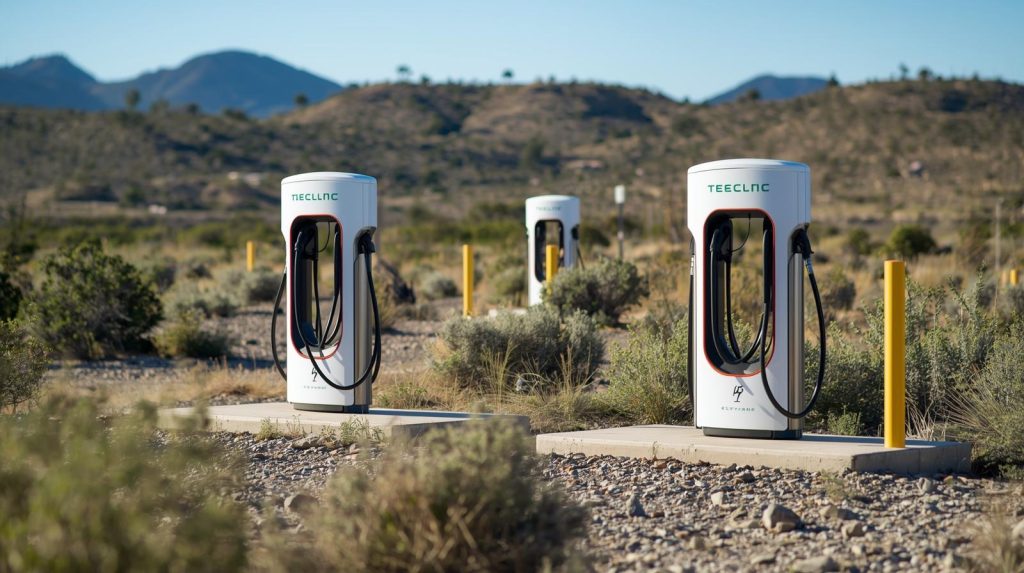
Rural areas present unique challenges.
Why DC Chargers Matter Here
- Long distances between towns
- Limited charging options
- Tourism routes
DC chargers in rural areas ensure EV accessibility beyond cities.
Charging Corridors and Travel Routes
Charging corridors are planned networks of DC chargers.
Key Features
- Consistent spacing
- Reliable access
- Highway-focused placement
They are a strategic answer to where are DC EV chargers used on a national scale.
Ports, Warehouses, and Industrial Zones
Industrial EVs rely heavily on DC charging.
Use Cases
- Electric trucks
- Yard vehicles
- Port equipment
These locations require high-power DC charging to support logistics.
Public Transit and Bus Depots
Electric buses depend on DC fast charging.
Typical Locations
- Bus depots
- Transit terminals
- Route endpoints
DC chargers ensure reliable public transportation operations.
Heavy-Duty and Commercial Vehicle Locations
Heavy-duty EVs use:
- High-power DC chargers
- Megawatt charging systems
Locations include:
- Truck stops
- Distribution centers
- Freight corridors
Where DC EV Chargers Are Not Commonly Used
To fully understand where DC EV chargers are used, it’s also important to know where they aren’t.
Rare locations include:
- Single-family homes
- Small residential garages
Why Homes Rarely Use DC EV Chargers
DC EV chargers are not commonly used at homes because:
- High electrical demand
- Expensive installation
- Utility limitations
Level 2 chargers are more practical for residential use.
How Usage Locations Affect Charging Speed
Charging speed depends on:
- Power availability
- Grid capacity
- Vehicle compatibility
High-demand locations are designed to deliver optimal performance.
Economic and Environmental Impact of DC Charger Placement
Strategic placement:
- Boosts EV adoption
- Reduces emissions
- Stimulates local economies
Where DC EV chargers are used directly affects sustainability outcomes.
Future Expansion of DC EV Charger Locations
In the future, DC EV chargers will expand into:
- More rural areas
- Smart cities
- Renewable energy hubs
Their use will continue to evolve with EV technology.
Conclusion
So, where are DC EV chargers used?
DC EV chargers are primarily used in high-traffic, commercial, and public locations where fast charging is essential. From highways and cities to fleets, airports, and industrial zones, these chargers form the backbone of modern EV infrastructure.
They are not designed for everyday home charging—but they are absolutely critical for enabling long-distance travel, commercial operations, and widespread EV adoption. As electric mobility grows, DC EV chargers will continue to expand into new locations, shaping the future of transportation.
FAQs: Where Are DC EV Chargers Used?
1. Where are DC EV chargers used most commonly?
DC EV chargers are most commonly used on highways, urban public charging stations, shopping centers, fuel stations, fleet depots, and transportation hubs where fast charging is essential.
2. Why are DC EV chargers installed along highways?
DC EV chargers are used on highways to enable long-distance EV travel, reduce range anxiety, and allow drivers to recharge quickly during short rest stops.
3. Are DC EV chargers used in cities?
Yes. DC EV chargers are widely used in cities, especially in downtown areas, public parking garages, curbside hubs, and commercial zones to support drivers without home charging.
4. Where are DC EV chargers used for commercial fleets?
Commercial fleets use DC EV chargers at fleet depots, logistics hubs, warehouses, delivery centers, and ride-share facilities to maximize vehicle uptime.
5. Are DC EV chargers used at shopping malls and retail centers?
Yes. Shopping malls and retail centers often install DC EV chargers to provide fast charging for customers and increase visit duration.
6. Where are DC EV chargers used in transportation systems?
DC EV chargers are used at airports, bus depots, transit hubs, ports, and railway facilities to support electric buses, shuttles, and service vehicles.
7. Are DC EV chargers used at homes?
In most cases, DC EV chargers are not used at homes due to high installation costs, electrical requirements, and limited residential power capacity.
8. Are DC EV chargers used in rural areas?
Yes. DC EV chargers are increasingly used in rural and remote locations, particularly along travel corridors, to ensure reliable EV charging between cities.