
Electric vehicles (EVs) are growing fast around the world. More people are switching to them because they are eco-friendly, quiet, and cheaper to run. But one big question still comes up again and again:
How long do electric car batteries last?
If you’re thinking about buying an EV—or already own one—this is something you must understand. The battery is the heart of an electric car, and its lifespan affects performance, cost, and overall value.
In this complete guide, we’ll break everything down in a simple, easy-to-understand way. By the end, you’ll clearly know how long EV batteries last and how to make them last even longer.
What Does EV Battery Life Really Mean?
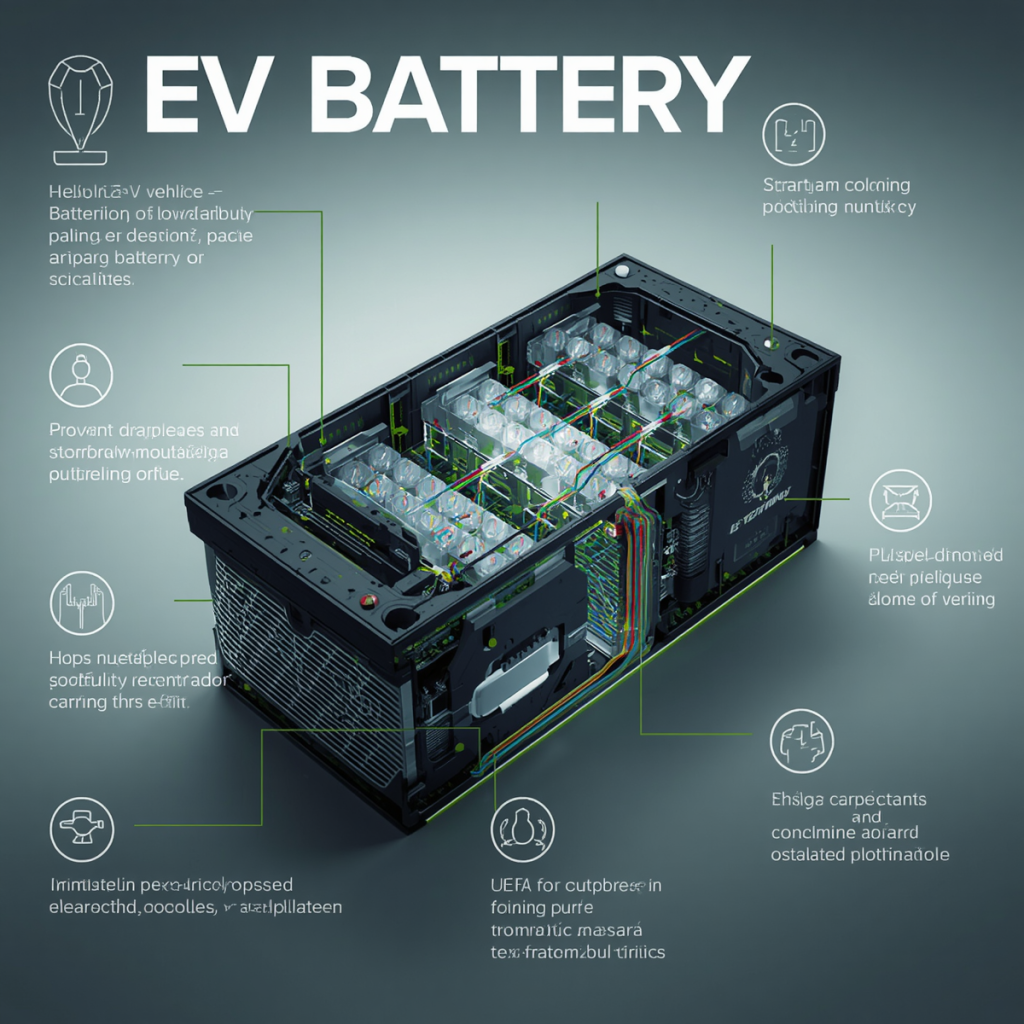
Before we talk about numbers, let’s understand what “battery life” actually means.
EV battery life is not about the battery suddenly dying one day. Instead, it means:
- How long can the battery hold a charge
- How much range does it provide over time
- How slowly it loses performance
Over the years, EV batteries gradually lose capacity. This process is called battery degradation.
For example:
- New battery → 100% capacity
- After a few years → 90% capacity
- After many years → 70–80% capacity
The car still works—it just doesn’t go as far as before.
How Long Do Electric Car Batteries Last on Average?
Now let’s answer the main question:
Most EV batteries last between 8 and 15 years
In terms of distance:
150,000 to 300,000 kilometers (or more)
Some well-maintained batteries can even last 15–20 years.
That’s similar to—or sometimes better than—traditional petrol cars.
EV Battery Degradation Explained (Simple Way)
Battery degradation sounds scary, but it’s actually normal.
Think of it like this:
- A new EV might give you 400 km on a full charge
- After 5 years, it might give you 360 km
- After 10 years, maybe 300 km
The battery doesn’t stop working—it just holds slightly less energy.
Most EVs lose about 1–3% capacity per year
That’s slow enough that many drivers don’t even notice it daily.
What Affects EV Battery Life the Most?
Not all EV batteries age the same way. Your habits play a big role.
Here are the most important factors:
1. Charging Habits
Charging is the #1 factor.
Bad habits:
- Charging to 100% every day
- Letting the battery drop to 0% often
Good habit:
Keep the battery between 20% and 80%
This reduces stress and increases lifespan.
2. Temperature and Climate
Extreme temperatures can affect battery health.
- Hot weather → faster degradation
- Cold weather → temporary performance drop
Parking in shade or a garage helps protect your battery.
3. Driving Style
How you drive matters more than you think.
- Aggressive driving → drains battery faster
- Smooth driving → improves efficiency
Fast acceleration and hard braking create extra heat, which affects battery health.
4. Fast Charging Frequency
Fast chargers are useful, but using them too often can:
- Generate more heat
- Increase battery wear
Use fast charging only when needed—not daily.
5. Battery Technology
Not all EVs are the same.
Newer models have:
- Better cooling systems
- Smarter battery management
- Improved durability
This means modern EV batteries last longer than older ones.
How Long Do EV Batteries Last in Real Life?
Let’s look at real-world usage.
Daily Use
Most EVs easily handle daily driving for years without noticeable issues.
After 5 Years
- The battery still performs well
- Range loss is small (around 5–10%)
After 10 Years
- The battery may drop to 70–85% capacity
- Still usable for daily driving
Many EV owners continue using their cars without needing battery replacement.
EV Battery Lifespan by Usage Type
Different drivers get different results.
Light Users (Short Daily Trips)
- The battery lasts longer
- Less wear and tear
Heavy Users (Long Daily Driving)
- More charge cycles
- Slightly faster degradation
Commercial Use (Taxi/Delivery)
- Heavy usage daily
- The battery may wear faster, but it still lasts for years
How to Extend EV Battery Life (Simple Tips That Work)
If you want your EV battery to last longer, follow these easy tips:
Follow the 80/20 Rule
Keep your battery between:
20% and 80% for daily use
This is one of the best ways to protect battery health.
Avoid Extreme Temperatures
- Park in shaded areas
- Avoid leaving your car in extreme heat
Limit Fast Charging
Use normal charging for daily needs.
Drive Smoothly
Avoid:
- Sudden acceleration
- Hard braking
Smooth driving reduces stress on the battery.
Don’t Leave Battery at 100% for Long
If you charge to 100%, use the car soon after.
EV Battery Replacement Cost (What to Expect)
Battery replacement is one of the biggest concerns for buyers.
Here’s the reality:
- Cost: $3,000 to $10,000 (depending on the car)
- Prices are decreasing every year
- Most batteries don’t need replacement during ownership
Also, manufacturers usually offer:
8-year or 160,000 km warranty
So you’re protected for a long time.
What Happens After an EV Battery Wears Out?
Even when an EV battery is no longer ideal for driving, it still has value.
Second Life Use
Old batteries can be reused for:
- Home energy storage
- Solar systems
Recycling
Materials like:
- Lithium
- Nickel
- Cobalt
can be recovered and reused.
This makes EVs more environmentally friendly.
Should You Worry About EV Battery Life?
No, you don’t need to worry.
Modern EV batteries are:
- Durable
- Reliable
- Designed to last many years
For most drivers:
- The battery will last as long as the car
- Replacement is rarely needed early
Common Myths About EV Battery Life
Myth 1: EV batteries die quickly
False. They last 8–15 years or more.
Myth 2: You must replace the battery often
Not true. Most drivers never replace it during ownership.
Myth 3: Batteries suddenly stop working
Wrong. They degrade slowly over time.
Future of EV Batteries (What’s Coming Next?)

The future looks even better.
New technologies like:
- Solid-state batteries
- Improved lithium-ion designs
will offer:
- Longer lifespan
- Faster charging
- Better safety
This means future EVs will be even more reliable.
Final Verdict: How Long Do Electric Car Batteries Last?
So, how long do electric car batteries last?
On average: 8 to 15 years
With good care, up to 20 years or more
EV batteries don’t suddenly fail—they slowly age while still remaining useful.
Conclusion
Electric cars are not just a trend—they are the future of transportation. And their batteries are built to last much longer than most people expect.
If you follow simple habits like:
- Smart charging
- Smooth driving
- Avoiding extreme conditions
Your EV battery can:
- For many years
- Deliver strong performance
- Save you money in the long run
In the end, EV batteries are reliable, long-lasting, and nothing to worry about.
FAQs: How Long Do Electric Car Batteries Last?
1. How long do electric car batteries last on average?
Most electric car batteries last between 8 and 15 years, depending on usage, charging habits, and environmental conditions.
2. Can an EV battery last longer than 15 years?
Yes, with proper care and smart charging habits, many EV batteries can last 15 to 20 years or even more while still performing well.
3. What causes EV batteries to degrade over time?
Battery degradation is mainly caused by:
- Frequent charging to 100%
- Letting the battery drop to 0% often
- Extreme temperatures
- Regular use of fast charging
4. Do EV batteries suddenly stop working?
No, EV batteries do not fail suddenly. They gradually lose capacity over time, meaning the driving range slowly decreases.
5. How can I extend the life of my EV battery?
You can extend battery life by:
- Following the 20%–80% charging rule
- Avoiding extreme heat and cold
- Driving smoothly
- Limiting frequent fast charging
6. Is EV battery replacement expensive?
Yes, replacing an EV battery can cost between $3,000 and $10,000, depending on the model. However, most batteries last long enough that replacement is rarely needed early.
7. Are EV batteries covered under warranty?
Yes, most manufacturers offer a warranty of around 8 years or 160,000 km, covering major battery issues.
8. What happens to EV batteries after they wear out?
Old EV batteries can be:
- Reused for energy storage systems
- Recycled to recover valuable materials like lithium and cobalt