
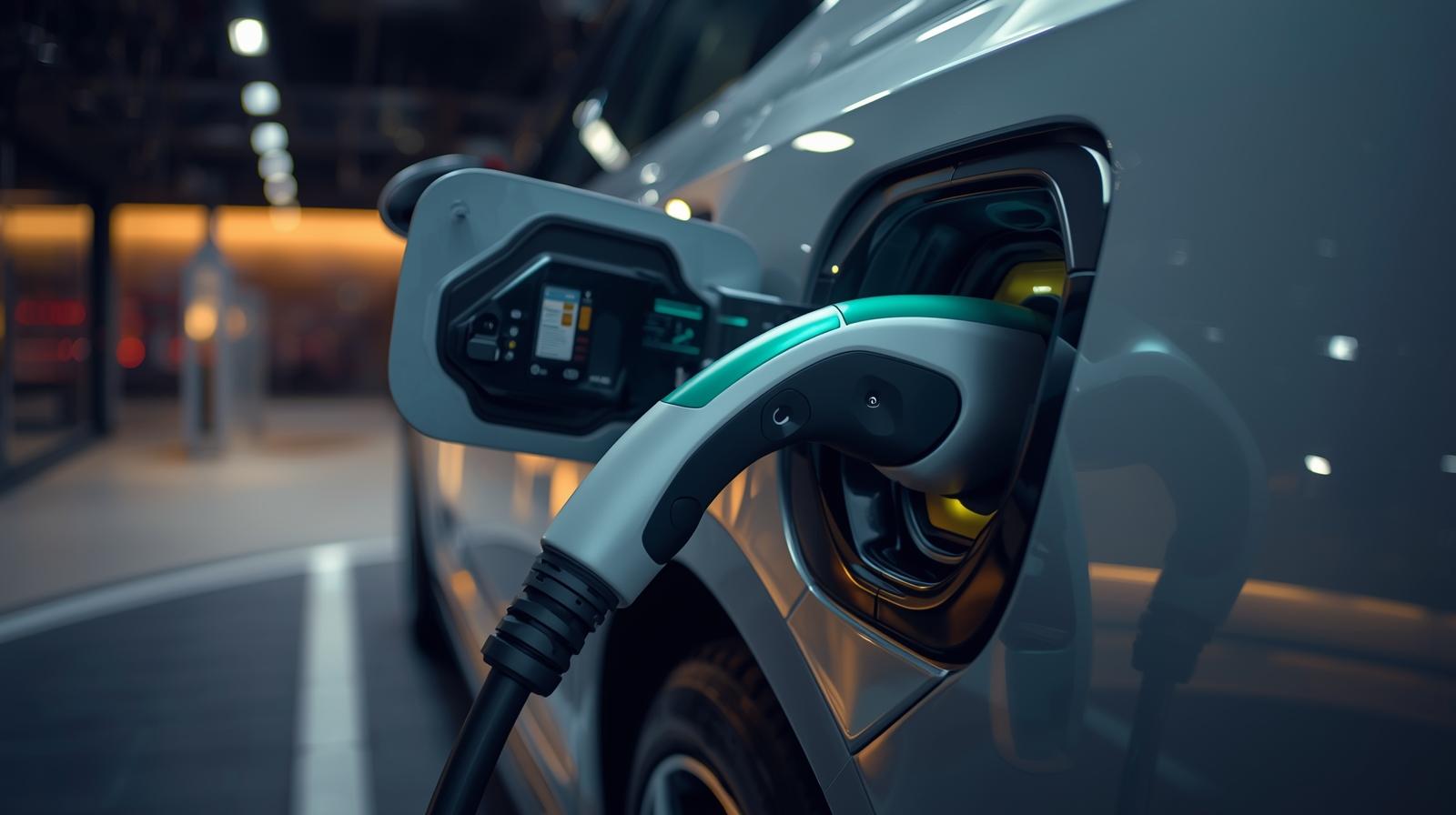
Electric vehicles (EVs) are no longer a futuristic concept—they are a rapidly growing reality. As EV adoption accelerates worldwide, one factor continues to shape buying decisions more than any other: charging speed. For many drivers, the ability to recharge an EV quickly—almost as fast as refueling a gasoline car—is the key to mass adoption. This is where DC fast charging comes in.

In this comprehensive guide, we will explore the fastest charging speeds of DC EV chargers, how they work, what determines their speed, how fast today’s top chargers really are, and what the future holds. Whether you are an EV owner, a potential buyer, or simply curious about EV technology, this article will give you expert-level clarity.
Introduction to DC EV Charging

To understand the fastest charging speeds of DC EV chargers, it’s important to first understand what DC charging actually means.
Electric vehicles store energy in batteries as direct current (DC). However, the electrical grid supplies alternating current (AC). In AC charging (Level 1 or Level 2), the vehicle’s onboard charger converts AC into DC, which limits charging speed.
DC EV chargers bypass the onboard charger entirely, sending DC power straight to the battery. This allows for dramatically higher charging speeds.
What Is DC Fast Charging?
DC fast charging—also known as Level 3 EV charging—is the fastest method of charging an electric vehicle currently available.
Key Characteristics of DC EV Chargers
- Supplies direct current (DC) directly to the battery
- Uses high-voltage, high-power equipment
- Typically installed in public charging stations
- Designed for short charging sessions rather than overnight charging
DC fast charging is the foundation of ultra-fast EV infrastructure.
Why Charging Speed Matters for EV Adoption
Understanding the fastest charging speeds of DC EV chargers is crucial because charging speed directly affects:
- Driving convenience
- Long-distance travel feasibility
- Range anxiety
- Fleet and commercial EV operations
Faster charging means less waiting, shorter trips, and a more gasoline-like experience.
How Fast Are DC EV Chargers?
DC fast chargers are classified based on their power output, measured in kilowatts (kW). The higher the kW rating, the faster the potential charging speed.
Common DC Charger Power Levels
| Charger Type | Power Output |
|---|---|
| DC Fast Charger | 50 kW |
| High-Power DC Charger | 100–150 kW |
| Ultra-Fast DC Charger | 200–350 kW |
| Experimental Chargers | 400+ kW |
The fastest charging speeds of DC EV chargers today reach up to 350 kW in commercial use.
How DC EV Charging Speed Is Measured
Charging speed is not just about power output. It is usually measured in:
- Miles of range added per minute
- Percentage of battery charged per time
- Total charging time (10%–80%)
Most EV manufacturers focus on 10% to 80% charging time because charging slows significantly beyond 80%.
Fastest Charging Speeds of DC EV Chargers Available Today
Let’s explore the real-world fastest DC charging speeds currently available.
1. 350 kW Ultra-Fast DC Chargers
These are the fastest commercial DC EV chargers available today.
Key Features:
- Up to 350 kW output
- Can add 200–300 miles of range in 15–20 minutes
- Requires advanced battery cooling systems
Networks Using 350 kW Chargers:
- Electrify America
- Ionity
- EVgo (select locations)
These chargers define the fastest charging speeds of DC EV chargers in real-world use.
2. 250 kW DC Fast Chargers
Tesla’s Supercharger V3 is one of the most well-known examples.
Key Highlights:
- Up to 250 kW peak output
- Adds up to 75 miles of range in 5 minutes
- Highly optimized for Tesla vehicles
While slightly slower than 350 kW chargers, they are extremely efficient.
3. 150 kW DC Chargers
Still considered very fast and widely deployed.
Benefits:
- Excellent balance of speed and cost
- Common at highways and urban fast-charging hubs
- Suitable for most modern EVs
What Determines the Actual Charging Speed?
Even with the fastest DC chargers, real-world speed depends on several factors.
1. EV Battery Capacity and Chemistry
Larger batteries can accept more power—but only up to a point.
- Lithium-ion chemistry limits peak power
- Solid-state batteries may allow faster charging in the future
2. Vehicle Charging Architecture (400V vs 800V)
One of the most important factors affecting the fastest charging speeds of DC EV chargers is battery voltage.
400V Systems
- Common in older EVs
- Limited charging speed
800V Systems
- Used in high-performance EVs
- Enables ultra-fast charging (up to 350 kW)
Examples of 800V EVs:
- Porsche Taycan
- Hyundai Ioniq 5
- Kia EV6
- Lucid Air
3. Battery State of Charge (SOC)
Charging is fastest between 10% and 50% SOC.
- Speed slows after 80%
- This protects battery health
4. Battery Thermal Management
High charging speeds generate heat.
EVs with advanced cooling systems can maintain faster charging longer.
Charging Curves: Why Peak Speed Is Temporary
One misconception about the fastest charging speeds of DC EV chargers is that the maximum speed lasts throughout the session.
In reality:
- Chargers reach peak speed briefly
- Power tapers as the battery fills
- This protects battery longevity
This is known as the charging curve.
Real-World Charging Time Examples
Example 1: 350 kW Charger + 800V EV
- 10% to 80% in 15–18 minutes
Example 2: 150 kW Charger + 400V EV
- 10% to 80% in 30–40 minutes
Example 3: 50 kW DC Charger
- 10% to 80% in 60–90 minutes
DC EV Charging Standards and Connectors
Charging speed also depends on the connector standard.
Major DC Charging Standards
- CCS (Combined Charging System) – Most common globally
- CHAdeMO – Older standard, limited speed
- Tesla NACS – Now adopted by many automakers
CCS and NACS support the fastest charging speeds of DC EV chargers today.
Fastest Charging Speeds by EV Model
Some EVs are designed to take full advantage of ultra-fast DC chargers.
Top EVs by DC Charging Speed
| EV Model | Max DC Charging Speed |
|---|---|
| Lucid Air | 350 kW |
| Porsche Taycan | 270 kW |
| Hyundai Ioniq 5 | 235 kW |
| Kia EV6 | 233 kW |
| Tesla Model 3/Y | 250 kW |
Are Faster DC Chargers Always Better?
While ultra-fast charging is impressive, it’s not always necessary.
Pros of Ultra-Fast Charging
- Minimal wait time
- Ideal for road trips
- Supports commercial fleets
Cons
- Higher infrastructure cost
- Increased grid demand
- Not all EVs can use full power
Safety Measures in High-Speed DC Charging
The fastest charging speeds of DC EV chargers require advanced safety systems.
Built-In Protections
- Real-time temperature monitoring
- Automatic power adjustment
- Emergency shutoff systems
- Battery management system (BMS) integration
Safety is a top priority in DC fast charging.
Impact of Fast DC Charging on Battery Health

A common concern is battery degradation.
What Research Shows
- Occasional fast charging is safe
- Frequent ultra-fast charging may increase wear
- Modern BMS systems minimize damage
Balanced charging habits are recommended.
DC Fast Charging vs AC Charging Speed Comparison
| Charging Type | Power | Typical Use |
|---|---|---|
| AC Level 1 | 1–2 kW | Overnight |
| AC Level 2 | 7–22 kW | Home/Work |
| DC Fast | 50–350 kW | Long trips |
Infrastructure Challenges for Ultra-Fast Charging
Delivering the fastest charging speeds of DC EV chargers is not easy.
Key Challenges
- Grid capacity upgrades
- High installation costs
- Power demand spikes
- Cooling requirements
Despite this, deployment is accelerating worldwide.
Future of DC EV Charging Speeds
The future is even faster.
What’s Coming Next?
- 400–500 kW DC chargers
- Solid-state batteries
- Wireless DC fast charging
- Vehicle-to-grid (V2G) integration
The next decade will redefine charging speed expectations.
Conclusion: Fastest Charging Speeds of DC EV Chargers Explained
The fastest charging speeds of DC EV chargers currently reach 350 kW, enabling EVs to recharge in minutes rather than hours. While not every EV can use this full power, ultra-fast DC charging is rapidly closing the gap between electric and gasoline vehicles.
Key Takeaways
- DC fast charging is essential for long-distance EV travel
- 350 kW chargers are the fastest available today
- Vehicle design and battery technology matter
- Charging speed will continue to improve
As EV infrastructure expands, ultra-fast DC charging will play a central role in shaping the future of transportation.
Frequently Asked Questions (FAQs)
1. What are the fastest charging speeds of DC EV chargers?
The fastest charging speeds of DC EV chargers currently reach up to 350 kW, allowing some EVs to add hundreds of miles of range in 15–20 minutes.
2. How fast can a DC fast charger charge an electric vehicle?
A DC fast charger can charge an EV from 10% to 80% in as little as 15–30 minutes, depending on the charger power and the vehicle’s battery system.
3. Do all electric vehicles support the fastest DC charging speeds?
No, only EVs with advanced battery architecture—especially 800V systems—can take full advantage of ultra-fast DC charging speeds.
4. What factors affect DC EV charging speed?
DC EV charging speed depends on battery size, vehicle voltage system, battery temperature, state of charge, and the charger’s maximum power output.
5. Is 350 kW DC charging safe for EV batteries?
Yes, modern EVs use advanced battery management and cooling systems to safely handle high-power DC fast charging.
6. Does fast DC charging damage the battery?
Occasional fast DC charging does not significantly harm batteries, but frequent ultra-fast charging may increase long-term battery wear.
7. Which EV charging connectors support the fastest DC charging speeds?
CCS and Tesla NACS connectors support the fastest charging speeds of DC EV chargers, while CHAdeMO is more limited.
8. How long does it take to fully charge an EV using a DC charger?
A full charge is rarely recommended, but reaching 80% usually takes 15–40 minutes depending on charger power and vehicle compatibility.
9. Why does DC charging slow down after 80%?
Charging slows after 80% to protect battery health, manage heat, and prevent long-term battery degradation.
10. Are DC fast chargers better than AC chargers?
DC fast chargers are ideal for long trips and quick top-ups, while AC chargers are better suited for overnight home or workplace charging.