

Charging an electric vehicle at night is one of the most common habits among EV owners. But many first-time buyers still ask: Is it safe to charge EV overnight?
The short answer is yes—charging an EV overnight is safe when you use proper charging equipment and follow basic safety guidelines. Modern electric vehicles and chargers are designed to manage long charging sessions safely, making overnight charging both convenient and reliable.
In this guide, we’ll explain how overnight EV charging works, why it’s considered safe, and what you should do to charge your EV with confidence while you sleep.
How Overnight EV Charging Works
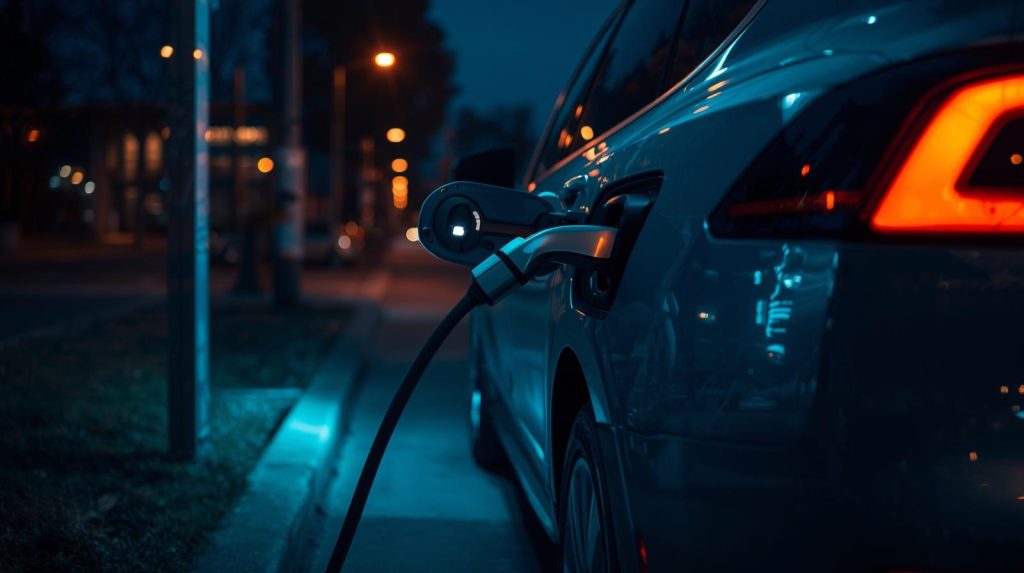
Overnight charging usually happens at home using:
- Level 1 charging (standard wall outlet)
- Level 2 charging (dedicated home EV charger)
These charging methods are slower and gentler on the battery, making them ideal for extended overnight charging sessions. The vehicle’s battery management system controls charging speed and automatically stops charging when the battery is full.
Is It Safe to Charge EV Overnight?
Yes, it is safe to charge EV overnight because electric vehicles are built with advanced safety systems that monitor charging conditions in real time. These systems regulate temperature, voltage, and current flow throughout the charging process.
If anything unusual happens—such as overheating or power fluctuation—the charging system will automatically stop to prevent damage or safety risks.
Safety Features That Protect Overnight EV Charging
Battery Management System (BMS)
The BMS ensures the battery charges within safe limits and prevents overcharging.
Automatic Shutoff
Once the battery reaches full charge, the system stops drawing power.
Temperature Monitoring
Charging slows down or stops if the battery or charger becomes too warm.
Electrical Isolation
High-voltage components are isolated from the vehicle cabin and home electrical system.
These features make overnight charging one of the safest ways to charge an EV.
Is It Safe to Charge EV Overnight at Home?
Yes, overnight home charging is safe when:
- The charger is professionally installed
- Certified charging equipment is used
- Electrical wiring meets local codes
Most EV owners charge overnight because it’s convenient, cost-effective, and reliable.
Is Overnight Charging Better for Battery Health?
Slow overnight charging is actually beneficial for long-term battery health. Compared to frequent fast charging, overnight charging produces less heat and reduces stress on the battery.
This makes overnight charging ideal for daily use.
Can Charging EV Overnight Cause Fire Risks?
The risk of fire is extremely low when charging equipment is properly installed and maintained. EV chargers include multiple fire-prevention systems, and charging stops automatically if unsafe conditions are detected.
To reduce risks even further:
- Avoid extension cords
- Inspect cables regularly
- Keep the charging area dry and ventilated
Is It Safe to Charge EV Overnight in the Garage?
Yes, charging overnight in a garage is safe. EVs do not produce exhaust gases, so ventilation concerns are minimal compared to gas vehicles.
Just ensure:
- The garage electrical system is properly rated
- The charger is securely mounted
- Cables are not damaged or pinched
Is It Safe to Charge EV Overnight in Extreme Weather?
Hot Weather
Charging may slow down to protect the battery, but safety is not affected.
Cold Weather
Charging takes longer, but overnight charging remains safe.
Rain or Humidity
Certified outdoor chargers are weatherproof and safe for overnight use.
Best Practices for Safe Overnight EV Charging
- Use manufacturer-recommended chargers
- Schedule charging during off-peak hours
- Avoid overloading electrical circuits
- Keep charging equipment clean and dry
- Monitor charging through your vehicle app
Following these tips ensures safe and efficient overnight charging.
Common Myths About Overnight EV Charging
Myth: Charging overnight damages the battery
Fact: Slow overnight charging is good for battery health.
Myth: Leaving the car plugged in is dangerous
Fact: EVs stop charging automatically when full.
Myth: Overnight charging wastes electricity
Fact: Smart chargers optimize energy usage.
Conclusion: Is It Safe to Charge EV Overnight?
So, is it safe to charge EV overnight? Absolutely. Overnight charging is one of the safest, most convenient, and battery-friendly ways to power your electric vehicle.
With built-in safety systems, certified charging equipment, and proper installation, you can charge your EV overnight with complete peace of mind.
Frequently Asked Questions (FAQs)
1. Is it safe to charge EV overnight?
Yes, it is safe to charge EV overnight. Modern electric vehicles are designed with smart charging systems that prevent overcharging, overheating, and electrical faults.
2. Can leaving my EV plugged in overnight damage the battery?
No, leaving your EV plugged in overnight does not damage the battery. Charging automatically stops once the battery reaches full capacity.
3. Is overnight charging better for EV battery life?
Yes, overnight charging—especially with Level 1 or Level 2 chargers—is gentler on the battery and supports long-term battery health.
4. Is it safe to charge an EV overnight in a garage?
Yes, charging an EV overnight in a garage is safe because electric vehicles do not emit harmful fumes and chargers include built-in safety protections.
5. Can overnight EV charging cause a fire?
The risk is extremely low when certified charging equipment is properly installed and used according to manufacturer guidelines.
6. Is it safe to charge EV overnight during hot or cold weather?
Yes, EVs are designed to charge safely in different weather conditions. Charging speed may adjust automatically to protect the battery.
7. Should I use an extension cord for overnight EV charging?
No, extension cords are not recommended as they can overheat and increase safety risks.
8. What is the safest way to charge an EV overnight?
Using a professionally installed Level 2 charger, certified equipment, and following manufacturer recommendations is the safest approach.