
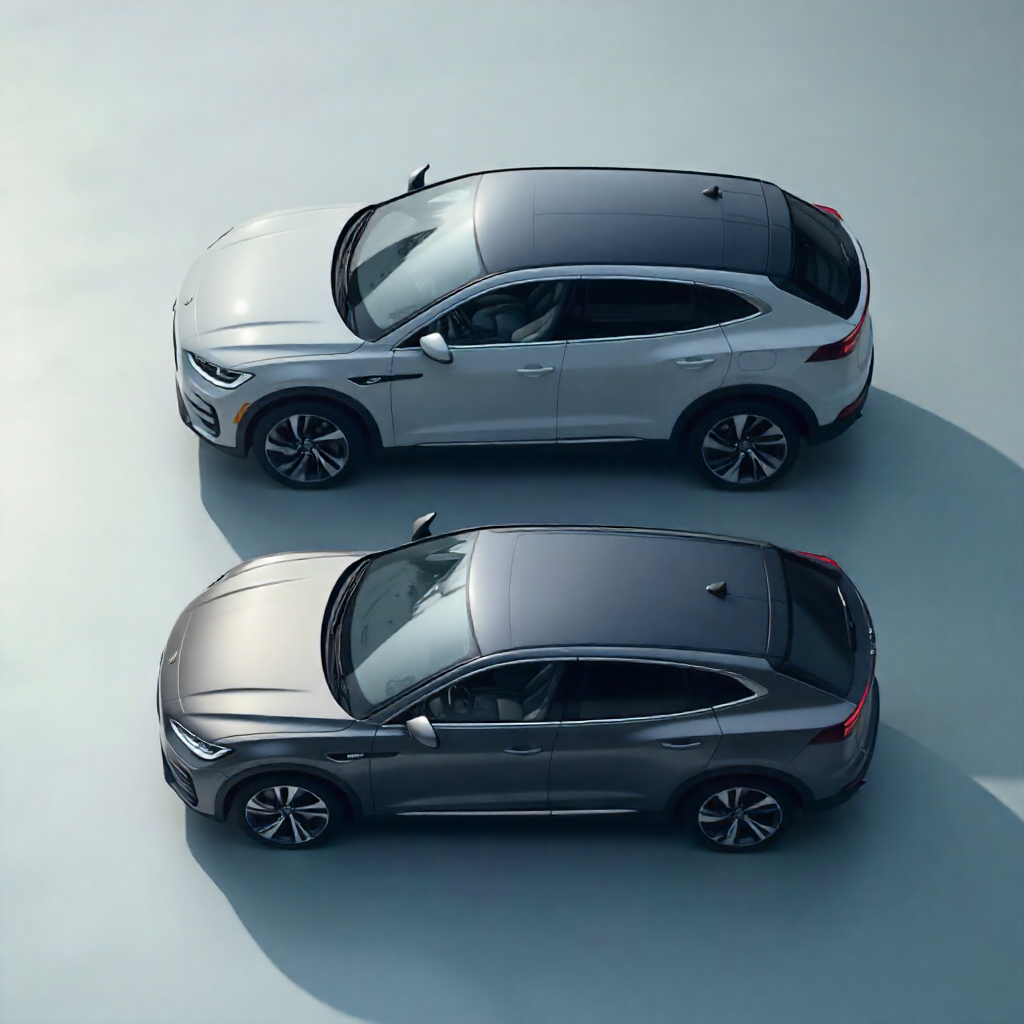
As the global automotive landscape shifts toward cleaner and smarter transportation, one major debate continues: Why Are Electric Cars Better Than Gas Cars? This question has become central for drivers, policymakers, and automakers as electric vehicles (EVs) rapidly gain popularity worldwide. With advanced technology, decreasing costs, stronger environmental policies, and increasing consumer demand, electric cars are no longer a futuristic idea—they are today’s reality.
This comprehensive guide explores why electric cars are better than gas cars by breaking down environmental benefits, performance, cost savings, maintenance differences, government incentives, charging advancements, safety, resale value, and the long-term ownership experience. Whether you’re an EV beginner or an experienced driver, this article will help you understand why millions of people are transitioning from gasoline to electric vehicles.
Introduction: Why the Shift Toward Electric Cars?
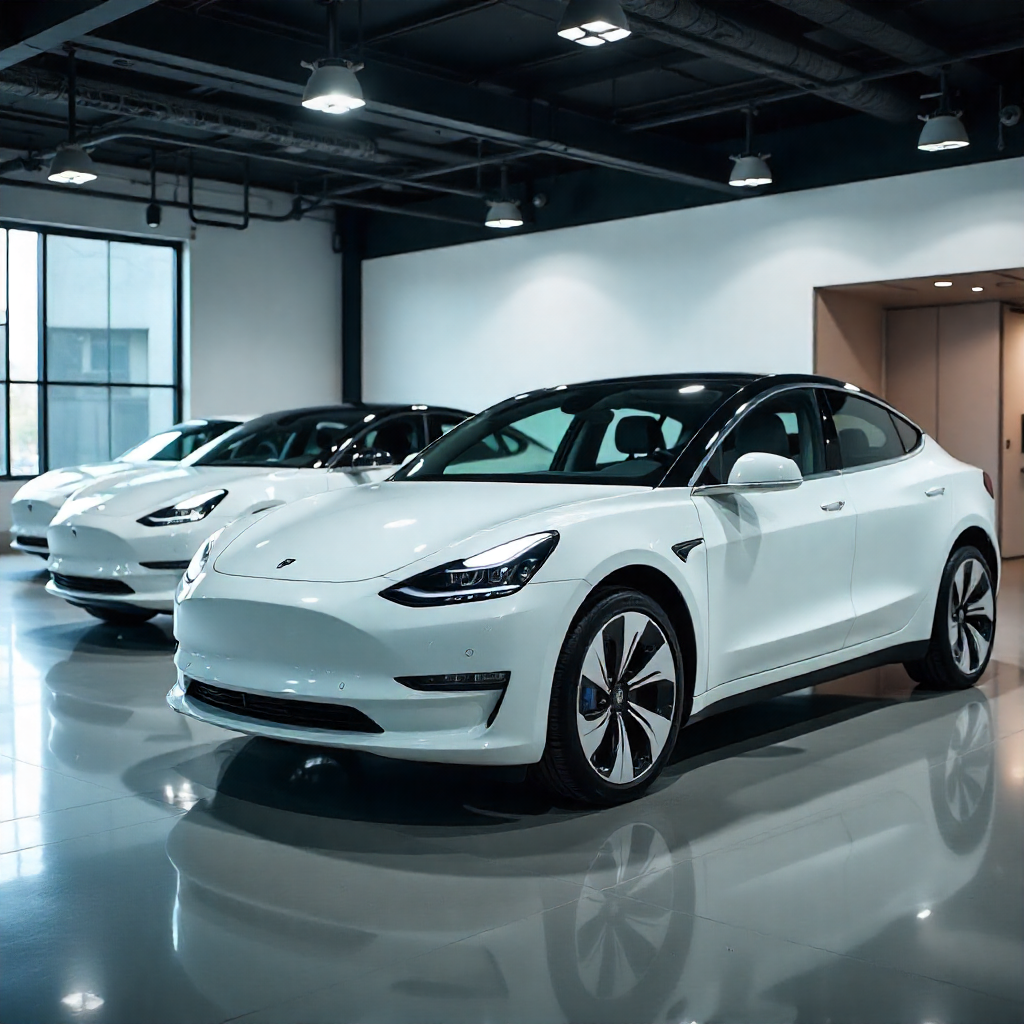
In the past decade, electric vehicles have moved from niche products to mainstream transportation. Major manufacturers like Tesla, Toyota, Ford, Hyundai, and BMW are investing billions into EV development. The shift is driven by multiple factors:
- Rising fuel costs
- Climate change concerns
- Government incentives and tax credits
- Technological advancement
- Improved charging networks
- Lower long-term ownership costs
As people search for cleaner, smarter, and more economical transportation, it’s natural to ask: Why Are Electric Cars Better Than Gas Cars? The answer becomes clearer as we uncover the core advantages of EVs.
Environmental Benefits: The Foundation of EV Superiority
Zero Tailpipe Emissions
One of the biggest reasons Why Are Electric Cars Better Than Gas Cars? is the absence of tailpipe emissions. Electric cars do not burn fuel, meaning:
- No carbon dioxide (CO₂)
- No nitrogen oxides (NOₓ)
- No particulate matter
Gas-powered vehicles emit harmful pollutants that degrade air quality and contribute to global warming. EVs offer an immediate improvement in personal carbon footprint.
Cleaner Energy Sources
Even when charged with electricity generated from fossil fuels, EVs still produce fewer lifetime emissions than gasoline cars. And as more countries adopt renewable energy like wind and solar, EVs become even cleaner.
Reduced Noise Pollution
Electric motors are quiet, significantly reducing noise pollution in cities. This contributes to healthier, more peaceful urban environments.
Cost Efficiency: Why EVs Save You More Money
A major reason Why Are Electric Cars Better Than Gas Cars? is their potential to dramatically reduce long-term expenses.
Lower Fuel Costs
Electricity is cheaper than gasoline in almost every region. Charging an EV costs 60–80% less than filling a gas tank.
Lower Maintenance Costs
Electric cars require less maintenance because they have fewer moving parts. There are no:
- Oil changes
- Transmission services
- Spark plugs
- Fuel filters
- Exhaust system repairs
Most EV owners spend 30–50% less on maintenance over the vehicle’s lifetime.
Tax Credits and Incentives
Many countries offer benefits such as:
- Tax credits
- Rebates
- Discounted registration fees
- Toll exemptions
- Free parking (in some cities)
These financial incentives significantly lower the effective cost of buying an EV.
Superior Performance & Driving Experience
Instant Torque and Acceleration
Electric motors provide instant torque, delivering rapid acceleration from zero RPM. Even mid-range EVs often outperform high-end gasoline cars in acceleration tests.
Smooth and Quiet Operation
With no engine vibration or gear shifting, EVs offer a smoother and quieter ride.
Better Handling
EVs typically have a low center of gravity because their batteries are mounted beneath the vehicle’s floor. This leads to:
- Enhanced stability
- Better cornering
- Reduced rollover risk
Regenerative Braking
This system recovers energy during braking, which:
- Increases driving efficiency
- Extends battery range
- Reduces brake wear
Performance-wise, these advantages highlight Why Are Electric Cars Better Than Gas Cars? when it comes to the driving experience.
Technology & Innovation: EVs Are the Future
Advanced Infotainment and Connectivity
Many electric vehicles include cutting-edge technology such as:
- Over-the-air software updates
- Artificial intelligence driving assistance
- Smart navigation linked with charger routes
- App-based climate control and security
Gasoline cars rarely match this level of innovation.
Autonomous Driving Features
EVs lead in autonomous technology. Tesla, GM, Mercedes-Benz, and others are investing heavily in self-driving features.
Improved Battery Technology
Battery range is improving every year. Modern EVs can travel 300–500 miles per charge, addressing range anxiety for most drivers.
Fast-Charging Advancements
Fast chargers (DC fast chargers) can now charge an EV from 20% to 80% in:
- 15–30 minutes for most models
- Under 10 minutes for next-gen batteries arriving in 2025–2026
Convenience: EV Charging Is Simpler Than Refueling
Charge at Home
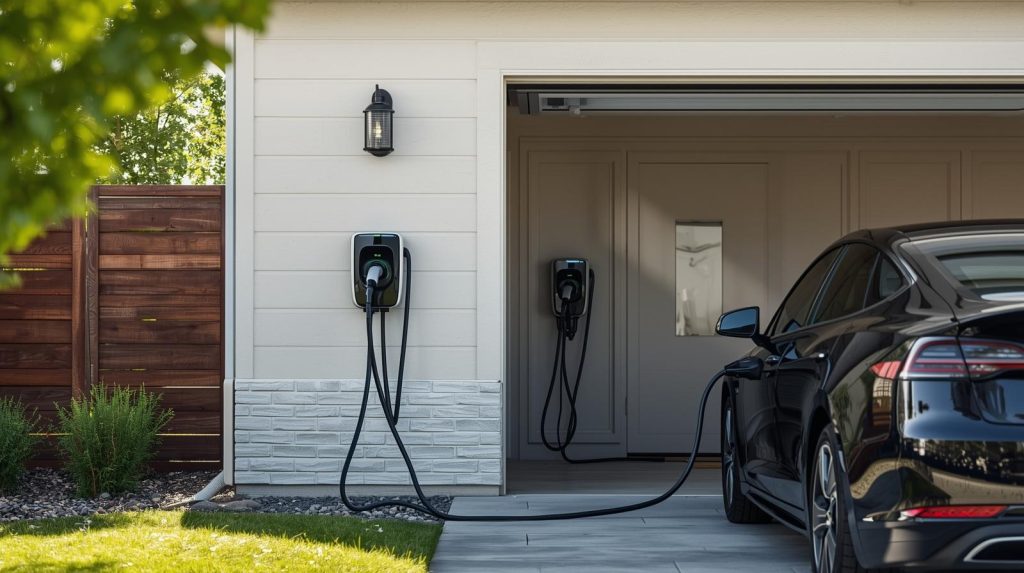
Imagine never visiting a gas station again. Simply plug in your EV overnight, and wake up to a full battery.
Public Charging Expansion
Public charging stations are expanding rapidly. Highways, malls, offices, and city centers increasingly offer chargers.
Charging Apps Make It Easier
Apps tell you:
- Nearest chargers
- Availability
- Charging speed
- Pricing
The convenience factor alone demonstrates Why Are Electric Cars Better Than Gas Cars? for modern-day commuters.
Safety: Built with Advanced Protection
Stronger Structural Integrity
EVs often outperform gasoline cars in safety tests due to:
- Rigid battery packs reinforcing the chassis
- Low center of gravity reducing rollovers
Advanced Safety Assist Features
Most EVs come with:
- Automatic emergency braking
- Lane-keeping assist
- Adaptive cruise control
- Collision avoidance
Reduced Fire Risk
Despite myths, EVs catch fire far less frequently than gasoline cars.
Low Total Cost of Ownership
Over 8–10 years, EVs generally cost less to own than gasoline cars. Savings include:
- Fuel
- Maintenance
- Tax credits
- Fewer repairs
When comparing side-by-side, the financial advantages clearly show Why Are Electric Cars Better Than Gas Cars? for long-term owners.
Resale Value: EVs Are Becoming More Valuable
Initially, EVs depreciated faster, but the trend is changing. Due to rising demand and high gasoline prices, many electric cars now maintain—and in some cases increase—their resale value over time.
Impact on Society & Economy
Reducing Dependence on Oil Imports
EV adoption helps countries reduce reliance on foreign oil, strengthening economic stability.
Job Creation
The EV sector is creating millions of jobs in:
- Battery manufacturing
- Charging infrastructure
- Software development
- Renewable energy
Cleaner Cities
Less air pollution leads to healthier communities.
Future Outlook: EVs Are Only Getting Better
By 2030, the majority of new cars in many countries are expected to be electric. Advancements will continue in:
- Battery technology
- Renewable integration
- Charging speed
- Autonomous driving
When you look at long-term trends, it becomes clear Why Are Electric Cars Better Than Gas Cars? in terms of both present and future value.
Conclusion: Why Are Electric Cars Better Than Gas Cars?
Electric cars outperform gasoline cars in almost every category—cost, performance, technology, environmental impact, safety, and long-term value. When we ask “Why Are Electric Cars Better Than Gas Cars?”, the evidence is overwhelming:
- They are cheaper to operate.
- They require less maintenance.
- They deliver superior performance.
- They help protect the environment.
- They integrate next-gen technology.
- They represent the future of transportation.
As the world moves toward sustainable mobility, electric vehicles are becoming the smarter, cleaner, and more cost-effective choice for drivers everywhere.
FAQs for “Why Are Electric Cars Better Than Gas Cars?”
1. Why are electric cars better than gas cars?
Electric cars are better than gas cars because they offer lower operating costs, zero tailpipe emissions, smoother performance, and reduced maintenance needs. They are also aligned with future transportation technology.
2. Do electric cars save money in the long run?
Yes. EVs save money through lower charging costs, fewer maintenance expenses, and potential government incentives or tax credits.
3. Are electric cars really better for the environment?
Absolutely. EVs produce no tailpipe emissions and significantly reduce greenhouse gases over their lifetime, especially when charged with renewable energy.
4. How far can electric cars travel on a full charge?
Modern electric cars can travel 300–500 miles on a single charge, depending on the model and battery size.
5. Are EV batteries long-lasting?
Yes. Most electric car batteries last 10–20 years, and manufacturers typically offer long warranties for battery packs.
6. Is charging an electric car convenient?
Very convenient. You can charge at home overnight or use a rapidly expanding public charging network with fast chargers available in most cities.
7. Do electric cars perform better than gas cars?
Yes. Electric cars provide instant torque, faster acceleration, smoother driving, and better handling due to their low center of gravity.
8. Are electric cars safe?
EVs are highly safe and often perform better in crash tests. Their lower center of gravity reduces rollover risks, and they’re equipped with advanced safety technology.
9. Are electric cars expensive to buy?
While upfront prices can be higher, incentives and long-term savings make EVs more cost-effective. Prices continue to drop as technology improves.
10. Will electric cars replace gas cars in the future?
Most experts predict a significant shift to EVs by 2030–2040 due to environmental regulations, technology advancements, and consumer demand.