
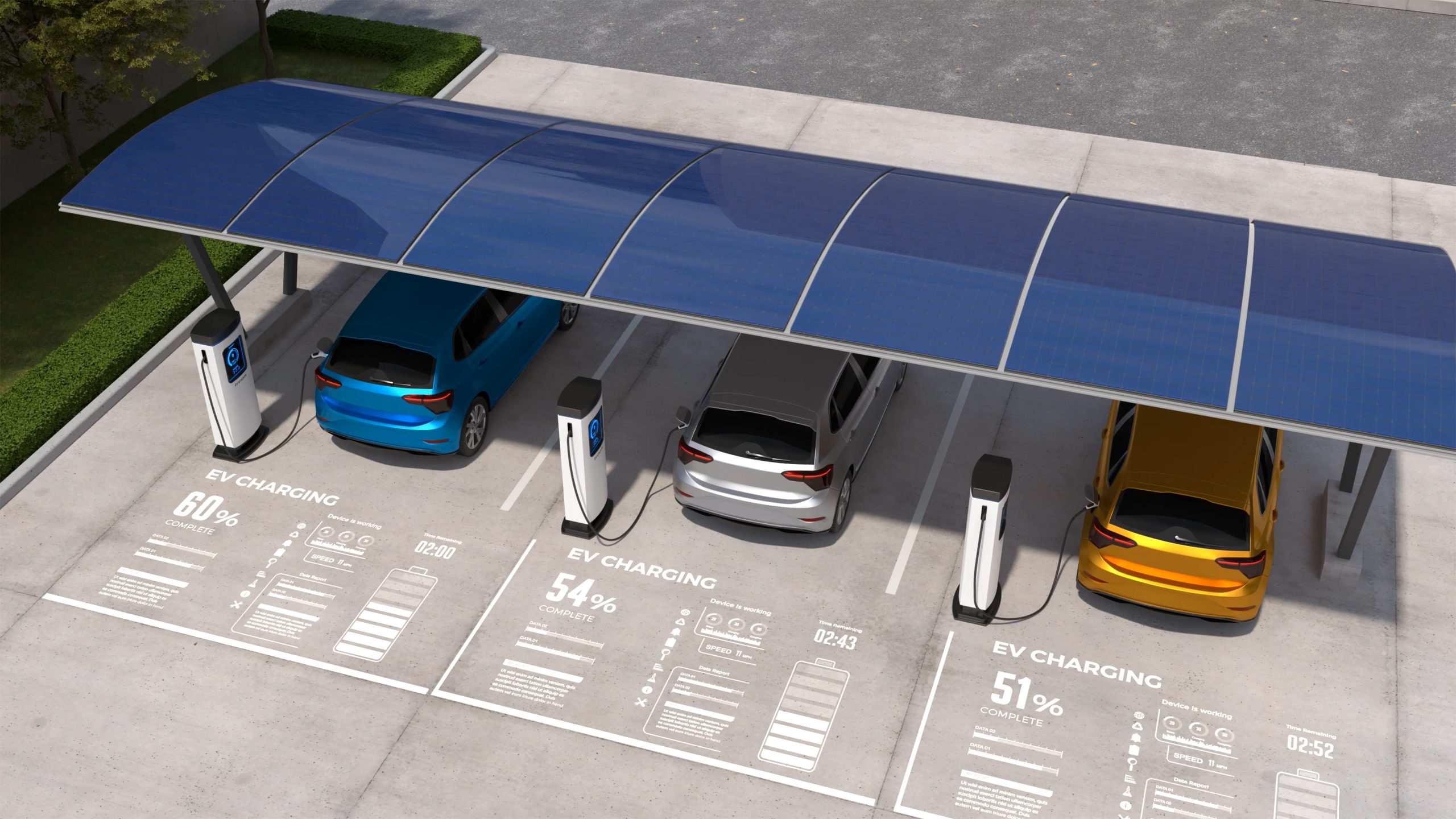
Electric vehicles (EVs) are quickly becoming popular all around the world, including in Pakistan. With rising fuel prices and growing concern for the environment, people are now looking for better, cleaner, and more cost-effective transportation. But when someone hears about EVs, terms like BEV, HEV, PHEV, and FCEV can be confusing.
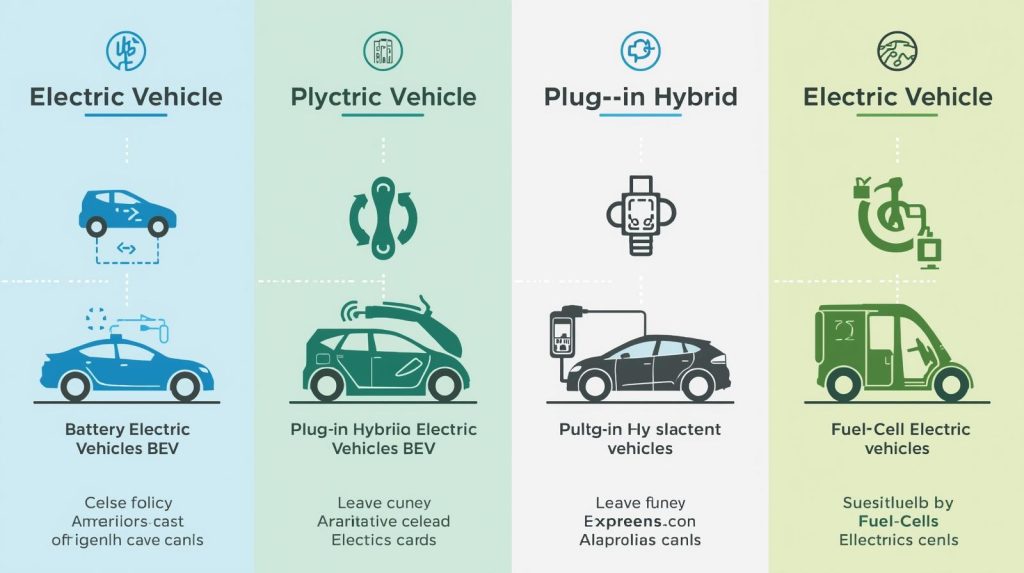
In this blog, we will explain the types of electric vehicles in simple words, so you can understand which type of EV might be right for you.
Electric vehicles (EVs) are becoming popular worldwide as people look for cleaner and cheaper transport. There are four main types of EVs:
- BEV (Battery Electric Vehicle): Runs fully on a battery and needs charging. Example: Tesla Model 3.
- HEV (Hybrid Electric Vehicle): Uses both petrol and a small battery; no external charging needed. Example: Toyota Prius.
- PHEV (Plug-in Hybrid Electric Vehicle): Works with petrol and a larger battery that can be charged. Example: BMW 330e.
- FCEV (Fuel Cell Electric Vehicle): Powered by hydrogen fuel cells and produces only water vapor. Example: Toyota Mirai.
Each EV type offers unique benefits in fuel savings, lower emissions, and sustainability, giving drivers different options for their needs.
What Are Electric Vehicles (EVs)?
Electric vehicles (EVs) are cars that run on electricity instead of only petrol or diesel. They use a battery, electric motor, or sometimes hydrogen fuel cells to power the vehicle. EVs are popular because they produce low or zero emissions, save money on fuel, and support a cleaner environment.
There are different types of EVs, such as BEVs (Battery Electric Vehicles), HEVs (Hybrid Electric Vehicles), PHEVs (Plug-in Hybrids), and FCEVs (Fuel Cell Vehicles). Each type has its own way of working, but all aim to make driving cheaper, cleaner, and more sustainable.
1. Battery Electric Vehicles (BEVs)
What is a BEV?
A Battery Electric Vehicle (BEV) is a type of electric car that runs fully on electricity. It does not use petrol or diesel. Instead, it has a large rechargeable battery and an electric motor to move the car. BEVs must be charged using a home charger or public charging station.
Since BEVs produce zero tailpipe emissions, they are considered the cleanest type of EV. Popular examples of BEVs include the Tesla Model 3, Nissan Leaf, and Audi e-tron.
How It Works
You plug the BEV into a charging station or home charger, and the battery stores electricity to power the car.
- The battery stores electricity.
- An electric motor converts this energy into power to move the wheels.
- BEVs are charged through a home charger or public charging station.
Since BEVs produce zero emissions, they are one of the most eco-friendly options in the EV market. Popular BEVs include the Tesla Model 3, Nissan Leaf, and Hyundai Kona Electric.
Examples of BEVs
- Tesla Model 3
- Nissan Leaf
- Audi e-tron
Key Features
- Zero emissions
- Runs fully on electricity
- Needs charging infrastructure
2. Hybrid Electric Vehicles (HEVs)
What is an HEV?
A Hybrid Electric Vehicle (HEV) is a car that uses both a petrol engine and an electric motor. Unlike BEVs, you cannot plug HEVs into a charger. Instead, the battery recharges itself through the engine and regenerative braking while driving.
HEVs are designed to improve fuel efficiency and reduce emissions compared to traditional cars. At low speeds, the electric motor helps save fuel, while at higher speeds, the petrol engine provides power. Popular examples of HEVs include the Toyota Prius and Honda Insight.
How It Works
A Hybrid Electric Vehicle (HEV) works by combining a petrol engine with an electric motor. At low speeds, the electric motor powers the car, saving fuel. When more power is needed, the petrol engine takes over.
The battery in an HEV is automatically charged through the engine and regenerative braking, which means you don’t need to plug it in. This smart system makes HEVs fuel-efficient, cost-saving, and eco-friendly compared to traditional vehicles.
Examples of HEVs
- Toyota Prius
- Honda Insight
Key Features
- Better fuel economy
- Lower emissions compared to petrol cars
- No need for external charging
3. Plug-in Hybrid Electric Vehicles (PHEVs)
What is a PHEV?
A Plug-in Hybrid Electric Vehicle (PHEV) is a type of car that uses both a petrol engine and a larger rechargeable battery. Unlike regular hybrids, a PHEV can be plugged into a charger at home or at public charging stations.
PHEVs allow you to drive short distances using electric power only, and when the battery runs out, the petrol engine takes over. This makes them a flexible option for drivers who want to save fuel and reduce emissions. Popular examples of PHEVs include the BMW 330e and Mitsubishi Outlander PHEV.
How It Works
A Plug-in Hybrid Electric Vehicle (PHEV) works by using a larger battery alongside a petrol engine. The battery can be charged from an external power source like a home charger or public charging station.
For short trips, the car runs only on electric power, which saves fuel and lowers emissions. When the battery is low, the petrol engine automatically starts to keep the car moving. This gives PHEVs the benefit of both electric driving for daily use and petrol backup for long journeys.
Examples of PHEVs
- Mitsubishi Outlander PHEV
- BMW 330e
Key Features
- Can be charged at home or public stations
- Good option for people who want both fuel and electric flexibility
- Reduces fuel costs
4. Fuel Cell Electric Vehicles (FCEVs)
What is an FCEV?
A Fuel Cell Electric Vehicle (FCEV) is an electric car powered by hydrogen gas instead of a battery alone. It uses a fuel cell to convert hydrogen into electricity, which then drives the electric motor.
FCEVs produce zero harmful emissions—the only byproduct is water vapor, making them one of the cleanest vehicle options. They also offer fast refueling times, similar to petrol cars, but require access to hydrogen fueling stations. Popular examples of FCEVs include the Toyota Mirai and Hyundai NEXO.
How It Works
A Fuel Cell Electric Vehicle (FCEV) works by using a fuel cell stack that combines hydrogen gas with oxygen from the air. This chemical reaction creates electricity, which powers the electric motor and moves the car.
Unlike petrol cars, FCEVs do not produce harmful gases. Instead, the only byproduct is clean water vapor. Since hydrogen can be refueled in just a few minutes, FCEVs provide the convenience of fast fueling with the benefits of zero emissions.
Examples of FCEVs
- Toyota Mirai
- Hyundai NEXO
Key Features
- Produces only water vapor (zero emissions)
- Fast refueling compared to battery EVs
- Limited infrastructure in most countries
Comparison of EV Types
| EV Type | Fuel Source | Charging Needed? | Example |
| BEV | Battery only | Yes | Tesla Model 3 |
| HEV | Petrol + Small Battery | No | Toyota Prius |
| PHEV | Petrol + Larger Battery | Yes | BMW 330e |
| FCEV | Hydrogen Fuel Cell | Hydrogen Refueling | Toyota Mirai |
Which Type of EV Is Best for You?
Choosing the right type of electric vehicle (EV) depends on your driving habits, budget, and access to charging or fueling stations. Each type of EV—BEV, HEV, PHEV, and FCEV—offers different benefits. Let’s break it down:
1. Battery Electric Vehicle (BEV) – Best for City Driving
If you want zero emissions and mainly drive in cities, a BEV is the best choice. It offers lower running costs, smooth performance, and eco-friendly driving. However, you will need regular access to charging stations or a home charger.
Ideal for: People who want a clean and cost-effective daily drive.
2. Hybrid Electric Vehicle (HEV) – Best for Fuel Efficiency Without Charging
If you want better fuel economy but don’t want to worry about charging, an HEV is a good option. The battery charges itself while driving, and the petrol engine provides backup.
Ideal for: Drivers who want lower fuel costs but live in areas with limited charging infrastructure.
3. Plug-in Hybrid Electric Vehicle (PHEV) – Best for Flexibility
A PHEV gives you the best of both worlds. You can drive short distances on electricity and switch to petrol for longer trips. It requires charging but also works as a normal car when the battery is empty.
Ideal for: People who want fuel savings and flexibility for both short and long trips.
4. Fuel Cell Electric Vehicle (FCEV) – Best for Fast Refueling and Zero Emissions
If you want fast refueling and green driving, an FCEV is a great option. It only takes a few minutes to fill hydrogen, and the car produces only water vapor. However, hydrogen stations are limited in most countries.
Ideal for: Eco-conscious drivers in regions where hydrogen fueling infrastructure is available.
Final Thoughts
- Choose a BEV if you want 100% electric and eco-friendly driving.
- Choose an HEV if you want better mileage without charging.
- Choose a PHEV if you want both electric power and petrol backup.
- Choose an FCEV if you want fast refueling with zero emissions.
By understanding your daily driving needs, charging options, and budget, you can select the EV type that fits your lifestyle best.
Conclusion
The future of transportation is electric, and different types of EVs (BEV, HEV, PHEV, FCEV) offer options for everyone. Whether you want to save fuel, reduce emissions, or experience advanced technology, there is an EV type for you.
In Pakistan and worldwide, EV adoption is growing, and as charging infrastructure and renewable energy improve, more people will shift towards electric mobility. Understanding the differences between EV types will help you make the right choice and contribute to a greener future.