

Electric vehicles (EVs) are no longer a futuristic concept—they are rapidly becoming the new normal. With advancements in battery technology and charging infrastructure, EVs are now more practical than ever. One of the most talked-about features of modern EVs is fast charging, which allows drivers to recharge their vehicles in a fraction of the time compared to traditional charging methods.
However, alongside this convenience comes a persistent and important question:
Is fast charging bad for an EV?
This concern is shared by new EV buyers, long-term owners, fleet operators, and sustainability advocates alike. Some believe fast charging damages batteries, while others argue it is completely safe when used properly.
Introduction to EV Fast Charging
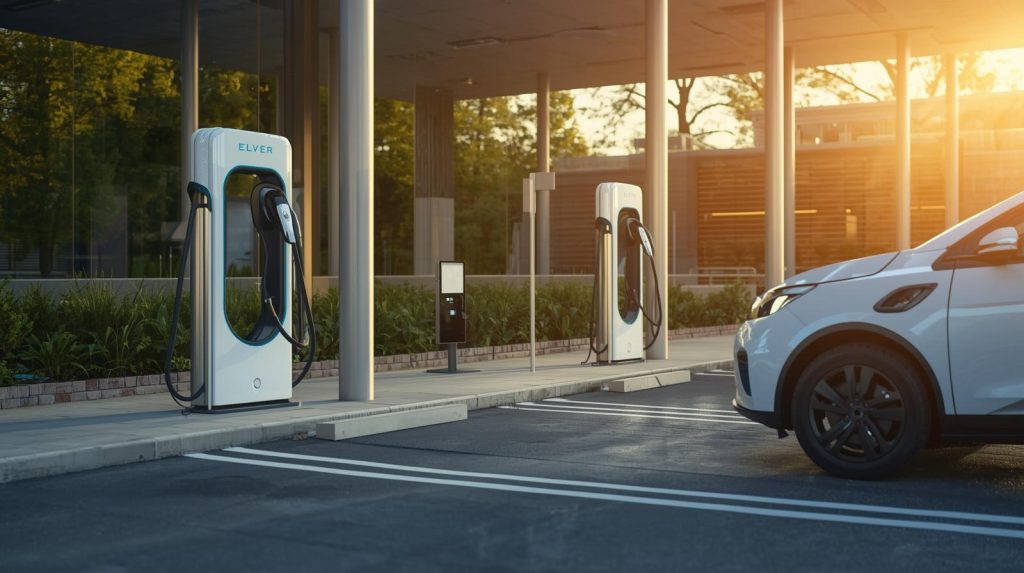
Fast charging has played a crucial role in accelerating EV adoption. The ability to recharge an EV in 20–40 minutes has reduced range anxiety and made long-distance travel more feasible.
Still, many drivers hesitate to use fast chargers regularly because they worry: Is fast charging bad for an EV? To answer this properly, we must first understand how EV batteries work.
Understanding EV Battery Technology
Most EVs use lithium-ion batteries, similar in chemistry to those found in smartphones and laptops—but far more advanced and robust.
Key characteristics of EV batteries:
- Sensitive to heat
- Affected by charging speed
- Designed for thousands of charge cycles
- Protected by advanced control systems
Battery health declines gradually over time, regardless of charging method.
What Is Fast Charging?
Fast charging usually refers to DC fast charging (Level 3 charging).

Key features:
- Power output: 50 kW to 350+ kW
- Charging time: 15–45 minutes (0–80%)
- Found at highways, public stations, charging hubs
This is significantly faster than home AC charging.
Types of EV Charging Explained
Level 1 (Slow Charging)
- Uses standard household outlet
- Very slow
- Minimal battery stress
Level 2 (AC Charging)
- Common for home and workplace
- Balanced speed and battery health
- Ideal for daily charging
DC Fast Charging
- Extremely fast
- Designed for convenience and travel
Understanding these levels is essential to evaluating is fast charging bad for an EV?
Why Fast Charging Exists
Fast charging exists to:
- Support long-distance travel
- Reduce downtime
- Enable fleet and commercial EV use
- Improve EV practicality
It is not intended to replace daily home charging.
Is Fast Charging Bad for an EV?
No—fast charging is not inherently bad for an EV.
However, frequent and improper use of fast charging can accelerate battery wear over time. The impact depends on:
- How often fast charging is used
- Battery temperature
- Charging habits
- Vehicle design
How Fast Charging Works
Fast charging works by delivering high-power electricity directly to an electric vehicle’s battery, allowing it to recharge much faster than standard charging methods. Unlike Level 1 or Level 2 charging, fast charging stations convert AC power into DC power inside the charger itself, so electricity can flow straight into the battery without relying on the vehicle’s onboard charger.
DC fast chargers:
- Convert AC grid power into DC
- Deliver power directly to the battery
- Communicate constantly with the vehicle
This controlled process ensures safety while charging at high speeds.
Manufacturer Recommendations on Fast Charging
Most manufacturers recommend:
- AC charging for daily use
- DC fast charging for travel
Importantly, warranties do not exclude fast charging, which answers the question is fast charging bad for an EV? quite clearly.
When Fast Charging Can Be Harmful
Fast charging is safe when it is used under the right conditions and according to the electric vehicle manufacturer’s recommendations. Modern EVs are equipped with advanced battery management systems that regulate power flow, control heat, and protect the battery during fast charging.
Fast charging may contribute to degradation if:
- Used daily
- Battery is charged to 100% repeatedly
- Charging occurs in extreme heat
When Fast Charging Is Safe
Fast charging is safe when it is used correctly and in moderation, following the manufacturer’s guidelines for your electric vehicle. Modern EVs are designed with advanced battery management systems (BMS) that control temperature, voltage, and charging speed to prevent damage during fast charging sessions.
Fast charging is safe when:
- Used occasionally
- Battery remains between 10–80%
- Vehicle cooling systems function properly
Fast Charging During Road Trips
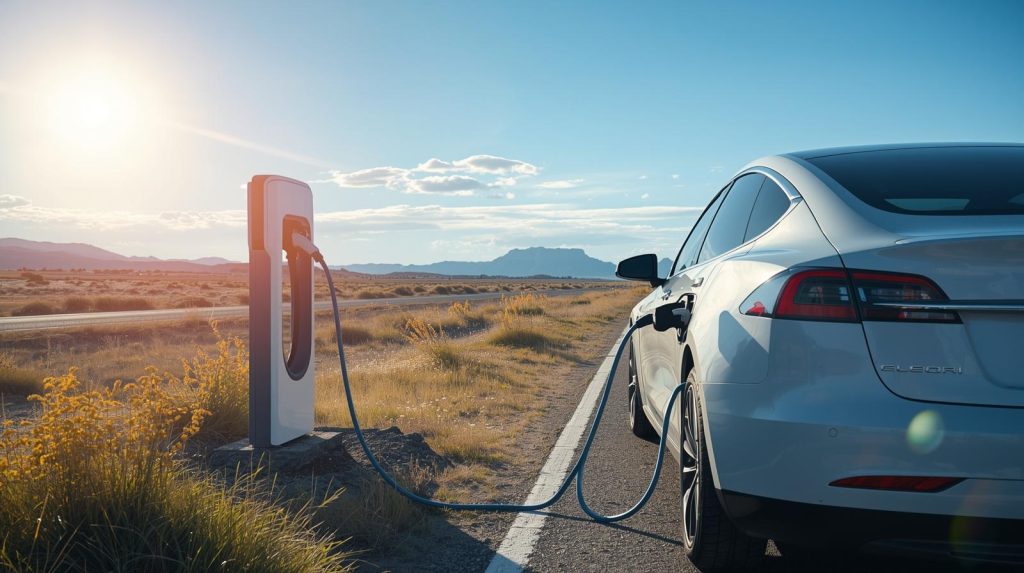
Road trips are exactly what fast charging is designed for. Using fast chargers on long journeys has minimal long-term impact on battery health.
Future Battery Technologies and Fast Charging
Emerging technologies include:
- Solid-state batteries
- Better heat tolerance
- Faster charging with less degradation
Future EVs will make fast charging even safer.
Final Conclusion
Fast charging is one of the most important innovations enabling the widespread adoption of electric vehicles. While it can increase battery stress if abused, modern EVs are engineered to handle it safely.
The truth is simple:
Fast charging is safe when used occasionally
Slow charging is better for daily use
Smart charging habits matter more than charging speed
Understanding this balance allows EV owners to enjoy convenience without sacrificing long-term battery health.
Frequently Asked Questions (FAQs)
1. Is fast charging bad for an EV?
Fast charging is not inherently bad for an EV. Occasional use is safe, but frequent reliance on fast charging can slightly accelerate battery degradation over time.
2. Does fast charging reduce EV battery lifespan?
Fast charging may increase battery wear if used excessively, but modern EV batteries and management systems are designed to minimize long-term damage.
3. Why does fast charging generate more heat in EV batteries?
Fast charging delivers high power in a short time, increasing internal resistance and heat, which can stress battery cells if not properly managed.
4. Can I use fast charging every day?
Most manufacturers recommend using slow or Level 2 AC charging for daily use and reserving fast charging for long trips or emergencies.
5. Does fast charging slow down after 80%?
Yes, charging speed slows after around 80% to protect the battery from overheating and excessive stress.
6. Does fast charging void an EV’s battery warranty?
No, fast charging does not void battery warranties. EV manufacturers design their vehicles to safely support fast charging.
7. Is slow charging better for EV battery health?
Yes, slow or AC charging is generally gentler on the battery and is ideal for maintaining long-term battery health.
8. How often should fast charging be used?
Fast charging is best used occasionally—such as during road trips or time-sensitive situations—rather than as a daily charging method.
9. Do newer EVs handle fast charging better?
Yes, newer EVs feature improved battery chemistries, cooling systems, and battery management technology that reduce fast-charging stress.
10. What is the safest charging range for EV batteries?
Keeping the battery between 20% and 80% charge is widely considered optimal for preserving battery health.