

The global shift toward electric vehicles (EVs) is accelerating at an unprecedented pace. Governments are setting ambitious emission targets, automakers are investing billions in electrification, and consumers are increasingly choosing EVs over traditional gasoline vehicles. At the heart of this transformation lies one critical factor: charging infrastructure.
Among all charging solutions, DC EV chargers, commonly known as DC fast chargers or Level 3 chargers, play a vital role in making electric mobility practical, scalable, and appealing. While home Level 2 chargers are ideal for daily charging, DC EV chargers are the backbone of public charging networks and long-distance EV travel.
Introduction to DC EV Charging
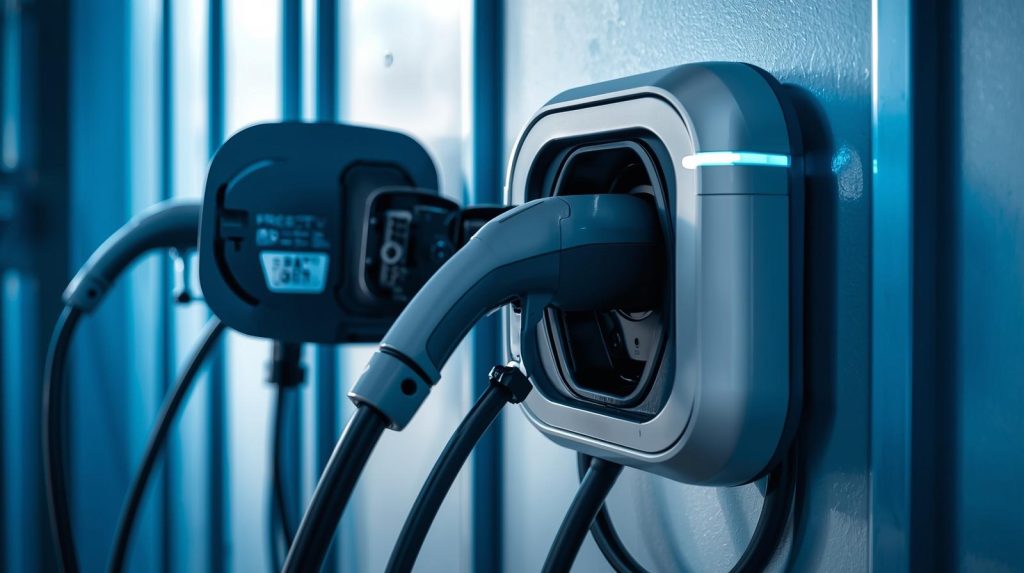
Charging speed and convenience are among the biggest concerns for potential EV buyers. While most daily driving can be handled with home charging, drivers need confidence that they can recharge quickly when traveling long distances or operating vehicles commercially.
This is where DC EV chargers shine.
The advantages of DC EV chargers extend far beyond speed alone. They enable highway travel, support high-use vehicles, reduce downtime, and make electric transportation competitive with traditional fueling.
What Are DC EV Chargers?
A DC EV charger supplies direct current (DC) electricity directly to an EV’s battery. Unlike AC chargers, which rely on the vehicle’s onboard charger to convert AC power into DC, DC chargers perform this conversion inside the charging station itself.
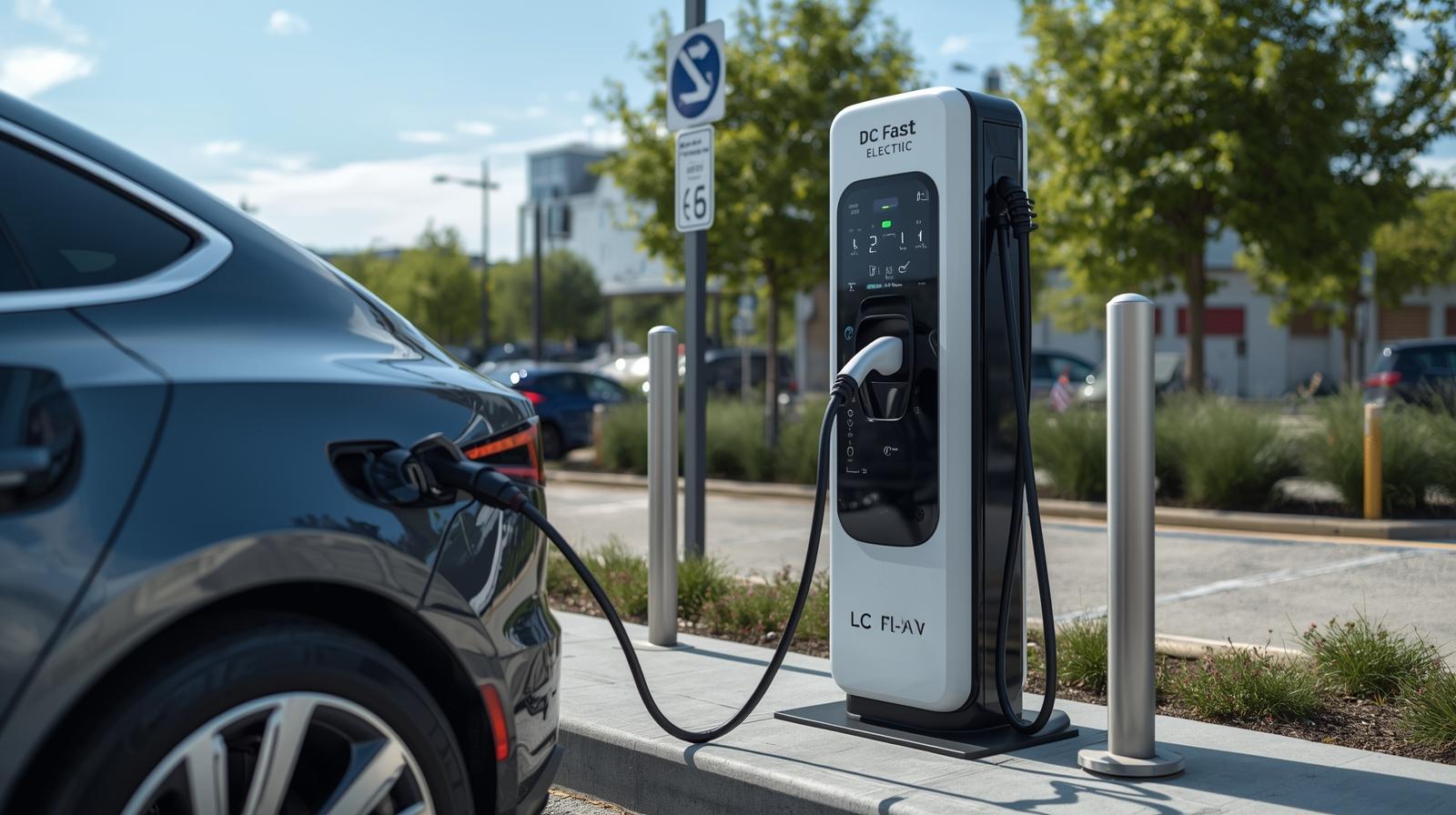
Key Characteristics
- Power output: 25 kW to 350+ kW
- Voltage range: 400V to 1000V
- Charging time: 15–45 minutes to 80%
- Typical locations: highways, commercial hubs, public charging stations
These characteristics lay the foundation for the many advantages of DC EV chargers.
Why DC EV Chargers Matter in the EV Ecosystem
DC EV chargers are not meant to replace home chargers—they complement them. The EV charging ecosystem relies on:
- Level 1 & Level 2 chargers for daily charging
- DC EV chargers for fast, on-the-go charging
Without DC fast charging, EVs would struggle to compete with gasoline vehicles in terms of convenience and flexibility.
Key Differences Between DC and AC Charging
Understanding these differences highlights the advantages of DC EV chargers.
| Feature | AC Chargers | DC EV Chargers |
|---|---|---|
| Charging Speed | Slow to moderate | Very fast |
| Power Conversion | Inside the car | Inside the charger |
| Best Use | Home, work | Public, travel |
| Infrastructure | Simple | Commercial-grade |
Advantage 1: Extremely Fast Charging Speeds
The most obvious advantage is speed.
Charging Performance
- 50 kW DC charger: ~80% in 60 minutes
- 150 kW DC charger: ~80% in 30 minutes
- 350 kW DC charger: ~80% in 15–20 minutes
This speed rivals the time spent refueling a gasoline car when accounting for rest stops.
Advantage 2: Reduced Range Anxiety
Range anxiety—the fear of running out of charge—is one of the biggest psychological barriers to EV adoption.
The advantages of DC EV chargers include:
- Quick top-ups during trips
- Confidence in long journeys
- Reliable access to fast charging
When drivers know they can recharge quickly, EV ownership becomes far less stressful.
Advantage 3: Enables Long-Distance EV Travel
DC EV chargers make EV road trips possible.
Highway DC fast charging stations allow:
- Cross-country travel
- Interstate commuting
- Tourism and logistics EV use
Without DC charging, long-distance EV travel would be impractical.
Advantage 4: Ideal for Public Charging Networks
Public charging stations depend on fast turnover.
Why DC EV Chargers Are Perfect for Public Use
- Serve more vehicles per day
- Reduce wait times
- Improve station profitability
This is a major reason public networks invest heavily in DC fast chargers.
Advantage 5: Essential for Commercial and Fleet Operations
Fleet vehicles must stay on the road.
The advantages of DC EV chargers for fleets include:
- Minimal downtime
- Predictable charging schedules
- Efficient depot charging
Delivery vans, taxis, ride-share vehicles, and buses rely on DC fast charging.
Advantage 6: Higher Vehicle Utilization and Uptime
Time spent charging is time not earning.
DC EV chargers:
- Reduce idle time
- Increase daily mileage potential
- Improve operational efficiency
This is critical for commercial EVs.
Advantage 7: Supports Urban Charging Needs
Urban drivers often lack home charging access.
DC fast chargers:
- Enable quick curbside or hub charging
- Reduce dependency on residential chargers
- Support apartment and city dwellers
This makes EV ownership accessible to more people.
Advantage 8: Future-Ready Charging Technology
DC EV chargers are built to support future EV technology, including:
- Higher battery capacities
- 800V vehicle architectures
- Ultra-fast charging standards
These features ensure long-term infrastructure viability.
Advantage 9: Boosts EV Adoption Rates
When fast charging is widely available:
- Consumers feel confident buying EVs
- Businesses electrify fleets faster
- Governments achieve sustainability goals
DC EV chargers directly accelerate EV adoption.
Advantage 10: Compatible with Advanced EV Architectures
New EVs with 800V battery systems benefit greatly from DC charging.
Advantages include:
- Faster charging
- Less heat generation
- Higher efficiency
DC EV chargers unlock the full potential of modern EV designs.
DC EV Chargers vs Level 2 Chargers: Advantage Comparison
| Feature | DC EV Chargers | Level 2 Chargers |
|---|---|---|
| Charging Speed | Very fast | Moderate |
| Best Use | Public, fleet | Home |
| Vehicle Downtime | Minimal | Longer |
| Infrastructure Cost | High | Low |
Both are important, but DC chargers deliver unmatched speed and flexibility.
Who Benefits Most from DC EV Chargers?
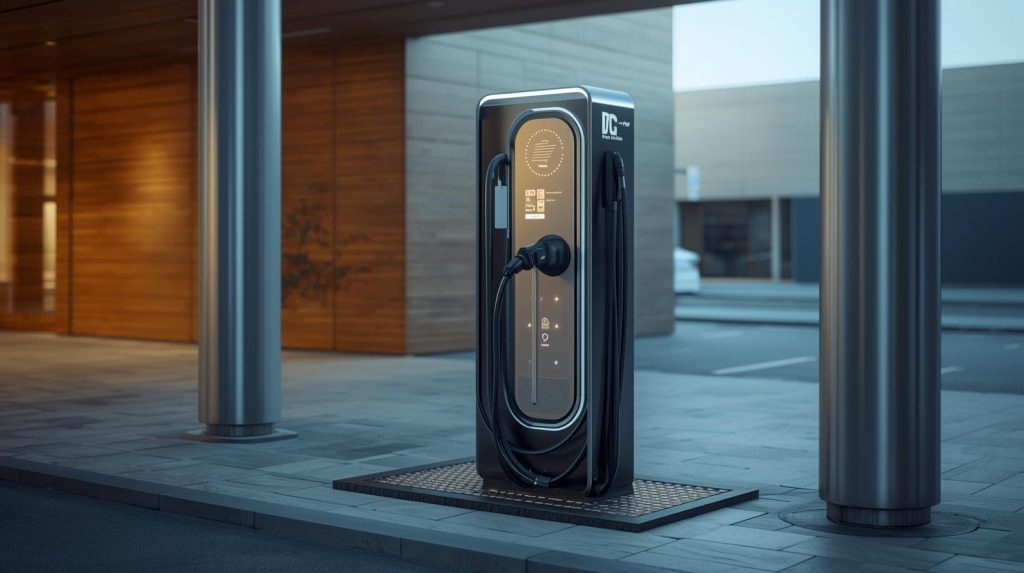
The advantages of DC EV chargers benefit:
- Long-distance drivers
- Urban residents
- Fleet operators
- Businesses
- Governments
- Charging network operators
They serve nearly every segment of the EV ecosystem.
Challenges and How Advantages Outweigh Them
Challenges include:
- High installation cost
- Grid requirements
- Battery stress
However, the advantages of DC EV chargers—speed, scalability, and practicality—far outweigh these challenges when used appropriately.
Conclusion
The advantages of DC EV chargers make them one of the most important components of the electric vehicle ecosystem. From ultra-fast charging and reduced range anxiety to supporting fleets, cities, and long-distance travel, DC EV chargers enable EVs to compete directly with gasoline vehicles.
While they are not designed for everyday home charging, their role in public infrastructure, commercial operations, and future transportation cannot be overstated. As EV adoption grows, DC EV chargers will continue to drive convenience, confidence, and sustainability across the globe.
FAQs: Advantages of DC EV Chargers
1. What are the main advantages of DC EV chargers?
The main advantages of DC EV chargers include ultra-fast charging speeds, reduced range anxiety, support for long-distance travel, and high efficiency for public and commercial charging.
2. How fast are DC EV chargers compared to Level 2 chargers?
DC EV chargers can charge an EV to 80% in 15–45 minutes, while Level 2 chargers usually take 4–8 hours for a similar charge level.
3. Why are DC EV chargers important for EV adoption?
DC EV chargers make electric vehicles more practical by enabling fast recharging, long-distance travel, and convenient public charging, which increases consumer confidence.
4. Are DC EV chargers better for road trips?
Yes. DC EV chargers are ideal for road trips because they provide rapid charging along highways, minimizing travel delays and making EV travel comparable to gasoline vehicles.
5. Do DC EV chargers damage EV batteries?
Occasional DC fast charging is safe. While frequent use may slightly increase battery wear, modern EVs have advanced thermal management systems to minimize impact.
6. Who benefits most from the advantages of DC EV chargers?
Long-distance drivers, urban residents without home charging, fleet operators, businesses, and public charging networks benefit most from DC EV chargers.
7. Can DC EV chargers be installed at home?
In most cases, no. DC EV chargers require high-voltage electrical infrastructure and are designed for commercial or public installations.
8. What power levels do DC EV chargers offer?
DC EV chargers typically range from 25 kW to 350+ kW, with ultra-fast and megawatt chargers designed for heavy-duty vehicles.