

As electric vehicles (EVs) become more popular, questions about battery health are more common than ever. One question many EV owners ask—especially beginners—is: Is Level 1 charging bad for your EV battery?
Level 1 charging is often seen as slow and basic, but slow doesn’t necessarily mean harmful. In fact, when used correctly, Level 1 charging can be one of the most battery-friendly ways to charge an electric vehicle. In this detailed guide, we’ll explain how Level 1 charging affects EV batteries, whether it causes long-term damage, and when it makes sense to use it.
What Is Level 1 EV Charging?
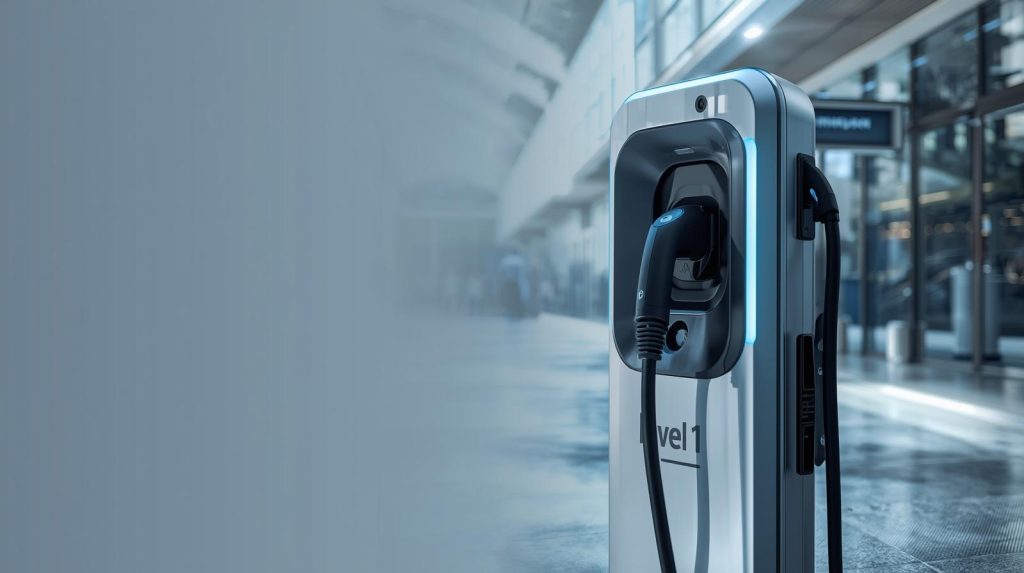
Before answering Is Level 1 charging bad for your EV battery?, it’s important to understand what Level 1 charging is.
Level 1 charging uses a standard household electrical outlet to supply power to an electric vehicle. Most EVs come with a Level 1 charging cable included, allowing owners to plug in without installing any additional equipment.
Key Characteristics of Level 1 Charging
- Uses a regular wall socket
- No professional installation required
- Slow but steady charging speed
- Ideal for overnight charging
How EV Batteries Degrade Over Time
To understand whether Level 1 charging is bad for your EV battery, you need to know what actually causes battery degradation.
EV batteries degrade mainly due to:
- Heat buildup
- High charging speeds
- Frequent fast charging
- Extreme temperatures
- Repeated charging to 100%
Charging methods that reduce heat and stress help preserve battery health.
Is Level 1 Charging Bad for Your EV Battery?
The short answer is no.
In fact, Level 1 charging is generally good for your EV battery, not bad. Because it delivers electricity slowly, it produces less heat and places minimal stress on battery cells.
So when people ask, “Is Level 1 charging bad for your EV battery?”, the honest answer is that it is actually one of the safest charging methods for long-term battery health.
Why Level 1 Charging Is Gentle on EV Batteries
1. Low Heat Generation
Heat is one of the biggest enemies of lithium-ion batteries. Level 1 charging produces very little heat compared to faster charging methods.
2. Reduced Electrical Stress
Slower charging means lower voltage and current, which reduces wear on battery components.
3. Stable Charging Cycles
Level 1 charging allows for smooth, consistent charging, which supports long-term battery performance.
Level 1 Charging vs Fast Charging: Battery Impact Comparison
| Charging Type | Speed | Heat | Battery Stress |
|---|---|---|---|
| Level 1 | Very slow | Very low | Minimal |
| Level 2 | Moderate | Low | Low |
| DC Fast Charging | Very fast | High | Higher |
Compared to fast charging, Level 1 charging is much easier on the battery.
Can Level 1 Charging Ever Harm an EV Battery?
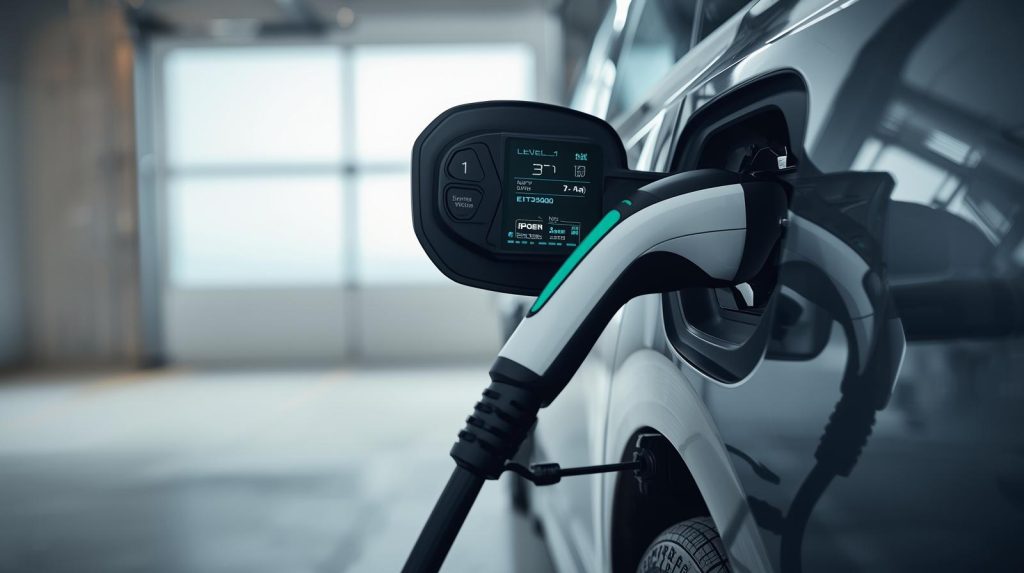
While Level 1 charging itself is not harmful, poor usage habits can still affect battery health.
Potential Risks (Rare but Possible)
- Using damaged or overheated outlets
- Charging continuously to 100%
- Charging in extreme heat or cold
- Using low-quality or non-certified cables
These issues are not caused by Level 1 charging, but by improper charging conditions.
When Level 1 Charging Is the Best Choice for Battery Health
Level 1 charging is ideal if:
- You drive short distances daily
- Your EV charges overnight
- You want to reduce battery stress
- You don’t rely heavily on fast charging
In these situations, Level 1 charging supports long battery life and stable performance.
When Level 1 Charging May Not Be Enough
While not bad for the battery, Level 1 charging may not be practical if:
- You drive long distances every day
- You need fast turnaround charging
- Your EV has a very large battery
In such cases, Level 2 charging provides a better balance between speed and battery care.
Real-World Example
Consider an EV owner who drives 25 miles per day and charges overnight using Level 1 charging. The battery experiences low heat, slow charging, and minimal stress—ideal conditions for long-term health.
Compare that to frequent fast charging, which introduces more heat and strain. This example shows why Level 1 charging is often the healthier choice.
Conclusion: Is Level 1 Charging Bad for Your EV Battery?
So, Is Level 1 charging bad for your EV battery?
No—quite the opposite.
Level 1 charging is one of the gentlest and safest charging methods for EV batteries. While it’s slow and not suitable for every driver, it supports battery longevity, reduces heat stress, and works exceptionally well for short daily commutes and overnight charging.
If your lifestyle allows it, Level 1 charging isn’t just acceptable—it’s battery-friendly.
Frequently Asked Questions (FAQs)
1. Is Level 1 charging bad for your EV battery?
No, Level 1 charging is not bad for your EV battery. In fact, it is one of the safest charging methods because it produces less heat and causes minimal battery stress.
2. Does Level 1 charging extend EV battery life?
Yes, Level 1 charging can help extend battery life since slow charging reduces heat buildup and supports stable charging cycles.
3. Is Level 1 charging better than fast charging for battery health?
Yes, Level 1 charging is generally better for battery health than frequent fast charging, which generates more heat and can accelerate battery wear.
4. Can I use Level 1 charging every day?
Yes, daily Level 1 charging is safe for most EVs, especially if you drive short distances and charge overnight.
5. Does charging overnight with Level 1 damage the battery?
No, overnight Level 1 charging does not damage the battery when using a properly grounded outlet and manufacturer-approved equipment.
6. When should I avoid using Level 1 charging?
You may want to avoid relying solely on Level 1 charging if you drive long distances daily or need faster charging times.
7. Is Level 1 charging safe in hot or cold weather?
Level 1 charging is safe in most conditions, but extreme heat or cold can affect battery performance. Parking in moderate temperatures is recommended.
8. What is the safest charging method for EV batteries?
Level 1 and Level 2 charging are considered the safest methods for maintaining long-term EV battery health.