

As electric vehicles continue to grow in popularity, one common question stands out for new and existing owners alike: What is the best way to charge an EV? With multiple charging options available—home charging, public chargers, and fast charging—it’s important to understand which method offers the best balance of convenience, cost, battery health, and safety.
The truth is, there is no one-size-fits-all answer. The best way to charge an EV depends on your driving habits, daily mileage, home setup, and long-term ownership goals. In this guide, we’ll break down all the charging options and help you determine what is the best way to charge an EV for your lifestyle.
Understanding EV Charging Basics
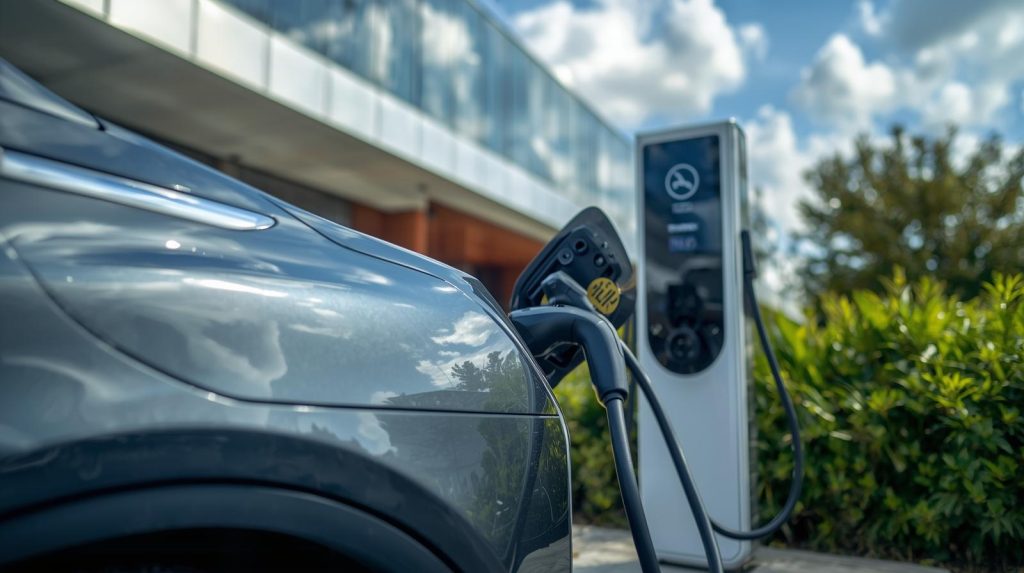
Before deciding what the best way to charge an EV is, it helps to understand the three main EV charging levels.
Level 1 Charging
Level 1 charging uses a standard household outlet. It is the slowest charging method, but also the simplest and most affordable.
Level 2 Charging
Level 2 charging uses a higher-voltage power source and requires a dedicated charging unit. It is the most common choice for home and workplace charging.
DC Fast Charging
DC fast charging delivers high power directly to the battery and is mainly used for long trips and public charging stations.
Each option has its own benefits, and understanding them is key to choosing the best EV charging method.
Is Level 1 Charging a Good Option?
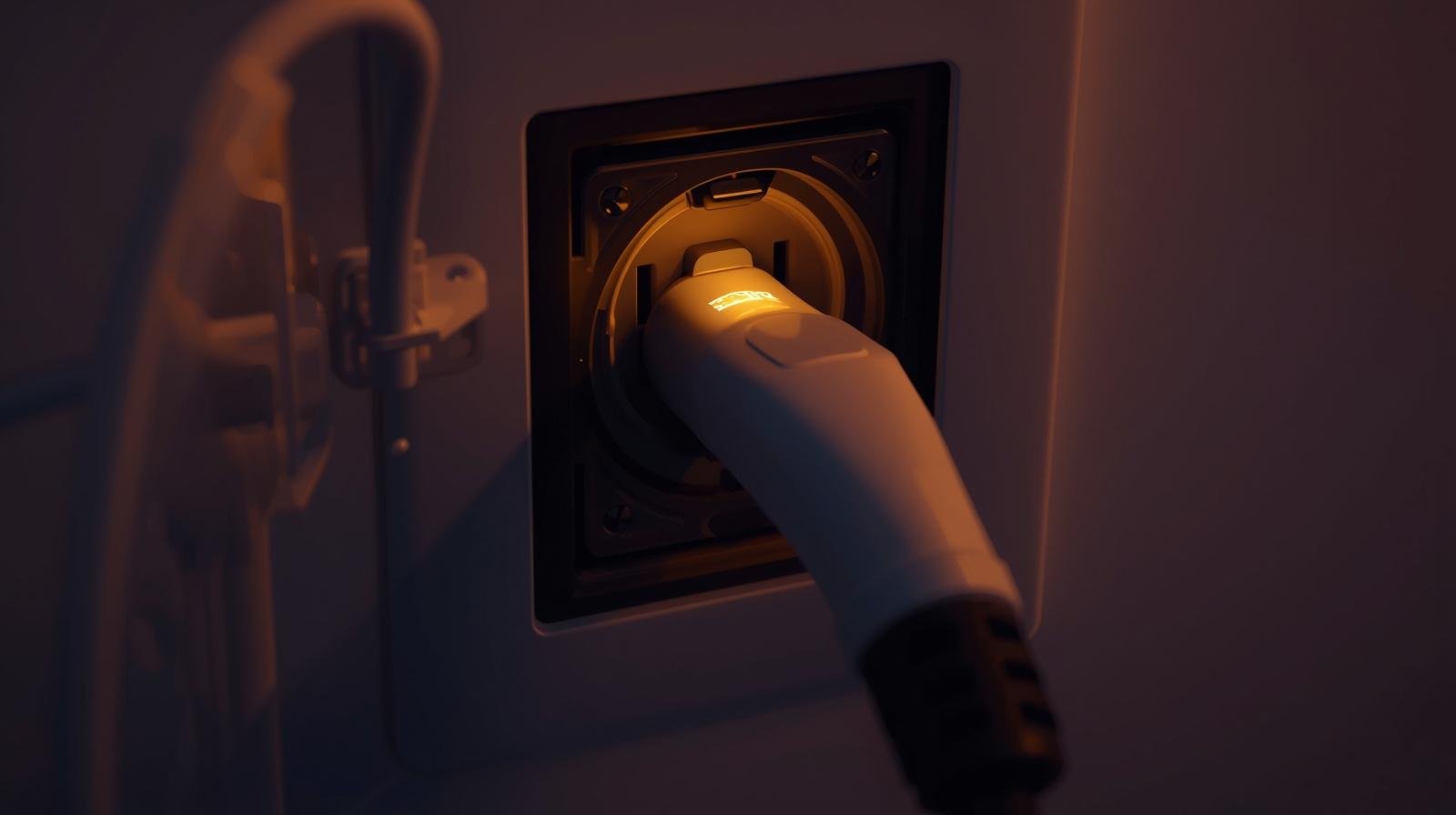
Level 1 charging may be slow, but it still plays an important role.
When Level 1 Charging Works Best
- Short daily commutes
- Overnight charging
- Renters or apartment dwellers
- Budget-conscious EV owners
While it may not be the fastest solution, Level 1 charging is safe, simple, and gentle on the battery. For some drivers, it remains the best way to charge an EV without extra installation costs.
Is Fast Charging the Best Way to Charge an EV?
DC fast charging is convenient, but it is not the best everyday charging method.
When Fast Charging Makes Sense
- Long road trips
- Emergency charging needs
- Limited charging time
Why Fast Charging Should Be Limited
Frequent fast charging generates more heat and can contribute to faster battery degradation over time. While modern EVs are designed to handle it, experts recommend using fast charging occasionally, not daily.
So, while fast charging is useful, it’s not always the best way to charge an EV for long-term ownership.
What Is the Best Way to Charge an EV for Battery Health?
Battery health is a major factor when deciding what is the best way to charge an EV.
Best Practices for Battery Longevity
- Prefer Level 1 or Level 2 charging
- Avoid frequent DC fast charging
- Charge between 20% and 80% when possible
- Avoid extreme temperatures during charging
Slow and steady charging produces less heat, which helps preserve battery capacity over time.
Cost Comparison: What Charging Method Saves the Most Money?
Cost is another key factor when determining what is the best way to charge an EV.
Home Charging Costs
- Lowest cost per mile
- Cheaper than gasoline
- Off-peak electricity rates can save more
Public Charging Costs
- More expensive than home charging
- Fast charging often costs the most
From a cost perspective, home Level 2 charging is usually the most economical option over the long run.
Safety Considerations When Charging an EV
Safety plays a major role in choosing the best charging method.
Safe Charging Tips
- Use manufacturer-approved chargers
- Avoid extension cords
- Install Level 2 chargers professionally
- Keep charging equipment well-maintained
Modern EVs include built-in safety systems that monitor temperature, voltage, and current, making charging very safe when done properly.
Conclusion
Choosing the right charging method is one of the most important decisions an EV owner can make. Understanding what is the best way to charge an EV helps you save money, protect your battery, and enjoy a smoother ownership experience.
By prioritizing home charging, using fast chargers wisely, and following best practices, you can keep your EV running efficiently for years to come.
Frequently Asked Questions (FAQs)
1. What is the best way to charge an EV?
The best way to charge an EV is usually Level 2 charging at home, as it offers a good balance of speed, cost efficiency, safety, and battery health.
2. Is home charging better than public charging?
Yes, home charging is often better because it is more convenient, costs less, and allows you to charge your EV overnight at your own pace.
3. Is fast charging bad for EV batteries?
Fast charging is not bad when used occasionally, but frequent use can increase battery wear due to higher heat levels.
4. Can Level 1 charging be the best option for some EV owners?
Yes, Level 1 charging can be the best option for drivers with short daily commutes and access to overnight charging.
5. How often should I use DC fast charging?
DC fast charging should be used mainly for long trips or emergencies rather than daily charging.
6. What charging method is best for battery life?
Slow and moderate charging methods, such as Level 1 and Level 2 charging, are best for maintaining long-term battery health.
7. Is it safe to leave an EV plugged in overnight?
Yes, it is safe to leave an EV plugged in overnight, as modern EVs have built-in systems that prevent overcharging.
8. Does charging an EV to 100% harm the battery?
Occasionally charging to 100% is fine, but keeping the battery between 20% and 80% most of the time helps extend battery life.